6 Books That Play With Time in Ways That Will Unsettle You
The novel's relationship to time is not neutral. When a writer chooses to tell a story non-linearly, or to loop back to the same moment from different angles, or to make the future visible before the present, they're making a claim about how time actually works and what it does to people. These six novels use time structurally -- not as a stylistic flourish but as the argument.
June 2026 · 7 min read · The Pagesmith
Linear time is a convention that most fiction accepts without examination: events happen in sequence, the narrative moves forward, and the reader arrives at the end having traversed the same direction through time that the characters did. The novels here refuse that convention — not for stylistic reasons but because the arguments they are making about time, memory, and identity could not be made within it. Slaughterhouse-Five’s non-linear structure is not a formal experiment; it’s the only honest representation of how trauma actually disrupts the experience of time for the person who survived something too large to process sequentially. Flowers for Algernon’s degrading prose is not a gimmick; it is the argument, the form enacting the content in the most direct possible way. When form and content are genuinely fused in this way — when the manipulation of time in the telling is also the novel’s subject — the result is fiction that leaves the reader not just moved but disoriented in a way that outlasts the reading.
The most interesting novels about time are not simply novels that scramble their chronology. They are novels where the specific way time is handled is also the argument about time — where the form is the content, and getting that form right required breaking the convention that most fiction accepts without thinking about it.
The Books
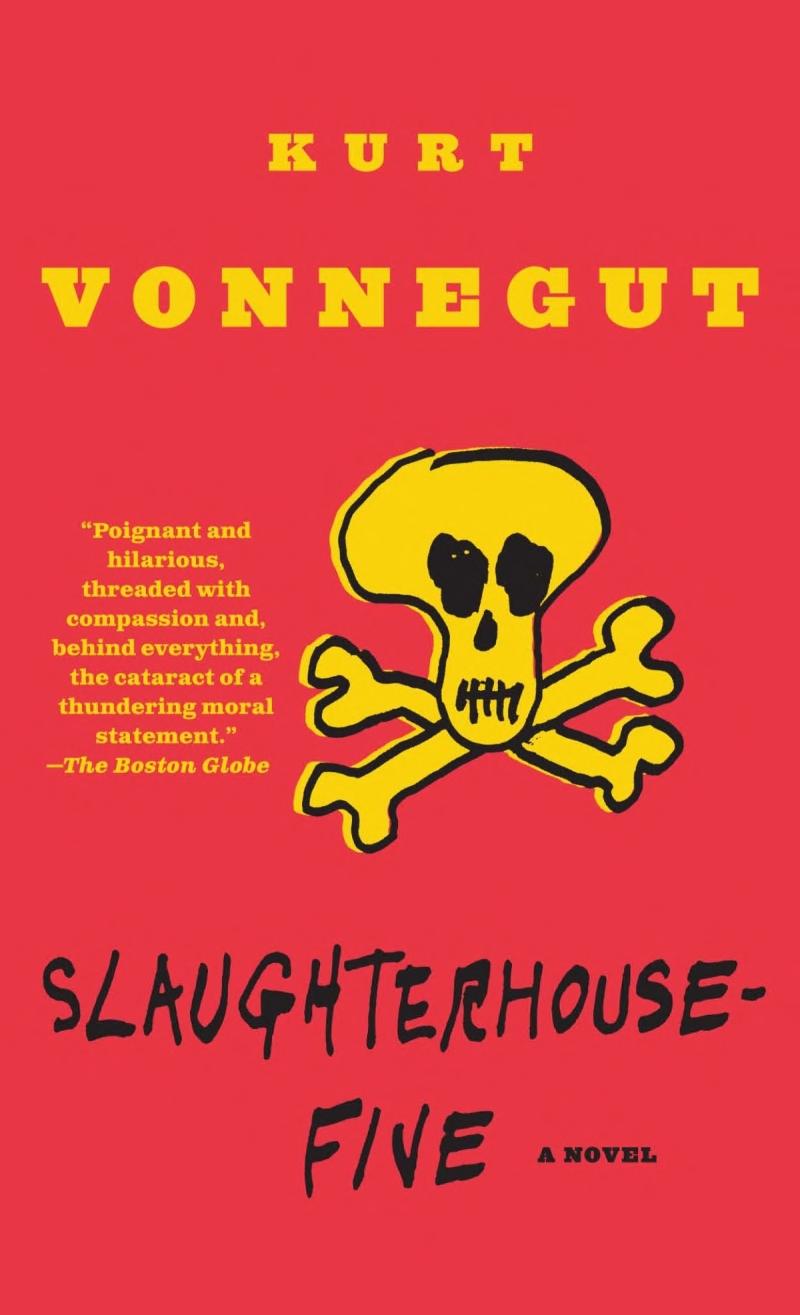
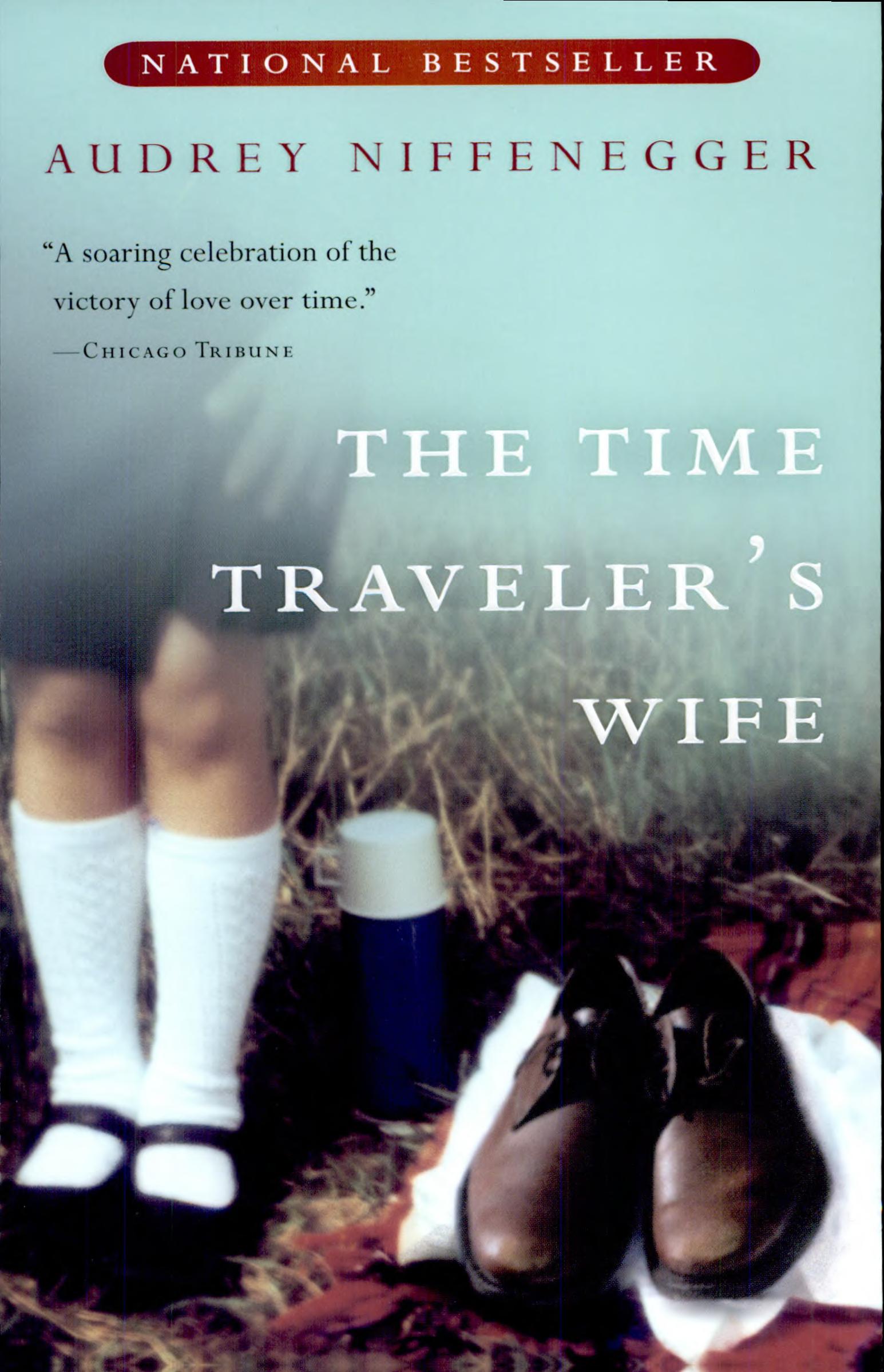
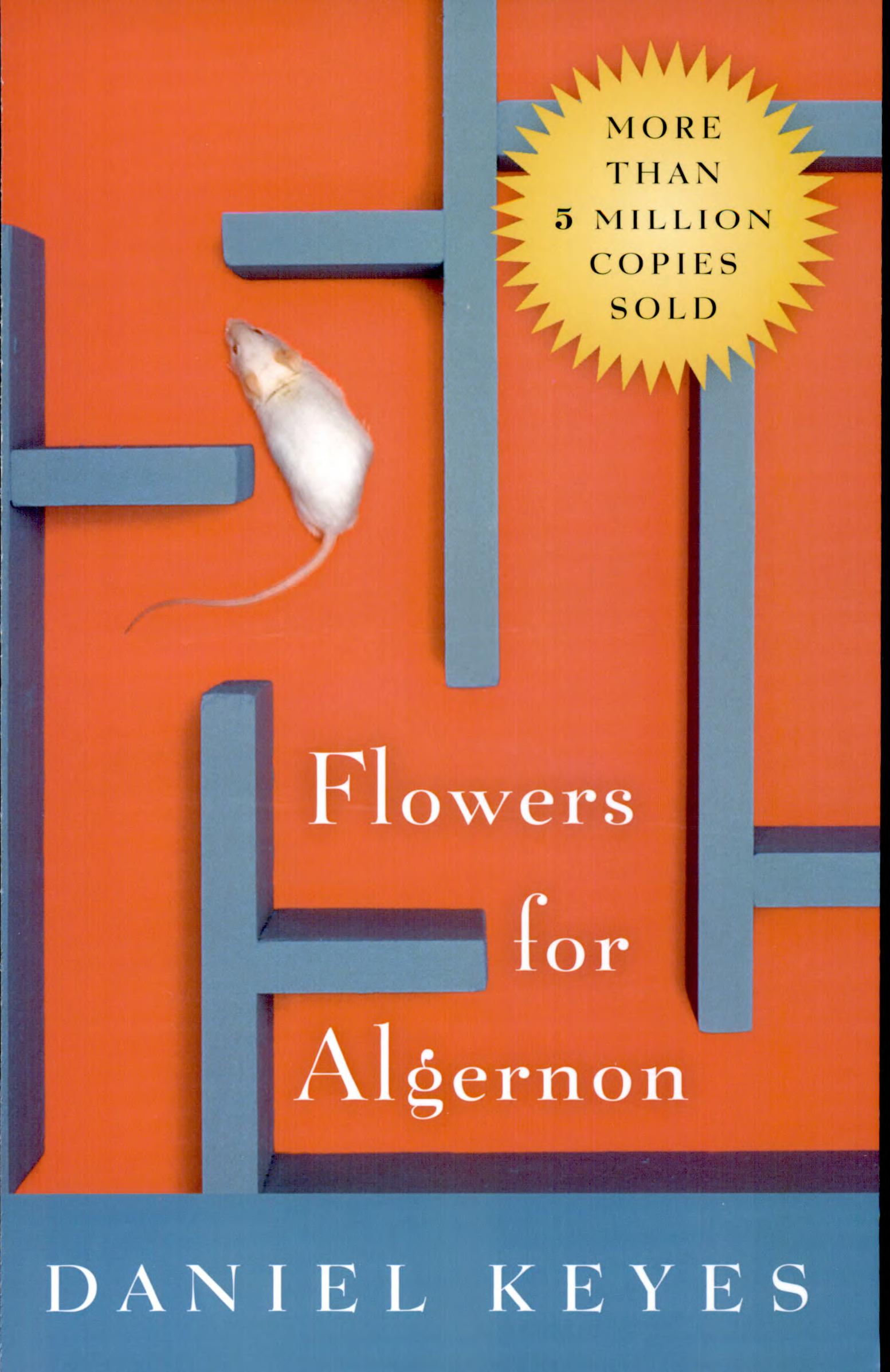
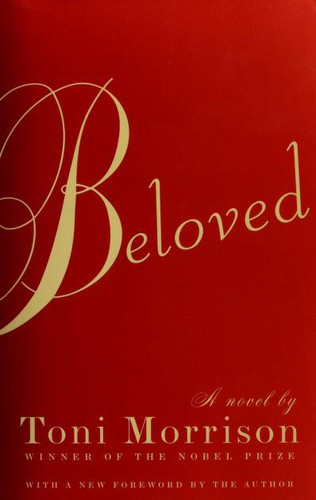
Slaughterhouse-FiveKurt VonnegutVonnegut’s non-linear structure — Billy Pilgrim unstuck in time, experiencing his life in non-sequential order — is the clearest example of form-as-argument in this list. The Tralfamadorians’ claim that all moments exist simultaneously, and cannot be changed, is the intellectual frame Vonnegut gives to the psychological reality of surviving the Dresden firebombing: a trauma so large that it disrupts the ordinary experience of chronological time, so that memory keeps returning to the same moments regardless of where the survivor is in their life. The “so it goes” refrain, following every death regardless of context or scale, is both a formal device and a statement about what happens to moral meaning when you have seen death at the scale Billy has seen it. The Time Traveler’s WifeAudrey NiffeneggerNiffenegger’s novel uses time travel not as adventure but as the formal structure for exploring what it means to know someone across the full arc of their life out of order — to have met a person at 40 before meeting them at 20, to know how a relationship ends while still inhabiting its beginning. The novel is a love story organized around the specific grief of knowing too much too soon, and the time travel is genuinely necessary to produce this: no conventional narrative structure could give the reader the experience of loving someone while knowing what time will do to them in the way that Niffenegger’s non-linear form does. The most emotionally direct treatment of time on this list. Never Let Me GoKazuo IshiguroIshiguro’s novel handles time through Kathy’s retrospective narration, which circles back to the same periods and the same events from slightly different angles, withholding and revealing in a way that mirrors how memory actually works rather than how it’s usually rendered in fiction. The specific quality of dread that Never Let Me Go produces comes partly from this temporal handling: the reader understands what is coming before Kathy and her friends do, which means the ordinary scenes of childhood and adolescence at Hailsham are experienced against the knowledge of what time will bring. Ishiguro makes the future present in the reader’s experience of the past, which is also what the novel’s plot makes literal in its characters’ lives. One Hundred Years of SolitudeGabriel Garcia MarquezGarcia Marquez’s treatment of time across seven generations of the Buendia family is cyclical rather than linear — the same names, the same obsessions, the same patterns of behavior recurring across generations as if time spirals rather than progresses. This is not magical realism as decoration but as argument: in Macondo, the past genuinely does not stay in the past, the mistakes of one generation are not available as lessons to the next, and time’s movement is lateral as much as forward. The novel’s famous opening sentence — “Many years later, as he faced the firing squad, Colonel Aureliano Buendia was to remember that distant afternoon when his father took him to discover ice” — announces immediately that this narrative will not obey ordinary chronological sequence, and the reader should stop expecting it to. Flowers for AlgernonDaniel KeyesKeyes’s novel handles time through the degradation of its own form: Charlie Gordon’s progress reports grow more sophisticated as his intelligence is artificially raised, then deteriorate back toward where they began as the effect reverses. The novel does not tell you Charlie is losing ground — it shows you by making the reader experience the loss in real time, through the prose itself. This is the most formally elegant time-manipulation on this list because it doesn’t require any non-linear structure: it simply makes time’s movement visible through the changing quality of the voice the reader has come to know, which means the loss is not information about a character but something the reader actually experiences. BelovedToni MorrisonMorrison’s non-linear structure is a formal argument about how trauma disrupts the experience of time: Sethe’s past does not stay in the past but erupts into her present with literal physical force, and the novel’s shifting between past and present, its movement into stream-of-consciousness in the sections associated with Beloved herself, renders this disruption at the level of the prose rather than simply describing it. The novel that most completely demonstrates that the manipulation of time in fiction is not a stylistic choice but a moral one: Morrison uses it because only this form can render what it means to carry something that will not stay in the past, that continues to haunt the present regardless of how much time has nominally elapsed. Who This Is For
Readers who are interested in how novels use their formal choices as arguments — who want to understand not just what these books say but why they’re structured the way they are, and what would be lost if they were told more conventionally. Also readers who have found non-linear fiction disorienting in the past and want to understand why it’s organized that way before committing to it. The literary fiction catalogue has more in this direction.
Frequently asked questions
Q: Is One Hundred Years of Solitude difficult to follow because of its non-linear time?
A: The novel is chronologically sequential despite the magical elements and the recurring names — it moves forward through seven generations rather than backwards or sideways. The difficulty is in the volume of characters and the repeating names across generations. Most editions include a family tree at the front; using it makes the novel considerably more navigable.
Q: Which of these books is the most accessible for readers who generally prefer linear narratives?
A: The Time Traveler’s Wife is the most romance-forward and the most emotionally transparent about what it’s doing with time. Flowers for Algernon is the shortest and the most formally elegant. Both are good starting points for readers who want non-linear structure without requiring a particularly high tolerance for formal experimentation.
Q: Is Beloved appropriate for readers who found the non-linear structure of other Morrison novels confusing?
A: Beloved is Morrison’s most formally demanding novel precisely because of its non-linear structure and the stream-of-consciousness sections associated with Beloved. Readers who found Song of Solomon easier might want to start there and build toward Beloved, or they might find that knowing in advance what Morrison is doing with the form makes it more navigable.
Q: What should I read after Slaughterhouse-Five if I want more Vonnegut?
A: Cat’s Cradle shares the dark humor and the science fiction framing organized around a philosophical argument about how humans construct meaning. Breakfast of Champions is more formally experimental. Both are worth reading; Cat’s Cradle is the better next step.
Not sure which of these is right for you specifically? The Pagesmith quiz matches you to books based on your mood, pacing preference, and reading goals, not bestseller lists. Takes two minutes.