7 Books About Fate and Free Will You Need to Read
The question of whether our choices are truly free -- whether the character we were given, the circumstances we were born into, and the history we inherited determine everything that follows -- is one of the oldest questions in philosophy and one that fiction is uniquely equipped to address. These seven novels don't argue about fate and free will. They demonstrate what the answer feels like from the inside.
June 2026 · 8 min read · The Pagesmith
Philosophy addresses the question of fate and free will through argument: the compatibilist says free will and determinism can coexist; the hard determinist says they cannot; the libertarian says the will is genuinely free in ways the physical world cannot fully constrain. Fiction addresses the question differently — not through argument but through demonstration, by rendering what it feels like from the inside to make choices whose freedom is uncertain, to discover that the person you were has made the choices you made inevitable, to live with the knowledge of what is coming and find that the knowledge doesn’t change anything. The novels here are not philosophical treatises. They are novels in which the fate-or-choice question is doing structural work, shaping the form and the experience of reading in ways that make the question available as something felt rather than simply argued.
Philosophy asks whether free will is real. Fiction shows you what it feels like to live as if it is, or as if it isn’t, or as if you cannot tell — which is the condition most people actually inhabit, and the one that literature is most precisely equipped to render.
The Books
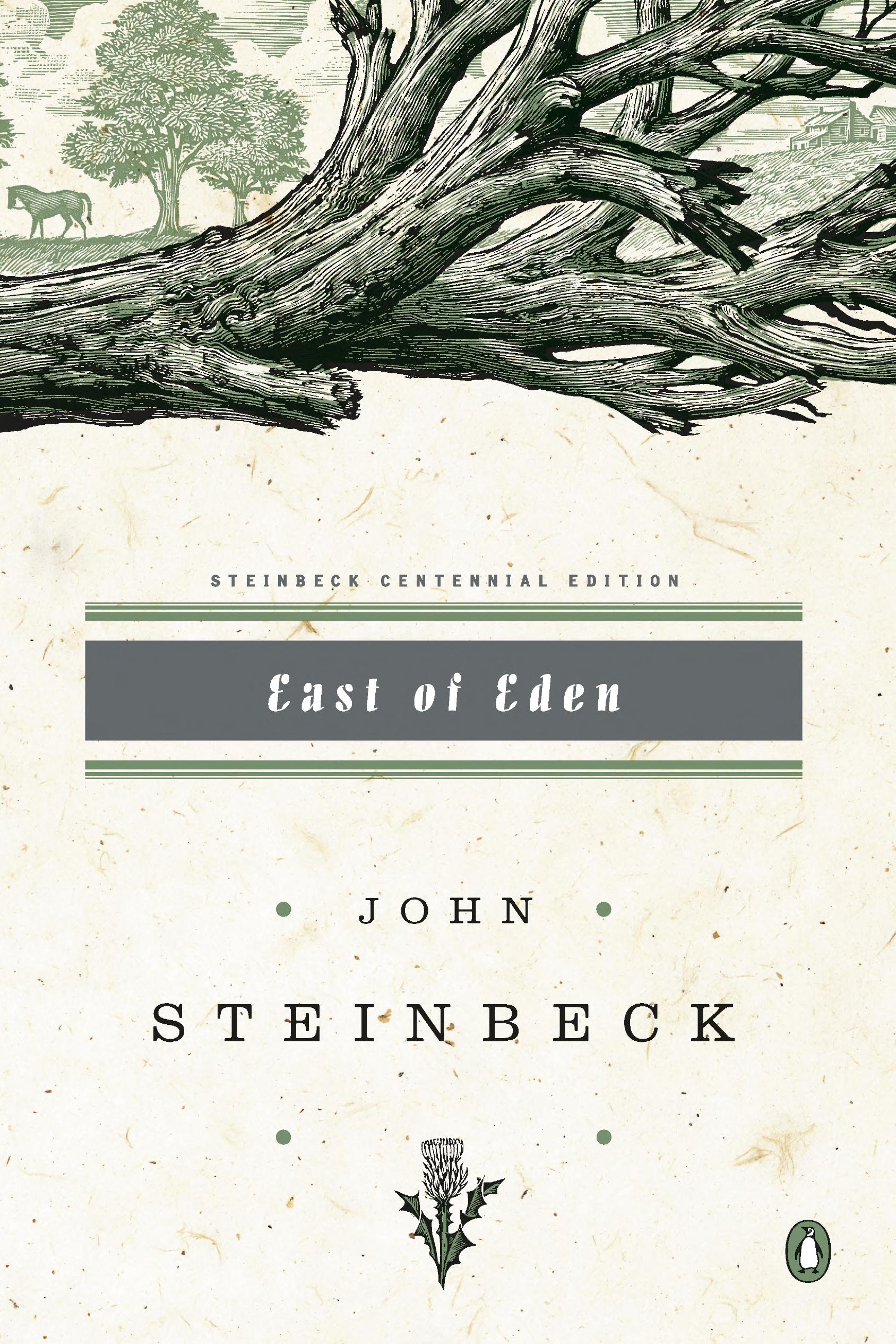
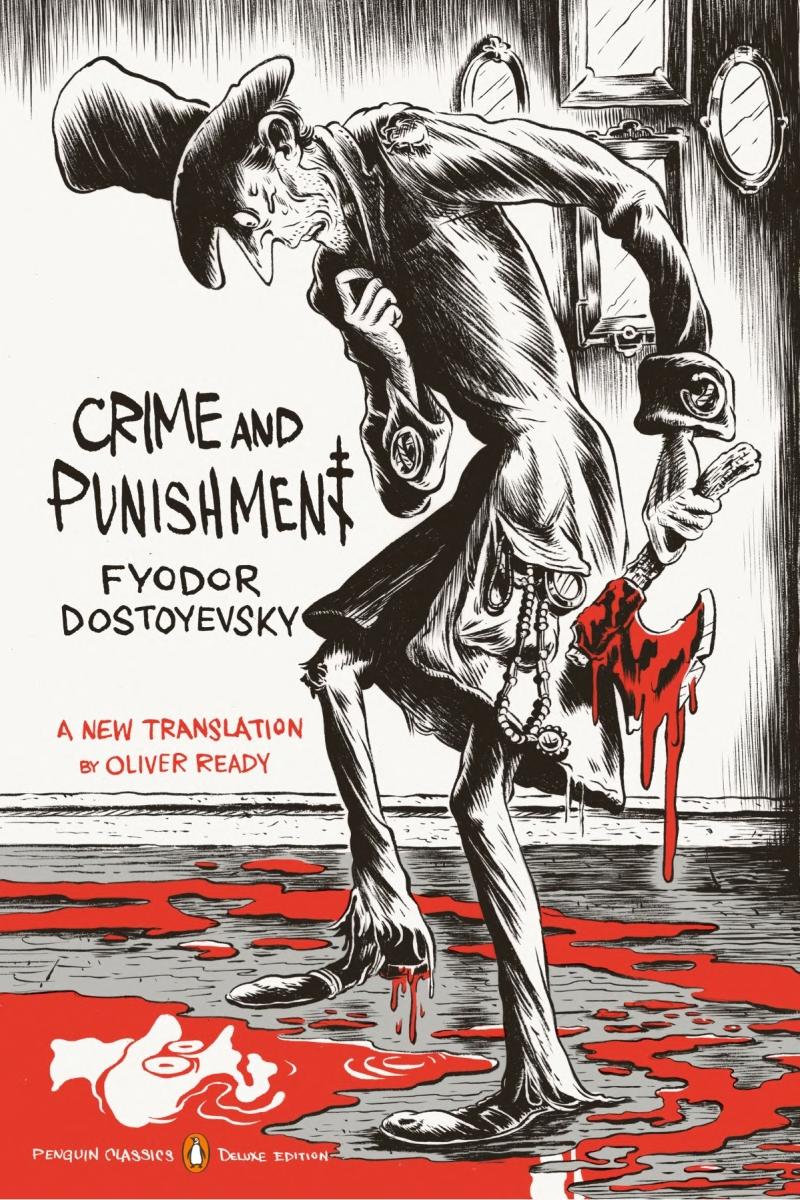
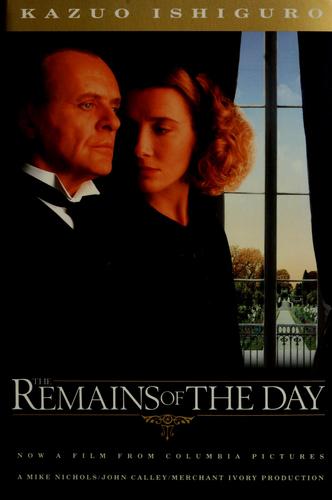
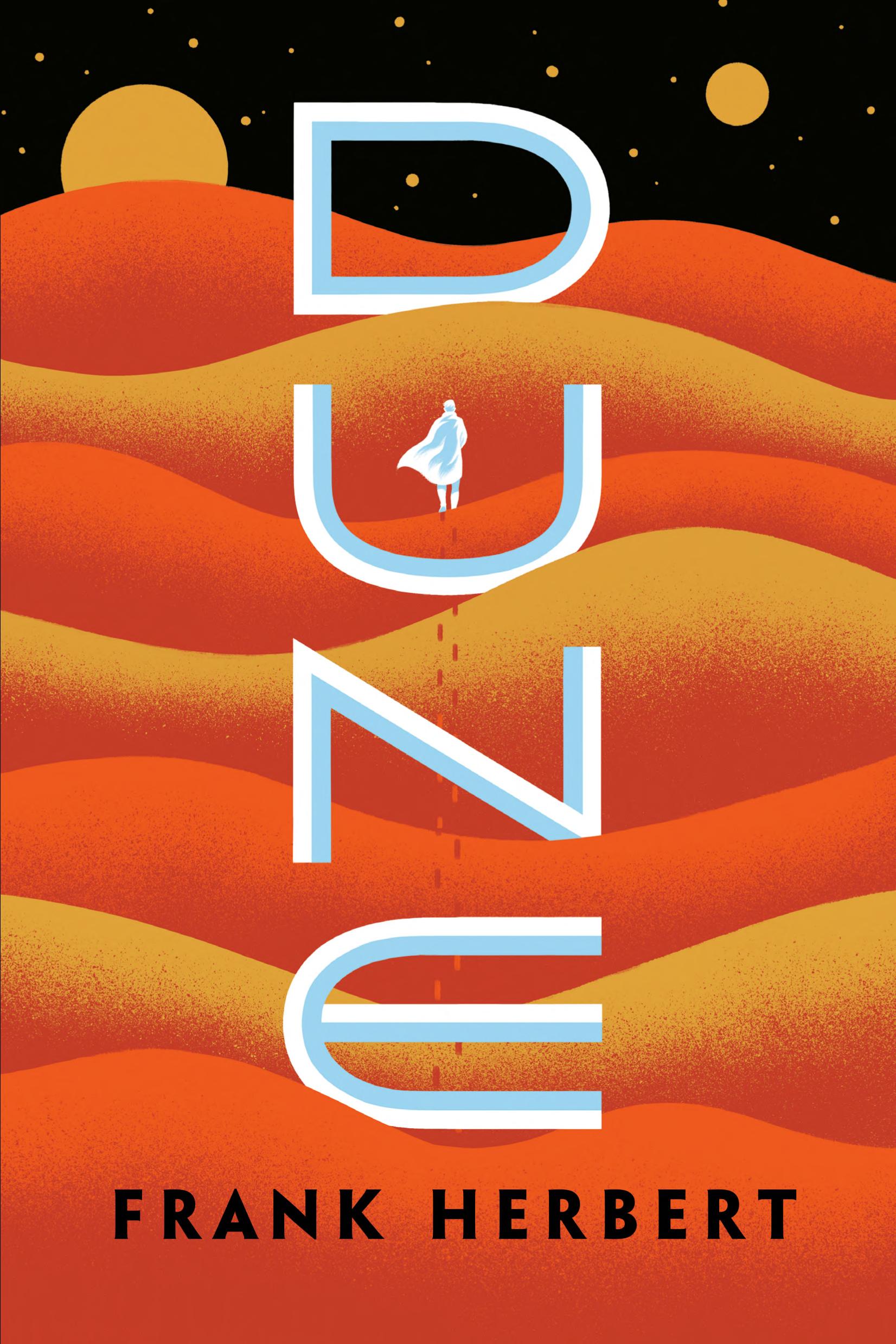
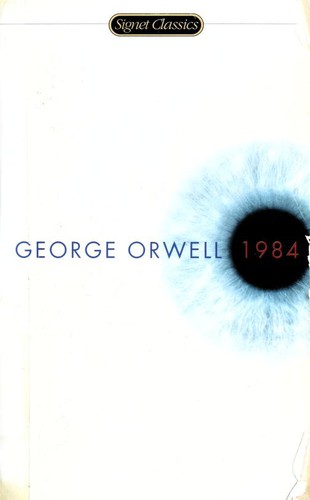
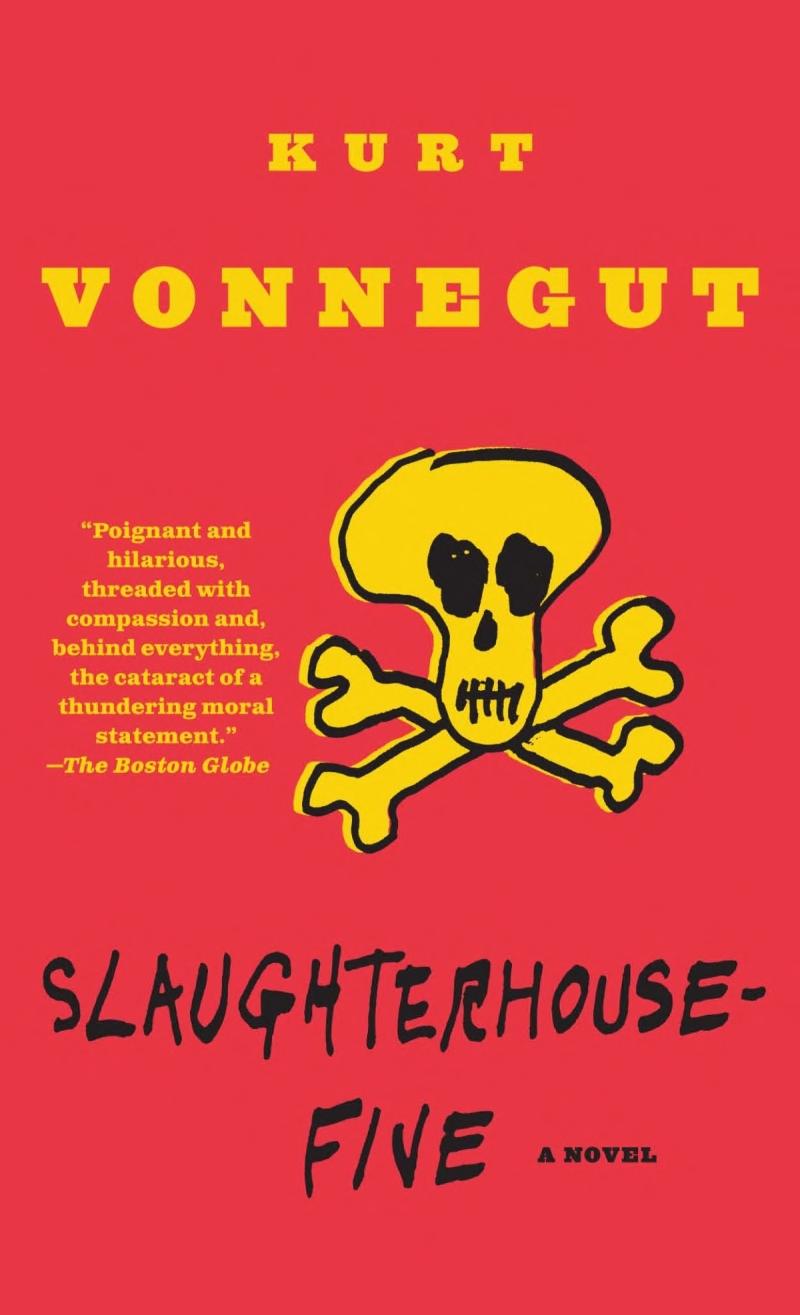
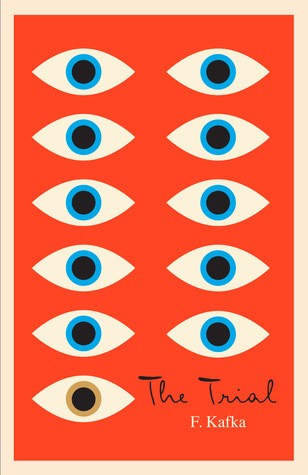
East of EdenJohn SteinbeckSteinbeck’s most personal novel is organized explicitly around the fate-versus-free-will question, encoded in a single Hebrew word: timshel, which Steinbeck argues means “thou mayest” rather than “thou shalt” or “thou wilt” — the permission to choose goodness rather than the command or the certainty. The Trask family’s multigenerational reenactment of the Cain and Abel pattern is the evidence for determinism: the same dynamic, the same parental preference, the same damage, recurring across generations as if scripted. Timshel is Steinbeck’s argument against that evidence: the cycle can be broken, but only by someone who understands that they have the freedom to break it and chooses to exercise that freedom. The most explicitly philosophical of the novels here, and the most directly hopeful. Crime and PunishmentFyodor DostoevskyRaskolnikov’s theory — that certain exceptional people are exempt from ordinary moral laws because their contributions to humanity justify transgression — is the fate-versus-freedom question in its most extreme individual form. The murder he commits to test the theory is the experiment: can he will himself to be the exceptional person his theory requires? The novel’s answer is no, and Dostoevsky renders the “no” through the specific experience of a consciousness that has acted on a theory and cannot sustain the theoretical identity in the face of the actual experience of having killed someone. The gap between what Raskolnikov willed himself to be and what he actually is is the gap between the self we choose and the self we are, and Dostoevsky renders it with a psychological precision that philosophy cannot achieve. The Remains of the DayKazuo IshiguroIshiguro’s novel is the quietest treatment of the fate-versus-freedom question on this list and the most devastating: Stevens spent his life making choices he characterized as professional obligation, as dignity, as the correct execution of his role as a butler — and the novel is organized around his gradual recognition that these “choices” were the abdication of choice, the decision to let his role determine everything and call it virtue. The question the novel poses — whether Stevens’s choices were freely made or whether he was always going to make them given the person he was and the values he held — is left formally open, and that openness is the source of the novel’s haunting quality. The reader perceives the answer Stevens cannot allow himself to perceive, and the gap between what he understands and what we understand is the experience of reading the novel. DuneFrank HerbertHerbert’s science fiction masterpiece is the most thorough treatment of prescience’s burden available in genre fiction: Paul Atreides can see the future, but seeing it does not mean he can change it, and the novel’s central tragedy is that his prescient awareness of the path his choices are taking him down does not give him the freedom to choose differently. Each choice Paul makes follows logically from the one before it, and the path the choices produce is the one the visions showed him at the beginning. Herbert is interested not in whether Paul is fated — he clearly is, in some sense — but in the specific psychological experience of knowing that your choices are leading somewhere terrible and finding that the knowledge doesn’t free you from making them. The most philosophically rich science fiction novel about determinism. 1984George OrwellOrwell’s novel is the political version of the fate-versus-freedom question: in a world where the Party controls not just behavior but thought, where history is continuously rewritten and language is deliberately impoverished to make certain thoughts impossible to think, what freedom of will is available? Winston Smith’s resistance is the novel’s experiment in free will under conditions of maximum constraint, and the answer Orwell provides is not exactly that freedom is impossible but that freedom requires access to a shared reality that the Party is systematically destroying. The novel’s final section, in which Winston’s capacity for independent thought is dismantled rather than simply punished, is the most disturbing treatment of what the destruction of free will actually looks like when pursued systematically rather than individually. Slaughterhouse-FiveKurt VonnegutVonnegut’s Billy Pilgrim has become “unstuck in time” — he experiences his life non-linearly, moving between his childhood, his WWII captivity, his middle-class postwar life, and his encounters with the Tralfamadorians, who experience all moments in time simultaneously and cannot understand why humans think they have the capacity to change what is going to happen. The Tralfamadorian fatalism — “so it goes” — is Vonnegut’s formal device for rendering the specific psychological state of someone who has survived something (the Dresden firebombing) that his culture has no framework for, and for which no understanding of individual choice or responsibility is adequate. The novel does not endorse fatalism; it shows what fatalism looks like as a response to an experience that can’t be processed any other way. The TrialFranz KafkaKafka’s Josef K. is accused of a crime he cannot identify by a court whose rules he cannot access — and the question the novel poses is whether his eventual outcome was always inevitable or whether there was a point at which he could have chosen differently. K.’s frantic attempts to understand and address his situation — the lawyers he hires, the women he pursues, the priest he encounters in the cathedral — produce nothing that resolves the charge, and the novel’s refusal to explain whether this is because K. is genuinely trapped or because he has been making the wrong choices throughout is the source of its specific anxiety. The Trial is the fate-versus-freedom question in its most irresolvable form: the reader cannot determine whether K. is a victim of fate or of his own choices, and neither can K. Who This Is For
Readers who are interested in the question of whether the choices they make are genuinely free — whether the person they are and the circumstances they inhabit determine the choices they make before they make them — and who want fiction that renders that question as experience rather than argument. Also readers who have studied philosophy and want to see the same questions addressed through form rather than through logic. The literary fiction and sci-fi catalogues have more in this direction.
Frequently asked questions
Q: Do these novels argue for or against free will?
A: None of them makes a simple argument in either direction — which is partly what makes them worth reading rather than simply reading a philosophy textbook on the subject. East of Eden argues most directly for free will through the concept of timshel. The Remains of the Day and The Trial render the experience of not knowing whether your choices are free without resolving the question. Dune and Slaughterhouse-Five present forms of determinism as psychological responses to specific experiences rather than as metaphysical positions. 1984 is the most directly political in its treatment of what the destruction of free will requires.
Q: Is Kafka’s The Trial connected to his other major works?
A: The Trial and The Castle are his two major unfinished novels, both organized around a protagonist navigating an incomprehensible bureaucratic or institutional structure. The Trial is generally considered the more accessible of the two and the better starting point. The Metamorphosis is the most contained and most formally complete of his works.
Q: Is Dune science fiction in the same sense as other science fiction?
A: Dune is science fiction in that it is set in the far future with space travel and alien cultures, but its primary concerns are religious, political, and philosophical rather than technological. It is closer in spirit to historical fiction set in an invented world than to the engineering-focused science fiction of Asimov or Clarke. Readers who generally resist science fiction often find Dune more accessible than expected.
Q: What is timshel and why does it matter to East of Eden?
A: Timshel is a Hebrew word from the Cain and Abel story in Genesis. Steinbeck’s novel argues, through the character of Lee, that it means “thou mayest” — not a command (thou shalt) or a prediction (thou wilt) but a permission. The distinction matters because it locates moral responsibility entirely in human choice: you may choose goodness, which means you can also choose not to, which means the outcome is genuinely in your hands. Steinbeck called timshel the most important word he ever encountered, and the novel is, in some sense, his extended argument for why it is.
Not sure which of these is right for you specifically? The Pagesmith quiz matches you to books based on your mood, pacing preference, and reading goals, not bestseller lists. Takes two minutes.