Books like Pachinko are difficult to recommend well because the novel’s achievement is specific: Min Jin Lee traces eighty years of history through four generations while making every historical fact feel personal rather than documented. The Japanese colonisation of Korea, the discrimination against ethnic Koreans in Japan, the specific shape of a diaspora’s identity — these arrive not as historical context but as events that happen to people the reader cares about. Finding books with that quality of intimate epic is the actual challenge.
Books with the same multigenerational sweep and emotional weight
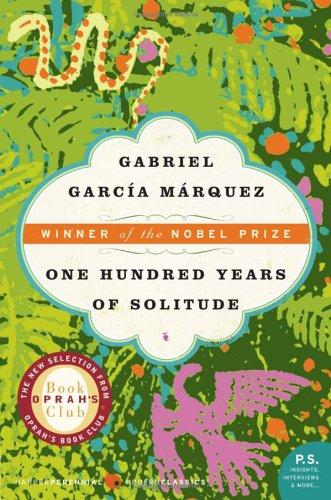
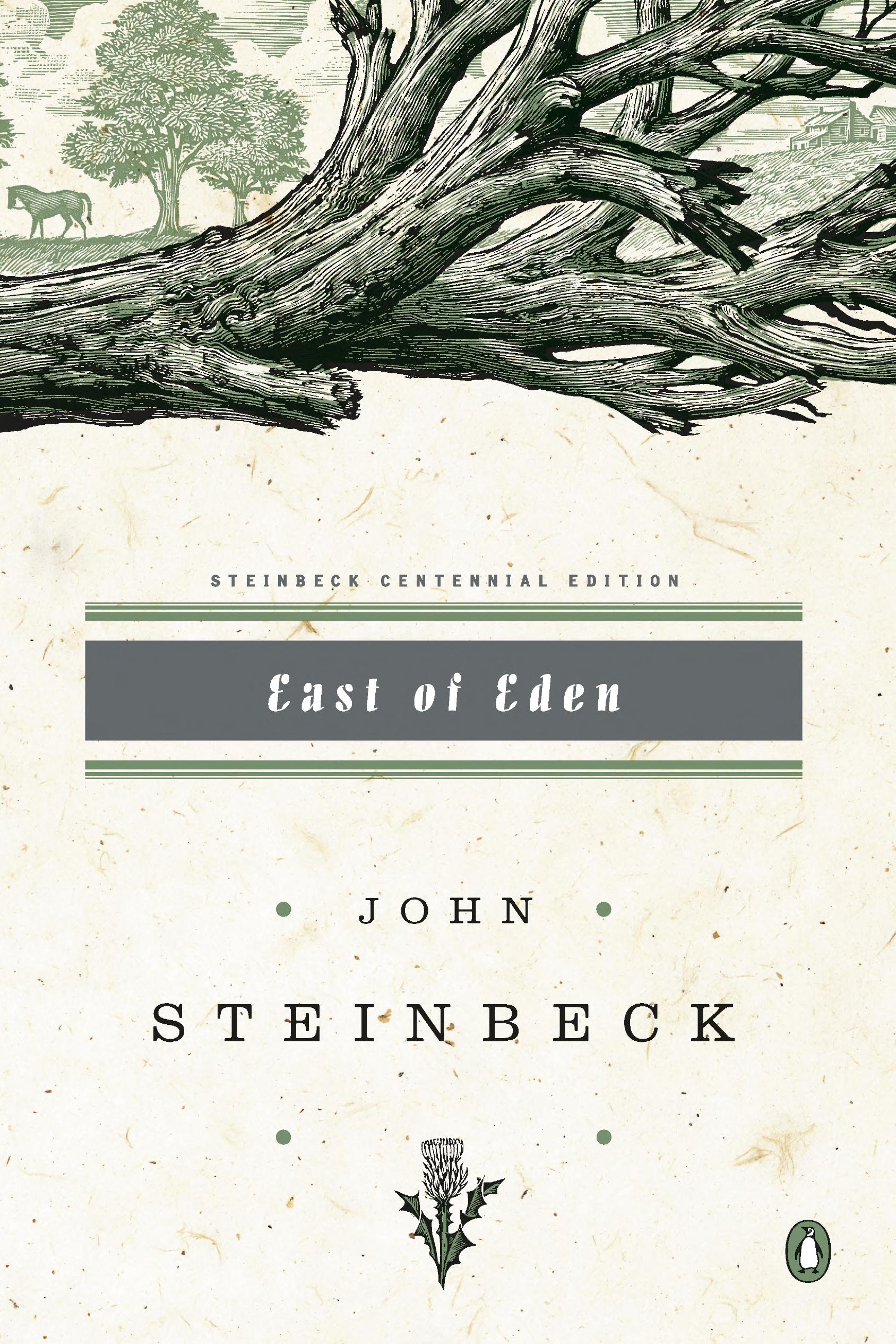
Pachinko makes eighty years feel personal — every historical force lands on a specific body, a specific family decision. That quality of large history made intimate is what the best books in this tradition share.
Books about identity under historical pressure
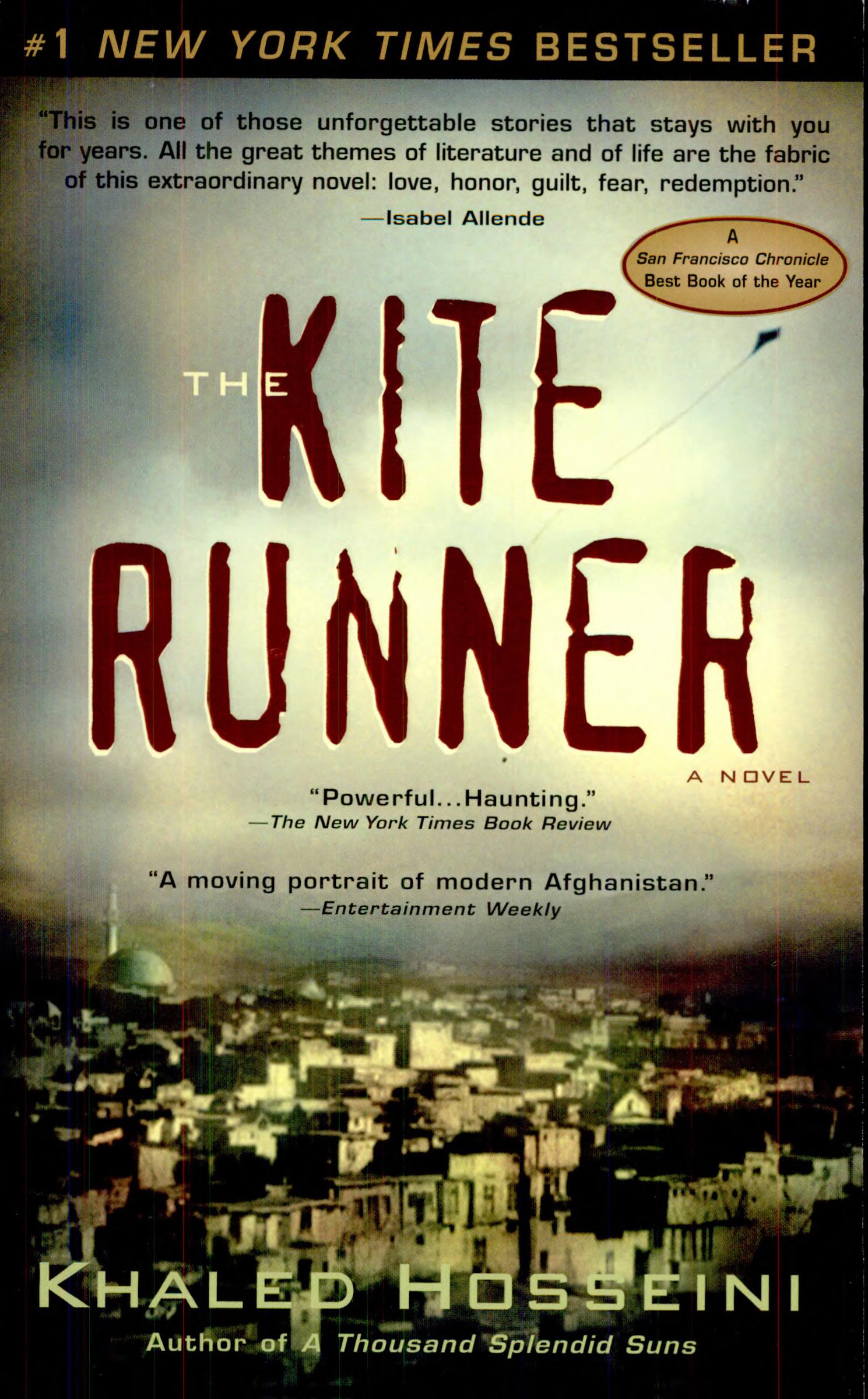
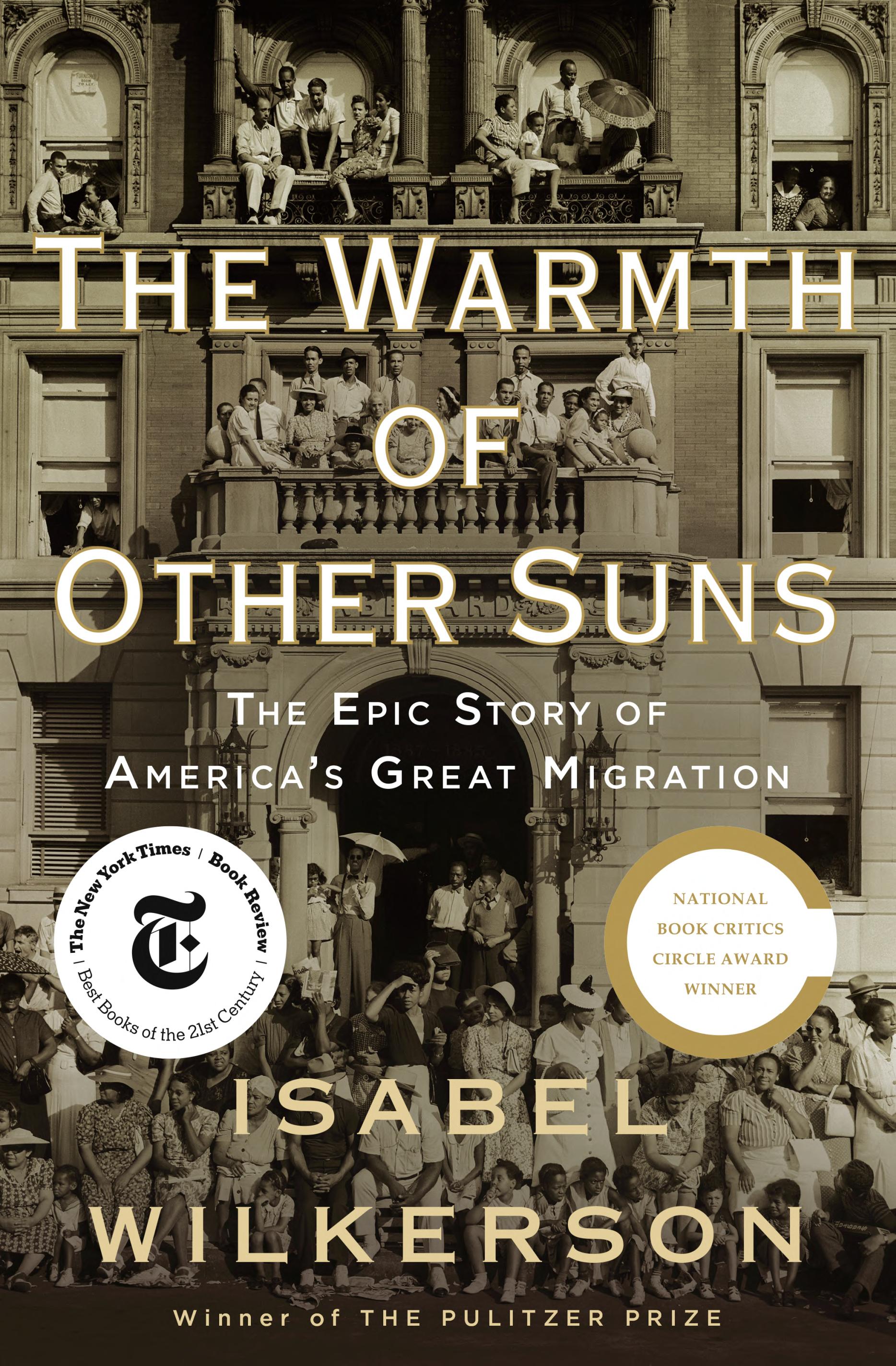
Books with the same literary ambition and emotional directness

Who this is for
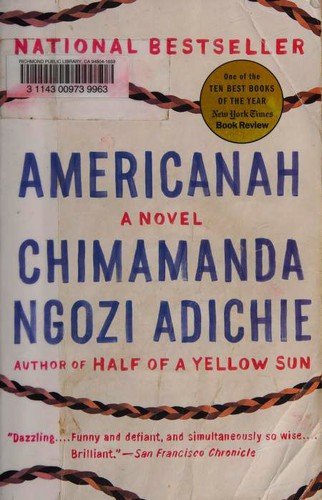
This list is for readers who responded to Pachinko’s specific combination of multigenerational scope, intimate emotional weight, and the concern with identity under historical pressure — not just readers who want more Asian literature or more family sagas. Start with East of Eden for the closest structural match. Americanah for the same concern with externally assigned identity in a contemporary setting. The Warmth of Other Suns for the same technique of tracing large historical movements through individual lives. Browse historical fiction and literary fiction for more.
Frequently asked questions
Q: What should I read after Pachinko? A: East of Eden by John Steinbeck is the closest structural equivalent — multigenerational, emotionally ambitious, and built around the same understanding that parental choices determine what is available to the children who follow. The Warmth of Other Suns uses the same technique of tracing historical forces through specific individuals.
Q: Are there books like Pachinko set in Asia? A: The Kite Runner by Khaled Hosseini covers Afghanistan with the same personal-historical method. The God of Small Things by Arundhati Roy covers India with comparable literary ambition and emotional directness. Norwegian Wood by Murakami gives a very different and more intimate portrait of Japan.
Q: What books about the Asian diaspora are similar to Pachinko? A: Americanah by Chimamanda Ngozi Adichie addresses the African diaspora but covers the same core territory — the experience of having identity assigned externally by a society that refuses to accept your own self-understanding. The Kite Runner and its sequel A Thousand Splendid Suns cover the Afghan diaspora with comparable emotional weight.
Q: Is Pachinko based on a true story? A: It is historical fiction — the broad historical context is documented (Japanese colonisation of Korea, discrimination against ethnic Koreans in Japan) but the specific characters and family are invented. Lee spent decades researching the novel, which is why the historical texture feels so specific.
Not sure which of these is right for you specifically? The Pagesmith quiz matches you to books based on your mood, pacing preference, and reading goals — not bestseller lists. Takes two minutes.