8 Books Like The Kite Runner You'll Love
The Kite Runner works because Hosseini makes the friendship and the betrayal feel equally real -- which means the guilt that drives the second half of the novel is not abstract but specific. Finding books with that specific quality of a relationship that shapes everything that follows is the actual challenge.
April 2026 · 6 min read · The Pagesmith
Books like The Kite Runner are easier to find than most “books like X” searches because Hosseini’s novel has a very specific emotional architecture: a formative betrayal, decades of guilt, and a second half structured around the question of whether repair is possible. What is harder is finding books that share the novel’s specific quality of emotional directness — its willingness to state what it is doing without the ironic distance that much contemporary literary fiction prefers.
Books with the same friendship-and-betrayal architecture
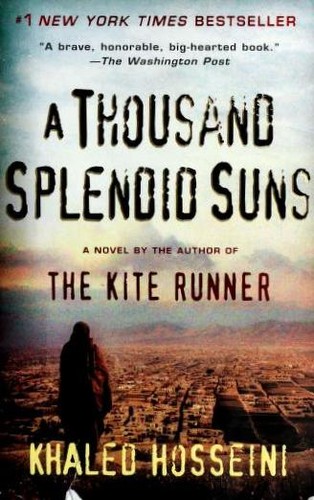
A Thousand Splendid SunsKhaled HosseiniThe most direct follow-up — same author, same Afghanistan, and the same emotional directness applied to two women whose lives intersect across decades of war. Where The Kite Runner is about male friendship and guilt, this is about female solidarity under impossible conditions, and the emotional weight is equally sustained. AtonementIan McEwanA lie told in childhood that determines everything that follows — McEwan examines the specific impossibility of repairing damage that cannot be undone with the same honesty Hosseini brings to Amir’s guilt. The structural question — whether atonement is possible when what was broken cannot be restored — is identical. The Kite Runner’s specific achievement is making the friendship and the betrayal feel equally real — which means the guilt is not abstract. Finding books with that emotional specificity is the actual challenge.
Books with the same historical backdrop shaping personal lives
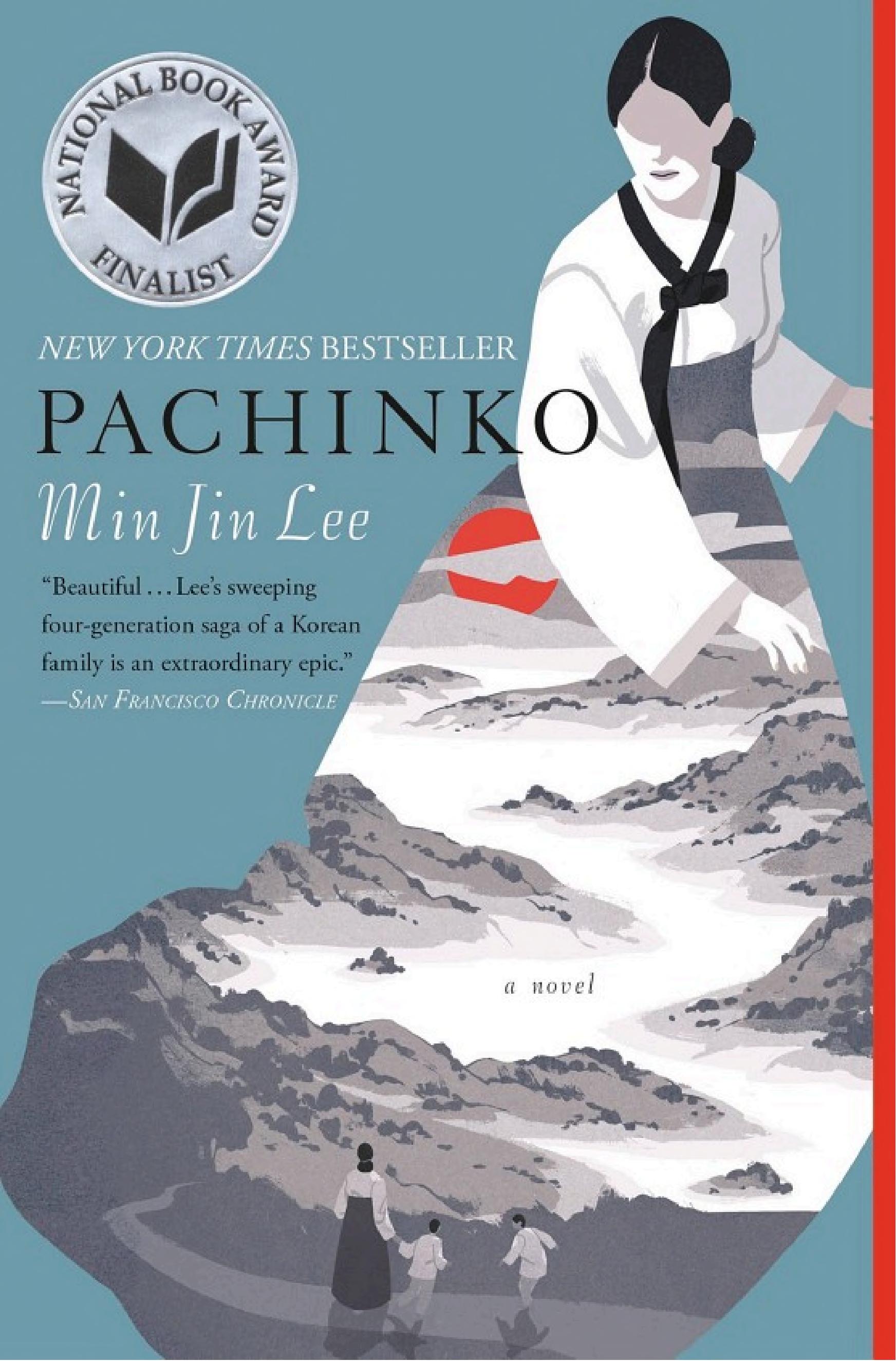
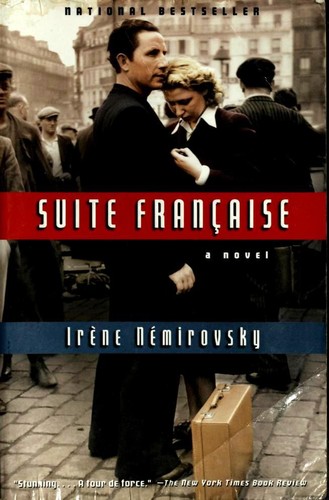
PachinkoMin Jin LeeFour generations shaped by historical forces told with the same emotional directness as Hosseini. Lee traces how choices made under impossible conditions define the generations that follow in a way that directly parallels The Kite Runner’s concern with inherited guilt and the weight of the past on the present. Suite FrancaiseIrene NemirovskyFrance under Nazi occupation — Nemirovsky writes people trying to maintain personal loyalties in conditions designed to destroy them with the same unsparing attention Hosseini brings to Afghanistan. The historical weight and the personal stakes are equally distributed in both novels. Books with the same emotional directness
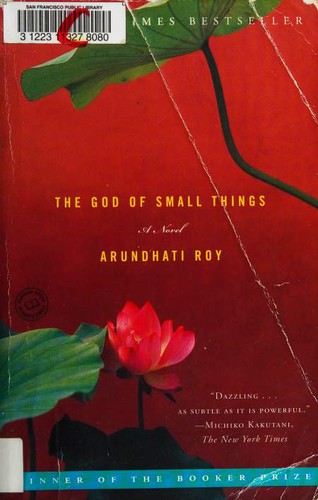
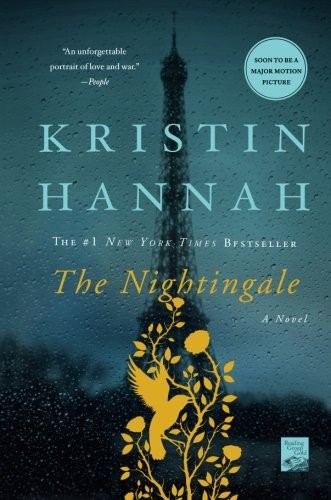
The God of Small ThingsArundhati RoyA family in Kerala destroyed by caste and love — Roy writes the specific damage that social structures inflict on individual people with the same directness as Hosseini, and the love at the centre of the novel makes the damage it sustains more devastating than any purely political account could be. The NightingaleKristin HannahTwo sisters under impossible pressure making choices that define them — Hannah’s emotional directness matches Hosseini’s, and the novel’s concern with courage, sacrifice, and what love requires of people in extreme conditions gives it the same quality of earned feeling that distinguishes The Kite Runner from less ambitious popular fiction. Books about guilt and the possibility of repair
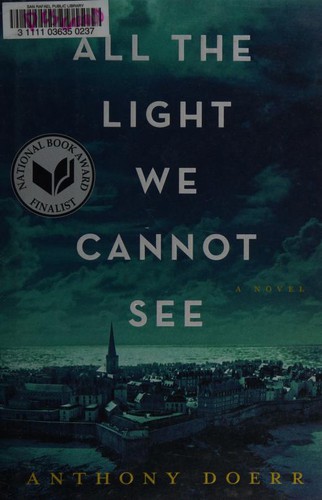
Crime and PunishmentFyodor DostoevskyThe most psychologically complete account of guilt and its aftermath in literary fiction — Dostoevsky traces Raskolnikov’s attempt to outthink his conscience with the same granularity Hosseini brings to Amir’s attempt to atone. The scale is different but the interior architecture is directly comparable. All the Light We Cannot SeeAnthony DoerrTwo young people on opposite sides of the Second World War moving toward each other through occupied France — Doerr shares Hosseini’s quality of making individual people feel enormously important within historical forces that should dwarf them, and the emotional weight of the novel’s final convergence is comparable to The Kite Runner’s second half. Who this is for
This list is for readers who responded to The Kite Runner’s emotional directness and its specific concern with guilt, friendship, and redemption — not just readers who want more fiction set in the Middle East or Central Asia. Start with A Thousand Splendid Suns for the most direct continuation. Atonement for the same structural question about repair. Pachinko for the same combination of personal stakes and historical weight. Browse literary fiction and historical fiction for more.
Frequently asked questions
Q: What should I read after The Kite Runner?
A: A Thousand Splendid Suns by Khaled Hosseini is the most direct next step — same author, same emotional directness, same Afghanistan. Atonement by Ian McEwan asks the identical structural question about whether the damage done by a single act can ever be repaired.
Q: Are there books with the same emotional impact as The Kite Runner?
A: The Nightingale by Kristin Hannah matches the emotional directness and the concern with what love requires under impossible conditions. All the Light We Cannot See produces a comparable emotional weight through the convergence of two lives across the same kind of historical catastrophe Hosseini uses as his backdrop.
Q: What books deal with guilt and redemption like The Kite Runner?
A: Atonement by Ian McEwan is the most structurally precise equivalent. Crime and Punishment by Dostoevsky is the most psychologically complete account of the same interior process. The Kite Runner and Crime and Punishment both trace the specific experience of trying to outthink a guilt that cannot be reasoned away.
Q: Is The Kite Runner suitable for book clubs?
A: Yes — the central ethical question (what Amir does and whether what he does in the second half of the novel is sufficient) generates genuine disagreement rather than comfortable consensus, which is what makes a book club book worth having. A Thousand Splendid Suns, Atonement, and All the Light We Cannot See generate the same quality of discussion.
Not sure which of these is right for you specifically? The Pagesmith quiz matches you to books based on your mood, pacing preference, and reading goals — not bestseller lists. Takes two minutes.