8 Essential Books About War You Need to Read
The best books about war are not about battle. They are about what war does to the people inside it -- how it reorganises identity, destroys relationships, and leaves marks that outlast the conflict by decades.
May 2026 · 5 min read · The Pagesmith
The best books about war share a quality that separates them from military history and action fiction: they are interested in what war does to people rather than what people do in war. A book that tracks troop movements gives you information. A book that renders what it feels like to be inside an artillery barrage, to watch someone die beside you, to return home to a world that has moved on — that gives you something closer to understanding. The eight books below were chosen for that quality.
The essential memoirs: war as testimony
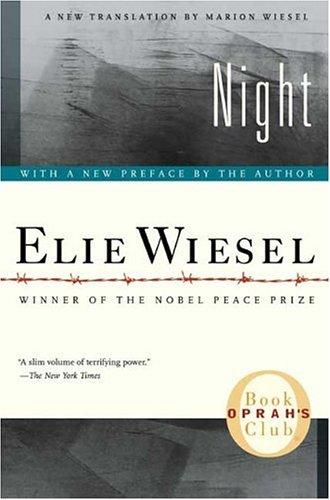
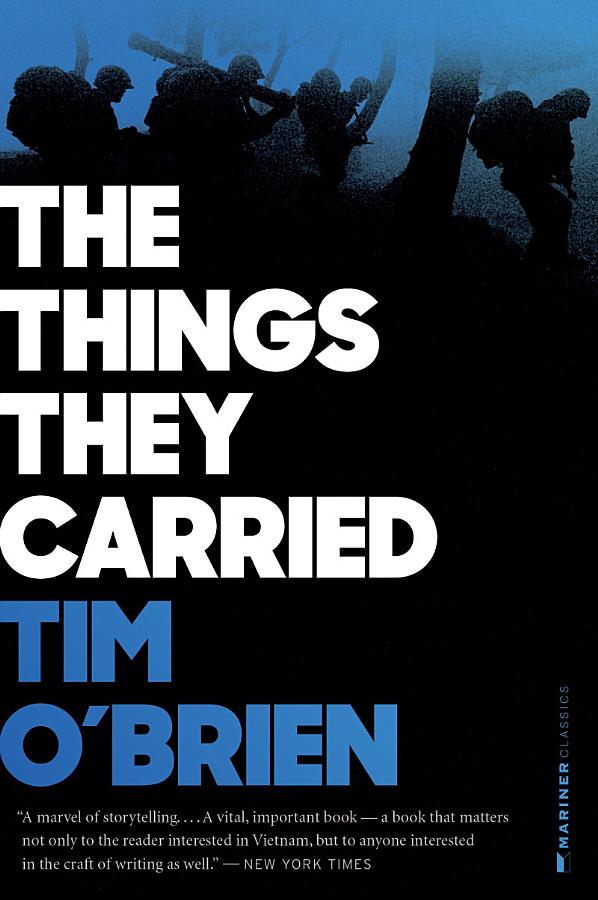
NightElie WieselThe essential Holocaust document — written with a restraint that makes the horror more present rather than less. Wiesel’s account is not history; it is testimony, and the difference is everything. Short enough to read in an afternoon and impossible to forget. The Things They CarriedTim O’BrienO’Brien’s interlinked Vietnam stories deliberately blur memoir and fiction to argue that the emotional truth of experience matters more than factual accuracy. The title story alone contains more about what war does to a person than most novels manage in full. The best books about war are not about battle. They are about what war does to the people inside it — how it reorganises identity, destroys relationships, and leaves marks that outlast the conflict by decades.
Fiction that renders the interior of war
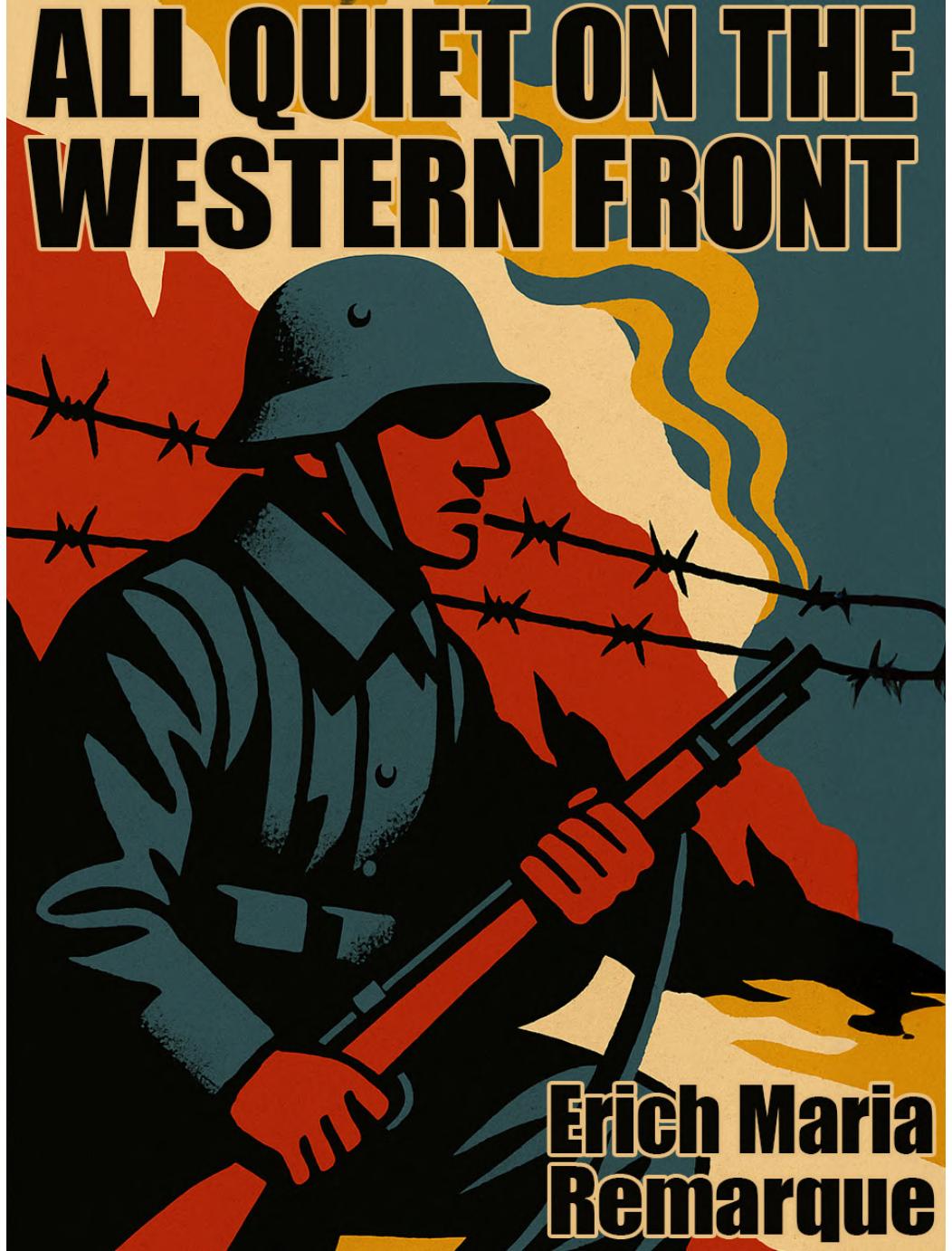
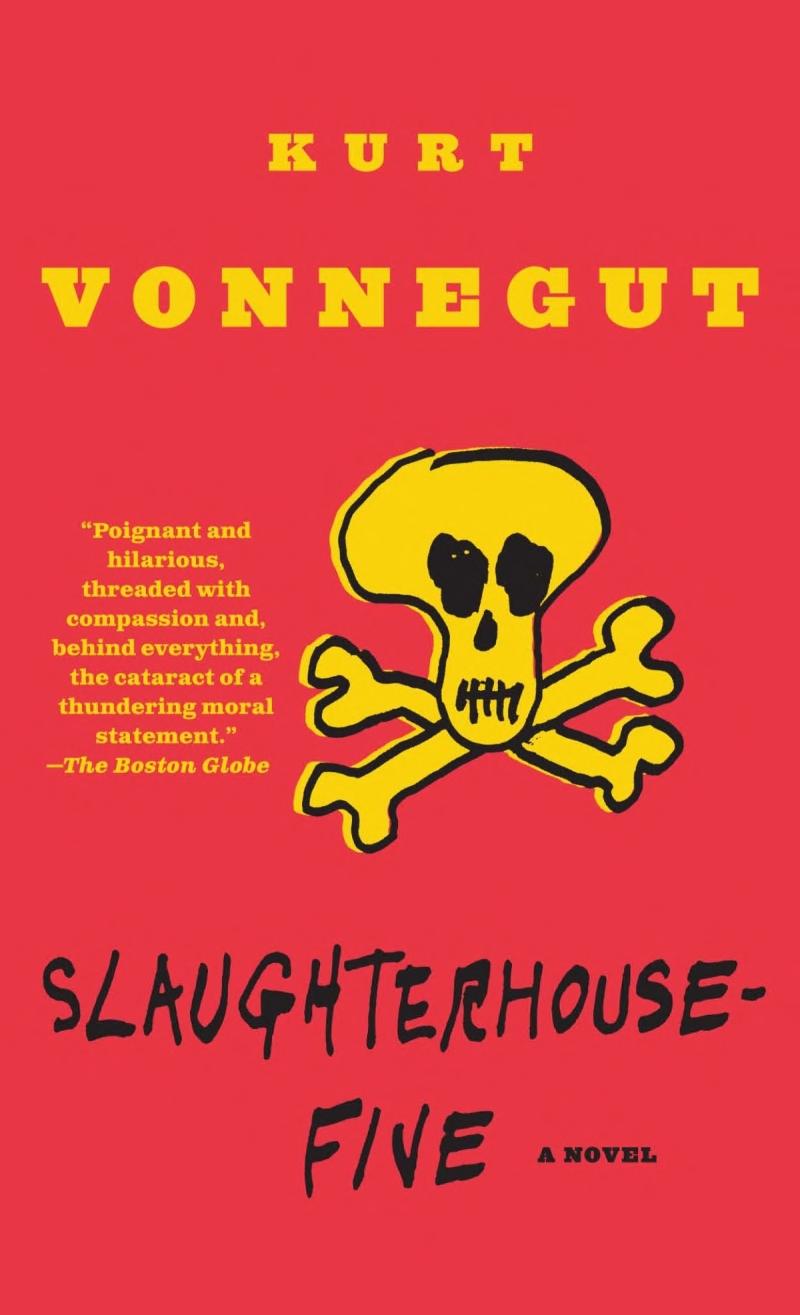
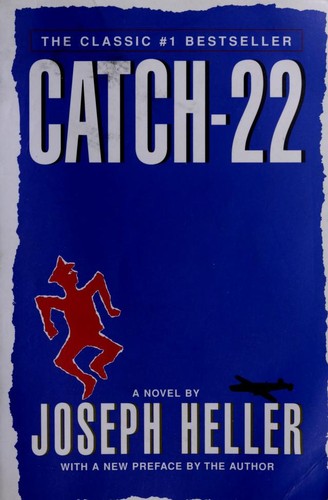
All Quiet on the Western FrontErich Maria RemarqueA young German soldier describing the First World War from the inside — not as heroism but as the systematic destruction of everything that makes a person human. Remarque writes combat without glory or consolation, and the result remains the most powerful anti-war novel ever written. Slaughterhouse-FiveKurt VonnegutVonnegut needed time travel and alien abduction to write about the firebombing of Dresden — the science fiction frame was the only form that could produce the specific register of absurdity and grief simultaneously that the subject required. The most formally inventive war novel in the catalogue. Catch-22Joseph HellerA bombardier trying to be declared insane to avoid flying more missions — Heller uses satire to expose the institutional logic of war as the most accurate way to render something that straightforward realism would domesticate into acceptability. The funniest and most damning book about military institutions ever written. War’s aftermath and long shadow
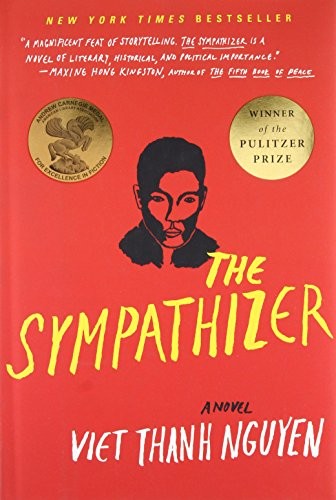
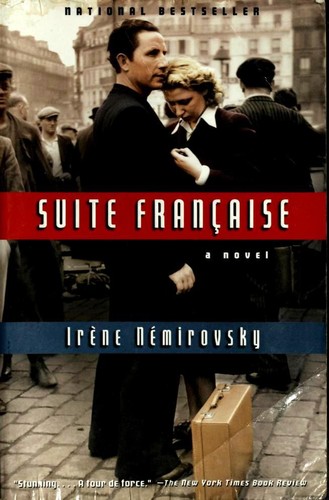
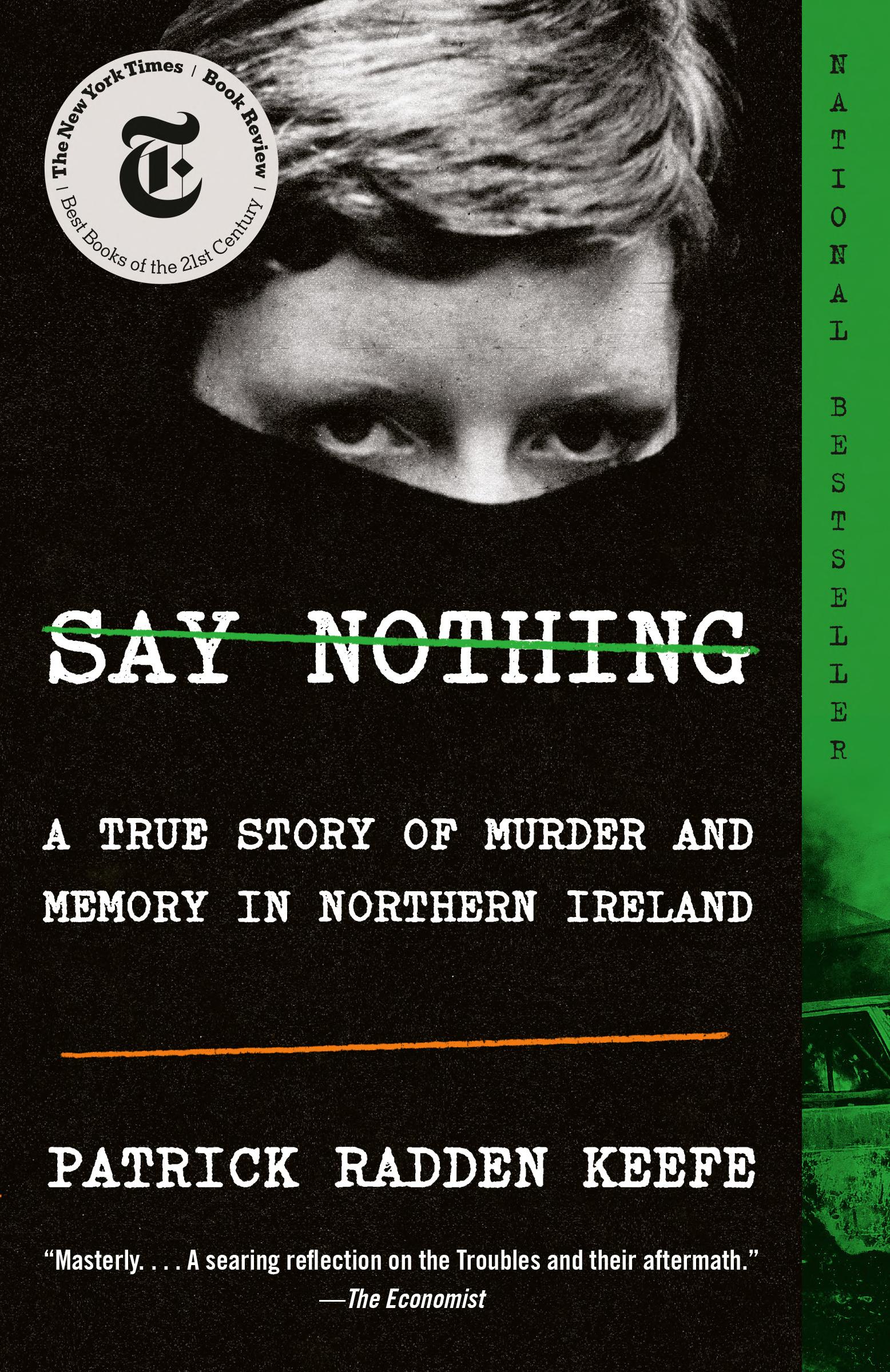
The SympathizerViet Thanh NguyenA communist spy who flees South Vietnam after the fall of Saigon — Nguyen’s Pulitzer winner is about what survives the war: divided loyalties, unresolvable identities, and the exhaustion of being a man who can see every side of a conflict that required everyone to choose one. Suite FrancaiseIrene NemirovskyTwo novellas about France under Nazi occupation, written while Nemirovsky was in hiding before she was deported and killed. The manuscript was not published for sixty years, and reading it carries the double weight of the story it tells and the story of its own survival. Say NothingPatrick Radden KeefeThe Troubles in Northern Ireland told through one disappearance and the lives of the people connected to it — Keefe’s account of political violence refuses to make its subjects simply monstrous, which makes it more disturbing than any conventional war account and more honest about what people become inside a conflict. Who this is for
This list is for readers who want books that render the experience of war from the inside — that make the human cost feel specific rather than statistical. Start with Night or All Quiet on the Western Front for the most direct and concentrated. The Things They Carried for the most formally inventive. Catch-22 for the most darkly funny. Browse historical fiction and nonfiction for more.
Frequently asked questions
Q: What are the best novels about war?
A: All Quiet on the Western Front is the critical consensus for the most powerful anti-war novel. The Things They Carried is the most formally innovative. Catch-22 is the most darkly comic. Slaughterhouse-Five is the most formally inventive. All four are essential.
Q: What war memoirs are worth reading?
A: Night by Elie Wiesel is the most important. Say Nothing by Patrick Radden Keefe is the best account of political violence in a democratic context. The Things They Carried blurs memoir and fiction deliberately.
Q: What books about war are not depressing?
A: Catch-22 is genuinely funny despite its subject. Slaughterhouse-Five has absurdist humour coexisting with horror. The Nightingale by Kristin Hannah is devastating but arrives at something warmer than pure despair.
Q: What short books about war are worth reading?
A: Night at around 120 pages. When the Emperor Was Divine at around 150 pages. All Quiet on the Western Front at around 200 pages. All three render the experience of conflict with the efficiency that longer books often fail to achieve.
Not sure which of these is right for you specifically? The Pagesmith quiz matches you to books based on your mood, pacing preference, and reading goals — not bestseller lists. Takes two minutes.