The objection to classic literature almost always has the same root: a book assigned in school that felt like work, presented as culturally important rather than as something worth reading for its own sake, and discussed in ways that removed the pleasure from it. The books below were chosen specifically to disprove that objection — classics that read with the pace, character, and emotional engagement of the best contemporary fiction, that ask very little prior knowledge to enjoy, and that justify their canonical status by being genuinely excellent rather than merely significant.
Classics that read as fast as contemporary thrillers
These books were included in the canon because they are good, not because they are important — and the quality that made them canonical is the same quality that makes them impossible to put down today.
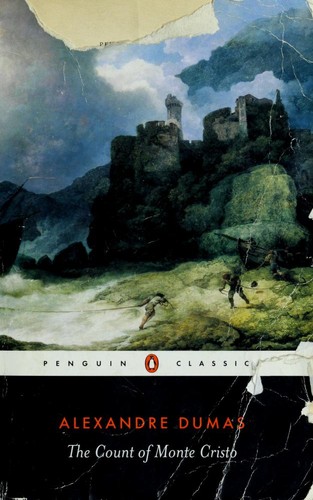
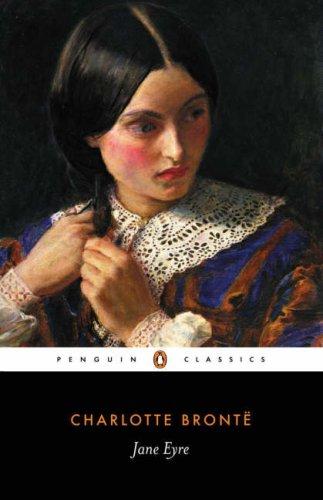
Most people who say they don’t like classics have read the wrong ones — assigned at school, presented as important rather than pleasurable. These are the ones that disprove the objection by being genuinely impossible to put down.
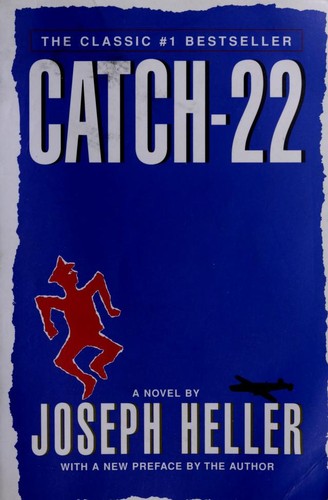
Classics that are also genuinely funny
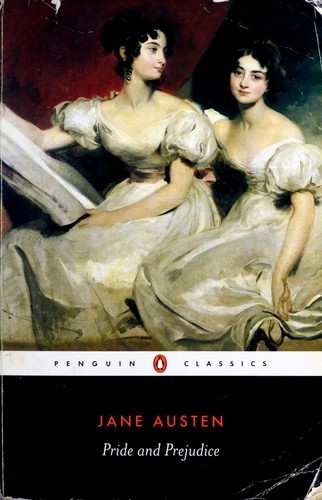
Classics that are short enough to finish without commitment
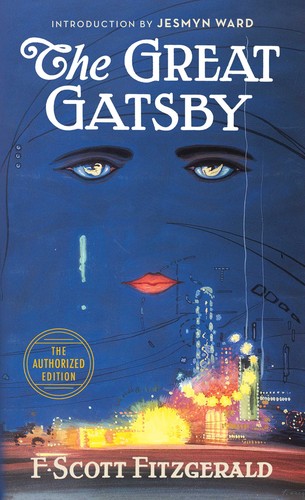
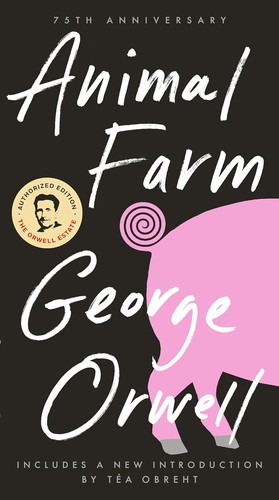
The classic that reads most like contemporary literary fiction
Who this is for
This list is for readers who were put off by required reading in school and have not revisited classic literature since. Start with Animal Farm or The Great Gatsby if you want something short. Pride and Prejudice or Jane Eyre if you want something longer that reads like a contemporary romance. The Count of Monte Cristo if you want the most purely pleasurable long classic. Browse literary fiction for more.
Frequently asked questions
Q: What classic books are actually enjoyable to read? A: The Count of Monte Cristo by Dumas, Jane Eyre by Charlotte Bronte, and Pride and Prejudice by Austen were popular fiction in their time and remain genuinely propulsive. Catch-22 is the funniest. The Great Gatsby is the most beautiful. Animal Farm is the most efficient. All six are worth reading for enjoyment rather than duty.
Q: What classic should I read first if I don’t usually read them? A: Animal Farm at 112 pages is the least intimidating starting point — short, fast, and brilliantly constructed. Pride and Prejudice is the best if you want a full novel with romantic tension. The Great Gatsby is the best if you want prose beauty in a manageable length.
Q: Why are classics considered important? A: Because they did something new — introduced ideas, techniques, or possibilities that every subsequent writer in their tradition had to reckon with. Animal Farm invented a certain kind of political allegory. Austen invented the romantic comedy as a vehicle for social analysis. The classics on this list are canonical not because they were assigned in school but because readers have kept returning to them for decades or centuries.
Q: Are classic books harder to read than modern books? A: Some are, most are not. The language in Austen and Dickens is slightly formal by contemporary standards but not difficult. Dumas, Hemingway, and Orwell are as immediately readable as anything published today. The difficulty that school introduced was not in the books but in the context — being required to have opinions about significance rather than allowed to simply read.
Not sure which of these is right for you specifically? The Pagesmith quiz matches you to books based on your mood, pacing preference, and reading goals — not bestseller lists. Takes two minutes.