Best Books About Fathers and Sons That Tell the Truth
Father-son fiction is almost always about inheritance -- not money but identity, damage, and expectation. These books take seriously the question of what a son is supposed to do with a father who was both formative and insufficient.
May 2026 · 7 min read · The Pagesmith
Father-son fiction has a sentimentality problem. The reconciliation narrative — estranged father and son find their way back to each other before it is too late — is so dominant that it has become a template, and the template produces books that feel like they are about the idea of the relationship rather than its actual texture. The books here resist the template. Some of them involve reconciliation, but the reconciliation costs something real. Some of them do not involve reconciliation at all, and are more honest for it. What they share is an attention to the specific mechanisms of the father-son relationship: how identity is transmitted and distorted across the generational gap, how admiration and resentment coexist in the same consciousness, and how a father’s insufficiency and a father’s formative power can both be true simultaneously.
Why the Father-Son Relationship Produces Such Distinctive Fiction
The father-son relationship generates a specific narrative tension that the parent-child relationship more generally does not: the son is expected to become something — to carry the father forward, to exceed him, to redeem or to repudiate him — in ways that daughters have historically been spared and that the relationship between mothers and children distributes differently. That expectation creates the pressure that the best father-son fiction renders. John Steinbeck’s Adam Trask and his sons in East of Eden, McCarthy’s unnamed father driving a shopping cart through the ash, Franzen’s adult sons arranging themselves around their deteriorating father — all of these are about the weight of expectation and inheritance, what it produces, and what it costs.
The most honest father-son fiction does not resolve the relationship. It holds the father’s formative power and his insufficiency in the same frame simultaneously, without allowing either to cancel the other out.
The Books
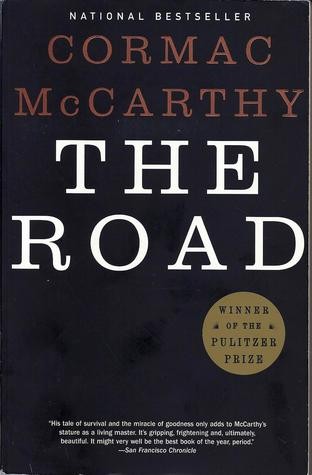
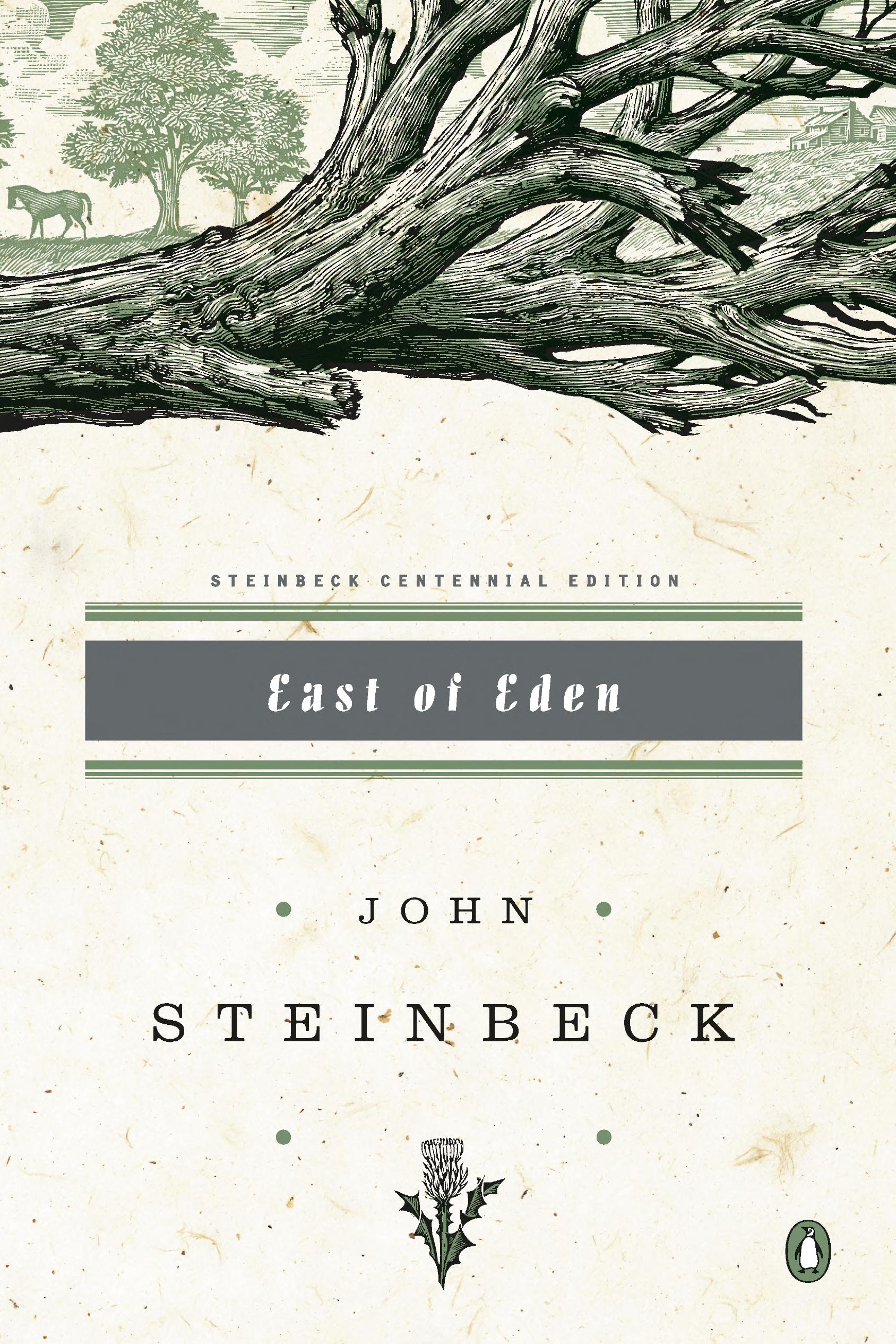
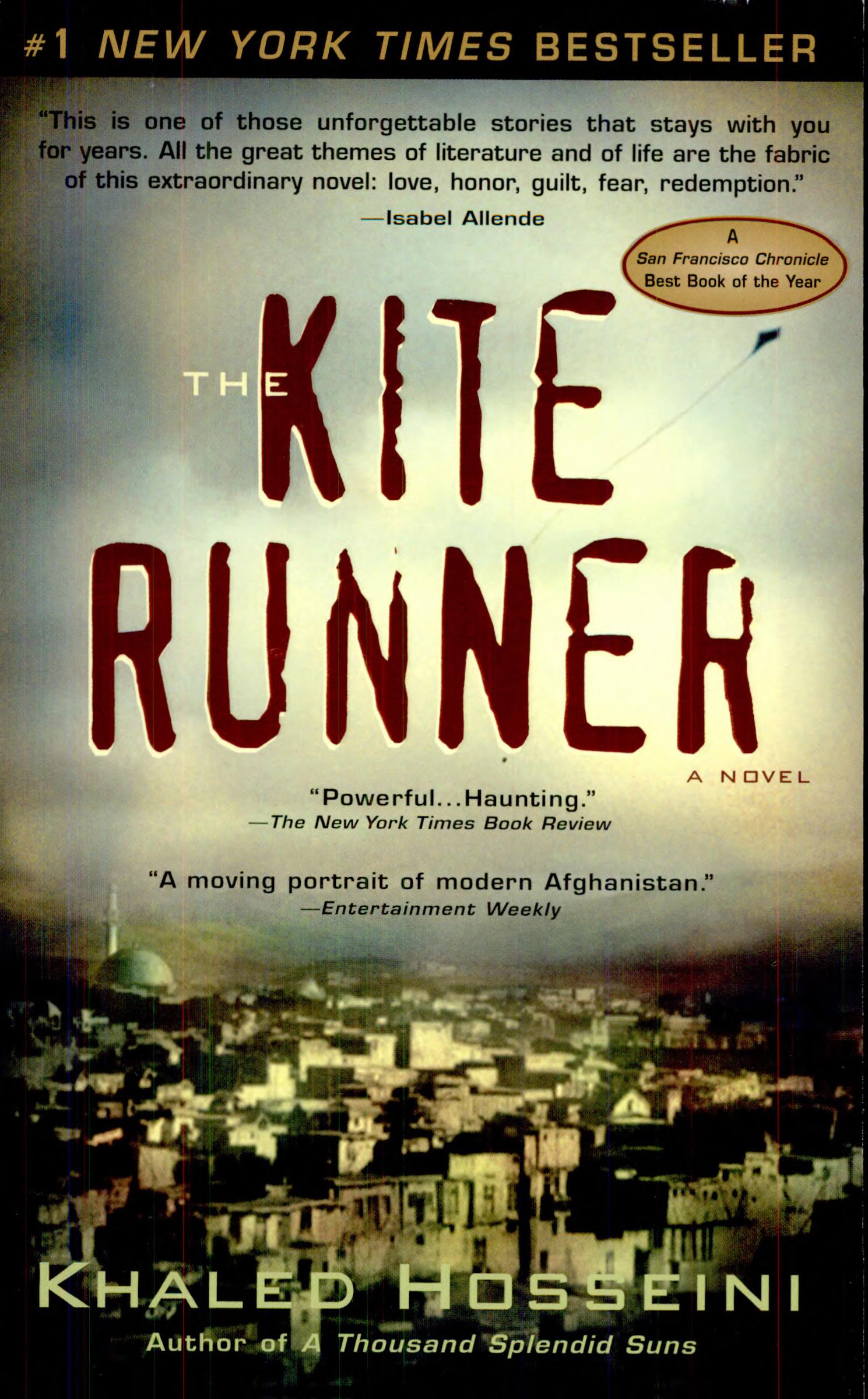
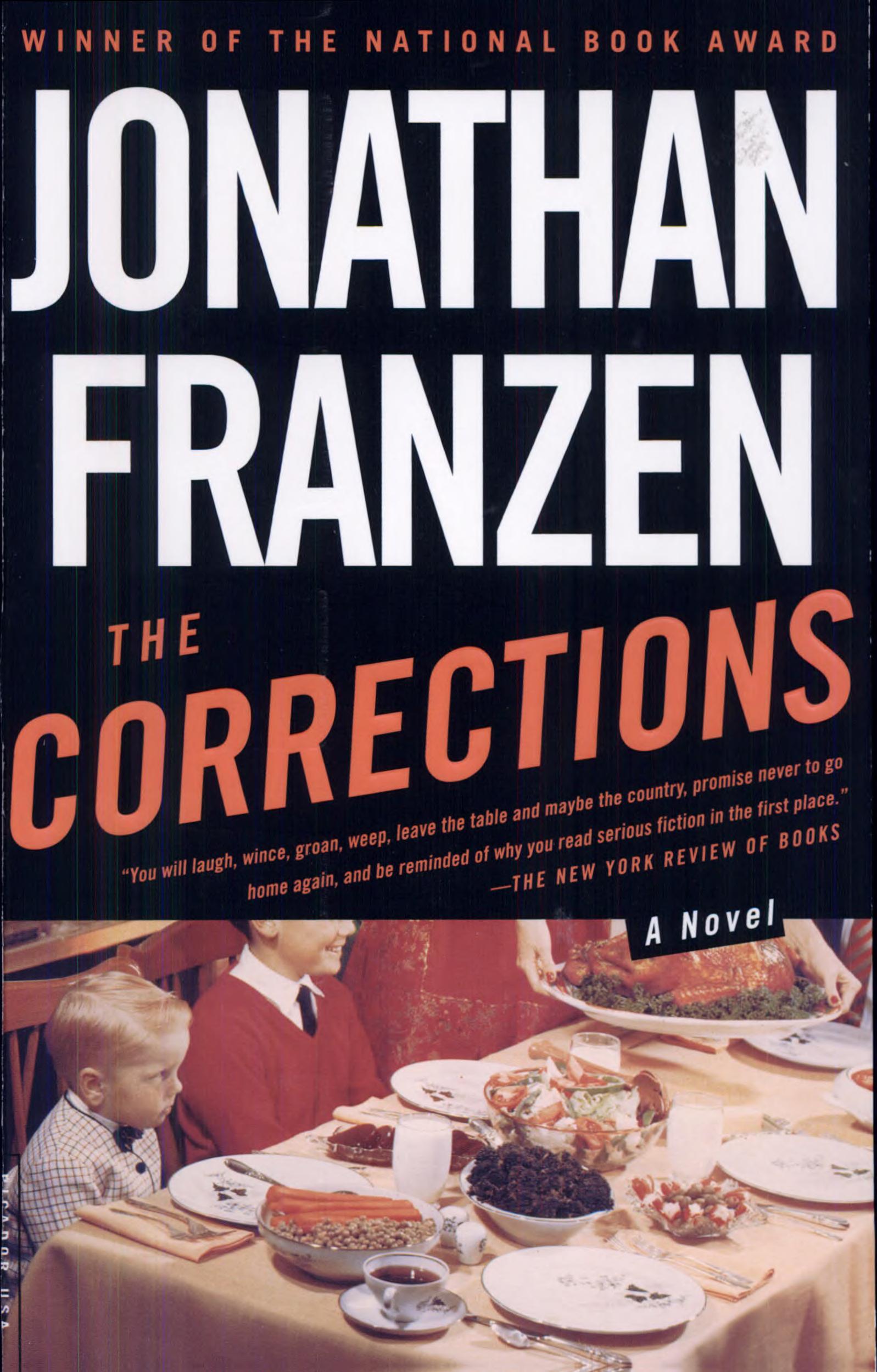
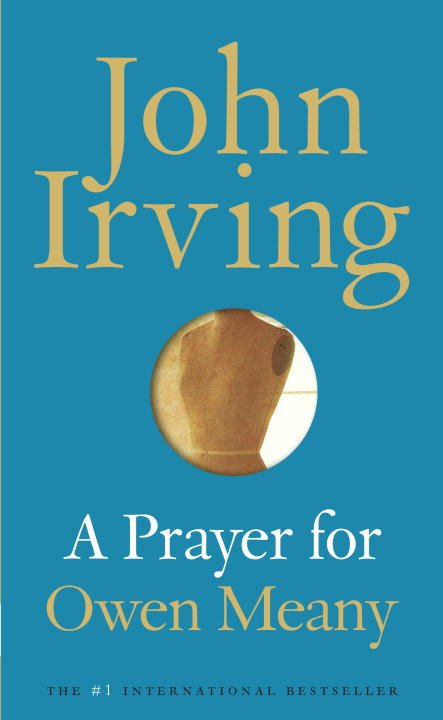
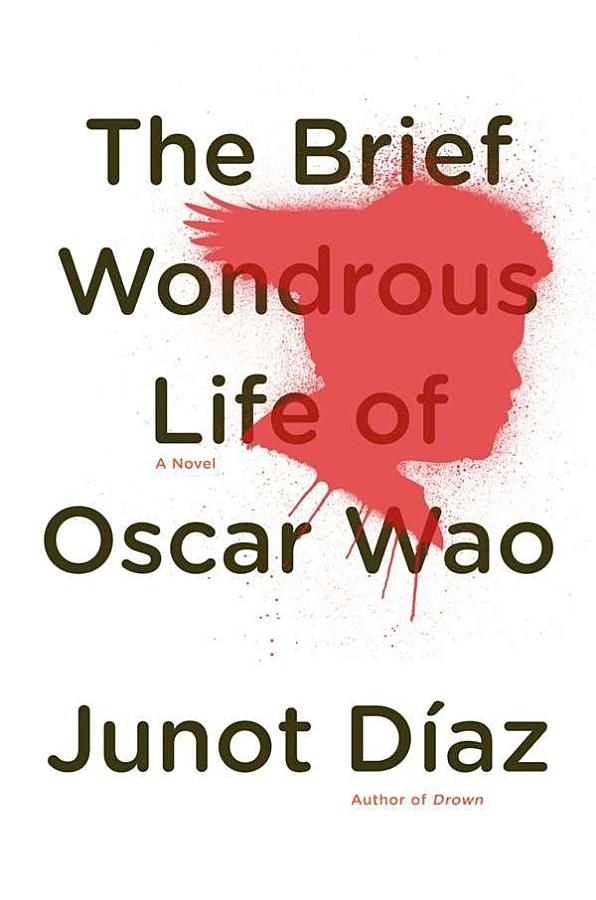
The RoadCormac McCarthyThe most extreme version of the father-son relationship in American fiction, stripped of every social mediation until nothing remains except the relationship itself. The man and the boy have no names, no history visible to the reader, no future legible from within the novel — just the man’s absolute commitment to keeping the boy alive and the boy’s gradual understanding that his father is human and therefore finite. McCarthy uses the post-apocalyptic setting not for genre purposes but to ask what a father owes a son when civilization has failed: not success or status or opportunity, but the transmission of a moral position, the demonstration that goodness is still possible in a world that has abandoned it. The novel’s final pages are the most quietly devastating on this list. East of EdenJohn SteinbeckSteinbeck’s most ambitious novel uses the Cain and Abel myth to examine the father-son relationship across two generations of the Trask family in California’s Salinas Valley. Adam Trask is one of fiction’s great portraits of a father who loves his sons and fails them comprehensively, not from malice but from the specific blind spots that his own history has created. The novel’s argument — expressed through Lee’s analysis of the Hebrew word timshel, “thou mayest” — is ultimately about whether the son is fated to repeat the father or whether choice is genuinely available. The longest and most novelistically ambitious book on this list, and the one that takes the question of paternal inheritance most seriously. The Kite RunnerKhaled HosseiniHosseini’s novel operates simultaneously on both sides of the father-son relationship: Amir’s desire to earn his father Baba’s approval and the way that desire produces his worst act, and then the revelation about Baba that reframes the whole novel’s argument about moral inheritance. The kite tournament that opens the novel and the one that concludes it are linked by Amir’s attempt to do what his father’s legacy both enabled and prevented him from doing the first time. Afghanistan before and after the Soviet invasion provides the historical context, but the novel’s emotional engine is the specific weight of a son who has disappointed a great man and cannot undo it — which is to say, the most common father-son story, told with unusual emotional precision. The CorrectionsJonathan FranzenFranzen approaches the father-son relationship from the sons’ perspective, which is the more uncomfortable angle: three adult children who have spent their lives in relation to Alfred Lambert now watching that relation dissolve as his Parkinson’s disease takes him. The corrections of the title are the adjustments each child is being forced to make as the father’s authority — which the novel establishes in devastating detail — gives way. Gary, Chip, and Denise’s different responses to Alfred’s deterioration are perfectly differentiated character studies, and the novel’s central argument is that the father’s power is not diminished but transformed by his decline, because the people shaped by it are still carrying it. The most sociologically precise father-son novel on this list. A Prayer for Owen MeanyJohn IrvingIrving’s novel inverts the standard father-son structure by making the absence of the biological father the mystery at the novel’s center, and by substituting a spiritual father figure — Owen Meany himself, who is absolutely certain of his destiny — for the missing one. John Wheelwright’s decades-long search for his father is also a search for the meaning of his friendship with Owen, and the novel’s ultimate argument is that the formative relationship is not always the biological one. The treatment of faith, fate, and what it means to be chosen for something you did not ask for gives the father-son theme its widest extension on this list. Irving’s most beloved novel and his most formally ambitious. The Brief Wondrous Life of Oscar WaoJunot DiazDiaz’s novel extends the father-son relationship backward through the fuku — the curse that has followed the de Leon family from the Dominican Republic — to examine how paternal damage is transmitted across generations and across an ocean. Oscar’s father is barely present in the novel, but his absence is determined by a whole history of male failure and political violence that the novel traces back to Trujillo’s regime. What Oscar inherits is not so much a specific father’s damage as a culture of masculinity that was itself deformed by dictatorship, and his gentle, bookish refusal of that inheritance is what makes him both an outcast and, in Diaz’s argument, the family’s best hope. The most politically ambitious father-son novel on this list, and the funniest. Who This Is For
Readers who want fiction that takes the father-son relationship seriously as a subject rather than as a vehicle for other plots — who are tired of the reconciliation template and want books that honor the full complexity of the relationship, including its unresolvable dimensions. Also readers who are navigating their own father-son relationships and want fiction that gets the specific textures right. The literary fiction catalogue has more in this territory.
Frequently Asked Questions
Q: What is the best novel about fathers and sons?
A: East of Eden makes the most ambitious argument about paternal inheritance and the possibility of escaping it. The Road is the most emotionally concentrated. No single answer is correct; they are asking different versions of the same question.
Q: Are there good books about fathers and daughters on this list?
A: The Corrections includes Denise Lambert alongside her brothers, and her relationship with Alfred is as precisely rendered as her brothers’. For fiction specifically about fathers and daughters, King Lear is the necessary starting point, and contemporary equivalents include Prep by Curtis Sittenfeld and My Year of Rest and Relaxation by Ottessa Moshfegh, both of which are in the catalogue.
Q: What should I read after The Road if I want more Cormac McCarthy?
A: No Country for Old Men is the fastest and most thriller-adjacent of his novels. Blood Meridian is his most ambitious and most demanding. Both share The Road’s interest in masculine codes of violence and survival, without the father-son relationship as the primary emotional engine.
Q: Why is The Brief Wondrous Life of Oscar Wao on a fathers-and-sons list?
A: The biological father is largely absent, but the novel is entirely about paternal inheritance: the fuku that has followed the family through generations, the culture of masculinity that Dominican dictatorship produced and that Oscar’s father carried to New Jersey, and Oscar’s refusal of that inheritance. Fathers-and-sons fiction is always about what is transmitted across the generational gap; Oscar Wao is one of the most sophisticated treatments of that transmission, precisely because the transmitting father is mostly offstage.
Not sure which of these is right for you specifically? The Pagesmith quiz matches you to books based on your mood, pacing preference, and reading goals, not bestseller lists. Takes two minutes.