Best Books About Memory That Treat It as Unreliable
Memory in the best fiction is not a storage system but a construction -- unreliable, selective, shaped by what the rememberer needs it to have been. These books make that unreliability their formal and thematic subject, not just a narrative device.
May 2026 · 8 min read · The Pagesmith
Most fiction about memory uses it as a plot device: the protagonist remembers something crucial that changes the story. The books here are doing something more structurally ambitious. They treat memory as a subject — not what is remembered but how memory works, what it distorts, what it protects against, and why the past that a person carries is almost never the past that actually happened. Kazuo Ishiguro has made this question the organizing principle of his career; Morrison rendered it as a physical haunting; Sebald built entire novels out of the archaeology of what memory refuses to preserve. The books here share that formal seriousness about memory as a construction: they understand that the gap between what occurred and what a consciousness retains and reconstructs is not an error to be corrected but the most interesting thing about how people live with their histories.
What Serious Fiction About Memory Is Actually About
The casual use of memory in fiction — flashbacks, revelatory moments, the recovered past — implies that memory is essentially accurate when accessed correctly. The best fiction about memory argues the opposite: that what we remember is a negotiation between what happened and what we can bear to have happened, and that the negotiation is often unconscious. Stevens in The Remains of the Day does not suppress his memories of Kenton deliberately; he constructs a version of his career that makes his choices legible as dignity rather than cowardice, and the construction operates below the level of his awareness. That is what memory actually does, and fiction that renders it honestly has to render the distortion rather than the underlying truth.
The past in the best memory fiction is not a record waiting to be accurately retrieved. It is a living document that the present keeps revising, and the revisions are as revealing as whatever originally happened.
The Books
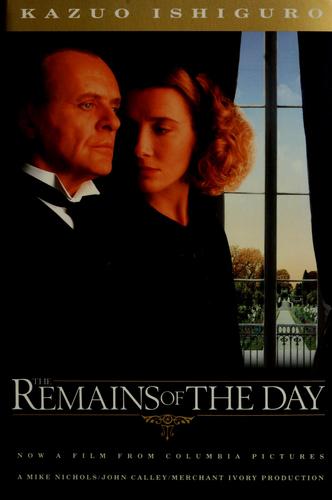
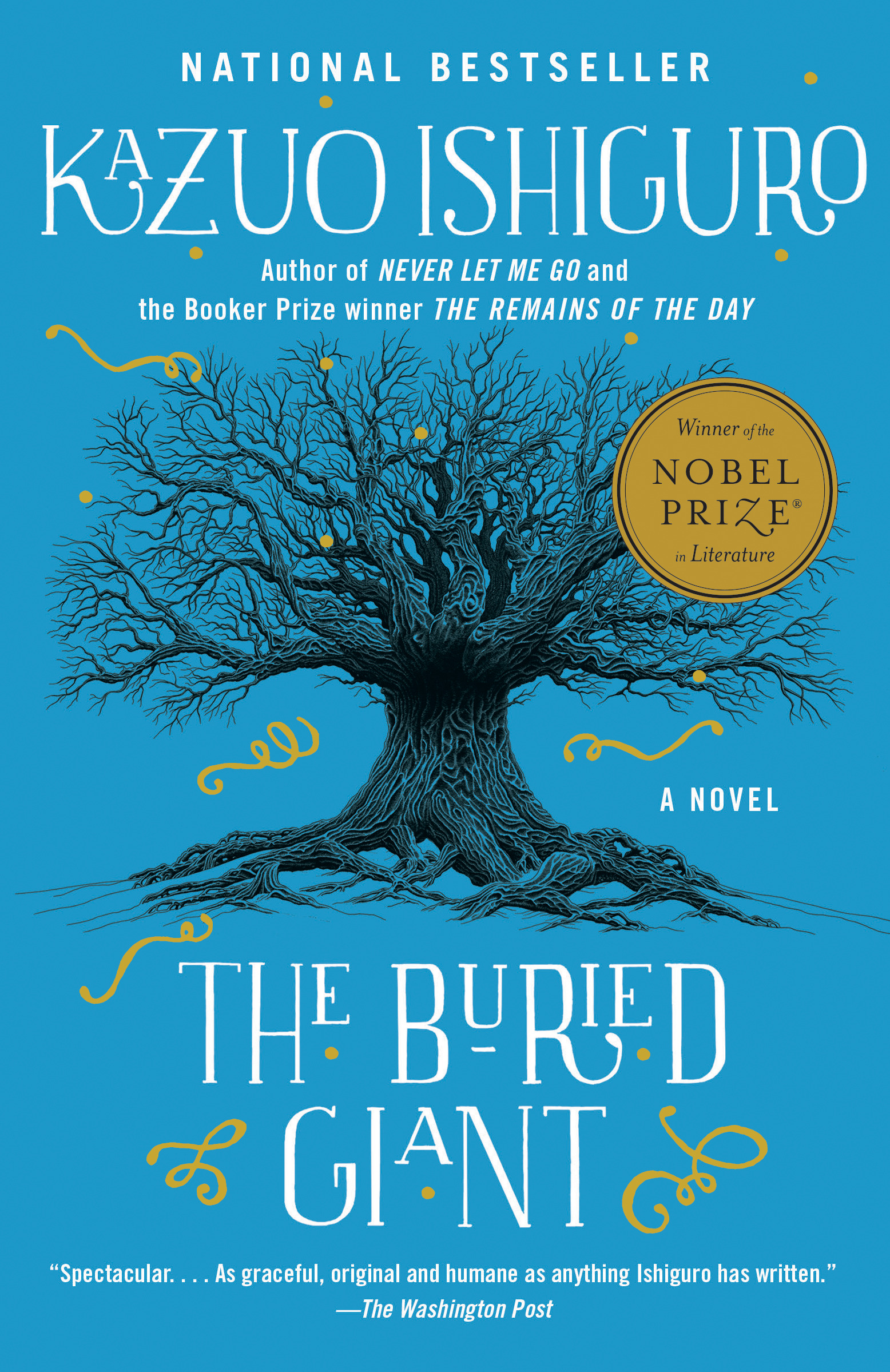
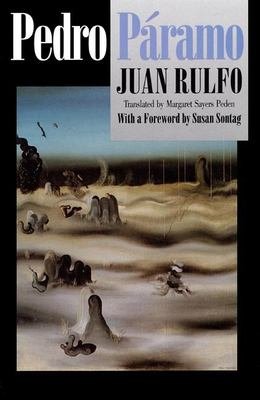
The Remains of the DayKazuo IshiguroThe most formally precise memory novel in English: a narrator who is reviewing his career while driving across England, whose memory operates as an active construction rather than a passive retrieval. Stevens does not lie about what he remembers; he selects, interprets, and frames in ways that protect a self-image he cannot afford to examine directly. The reader perceives the gap between Stevens’s account and the truth it is concealing long before Stevens approaches that understanding himself, and Ishiguro times the approach and retreat with the precision of a surgical procedure. The novel’s devastating quality is cumulative rather than located in any single scene. BelovedToni MorrisonMorrison renders traumatic memory as a physical haunting, which is the most formally honest approach available for the specific phenomenon she is describing: a past so overwhelming that it cannot be processed into the sequential narrative that ordinary memory produces. Sethe’s history does not arrive as recollection; it arrives in fragments, in approaches that pull back before completing, in the bodily symptoms of something the mind has not yet found language for. The ghost of Beloved literalizes this: the past returns not as memory but as presence, demanding acknowledgment that the conscious mind has been refusing. The most formally ambitious account of how trauma works available in fiction. The Buried GiantKazuo IshiguroIshiguro’s most formally explicit memory novel, set in post-Arthurian Britain where a mist has caused everyone to forget recent events — including, it gradually emerges, a massacre that the peace between Britons and Saxons depends on remaining forgotten. The buried giant of the title is the collective memory that has been suppressed, and the novel asks directly whether it is better for some things to be remembered or whether some peace requires the maintenance of certain forgettings. Ishiguro extends the question of individual memory suppression from The Remains of the Day to the scale of collective historical memory, and the Arthurian setting is the formal distance that allows the argument to operate without the specificity that would make it too local. Everything Is IlluminatedJonathan Safran FoerFoer approaches the memory argument from the direction of its opposite: what happens when the memory was destroyed rather than suppressed. The village of Trachimbrod was not forgotten by its descendants; it was eliminated before it could be transmitted, and the novel is a reconstruction of what memory would contain if the event that destroyed it had not occurred. The magical-realist history Foer invents for Trachimbrod is memory as it should have been rather than memory as it was, and the gap between the invented version and the documented reality — the grandfather’s confession in the final section — is the novel’s most honest moment. A meditation on what communities lose when their capacity to transmit memory is destroyed by violence. Never Let Me GoKazuo IshiguroIshiguro’s third novel on this list shares The Remains of the Day’s method — a narrator reviewing the past while approaching a fate they cannot change — but uses science fiction architecture to make the memory argument more explicitly about how conditioned consciousness prevents access to its own situation. Kathy remembers Hailsham with the precision and affection of someone who does not fully understand what Hailsham was preparing her for, and the gap between her fond memories and the reader’s understanding of their significance is where the novel’s horror lives. Memory here is not suppressed but limited: the rememberer has access to what she observed, but the framework that would make it comprehensible was withheld. Pedro ParamoJuan RulfoRulfo’s novella is the most formally radical memory novel on this list: the village of Comala is populated entirely by the dead, still replaying the events of their lives in fragments that arrive in no particular order, without sequence, without the organizing principle that living consciousness imposes on experience. Memory here is what the dead cannot stop doing — not a deliberate act of retrieval but a compulsive repetition of what the consciousness cannot release. The effect is the most accurate formal rendering of how traumatic or obsessive memory actually operates: not as a story but as a loop, returning to the same events from different angles without being able to process them into narrative completion. The novel that Garcia Marquez called one of the two greatest in the Spanish language. Who This Is For
Readers interested in how fiction handles the question of consciousness and the past — who want novels that are formally engaged with memory as a subject rather than using it as a plot convenience. Also readers who found The Remains of the Day or Beloved extraordinary and want to understand the tradition of fiction that treats memory as a construction rather than a record. Three Ishiguro novels appear here, which is accurate: he has made this question his career. The literary fiction catalogue has more in this territory.
Frequently asked questions
Q: Why are there three Ishiguro novels on this list?
A: Because Kazuo Ishiguro has made the question of how memory constructs the self — how what we remember and what we cannot bear to remember shapes who we become — the organizing concern of his career. The Remains of the Day, Never Let Me Go, and The Buried Giant are three different formal approaches to the same question, and all three are essential for readers interested in this subject. No other living novelist has pursued the question with the same consistency and rigor.
Q: Is Beloved too difficult to read?
A: The formal difficulty is real and intentional. Morrison structures the novel so that the reader’s experience of assembling Sethe’s history from fragments mirrors Sethe’s own inability to process it sequentially. The novel does not become easier on rereading; it becomes richer, because the reader then understands what the earlier sections were circling around. The difficulty is the argument, not an obstacle to it.
Q: What makes Pedro Paramo so influential?
A: It invented — or at least first fully realized — the formal possibility of rendering consciousness and memory as non-linear, non-sequential, and non-clearly-alive, in ways that made One Hundred Years of Solitude and a generation of subsequent Latin American fiction possible. It is very short and extremely strange, and its influence on what is possible in fiction has been disproportionate to its length.
Q: What should I read after The Remains of the Day if I want more Ishiguro?
A: The Buried Giant is the most direct extension of The Remains of the Day’s memory argument, scaled up to a collective rather than an individual subject. Never Let Me Go applies the same method to a science fiction setting. Klara and the Sun uses a non-human narrator in a way that continues Ishiguro’s exploration of what a consciousness can and cannot access about its own situation.
Not sure which of these is right for you specifically? The Pagesmith quiz matches you to books based on your mood, pacing preference, and reading goals, not bestseller lists. Takes two minutes.