Best Travel Books That Go Beyond the Adventure
The best travel and exploration books use the journey not as adventure spectacle but as a device for revelation -- what the traveler discovers about human endurance, the physical world, or themselves is the point. These books earn their momentum through stakes that are real.
May 2026 · 8 min read · The Pagesmith
Travel writing has a quality problem. Most of it is organized around the experience of the traveler — the hotels, the food, the encounters with colorful locals — rather than around any discovery that the travel makes possible. The books here are a different category: they use physical journeys, whether across polar ice, up an 8,000-meter peak, or along 500 miles of English road, to access something about human endurance or purpose that could not be reached any other way. The journey is not the point in these books; it is the method. What gets revealed through it — about the limits of the body, the psychology of survival, the question of what keeps people moving when all reasonable motivation has been exhausted — is the actual subject. Several of them are among the most gripping nonfiction available in any genre, not because of their settings but because of what the settings make visible about the people inside them.
What Separates Serious Travel and Exploration Writing
The distinction between travel writing and exploration narrative is not quite the same as fiction versus nonfiction, though most of the books here are nonfiction. It is a distinction between journeys organized around the experience of novelty (new places, new foods, new customs) and journeys organized around a problem: survival, endurance, the question of what a person is made of when the conditions are extreme enough to strip everything else away. Ernest Shackleton’s crew in Antarctica were not tourists; they were people trying to stay alive, and the account of how they managed it produces a different kind of reading experience from any amount of beautiful description. The books here are all problem-organized: the problem is survival, or meaning, or the specific question of what you are willing to walk five hundred miles to find out.
The most revealing journeys in literature are not the ones that take you somewhere beautiful. They are the ones that take you somewhere that strips the traveler down to the question of what they actually are made of.
The Books
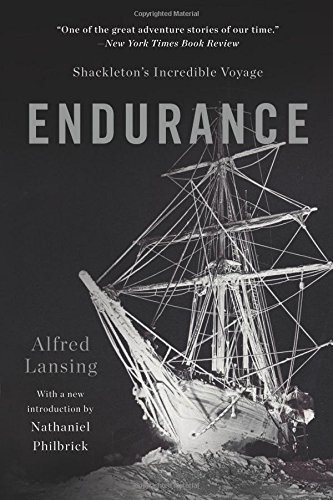
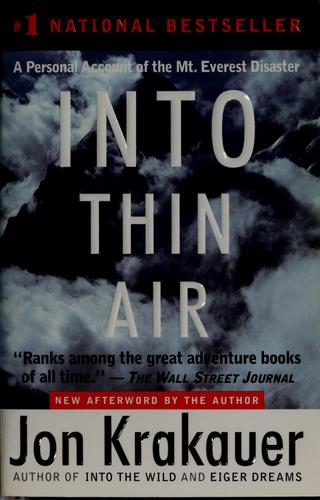
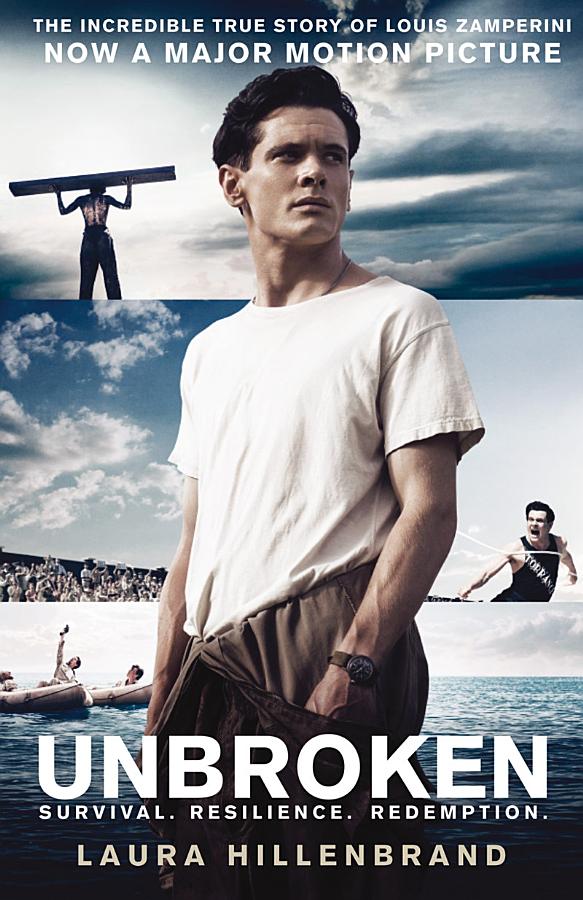
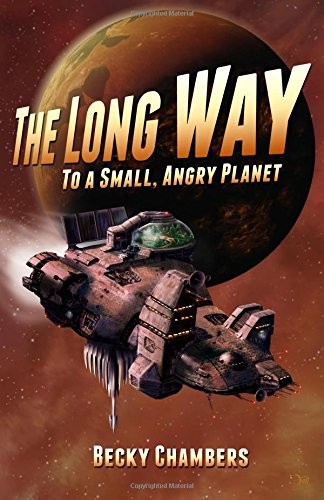
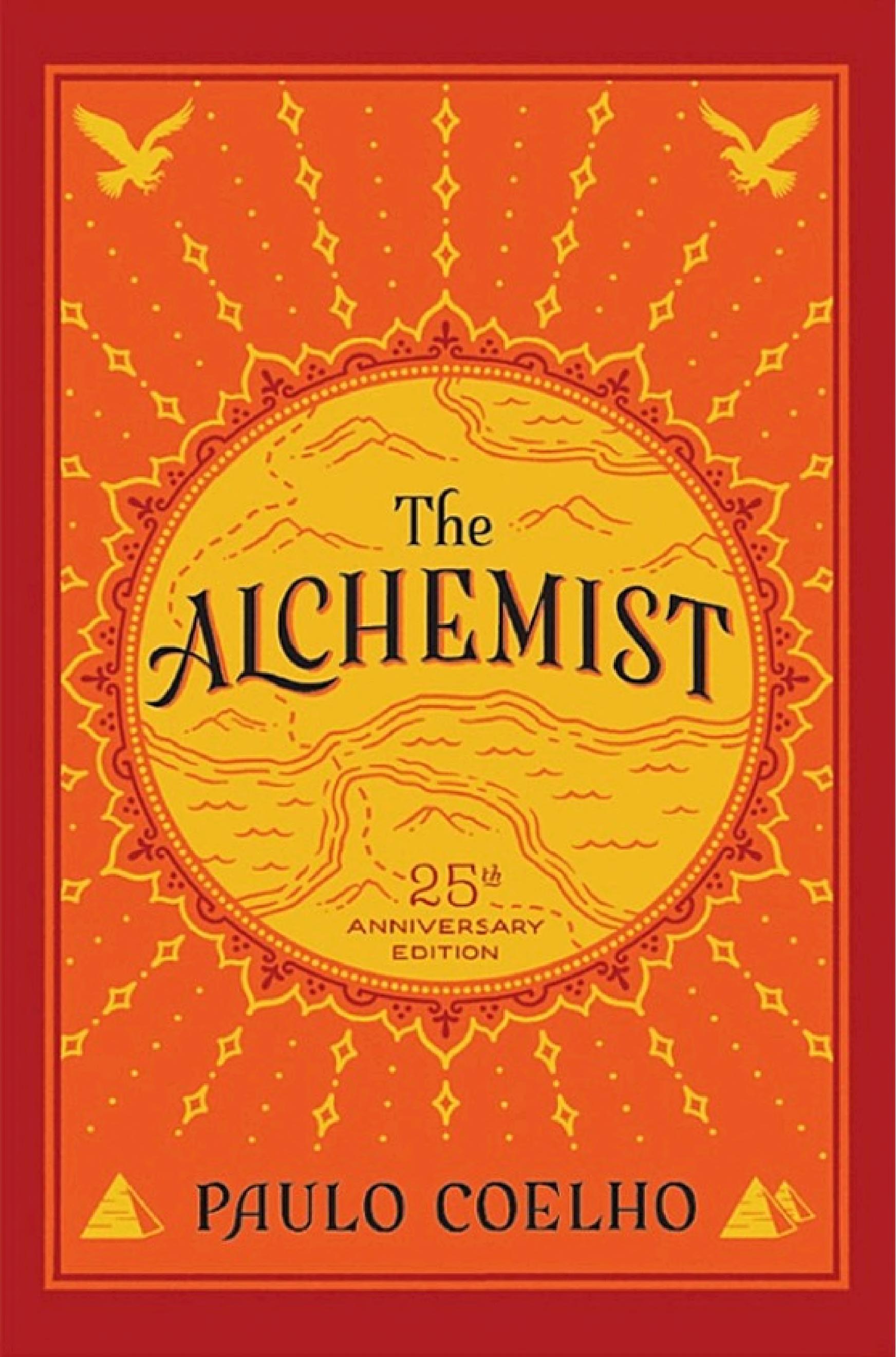
EnduranceAlfred LansingThe standard against which all subsequent survival narrative is measured, and the book that most clearly demonstrates what the exploration genre can achieve when the events themselves have novelistic architecture. Lansing reconstructed the twenty-two months of Shackleton’s trapped Antarctic expedition from diaries, letters, and interviews with survivors, and the result is a narrative that moves faster than most thrillers while carrying the authority of meticulous documentation. The specific achievement that distinguishes Endurance from comparable survival accounts is Lansing’s attention to the social dynamics of the crew: twenty-eight men maintaining morale across nearly two years of entrapment, in conditions that would have dissolved most institutional structures within weeks. Into Thin AirJon KrakauerKrakauer’s account of the 1996 Everest disaster is distinct from other survival narratives because the author is both witness and participant — he makes decisions on the mountain that he then has to live with, and the account is as honest about his own potential contributions to the death toll as it is about the structural failures of commercial mountaineering. This implication of the narrator is what gives Into Thin Air its specific quality: it is not the story of a disaster observed from safety but a moral reckoning from inside it. The Everest setting is rendered with physical specificity that makes the altitude and cold and hypoxia feel like conditions the reader is experiencing, not just reading about. UnbrokenLaura HillenbrandHillenbrand’s structural decision is the one that distinguishes Unbroken from standard survival narrative: she places the emotional climax after the war ends. The forty-seven days on a raft and the years in Japanese POW camps are harrowing, but Hillenbrand insists that what nearly destroyed Louie Zamperini was the aftermath — the nightmares, the alcohol, the hatred that survival had left undischarged. That decision gives the book a psychological depth that most survival accounts lack. The journey in Unbroken is not over when Zamperini reaches shore; it continues through the post-war years that most survival narratives treat as resolution, and the book is more complete for refusing that convention. The Unlikely Pilgrimage of Harold FryRachel JoyceThe fiction entry on this list and the one that most directly addresses the question all travel and exploration writing circles around: why does a person walk a great distance when they could simply mail a letter? Joyce treats Harold Fry’s 500-mile walk across England with the same seriousness that Lansing and Krakauer bring to extreme environments, which is the formal decision that makes the novel work. Harold is not in physical danger; the stakes are entirely emotional and psychological, and Joyce refuses to let that make them smaller. The journey reveals what Harold has been carrying for decades, which is the exploration narrative’s fundamental purpose applied to the most ordinary possible subject. The Long Way to a Small, Angry PlanetBecky ChambersThe science fiction entry and the one that demonstrates how completely the exploration genre’s concerns transfer to an invented setting. Chambers’ tunneling ship and its crew on a year-long journey through deep space is organized around the same questions as Lansing’s Antarctica: what holds a group of people together across months of confinement, what do individuals discover about themselves under sustained pressure, and what constitutes community when the group is all you have. Less interested in the dangers of space than in the social texture of the journey, which makes it closer to the best travel writing than to most science fiction — the destination is almost beside the point. The AlchemistPaulo CoelhoCoelho’s novel belongs on this list because it is one of the most honest accounts available of why people undertake long journeys at all: not for the destination but because the journey is itself the answer to a question that cannot be answered any other way. Santiago’s pilgrimage across the Sahara is both literal and philosophical, and Coelho makes no attempt to separate the two registers. The book’s reputation as inspirational fiction obscures how precisely it identifies the specific psychology of the traveler — the willingness to lose everything familiar in the belief that the unfamiliar will reveal something worth losing it for. For readers who want the philosophical dimension of exploration narrative made explicit rather than implied. Who This Is For
Readers who are drawn to accounts of people operating at or beyond their limits — physically, psychologically, or philosophically — and who want that subject handled with the seriousness it deserves rather than as entertainment. Also armchair travelers who want the texture of extreme environments without the nonfiction constraint: The Long Way to a Small, Angry Planet and The Unlikely Pilgrimage of Harold Fry both deliver the genre’s essential experience in invented settings. The nonfiction catalogue has more in this direction.
Frequently asked questions
Q: What is the best true survival story ever written?
A: Endurance by Alfred Lansing is the standard answer, and it has earned that status. The Shackleton expedition’s twenty-two months in Antarctica produced an account with the architecture of a great novel and the authority of documented fact. Into Thin Air is the best first-person survival account, because Krakauer’s implication in the events he describes gives it a moral dimension most survival narratives lack.
Q: Are travel books and exploration books the same genre?
A: They overlap but are distinct. Travel writing is typically organized around the experience of a place — what the traveler observes and encounters. Exploration narrative is organized around a problem or a test: survival, endurance, the question of what a person is made of under extreme conditions. The books here are primarily exploration narrative rather than travel writing, though both involve movement through the world.
Q: What is the best book about Everest?
A: Into Thin Air is the definitive account of the 1996 disaster. Jon Krakauer’s first-person perspective and willingness to implicate himself in the events gives it a moral weight that subsequent Everest books have not matched. It should be read alongside The Climb by Anatoli Boukreev, which provides a different perspective on the same events from one of the other survivors.
Q: What should I read after Endurance if I want more Shackleton?
A: The Worst Journey in the World by Apsley Cherry-Garrard, about a different Antarctic expedition (Scott’s final one), is the closest in quality and ambition to Endurance. Cherry-Garrard was a participant and the writing has the specific authority of someone who nearly died in the events he describes. It is longer than Endurance and at its best equally extraordinary.
Not sure which of these is right for you specifically? The Pagesmith quiz matches you to books based on your mood, pacing preference, and reading goals, not bestseller lists. Takes two minutes.