Best Literary Thrillers That Deliver on Both Counts
The literary thriller earns its hybrid status when the psychological investigation is the actual thriller rather than just the wrapping around a plot twist. These books use crime or transgression as the entry point into sustained moral and psychological examination.
May 2026 · 8 min read · The Pagesmith
Literary thriller is one of those genre labels that can mean almost anything, and it is often applied to any thriller written in competent prose. The distinction worth preserving is between thrillers that happen to be well-written and thrillers where the literary ambition is structural: books where the crime or transgression is not the subject but the mechanism, a way of generating pressure that forces characters into revealing psychological territory that ordinary social life would never expose. The books here are literary thrillers in that second, more specific sense. The whodunit mechanics work and the forward drive is real, but the thriller structure is in service of a sustained moral or psychological argument that the resolution does not exhaust. Finishing these books, the reader has not simply solved a puzzle; they have understood something about how consciousness works under guilt, how institutions protect themselves, or what people are willing to do to maintain the lives they have built.
What Makes a Literary Thriller Actually Literary
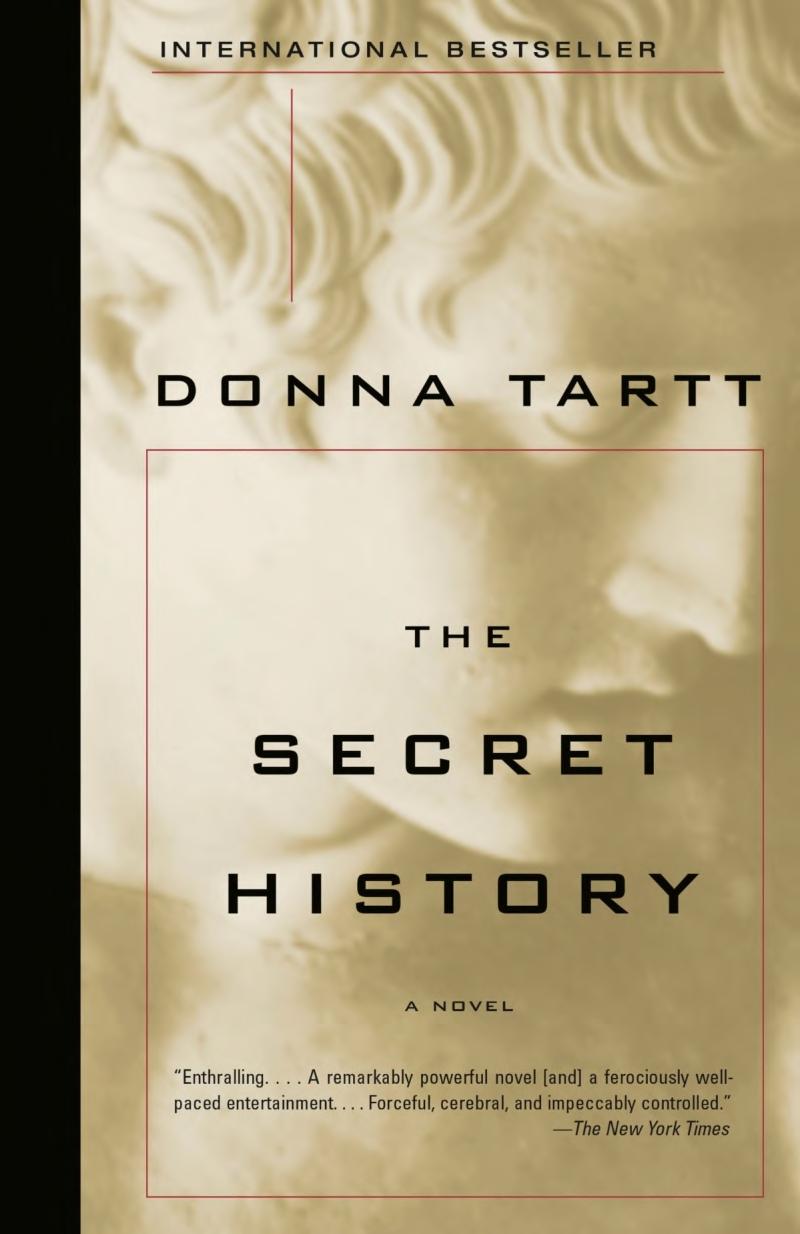
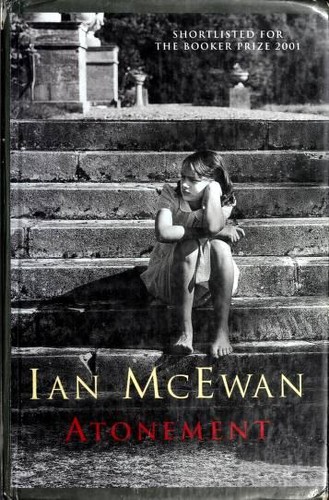
The failure mode is the reverse: a literary novel that borrows thriller mechanics without earning them, using a crime or mystery as a plot delivery device while the actual interest is elsewhere. The books here avoid this by integrating the psychological and the thriller elements rather than layering one over the other. In The Secret History, the group’s moral collapse is simultaneously the crime and the psychological argument — there is no separating them. In Atonement, the act of false witness is the crime and the novelist’s unreliability is the psychological argument, and McEwan makes them the same thing. The thriller element and the literary element are not in a relationship of surface and depth; they are the same material organized in two registers simultaneously.
The literary thriller works when the investigation — of guilt, of consciousness, of what people are willing to do and to become — is the thriller, not the backstory that explains the thriller.
The Books
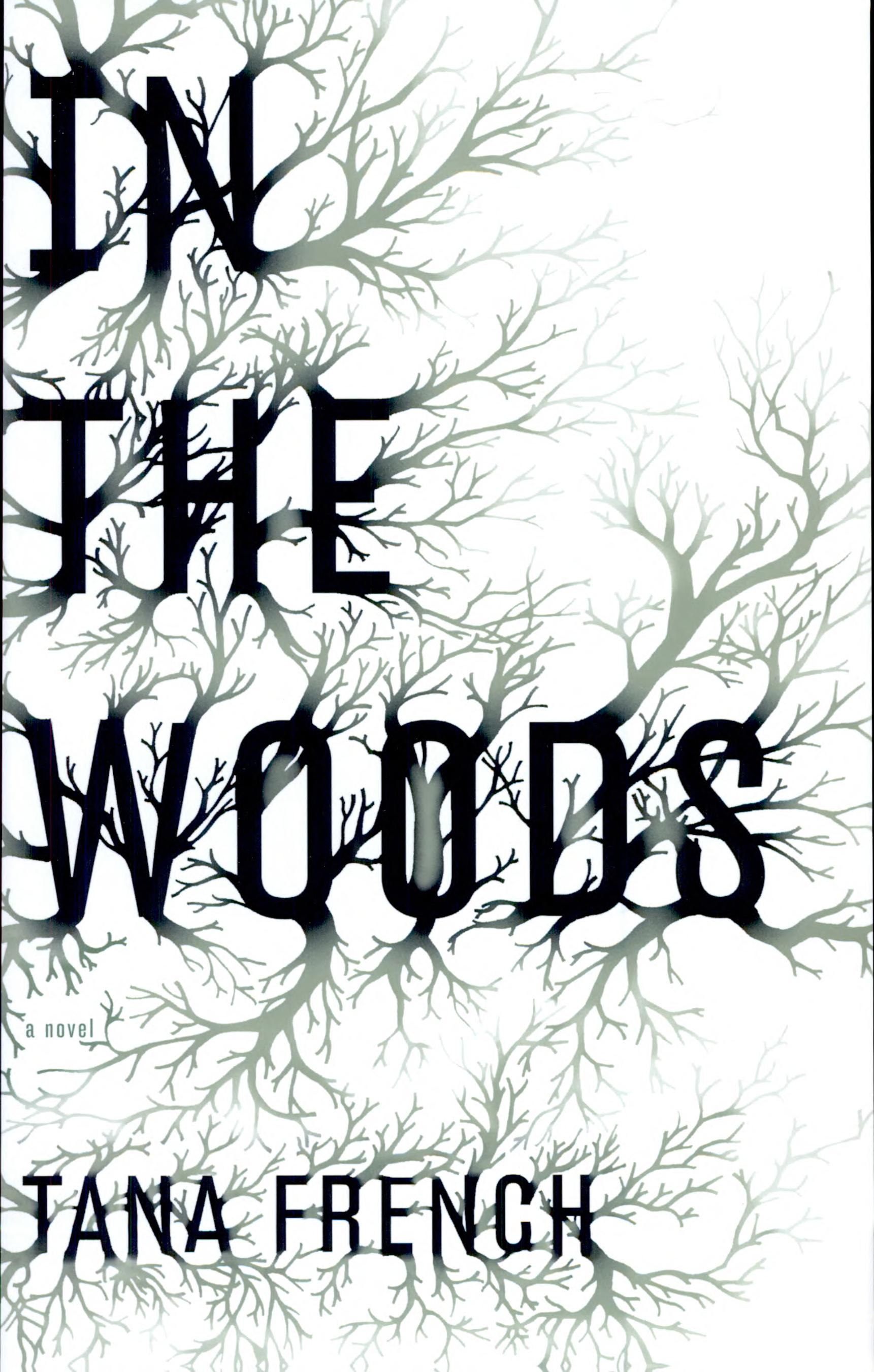
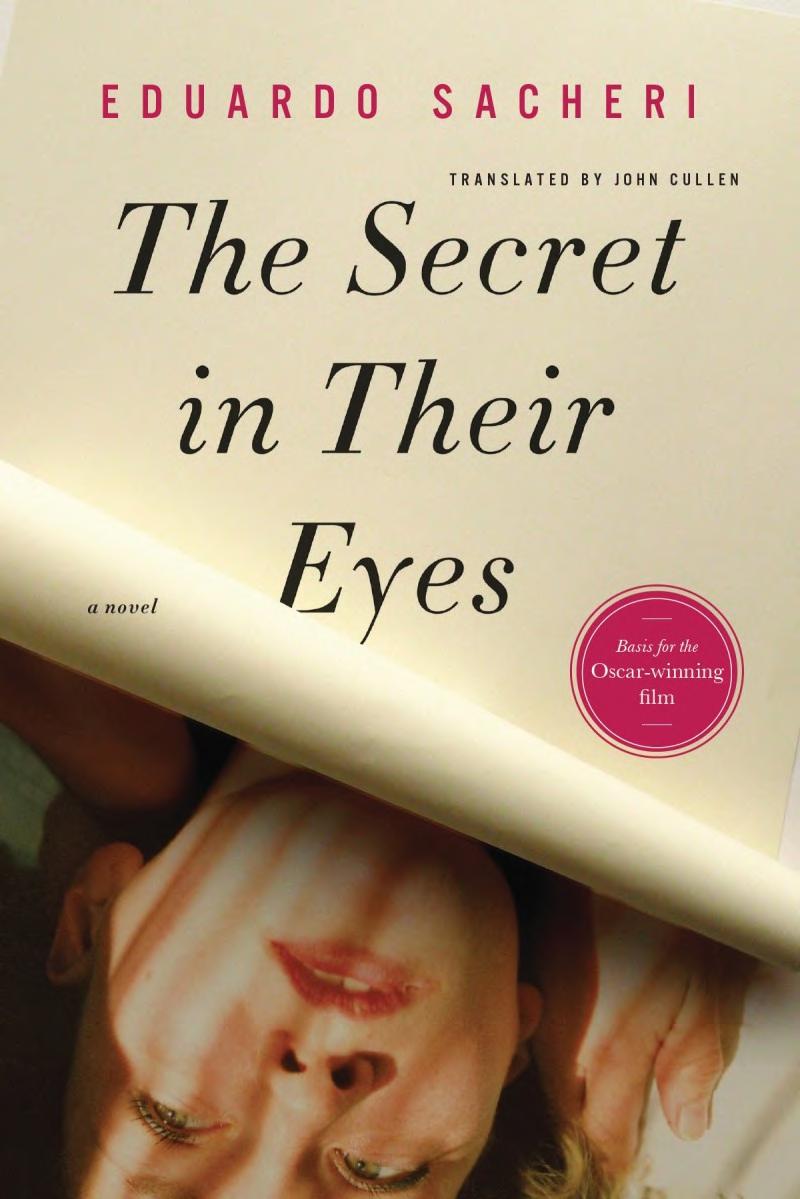
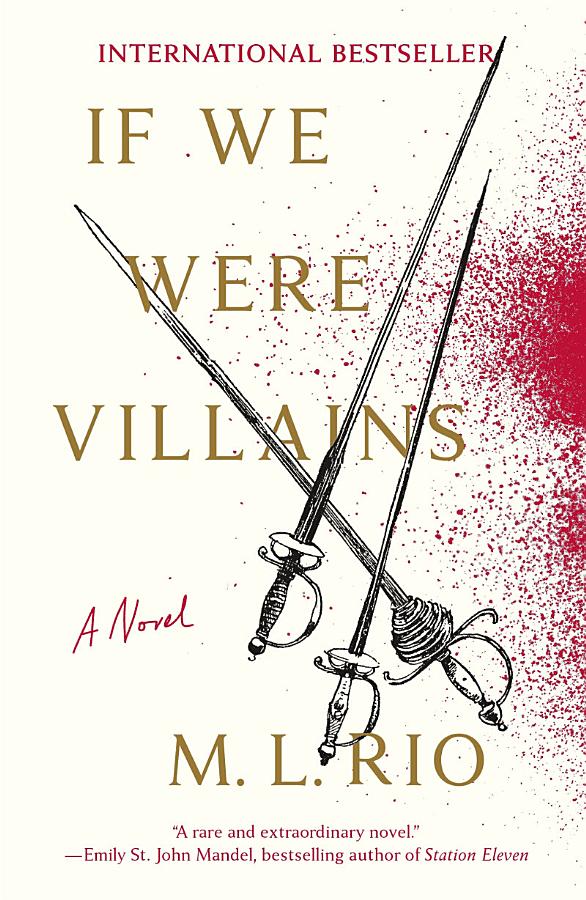
The Secret HistoryDonna TarttThe foundational literary thriller of the past thirty years, and the one that most completely integrates the psychological and the thriller elements. Tartt tells you on page one that a murder has occurred and who committed it, which means the novel’s forward drive is not “what happened?” but “how did intelligent people arrive here?” That question — how an aesthetic philosophy and a group’s insularity produced a moral catastrophe — is more interesting than any whodunit, and Tartt pursues it with the same suspense mechanics that a conventional thriller would use for the crime itself. The most technically instructive example of how the literary thriller genre works when it is working. AtonementIan McEwanMcEwan’s novel is a literary thriller organized around a false accusation rather than a murder, but the thriller mechanics are equally rigorous: the reader is positioned to see the injustice being committed before the characters can correct it, and the gap between what the reader knows and what the characters know produces sustained tension across the novel’s first movement. The literary argument — about what fiction can and cannot do for the people it has wronged — arrives in the final pages and reframes everything preceding it. The crime here is a child’s misreading of an adult situation; the consequences are adult-scale and irreversible. McEwan structures the gap between action and consequence with the precision of someone who has thought carefully about what fiction owes its characters. In the WoodsTana FrenchFrench’s debut breaks the genre’s implicit contract in a way that most literary thrillers do not: she does not resolve one of the novel’s central mysteries, and the novel ends with its narrator having solved the murder investigation while remaining permanently in the dark about his own past. The literary argument — that some investigations into the self are structurally impossible, that certain traumatic events seal themselves against inquiry — is embodied in the thriller’s formal refusal of resolution. Readers who come expecting a satisfying whodunit find something more interesting and more disturbing: a psychological investigation that is honest about the limits of what investigation can achieve. The Devotion of Suspect XKeigo HigashinoHigashino inverts the literary thriller structure in a way that makes it immediately clear he understands exactly what the genre can do. The reader knows who committed the crime from page one. The novel then becomes an investigation into why — not “who?” but “what kind of person commits this?” and “what does love look like when it operates completely outside the social contract?” Ishigawa the mathematician’s obsessive sacrifice is the psychological subject, and the detective’s investigation is the formal mechanism through which that psychology is gradually exposed. The thriller mechanics are in service of a meditation on obsession and sacrifice that is more emotionally serious than most novels organized around those themes directly. The Secret in Their EyesEduardo SacheriSacheri’s novel uses the retrospective thriller structure to examine something specifically literary: the gap between the story a person tells about their past and the past that actually occurred. Benjamin Chaparro is writing a novel about a case he worked twenty-five years earlier, and the act of writing becomes the act of understanding — not just what happened but what it has cost him that he cannot name. The love story and the crime story and the political story (Argentina under the military dictatorship) are woven together in ways that make each one’s resolution dependent on the others. More emotionally complex than most genre thrillers and more structurally engaged than most literary fiction about memory. If We Were VillainsM.L. RioRio’s debut is organized around the question that defines the literary thriller at its best: not what happened but what kind of people these are and how they arrived at the capacity to do it. The theatrical setting is the argument — the students of Dellecher Classical Conservatory have been performing versions of themselves for so long that the line between performance and identity has dissolved, which is both the condition that makes the crime possible and the most interesting thing the novel is about. The whodunit mechanics work as thriller; the psychological argument about performed identity works as literary fiction; and Rio makes the two registers genuinely inseparable in a way that most genre hybrids do not. Who This Is For
Literary fiction readers who find conventional thrillers thin on psychological substance but who want something that moves faster than a slow literary novel, and who specifically want the moral or psychological argument to be embedded in the plot mechanics rather than occurring alongside them. Also thriller readers who are ready for the genre at a higher level of formal ambition and who can tolerate some of these books not resolving their mysteries in the conventional way. The thriller and mystery and literary fiction catalogues both have more in this direction.
Frequently asked questions
Q: What is a literary thriller?
A: A literary thriller uses the mechanics of crime fiction — investigation, suspense, the question of who did what and why — in service of a psychological or moral argument that the resolution does not exhaust. The best examples make the thriller element and the literary element genuinely inseparable: the investigation is the argument, not a frame for it. Most thrillers marketed as “literary” are simply well-written thrillers.
Q: Is The Secret History a thriller?
A: It uses thriller mechanics — forward drive, the question of how events unfolded, sustained suspense — but inverts the conventional structure by revealing the crime at the beginning rather than the end. The novel’s tension comes from the question of why and how rather than who, which is more psychologically interesting and arguably more consistent with what the literary tradition does well. Whether you call it a thriller depends on how strictly you define the term.
Q: What makes In the Woods controversial among crime fiction readers?
A: French does not resolve the central mystery of what happened to Rob Ryan as a child. Most crime fiction readers expect resolution as a condition of the genre, and French’s refusal of it felt like a betrayal of the contract. Readers who approached it as literary fiction found the refusal the novel’s most honest gesture — some investigations cannot be completed, and building that limitation into the thriller structure is a formal argument rather than a failure.
Q: What should I read after Atonement if I want more McEwan?
A: Saturday and On Chesil Beach both use compressed timeframes and direct narration but share Atonement’s interest in the gap between what people understand about their own actions and what those actions actually mean. The Comfort of Strangers is shorter and more overtly thriller-structured, with a similar ending that reframes everything preceding it.
Not sure which of these is right for you specifically? The Pagesmith quiz matches you to books based on your mood, pacing preference, and reading goals, not bestseller lists. Takes two minutes.