Redemption is one of the most misused words in fiction. When it means a character’s complete moral rehabilitation, resulting in forgiveness and restored relationships, it is usually a lie — too clean, too convenient, too unconcerned with the permanence of what was done. The best books about redemption know that the word means something more modest and more honest: the attempt to be different, to repair what can be repaired, to live differently with what cannot. That attempt, and not its outcome, is where the most interesting novels live.
Redemption that costs something real
These novels understand that redemption without cost is not redemption — it is absolution, which is a different and cheaper thing. Each of these books makes the character pay honestly for what they have done.
The best redemption novels are not about becoming good. They are about deciding to try — and the gap between those two things is where all the interesting fiction lives.
Redemption through action rather than feeling
Some of the most honest redemption stories are the ones where the character never fully understands what they are doing or why — they simply act differently, and the difference accumulates into something.
The redemption that does not fully resolve
These books are honest about the limits of what repair can do — which makes them more useful and more true than novels that resolve everything cleanly.
Who this is for
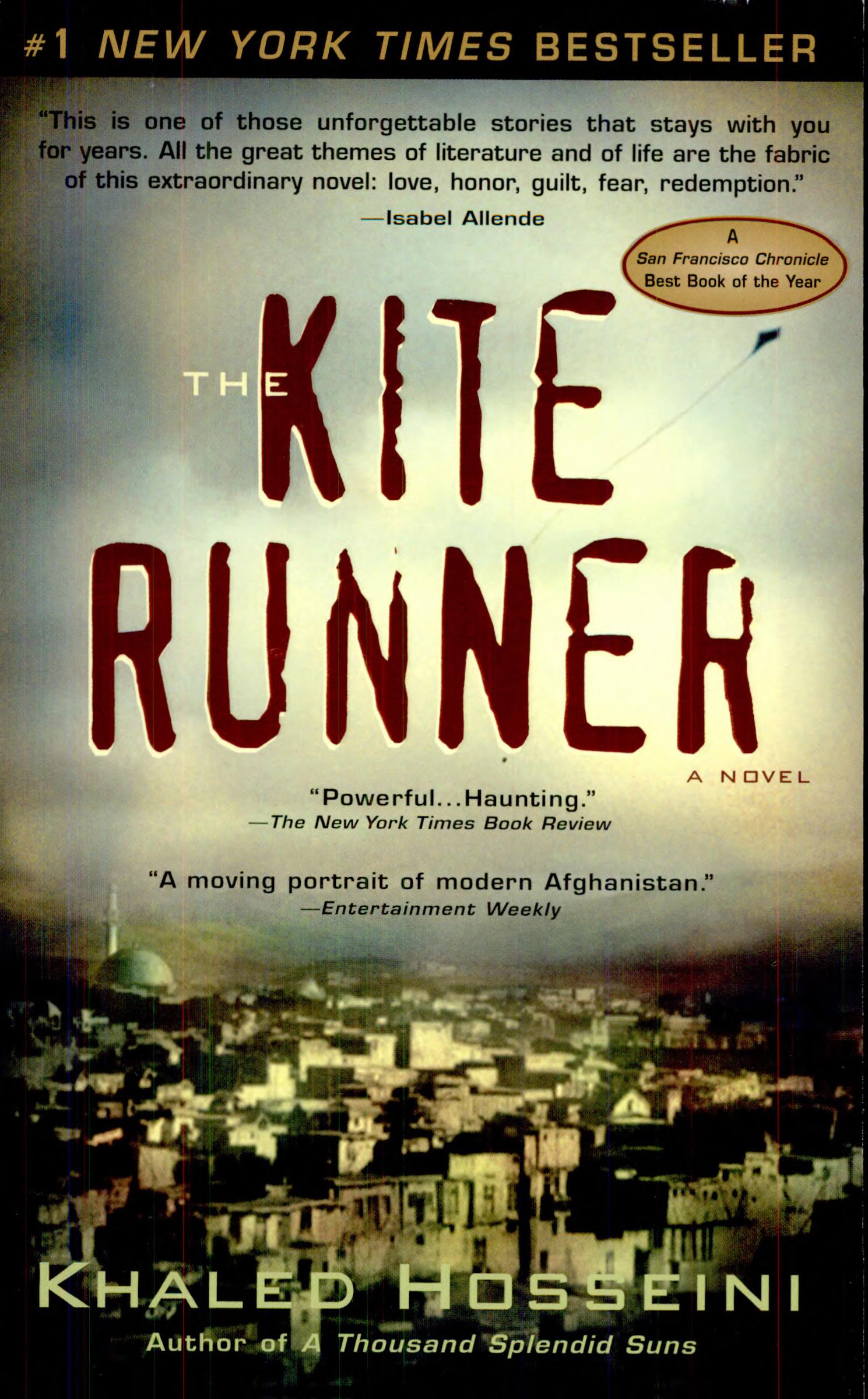
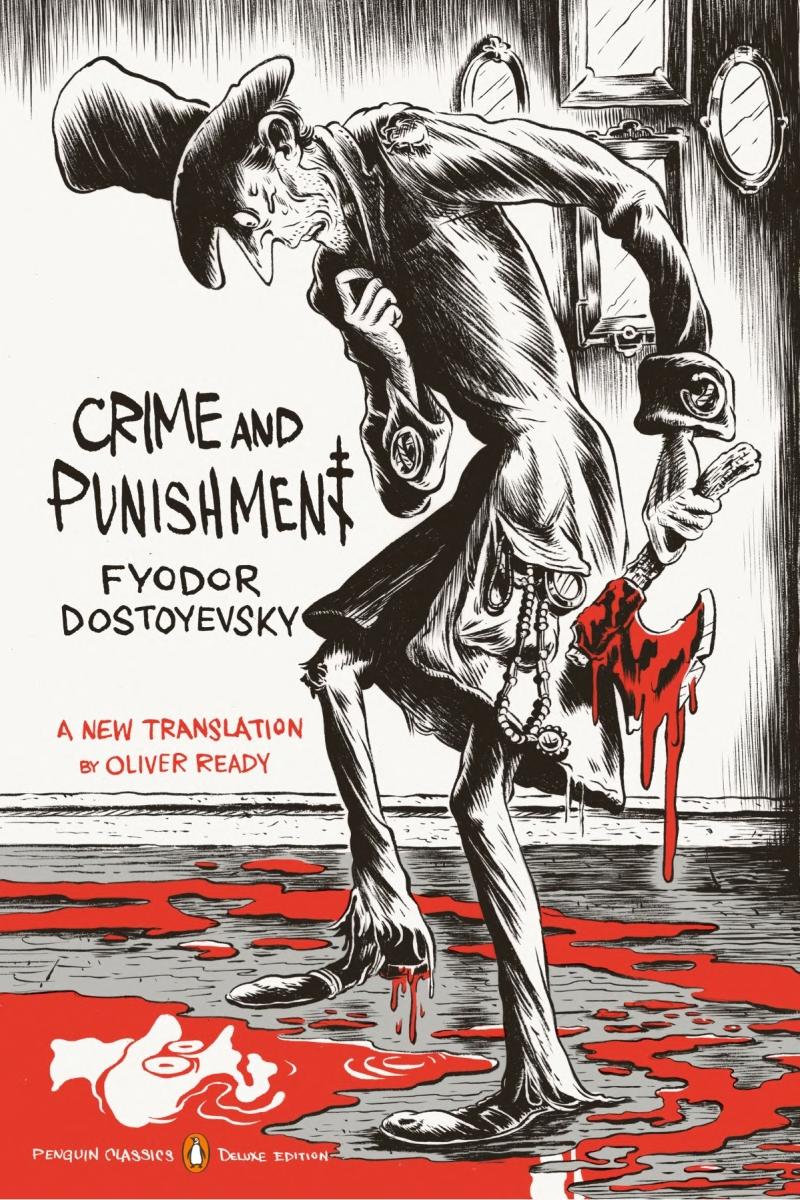
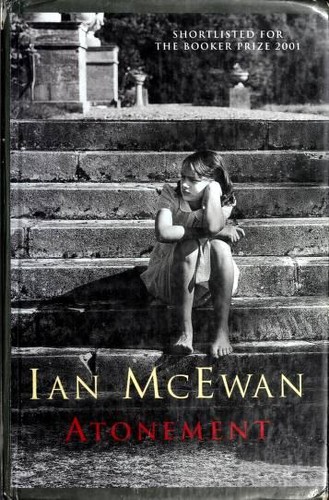
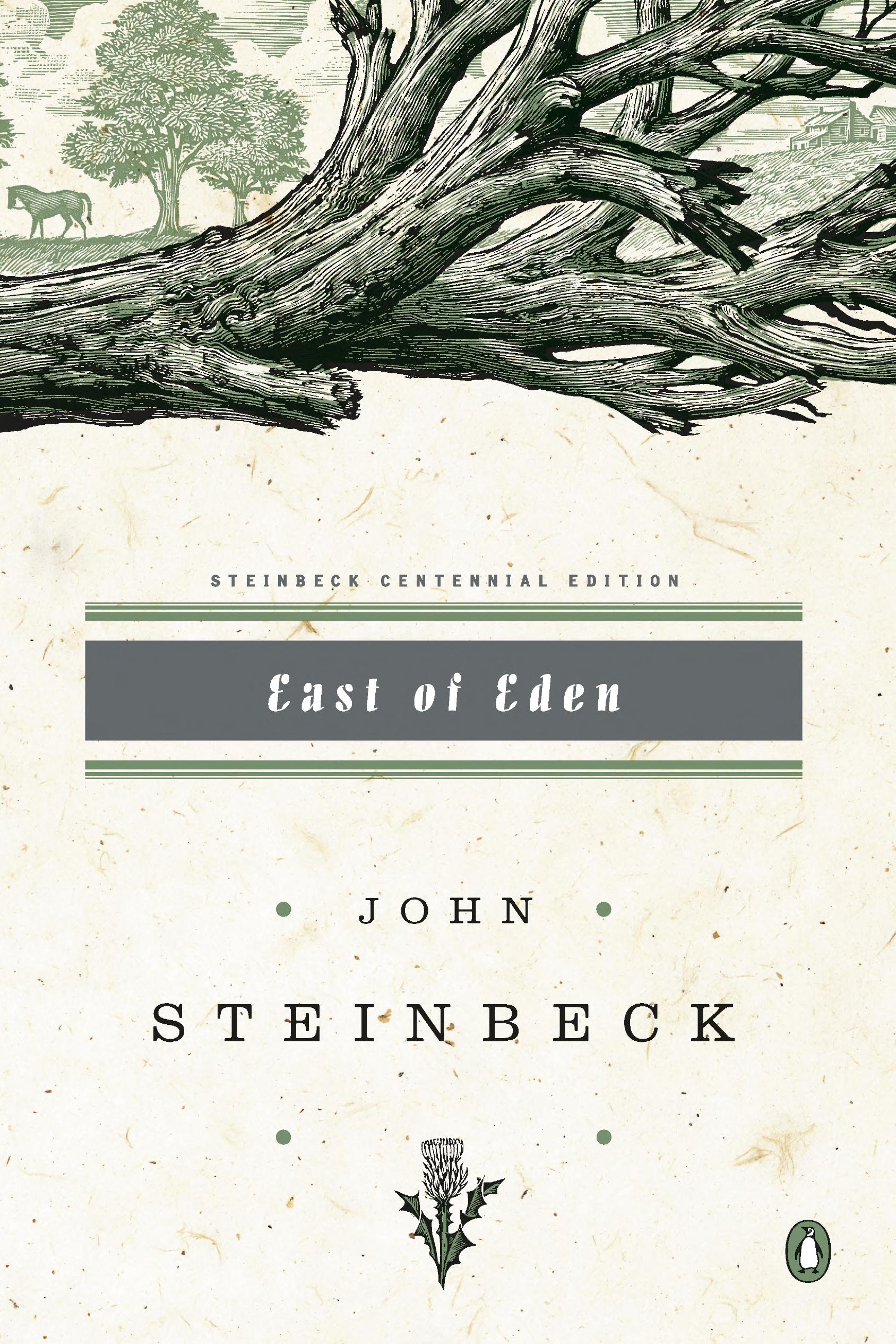
This list is for readers who want redemption stories that take the question seriously rather than resolving it cheaply. If you want the most emotionally immediate, The Kite Runner. If you want the most philosophically serious, Crime and Punishment or East of Eden. If you want the most honest about what redemption cannot do, Atonement. Browse literary fiction and historical fiction for more.
Frequently asked questions
Q: What are the best novels about redemption? A: The Kite Runner by Khaled Hosseini is the most widely read redemption novel of recent decades. Crime and Punishment by Dostoevsky is the most psychologically serious. Atonement by Ian McEwan is the most honest about the limits of what repair can actually do.
Q: Is The Count of Monte Cristo a redemption story? A: It is a revenge story that also functions as a redemption story — Dantes’s transformation is driven by the desire for justice, but the novel questions throughout whether revenge is the same thing as justice, and whether Dantes emerges from it redeemed or diminished.
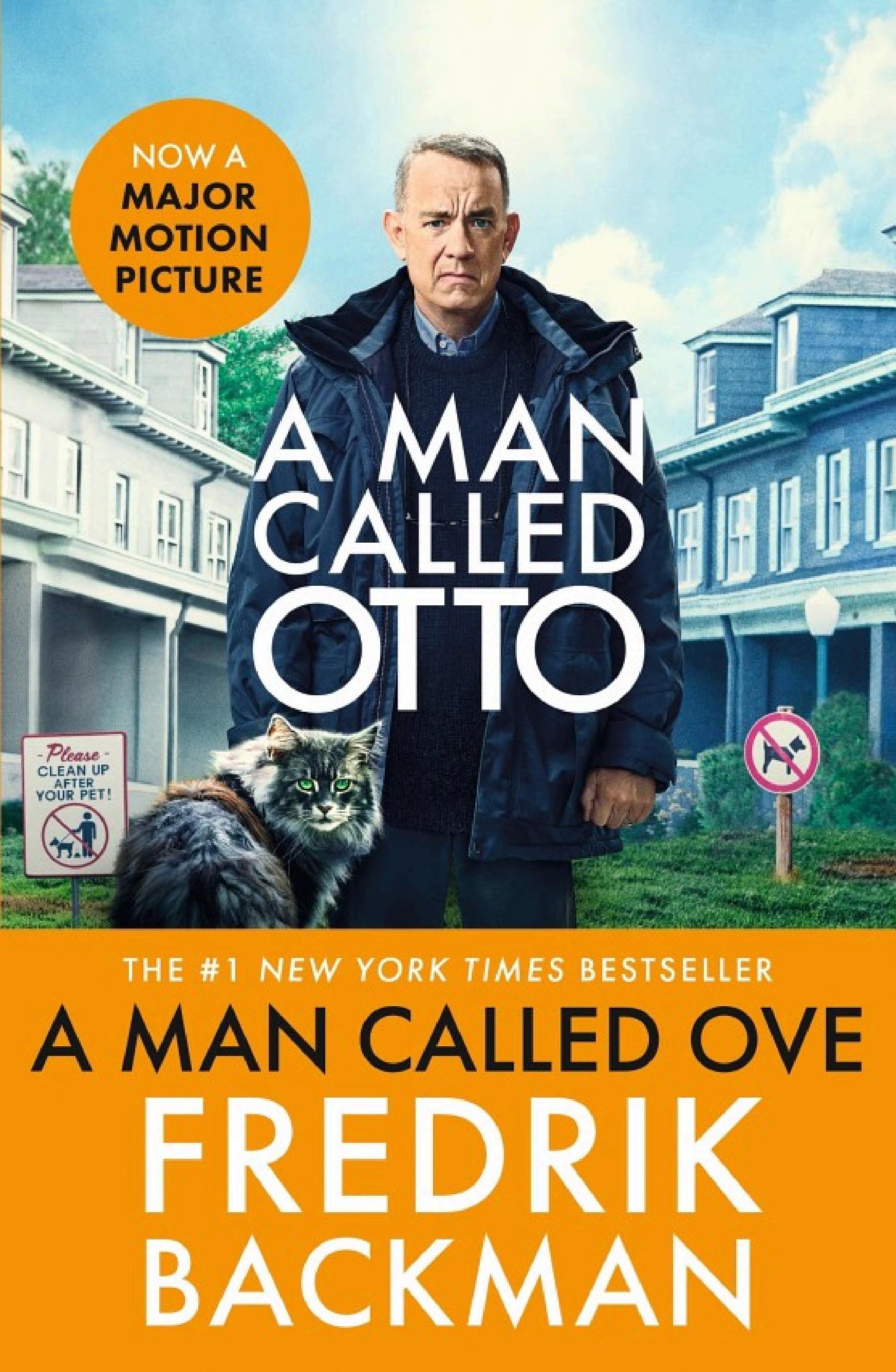
Q: What books about redemption are also hopeful? A: East of Eden by Steinbeck is the most explicitly hopeful — its central argument is that humans have the capacity to choose differently, and this is worth everything. A Man Called Ove is the warmest. Les Miserables earns its hopefulness through five volumes of honest accounting.
Q: Are there short books about redemption? A: A Christmas Carol by Dickens is the shortest canonical redemption story at around 100 pages, though it is also the least psychologically complex. A Man Called Ove is under 350 pages and earns its redemption arc more honestly than most longer novels.
Not sure which of these is right for you specifically? The Pagesmith quiz matches you to books based on your mood, pacing preference, and reading goals — not bestseller lists. Takes two minutes.