Best Books About Work and Vocation That Tell the Truth
The best fiction about work is not about career success or failure but about vocation: what it costs to commit to a calling, what happens when the work and the life pull in opposite directions, and whether the dedication was worth what it required.
May 2026 · 8 min read · The Pagesmith
Most fiction that features work uses it as atmosphere: the hospital setting, the law firm backdrop, the newspaper where the protagonist happens to be employed. The books here treat work as the subject — specifically the question of vocation, which is different from employment. A vocation is not simply what a person does for money; it is the activity to which they have committed themselves as the defining expression of who they are, and the commitment carries consequences that employment does not. The academic who has organized his entire identity around the love of literature, the butler who has made service into a philosophy, the scientist who has chosen the lab over everything else — all of them face the same essential question: when the vocation and the life come into conflict, when what the work requires and what the person needs cannot both be honored, which gives way? The books here do not agree on the answer. They agree only that the question is serious and worth the full attention a novel can provide.
What Vocation Fiction Is Actually About
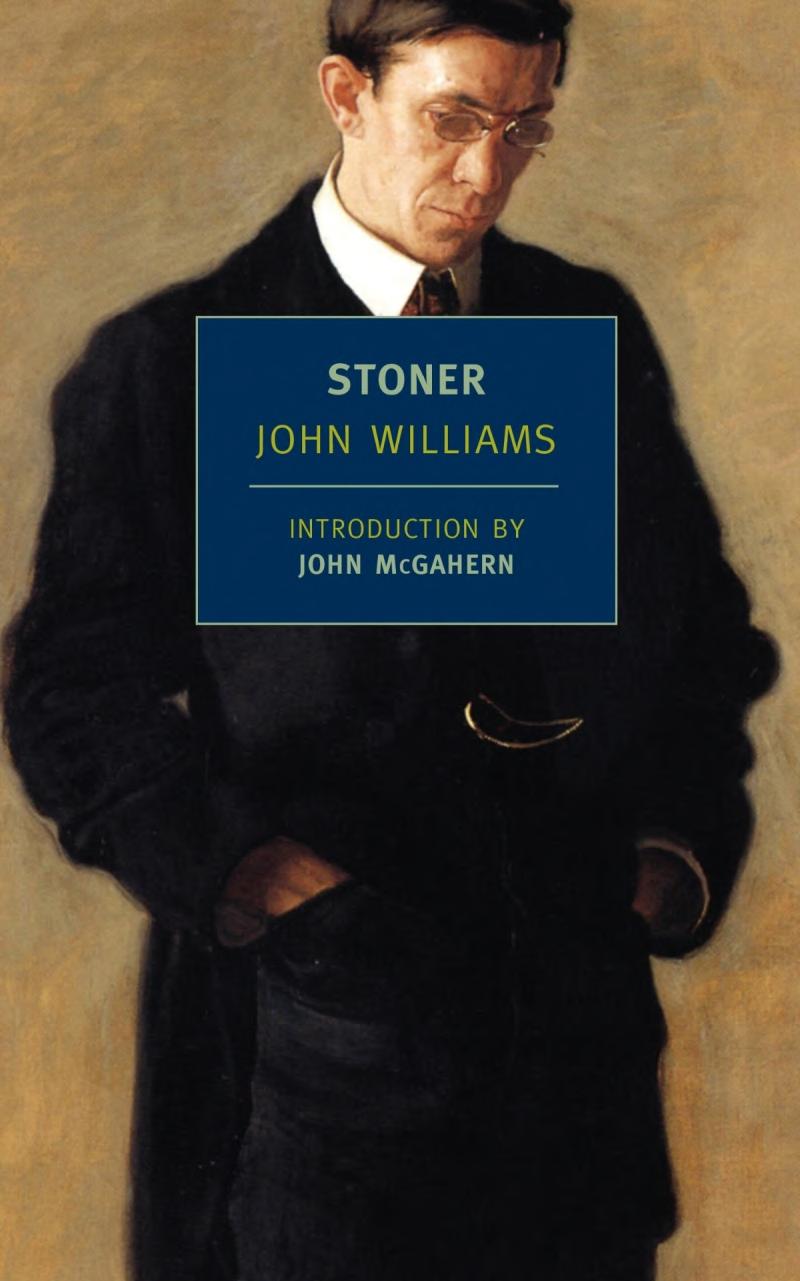
The distinction between work fiction and vocation fiction is the distinction between a career and a calling. Career fiction is organized around advancement, achievement, or failure in institutional terms. Vocation fiction is organized around the relationship between a person’s deepest competency and their actual life — what it looks like when those two things are aligned, and what the misalignment costs when they are not. Stoner’s love of literature is a vocation; his career is the institutional structure that both enables and suppresses it. Stevens’s butlering is a vocation that consumes the personal life that might otherwise have existed. The work in these books is not the setting; it is the argument.
Vocation is not the work you are good at. It is the work that organizes your sense of who you are — which means its loss or suppression is not a career setback but a form of self-erasure.
The Books
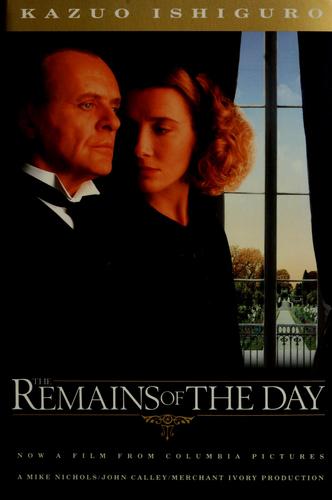
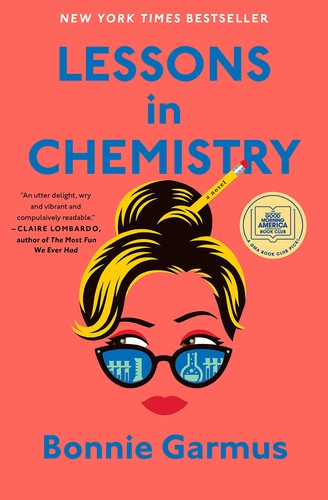
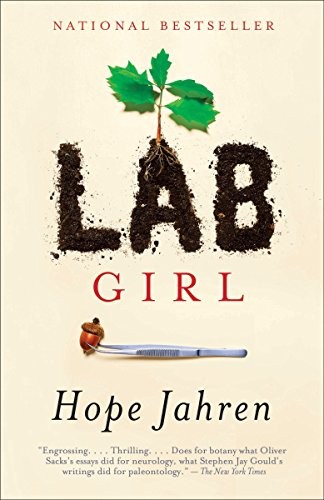
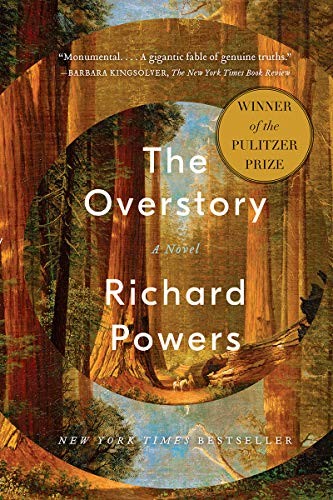
StonerJohn WilliamsThe definitive vocation novel in American literature: a man’s entire career rendered with complete honesty, organized around the question of whether a genuine calling can sustain a life even when it produces nothing the external world acknowledges as significant. William Stoner’s love of literature is real and specific and never romanticized, which is what makes the novel’s argument more durable than inspirational fiction about artistic dedication. Williams does not pretend Stoner’s vocation redeemed his failed marriage or compensated for his institutional humiliation. It was simply real, and his commitment to it was his most defining act, and whether that amounts to a life worth having is the question the novel deposits in the reader and declines to answer. The Remains of the DayKazuo IshiguroIshiguro’s novel is the most precise account available of how a vocation can consume a life with the full cooperation of the person being consumed. Stevens has made butlering into a philosophy of dignity and professional excellence, and the philosophy is internally coherent — but the novel’s accumulated horror is the reader’s slow recognition of how much that philosophy has required Stevens to suppress, ignore, and misname. The vocation is real; the cost is also real; and Stevens is only partially aware of the second. For readers who want the vocation question asked in its hardest form: what if the calling was genuine and the dedication was complete and the cost was everything else? Lessons in ChemistryBonnie GarmusGarmus approaches the vocation question from the angle of institutional obstruction: a woman who has the calling, the competence, and the commitment to be a research chemist in 1960s America, and who is systematically denied the conditions to exercise it. Elizabeth Zott’s vocation is not in doubt — it is the world around her that refuses to accommodate it. The novel is a comedy of indignation organized around what a person with a genuine calling does when the institution that should enable it won’t. Funnier and more immediately accessible than Stoner, and making the same essential argument about the relationship between competence, vocation, and the social structures that determine who gets to exercise theirs. Lab GirlHope JahrenJahren’s memoir is the most direct first-person account of what a scientific vocation actually looks like from the inside: not the discovery but the years of failed experiments, the funding anxiety, the specific obsession that keeps a person in the lab at 2 a.m. investigating something most people cannot understand why anyone would investigate. Jahren alternates between autobiography and passages about plant biology written with genuine lyrical attention, and the parallel structure makes the argument: the scientist and the subject are both expressions of the same fundamental drive toward understanding. The most emotionally honest account of what scientific vocation costs available in nonfiction. Daisy Jones and the SixTaylor Jenkins ReidReid’s novel is the vocation story told at its most publicly dramatic: musicians whose calling produces extraordinary work and whose personal lives cannot survive the conditions the work requires. The oral history structure allows every member of the band to explain their own relationship to the music — why it mattered, what it required, what they were willing to give for it — which makes Daisy Jones more philosophically complete about the vocation question than most music fiction. Billy Dunne’s choice between the music and his family, and Daisy’s inability to separate the music from everything else she is, are the same question Stoner and Stevens are living with, rendered in a setting where the consequences of that question are spectacular rather than quiet. The OverstoryRichard PowersPowers’ novel includes several vocations — a scientist, an activist, a programmer, an artist — and uses their intersection around the fate of America’s old-growth forests to ask the vocation question at its largest scale: what does it mean to commit your working life to something that the rest of the world has decided does not matter? Patricia Westerford’s career as a dendrologist — dismissed for decades, then vindicated — is the purest vocation story in a novel full of them. Powers is interested in what calling looks like when the calling is to something non-human, and the novel’s argument is that the dedication required to serve the trees is not different in kind from the dedication required to serve literature or science or music. Who This Is For
Readers who think seriously about their own work and what it means — who want fiction that examines the relationship between what people do and who they are, without the false resolution of either pure career ambition narratives or pure anti-work critiques. Also readers who have found themselves in the gap between a calling they recognize and the institutional or social conditions that don’t accommodate it, and who want fiction that gets the texture of that gap right. The literary fiction and nonfiction catalogues have more in this territory.
Frequently asked questions
Q: What is the difference between a job, a career, and a vocation?
A: A job is what you do for money. A career is a sequence of jobs organized around advancement in a field. A vocation is the work that organizes your sense of identity — the activity whose absence would not just reduce your income but would reduce you. The books here are about vocation in this third sense, and what makes them serious is that they take the distinction seriously rather than treating all work as equivalent.
Q: Is Stoner a sad book?
A: It is melancholy rather than tragic. Stoner’s life includes real losses and real suppressions, but Williams renders it with a precision that produces recognition rather than despair. Many readers find it deeply moving rather than depressing — the response is closer to “yes, this is what it is like” than to “this is unbearable.” The effect depends significantly on where the reader is in their own relationship to vocation.
Q: What makes Lab Girl different from other science memoirs?
A: Most science memoirs are organized around discovery — the big finding, the breakthrough, the moment of recognition. Jahren is interested in the sustained daily practice of scientific attention: what it feels like to spend years investigating something, to fail repeatedly, to maintain the obsession when nothing is working. The plant passages, which treat botanical biology as intrinsically interesting rather than as illustration for the human story, are what distinguish it from comparable books.
Q: What should I read after The Remains of the Day if I want more on vocation?
A: Stoner is the direct companion — both are novels about men who have organized their identities around a form of service or dedication, and both ask whether that organization was worth what it cost. Never Let Me Go is Ishiguro’s science fiction treatment of a related question: what does it mean to commit to a role that was assigned rather than chosen?
Not sure which of these is right for you specifically? The Pagesmith quiz matches you to books based on your mood, pacing preference, and reading goals, not bestseller lists. Takes two minutes.