Readers who love history are looking for a specific quality that textbooks almost never provide: the texture of the past as it was experienced by the people inside it. The best books for history lovers do this differently across fiction and nonfiction — fiction through the reconstruction of interiority, nonfiction through the granular accumulation of documented detail. Both can produce the same effect: the sense of a specific time and place becoming genuinely real rather than simply known about.
Historical fiction for readers who want the past inhabited
These novels are chosen specifically for the quality of making a period feel inhabited from within — not as a stage set for drama but as a fully realised world with its own logic, textures, and constraints.
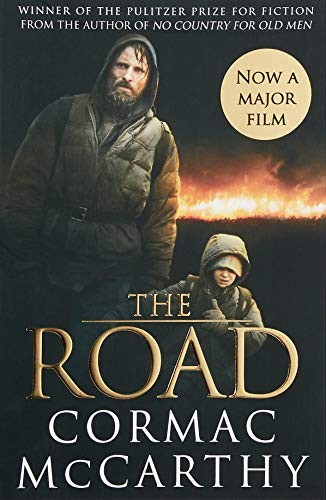
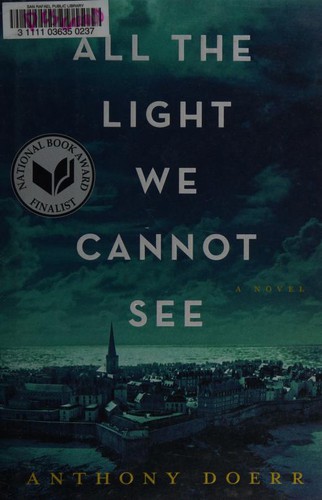
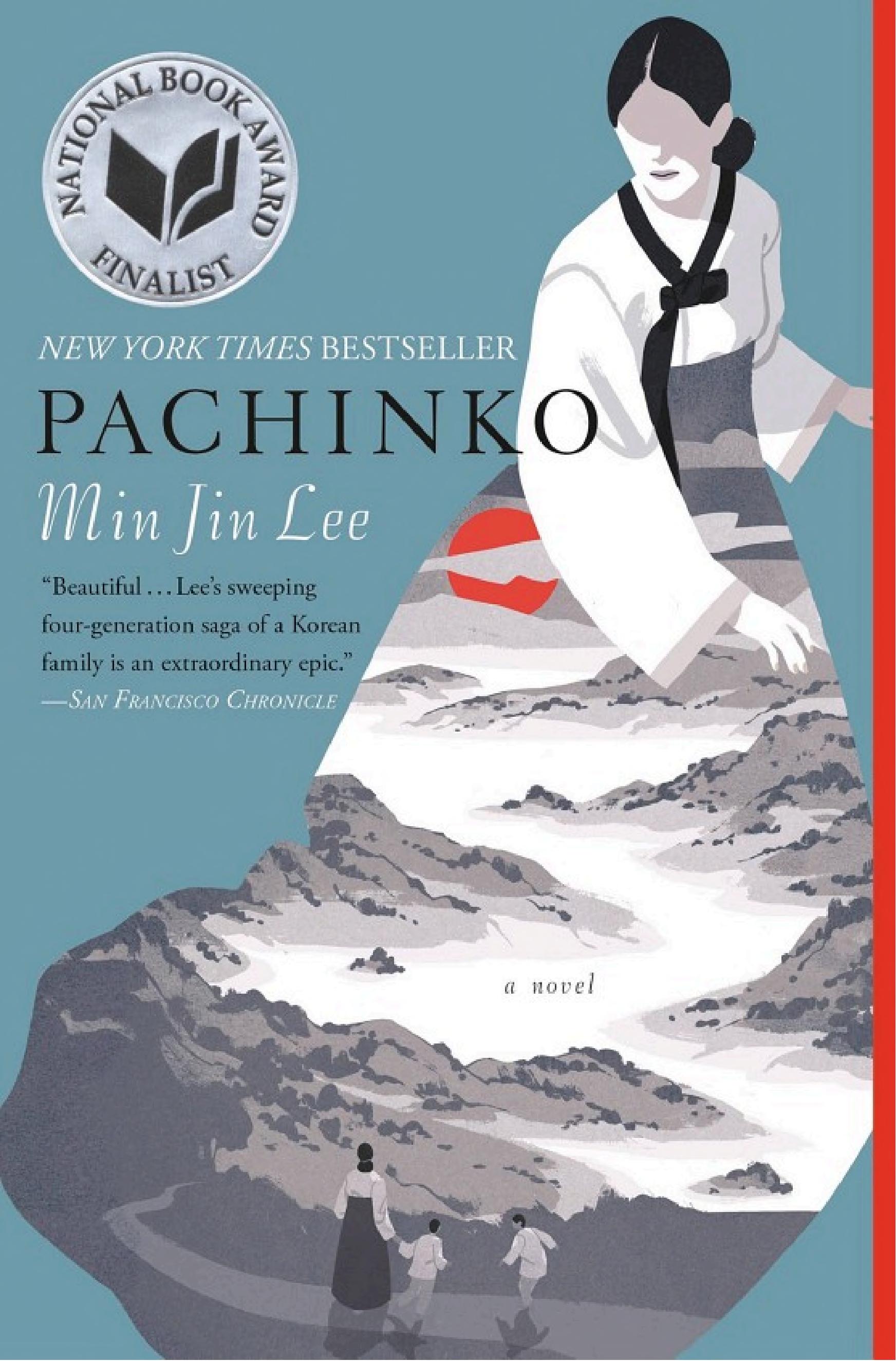
The best books for history lovers make the past feel inhabited rather than reconstructed — where you understand not just what happened but what it felt like from inside the moment.
Narrative nonfiction for readers who want documented texture
Who this is for
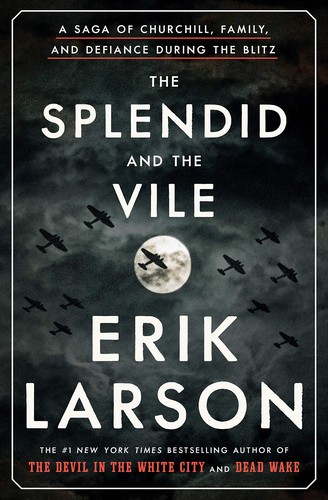
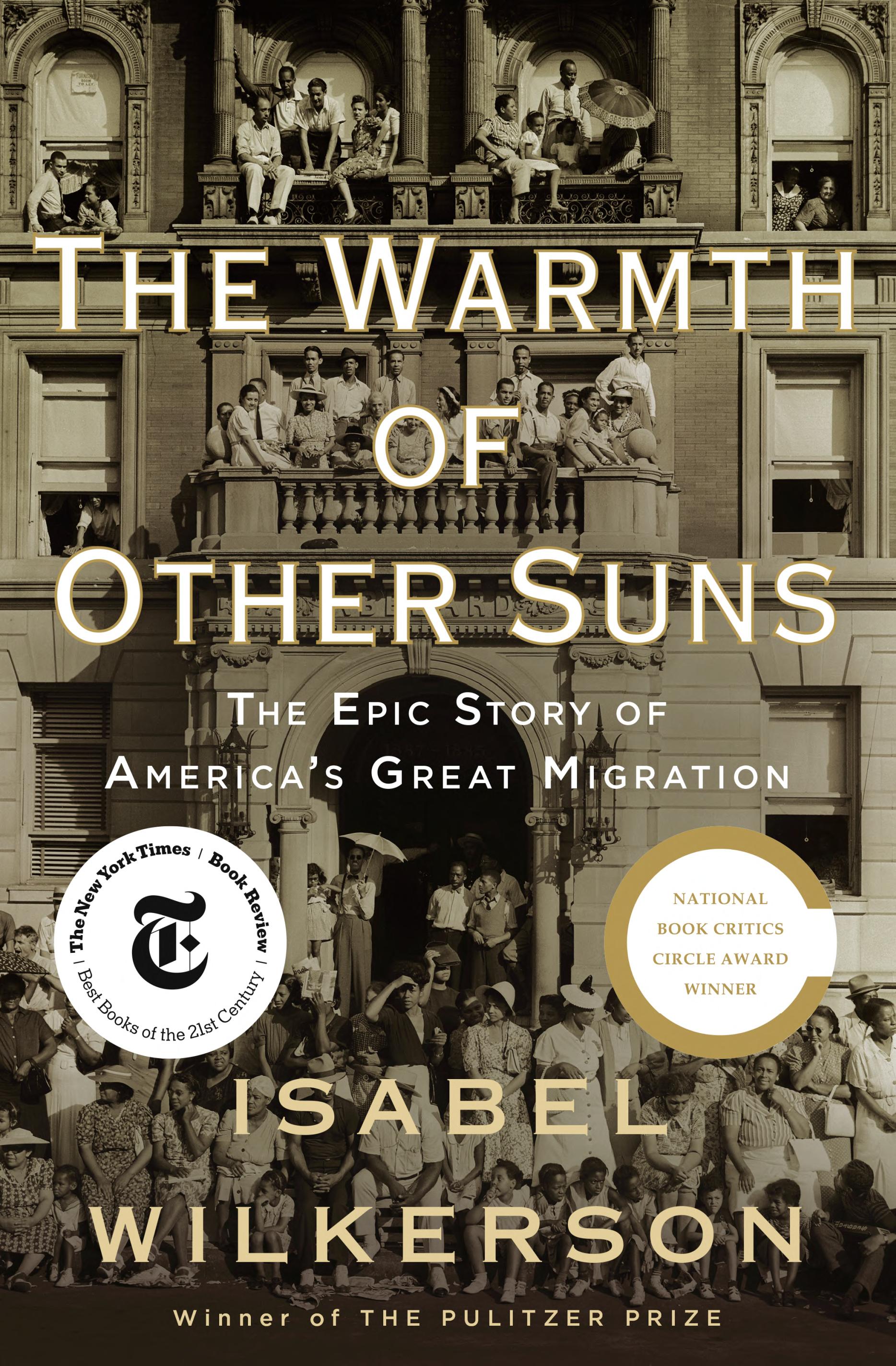
This list is for readers who love history specifically for the quality of inhabited texture rather than narrative momentum or dramatic incident. If you want the most formally perfect historical fiction, Wolf Hall. If you want the most emotionally immediate, All the Light We Cannot See. If you want multigenerational scope, Pachinko. For nonfiction, The Splendid and the Vile for the most readable and The Warmth of Other Suns for the most ambitious. Browse historical fiction and nonfiction for more.
Frequently asked questions
Q: What historical fiction is most accurate? A: Wolf Hall by Hilary Mantel is the most extensively researched and praised by historians for its accuracy about Tudor court culture. Suite Francaise by Irene Nemirovsky was written during the events it describes, making it a primary source as well as fiction. All the Light We Cannot See is meticulous about its period detail.
Q: What nonfiction books make history feel alive? A: The Splendid and the Vile by Erik Larson is the most immediately readable — his documentary method makes 1940 feel genuinely uncertain. The Warmth of Other Suns by Isabel Wilkerson is the most ambitious in scope. Say Nothing by Patrick Radden Keefe is the most gripping in terms of narrative tension.
Q: What historical fiction covers periods outside Europe and America? A: Pachinko covers Korea and Japan from the early twentieth century. The God of Small Things is set in post-independence India. Shogun covers feudal Japan. People of the Book by Geraldine Brooks traces an illuminated manuscript across multiple historical periods and countries.
Q: What is the difference between historical fiction and narrative nonfiction for history lovers? A: Historical fiction can give you interiority that documented sources cannot — the thoughts, the doubts, the specific sensory texture of a moment. Narrative nonfiction gives you the knowledge that what you are reading actually happened, which adds a different kind of weight. The best history lovers read both, using fiction for interiority and nonfiction for the anchoring assurance of fact.
Not sure which of these is right for you specifically? The Pagesmith quiz matches you to books based on your mood, pacing preference, and reading goals — not bestseller lists. Takes two minutes.