Best Books Set in Japan for Every Kind of Reader
These books reveal different Japans: Murakami's dreamlike and interior, Higashino's procedural and obsessive, Arikawa's tender and seasonal. The country is not backdrop in any of them but argument.
May 2026 · 7 min read · The Pagesmith
The best books set in Japan are not interchangeable. Japan in Haruki Murakami is a specific register of urban loneliness and erotic melancholy, filtered through a consciousness that is half-awake and half-dreaming. Japan in Keigo Higashino is the same country at a different focal length: precise, procedural, structured around the forensic intelligence required to reconstruct what happened and why. Japan in Hiro Arikawa is neither of these — it is a country of seasonal change and old friendships and specific dishes, tender and attentive in a register that makes Murakami feel cold by comparison. These distinctions matter because readers who loved one version of Japan on the page are not guaranteed to love another, and the best recommendation depends on which version you are looking for. The books here cover the range.
What Japan-Set Fiction Does Best
The Japanese literary tradition brings specific qualities to whatever genre it works in. Restraint is one: the emotional climaxes in both literary fiction and mystery tend to arrive without announcement, compressed into a moment that the surrounding text has prepared for without signaling. Precision is another: Higashino’s plots are as carefully engineered as mathematical proofs, and Murakami’s surrealism is stranger and more internally consistent than most Western magical realism. The city and the countryside are rendered with equal specificity. And the relationship between obligation and desire — giri and ninjo in the traditional framing — runs beneath almost every story here, whether it is named or not.
Japan in the best Japan-set fiction is not an aesthetic — no neon signs, no cherry blossoms deployed as atmosphere. It is a specific social logic that shapes everything the characters can do, feel, and admit to wanting.
The Books
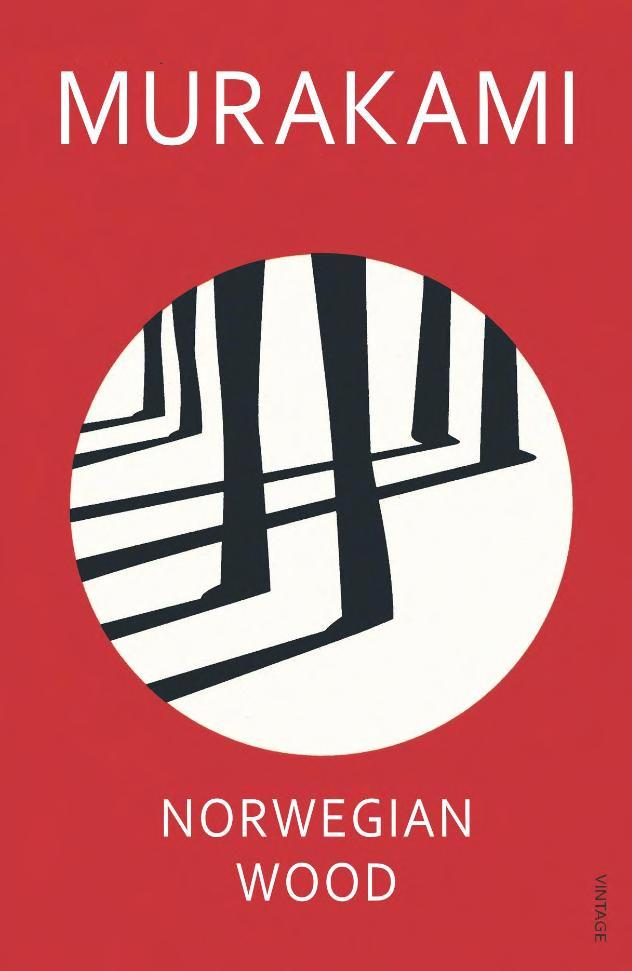
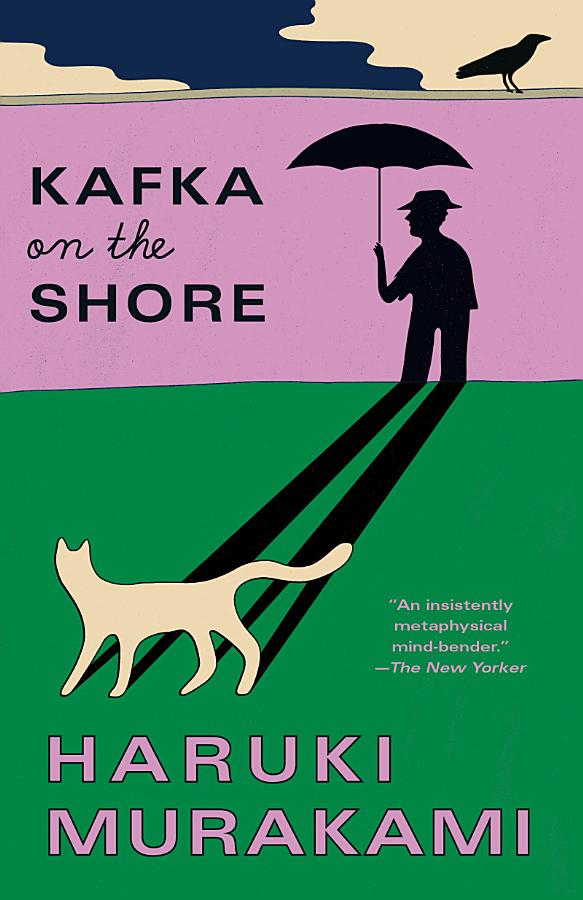
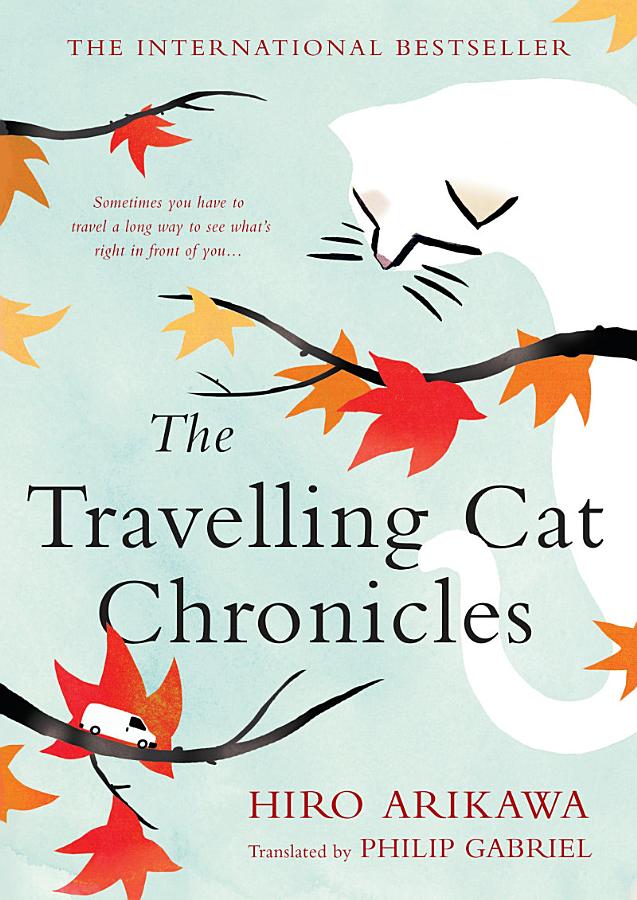
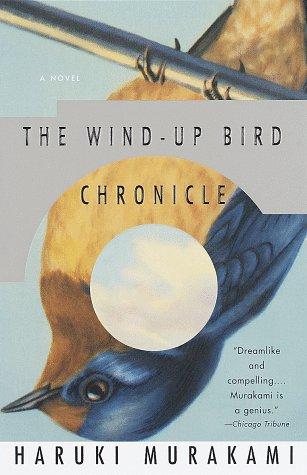
Norwegian WoodHaruki MurakamiThe most accessible entry point to Murakami and the most directly emotional. Set in late-1960s Tokyo, it follows a university student navigating grief and desire among friends who are being undone by depression and the specific psychic pressure of that historical moment. Murakami writes Tokyo’s student culture with a concreteness unusual in his work — the dormitory, the train journeys, the coffee shop conversations are specific and unhurried — and the emotional devastation accumulates slowly through accumulation of ordinary detail rather than dramatic incident. The novel that shows Murakami is capable of directness when he chooses it. Kafka on the ShoreHaruki MurakamiA more representative Murakami, operating at the register most associated with his name: dreamlike, surreal, indifferent to conventional causality. The Japan here is a country where the strange and the mundane are genuinely indistinguishable, where a boy can take a bus from Tokyo to Takamatsu and find a world that has different rules than the one he left. Murakami renders specific Japanese geography and culture — the library, the small inn, the forest on the edge of the city — with enough precision that the strangeness feels native rather than imposed. For readers who want the Murakami that most confounds easy summary. The Travelling Cat ChroniclesHiro ArikawaThe warmest Japan on this list, and the most specifically attentive to the country’s geography and seasonal texture. Satoru and Nana’s journey across Japan visits different regions and different kinds of friendship, and Arikawa’s Japan is rendered through the specific details of food, landscape, and social obligation that make each stop distinct. The novel is also the clearest illustration of giri on this list: Satoru’s care for the people he is visiting, and their care for him, is shaped by a code of obligation and loyalty that is distinctly Japanese and that Arikawa never reduces to sentiment. The most quietly devastating book here. The Devotion of Suspect XKeigo HigashinoHigashino’s Tokyo is built from the precision of procedural investigation, and the specific social architecture of the city — the apartment buildings where neighbors are anonymous, the convenience store rhythms, the mathematical certainty that a genius can bring to the construction of a crime — is the novel’s real setting more than any geographic location. The giri dimension here is central: Ishigawa’s obsessive sacrifice for a woman who did not ask for it and cannot fully understand it is the most Japanese element of a novel that is also the best plotting in contemporary crime fiction. The entry point to Higashino for readers new to his work. The Wind-Up Bird ChronicleHaruki MurakamiMurakami’s most ambitious novel uses Tokyo’s suburban geography — the back alleys, the dead-end streets, the dry well at the bottom of a neighbor’s garden — as the architecture of a mystery that keeps deepening. The Japan here extends backward into wartime Manchuria, and the novel’s movement between contemporary Tokyo and the historical atrocities committed in Japan’s name during the Second World War gives it a moral weight unusual in Murakami’s work. The most demanding of his novels and the one that rewards the most investment. For readers who want Tokyo as both physical and psychic landscape. The Tokyo Zodiac MurdersSoji ShimadaThe puzzle mystery at its most rigorous, set in postwar Tokyo and built around a locked-room problem that Shimada presents as a formal challenge to the reader: all the information required to solve the case is provided, and the novel pauses explicitly to invite you to try. The Tokyo here is specific in its postwar texture — the art world, the social hierarchies, the specific geography of the city’s districts — and Shimada’s puzzle construction is as architecturally precise as any Japanese engineering. For readers who want the intellectual pleasure of classic detective fiction in a distinctly Japanese setting. Who This Is For
Readers who want more than a country as backdrop — who want fiction that reveals how a specific social and aesthetic logic shapes character, plot, and the kinds of stories that can be told. Also readers who have been told to try Murakami and want to know which of his books to start with. The literary fiction and thriller and mystery catalogues both have more titles that cover these registers.
Frequently Asked Questions
Q: What is the best Haruki Murakami novel to read first?
A: Norwegian Wood for readers who want emotional directness and a single clear storyline. Kafka on the Shore for readers who want the dreamlike Murakami most associated with his reputation. The Wind-Up Bird Chronicle if you want his most ambitious and are willing to commit to the pace it requires.
Q: Are these books available in good English translations?
A: Yes. Murakami’s primary English translator is Jay Rubin, with some novels translated by Philip Gabriel. Higashino’s novels are translated by Alexander O. Smith. The translations are widely considered accurate and readable. The Tokyo Zodiac Murders is translated by Ross and Shika Mackenzie.
Q: What should I read if I want Japanese fiction that is not Murakami?
A: The Travelling Cat Chronicles is the most immediately accessible non-Murakami entry on this list. The Devotion of Suspect X is the best choice for thriller readers. The Tokyo Zodiac Murders serves readers who want the classic puzzle mystery tradition.
Q: Is Norwegian Wood a good introduction to Japanese literature generally?
A: It is a good introduction to Murakami specifically, but Murakami is an unusual figure in Japanese literature — more influenced by American fiction and European existentialism than by the Japanese literary tradition. Readers who want a broader introduction to Japanese literary fiction might start with The Travelling Cat Chronicles, which is more representative of contemporary Japanese narrative sensibility.
Not sure which of these is right for you specifically? The Pagesmith quiz matches you to books based on your mood, pacing preference, and reading goals, not bestseller lists. Takes two minutes.