Best Books with Unreliable Narrators That Use It as Argument
Unreliable narration is an overused marketing term for a precise formal technique. The books here use it as argument rather than decoration -- the narrator's limits reveal something about self-deception that a reliable narrator could not access.
May 2026 · 7 min read · The Pagesmith
Unreliable narrator has become a marketing term applied to any book where the narrator turns out to be wrong about something important. That is not what the technique is. An unreliable narrator in the serious sense is not a narrator who gets fooled — it is a narrator whose limitations, self-deceptions, or distortions are the novel’s primary subject. The reader is not being tricked and then surprised; the reader is being given the tools to understand the narrator better than the narrator understands themselves, which is both a formal pleasure and a moral argument. The books here use unreliable narration to say something about how consciousness works, how self-deception operates, or why people construct versions of themselves that they can live inside — something that a narrator who simply reported the truth would not be able to reveal.
Two Kinds of Unreliable Narration
There is a distinction worth making before the recommendations. The first kind is the thriller unreliable narrator: a character who is withholding information from the reader, either consciously or because the novel’s structure prevents them from knowing it yet. The reveal in this case is informational — you find out what you were not told. The second kind is the literary unreliable narrator: a character who genuinely believes their own account, whose self-deceptions are sincere rather than strategic, and whose limitations the reader can perceive through the gap between what is described and what the description implies. The first kind produces a twist. The second kind produces understanding. The best books here use both kinds simultaneously.
The most disturbing unreliable narrator is not the one who lies to you. It is the one who tells you the truth exactly as they understand it — and whose understanding you gradually recognize as the problem.
The Books
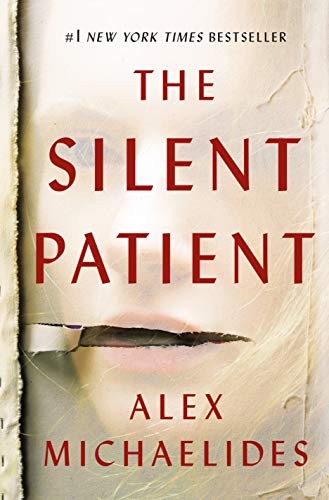
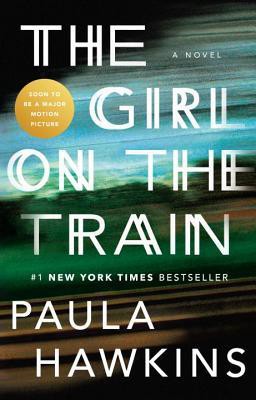
The Remains of the DayKazuo IshiguroThe purest literary unreliable narrator in English fiction. Stevens is not withholding information — he is reporting everything he observed with careful precision — but the gap between his formal account and what the reader understands from it is the entire novel. He genuinely believes his own self-assessment: that dignity in service is a professional virtue and that his suppression of personal feeling is a quality to be admired. The reader understands, long before Stevens approaches understanding, that this belief is a form of self-destruction. Ishiguro’s technique is exact: every detail Stevens provides is accurate and everything it implies he cannot see. LolitaVladimir NabokovThe most technically demanding unreliable narrator in the canon, because Nabokov makes Humbert Humbert’s voice genuinely beautiful, which is the formal challenge: the reader must simultaneously appreciate the prose and maintain the awareness that the prose is the instrument of a sustained self-exoneration. Humbert’s account of his relationship with Dolores Haze converts a criminal reality into an aesthetic one, and Nabokov builds in enough counter-evidence — Lolita’s actual reactions, the moments when the facade briefly slips — that the reader can see the truth he is constructing his account to conceal. The novel is an argument about how style functions as moral camouflage, which is the most serious argument any novel about voice can make. AtonementIan McEwanMcEwan’s unreliable narrator is a writer, and the novel’s formal argument is about what fiction does to truth when truth becomes unbearable. Briony Tallis’s act of false testimony as a child is the novel’s event, and the novel she has written — which the reader is reading — is the act of atonement the title promises. McEwan is interested in the specific unreliability of the writer-narrator, who has the power to revise events and the knowledge that revision is a betrayal. The last section, where the formal architecture of the preceding narrative is revealed, produces one of the most disorienting and morally precise endings in contemporary literary fiction. The Silent PatientAlex MichaelidesThe thriller unreliable narrator at its most efficiently constructed. Theo’s voice is reliable in the factual sense — everything he reports is accurate — but unreliable in the structural sense: the reader is not given access to the information that would reveal his position in the story, and the novel’s architecture withholds it without technically lying. The reveal works because Michaelides has played fair throughout — all the evidence was available — and because the thriller format, which conditions the reader to look for the criminal rather than the narrator, is itself the mechanism of misdirection. A technical study in how form can be weaponized to manage reader attention. In the WoodsTana FrenchFrench uses the crime fiction convention — the detective narrator who is outside the story they are investigating — to produce a narrator who is more deeply inside it than he knows or will admit. Rob Ryan’s unreliability is not strategic deception but genuine self-ignorance: he cannot access the traumatic memory that would explain his behavior, and the reader gradually perceives what he cannot. French is also doing something unusual for crime fiction: the unreliability is the point of the investigation, not a feature of the investigation’s subject. Rob’s limitation as a narrator is ultimately what makes him a limitation as a detective, and the novel refuses to resolve that equation in his favor. The Girl on the TrainPaula HawkinsThe unreliable narrator produced by damage rather than deception. Rachel Watson is not lying to the reader or to herself in any calculated sense — her alcoholism has genuinely destroyed her ability to distinguish between what happened and what she wanted to happen, or feared had happened. The formal interest of her narration is that it enacts a specific kind of unreliability rather than simply announcing it: the reader experiences the same uncertainty Rachel experiences, because the text has access only to what she has access to. The thriller mechanics are efficient, but the more serious argument is about how trauma and addiction construct an alternative epistemology that the person inside it cannot see past. Who This Is For
Readers who are interested in how fiction works as well as in what it says — who want to understand why a narrative feels unstable and what that instability is doing, rather than simply experiencing it as a surprise. Also readers who have been disappointed by thrillers marketed as “unreliable narrator” books that turned out to be merely books with twists. The literary fiction and thriller and mystery catalogues both have more books where narration itself is part of the argument.
Frequently Asked Questions
Q: What is the difference between an unreliable narrator and a plot twist?
A: A plot twist is informational — you find out something you were not told. An unreliable narrator is epistemological — the narrator’s way of knowing is itself the subject, and the reader’s growing understanding of its limits is the novel’s central experience. Many thrillers marketed as unreliable narrator books are simply books with twists, which is not the same thing.
Q: Is Humbert Humbert in Lolita supposed to be sympathetic?
A: No, and Nabokov built counter-evidence into the novel to ensure that readers who engaged with the prose aesthetically would still have access to the truth underneath. The formal argument is that a beautiful voice is not evidence of a credible or moral perspective. Humbert is the most extreme case of the general problem the novel identifies: that we tend to extend sympathy to people who narrate well.
Q: What makes The Remains of the Day more than just an unreliable narrator story?
A: The unreliability is not a device but the subject. Stevens’s self-deception is not a formal trick to produce a reveal — it is Ishiguro’s argument about a specific kind of English character and a specific way of sacrificing inner life to institutional identity. The novel would be the same novel even if the reader never perceived the gap between Stevens’s self-assessment and the truth, which is how you know the unreliability is doing real work rather than serving plot.
Q: What should I read after Atonement if I want more McEwan?
A: Saturday and On Chesil Beach both use a tighter timeframe and more direct narration but share Atonement’s preoccupation with the gap between what people understand about their own actions and what those actions actually mean. For the formal complexity specifically, The Comfort of Strangers uses an even more controlled unreliability to more disturbing effect.
Not sure which of these is right for you specifically? The Pagesmith quiz matches you to books based on your mood, pacing preference, and reading goals, not bestseller lists. Takes two minutes.