New York, New York: The Best Novels Set in the City
New York in fiction is not just a setting but an argument -- about ambition and its cost, about class and reinvention, about the specific gap between the life people imagined when they arrived and the one they got. The best New York novels use the city the way the best historical fiction uses its period: as the subject.
June 2026 · 8 min read · The Pagesmith
New York has produced more great literary fiction than any other American city, and not by accident. The city’s specific combination of extreme density, extreme inequality, and the mythology of reinvention creates conditions that fiction is uniquely equipped to examine. Everyone in New York exists at close quarters with people living entirely different versions of the same city, and this proximity without integration — the wealth and the poverty separated by a street, the ambition and the failure occupying the same building — is the condition that makes the city’s best fiction possible. These novels are not set in New York the way a novel might be set in, say, Cleveland: the city is not simply where the story happens but what the story is about, and none of them could be moved to another location without ceasing to be themselves.
What New York Novels Do Best
The specific literary tradition of New York fiction is organized around two interconnected subjects: ambition and class. The city’s mythology — that anyone can make it here if they have sufficient will and talent — is simultaneously the most powerful engine of aspiration and the most complete mechanism for concentrating disappointment when the mythology meets the reality of inherited advantage and structural exclusion. Fitzgerald’s Gatsby and Wharton’s Newland Archer are both organized around this gap, a century apart. The novels here are all organized around some version of the same question: what happens to people who come to or grow up in a city that promises everything and delivers that promise selectively?
The best New York novels understand that the city is not one place but many overlapping ones, separated by class and race and circumstance, and that the tragedy and the comedy of New York both derive from how rarely those overlapping worlds actually see each other.
The Books
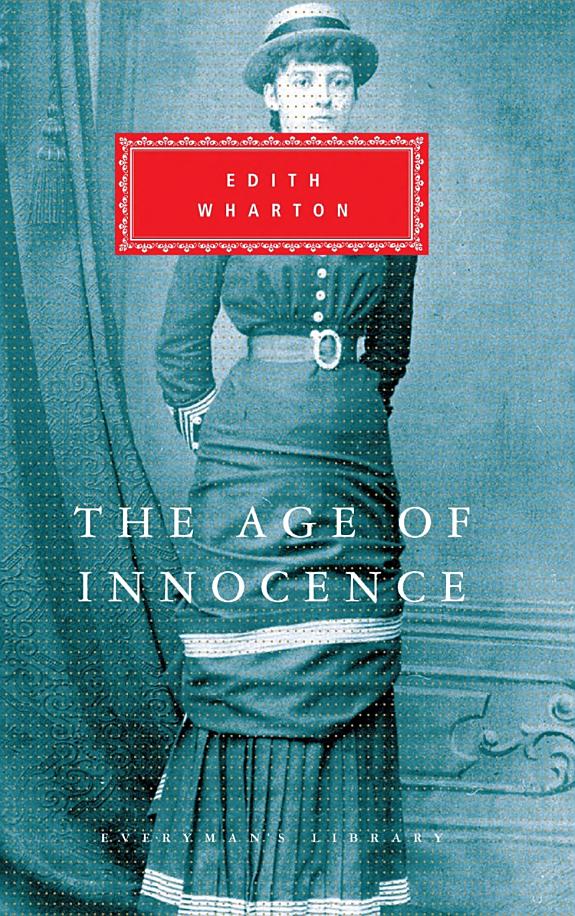
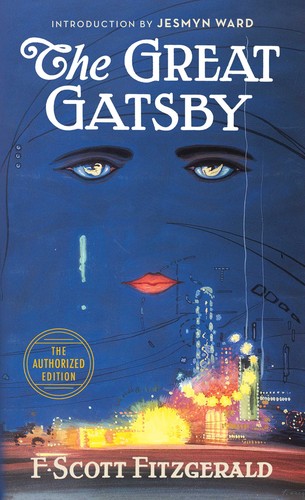
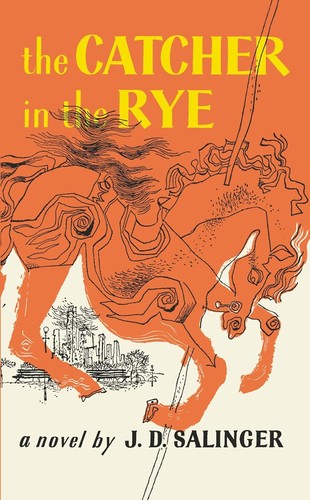
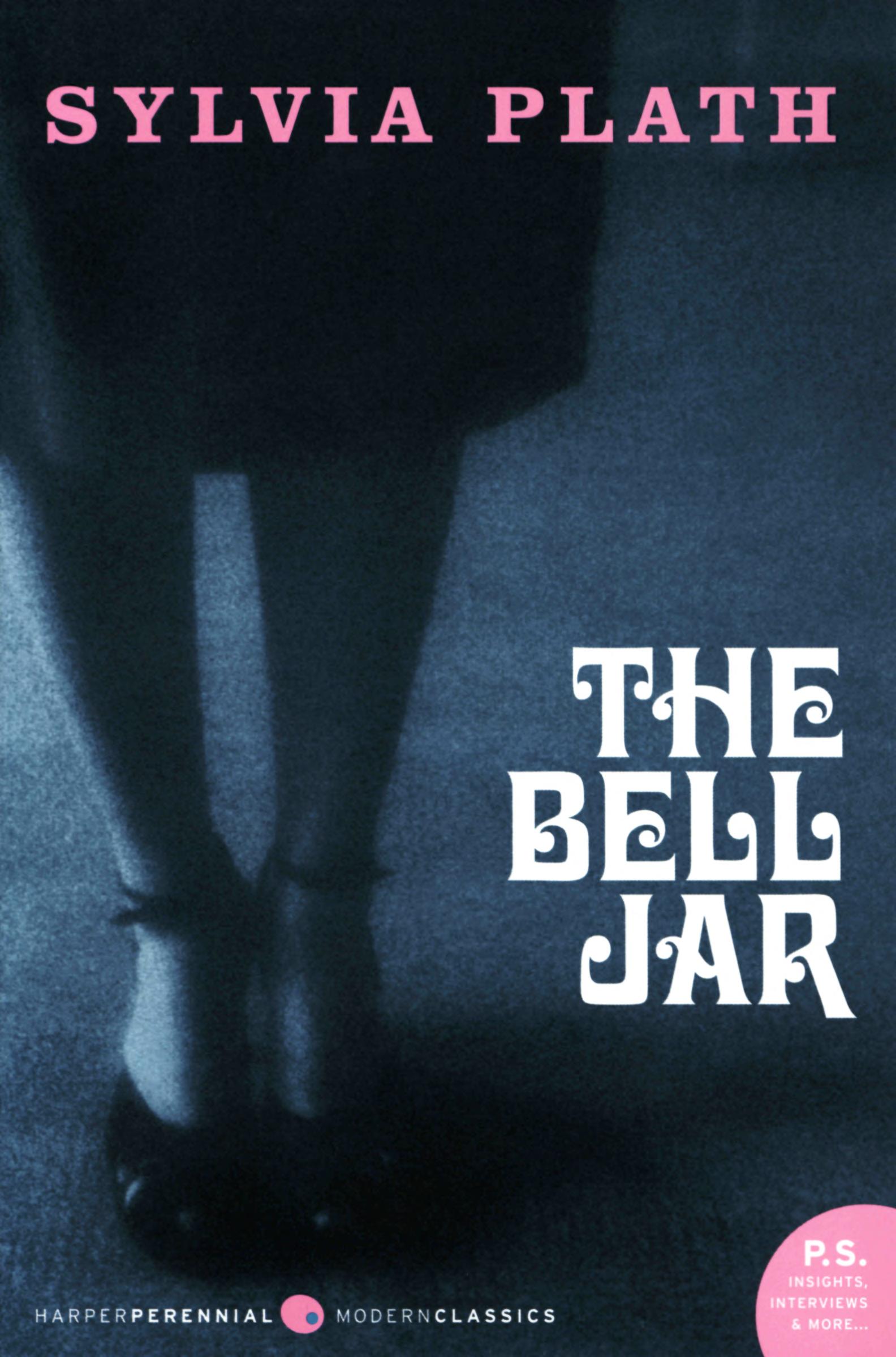
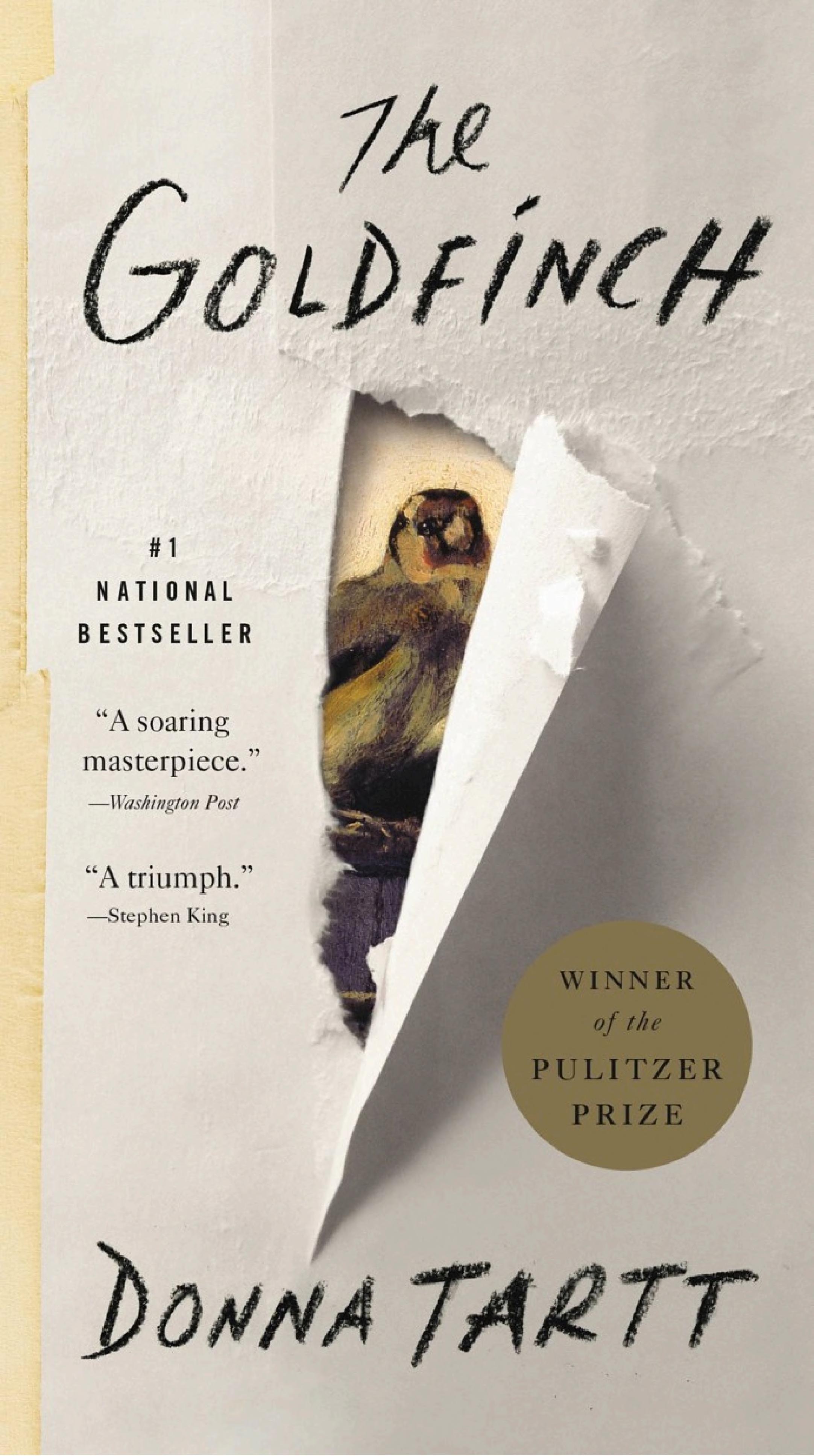
The Age of InnocenceEdith WhartonWharton’s Pulitzer-winning novel is the most precise account available of New York as a social system: the Gilded Age upper class in the 1870s, its codes and exclusions and the specific violence it does to people who don’t conform to them. Newland Archer’s inability to choose Ellen Olenska over May Welland is not simple cowardice but the result of a social formation so complete that defection from it is literally inconceivable as a sustained project rather than a fantasy. Wharton renders the city’s social architecture with the precision of an insider who has decided to examine what she was formed by, and the result is the most complete portrait of New York’s ruling class ever put in fiction — all the more damning for being written from inside it. The Great GatsbyF. Scott FitzgeraldFitzgerald’s Long Island novel is not set in New York City but is organized by it: the city is where the parties are, where Tom Buchanan’s carelessness is located, where the valley of ashes separates new money from old. Gatsby’s parties happen in West Egg, but everything he wants — the world Daisy represents, the class position he cannot quite reach — is located across the water in the city’s specific geography of privilege. Fitzgerald invented the American novel of ambition and its cost, and the specific New York geography is the argument: new money and old money are separated by water and by class codes that water does not wash away, and the green light is visible across the harbor precisely because it is on the other side. The Catcher in the RyeJ.D. SalingerSalinger’s New York is the city as seen by a sixteen-year-old who is too intelligent to be deceived by its performances and too young to have developed the mechanism for living with the knowledge that most people are performing most of the time. Holden Caulfield’s three days in Manhattan are organized around his refusal to accept the phoniness he sees everywhere, and the Central Park lagoon — where do the ducks go when the pond freezes over? — is the novel’s most resonant image of the city’s indifference to the people navigating it. Salinger uses the specific geography of postwar upper-middle-class Manhattan with enough precision that the novel is also a portrait of a specific social world at a specific historical moment, which is why it remains more than a novel about adolescent alienation. The Bell JarSylvia PlathPlath’s New York is the city as a contest that women are allowed to enter but not to win on their own terms: the summer magazine internship in 1953, the specific social and professional pathways available to a smart young woman from New England, and the gap between what the city seems to offer and what it actually provides to someone who wants something that the available frameworks don’t accommodate. The bell jar of the title is a structure of the mind, but it is also a structure of the city — the specific way that New York’s apparent openness conceals a set of constraints that become visible only when a person tries to navigate outside them. The most formally direct New York novel about the gap between what the city promises women and what it delivers. The GoldfinchDonna TarttTartt’s Pulitzer-winning novel covers more than one city — Las Vegas and Amsterdam are important locations — but New York is the gravitational center, and the Upper East Side world into which Theo Decker is temporarily absorbed is one of the most fully rendered versions of the city’s aspirational upper class since Wharton. Tartt uses the painting — the small Dutch golden age work that Theo carries through the novel — as the organizing argument: an artifact that has survived centuries of disorder and that represents everything the city’s surface promises about permanence and beauty, while Theo’s actual New York life demonstrates how completely those promises fail anyone without inherited structural support. The most contemporary entry on this list and the longest. A Little LifeHanya YanagiharaYanagihara’s novel is the most extreme and the most contemporary New York novel on this list: a city where four college friends can achieve extraordinary professional success — legal eminence, critical acclaim, architectural achievement — while one of them is being destroyed by damage that the city’s professional and social world cannot access or address. Yanagihara’s New York is the city at the furthest distance from Wharton’s: a world where class restrictions have been replaced by meritocratic ones, where success is available to people with talent and drive regardless of origin, and where the one thing that remains unchanged is the complete inadequacy of institutional support for internal damage. The most devastating New York novel written in the twenty-first century and the one that most completely tests the limits of what fiction about suffering can do. Who This Is For
Readers who want New York fiction that uses the city argumentatively — who are interested in what the specific social geography of Manhattan, the mythology of reinvention, and the concentrated proximity of extreme wealth and poverty produce in the people navigating them. Also readers who love literary fiction and want to understand how one city has generated such a sustained tradition of it. The literary fiction and contemporary fiction catalogues have more.
Frequently asked questions
Q: What makes New York such a productive setting for literary fiction?
A: The combination of proximity and segregation — people from radically different class backgrounds occupying the same small geography while living in worlds that barely intersect — creates conditions of social observation that fiction is specifically equipped to examine. The mythology of arrival (anyone can make it here) combined with the reality of structural inequality creates the specific kind of irony that literary fiction uses as fuel. Every New York novel is, at some level, about the gap between the city’s promise and its delivery.
Q: Is A Little Life appropriate for all readers?
A: No. It contains extended, detailed depictions of childhood abuse, trauma, and self-harm, and is among the most intense reading experiences in contemporary American fiction. Readers who are sensitive to these subjects or who are themselves processing related trauma should approach with care or skip it entirely. The novel’s emotional ambitions are genuine and its craft is extraordinary; neither is a reason to read it if the content is dangerous for a particular reader.
Q: Is The Catcher in the Rye still relevant?
A: More than its reputation as a “teenage alienation” novel suggests. Read as a New York novel rather than a coming-of-age novel, it is a precise account of a specific class world in a specific historical moment — postwar upper-middle-class Manhattan — that has aged into historical fiction. Holden’s complaints about phoniness are also, if read unsympathetically, a critique of a privileged child who has been given everything and whose alienation is partly a refusal to acknowledge that the city he is navigating so freely is unavailable to most people his age.
Q: What should I read after The Age of Innocence?
A: The House of Mirth is Wharton’s earlier New York novel and the more formally devastating: Lily Bart’s fall through the social hierarchy, and the specific mechanisms by which the Old New York world excludes and destroys the person who tries to navigate it without sufficient resources, is among the most precise accounts of class mobility’s limits in American fiction. The Custom of the Country is her most satirical New York novel, organized around a social climber rather than a victim.
Not sure which of these is right for you specifically? The Pagesmith quiz matches you to books based on your mood, pacing preference, and reading goals, not bestseller lists. Takes two minutes.