6 Essential Nonfiction Books That Genuinely Changed How People Think
The nonfiction that lasts is not the kind with the most information but the kind that introduces a new framework -- a way of seeing something that the reader cannot unsee after encountering it. These six did that at scale.
June 2026 · 8 min read · The Pagesmith
Most nonfiction books add information to a subject the reader already understands. A small number of books do something different: they introduce a framework that reorganizes the subject entirely, so that the reader’s understanding of it is permanently different after the book than it was before. The distinction is between learning a new fact and acquiring a new lens. Yuval Noah Harari’s claim that Homo sapiens’ dominance of the planet is explained by our unique ability to believe in collective fictions — money, nations, corporations, human rights — is not a fact that can be added to prior knowledge. It is a reorientation: once you have encountered it, you cannot go back to thinking about human history without it as an organizing principle, even if you argue with specific aspects of the argument. The books here are all in this second category. They were read by millions of people and changed what it meant to think about the subjects they addressed.
What Makes a Framework-Shifting Book Different
The test is whether a reader who has finished the book can return to thinking about the subject the way they thought before. Can you think about decision-making after Kahneman without the System 1/System 2 distinction? Can you think about race in America after Coates without the concept of plunder as distinct from poverty? Can you think about how you spend your time after Burkeman without the four-thousand-weeks frame? These are not arguments that can be agreed with or refuted and then set aside. They are conceptual tools that the reader retains and uses, regardless of whether they would describe themselves as having been persuaded.
The most powerful nonfiction books are not the ones that prove their argument but the ones that give the reader a new instrument of thought — a way of seeing something that makes previously invisible structures visible, and that the reader cannot put down once they have picked it up.
The Books
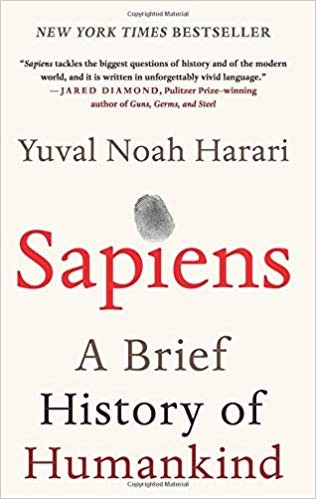
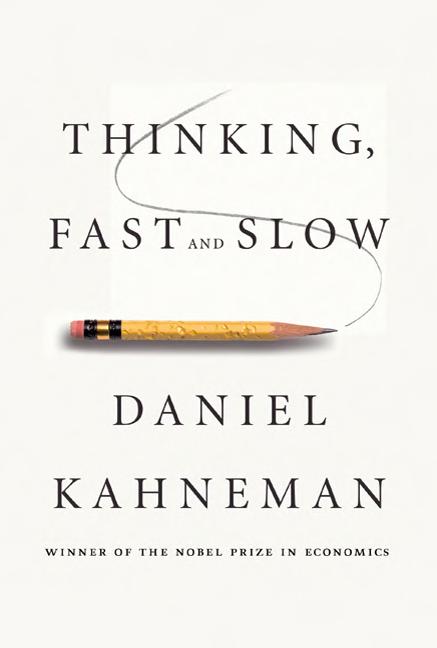
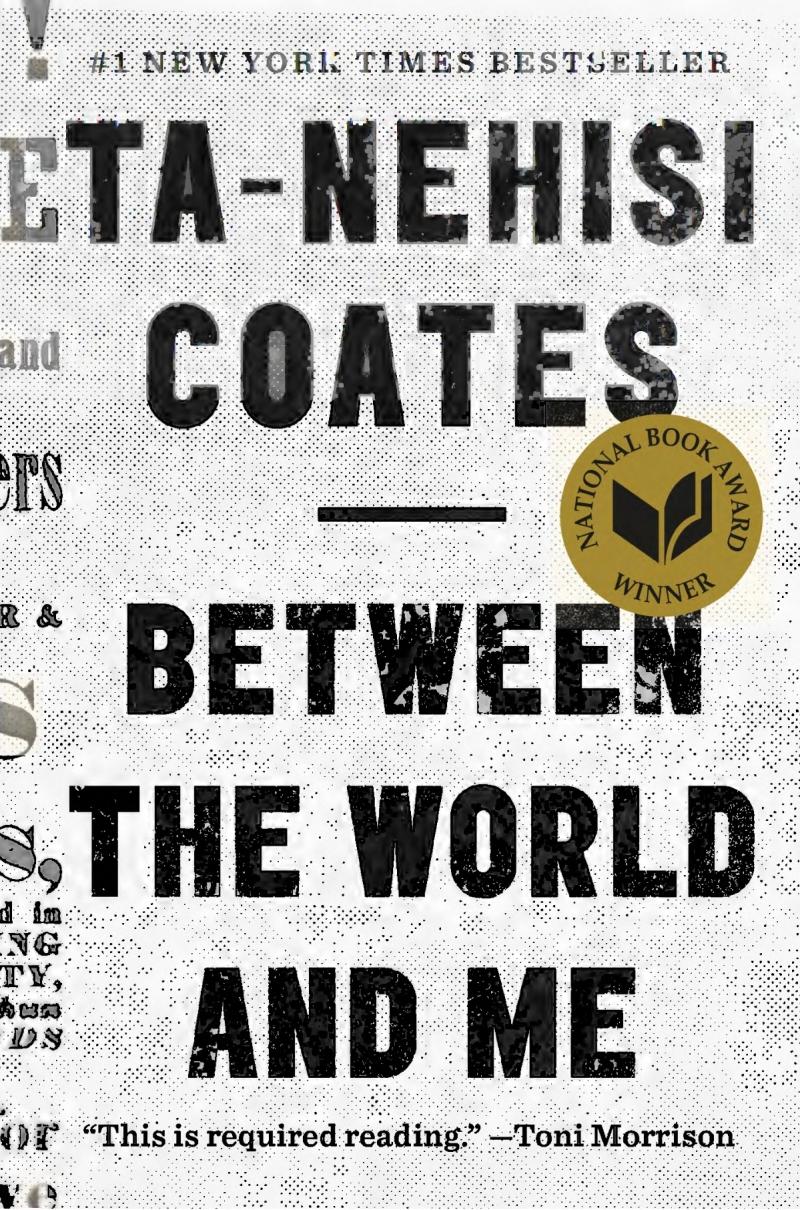
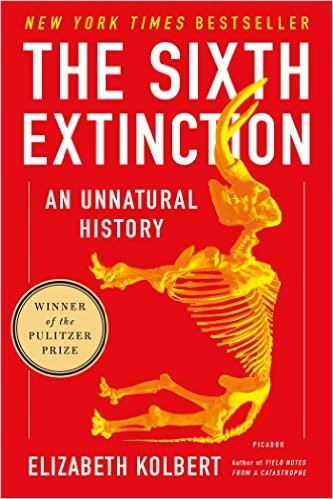
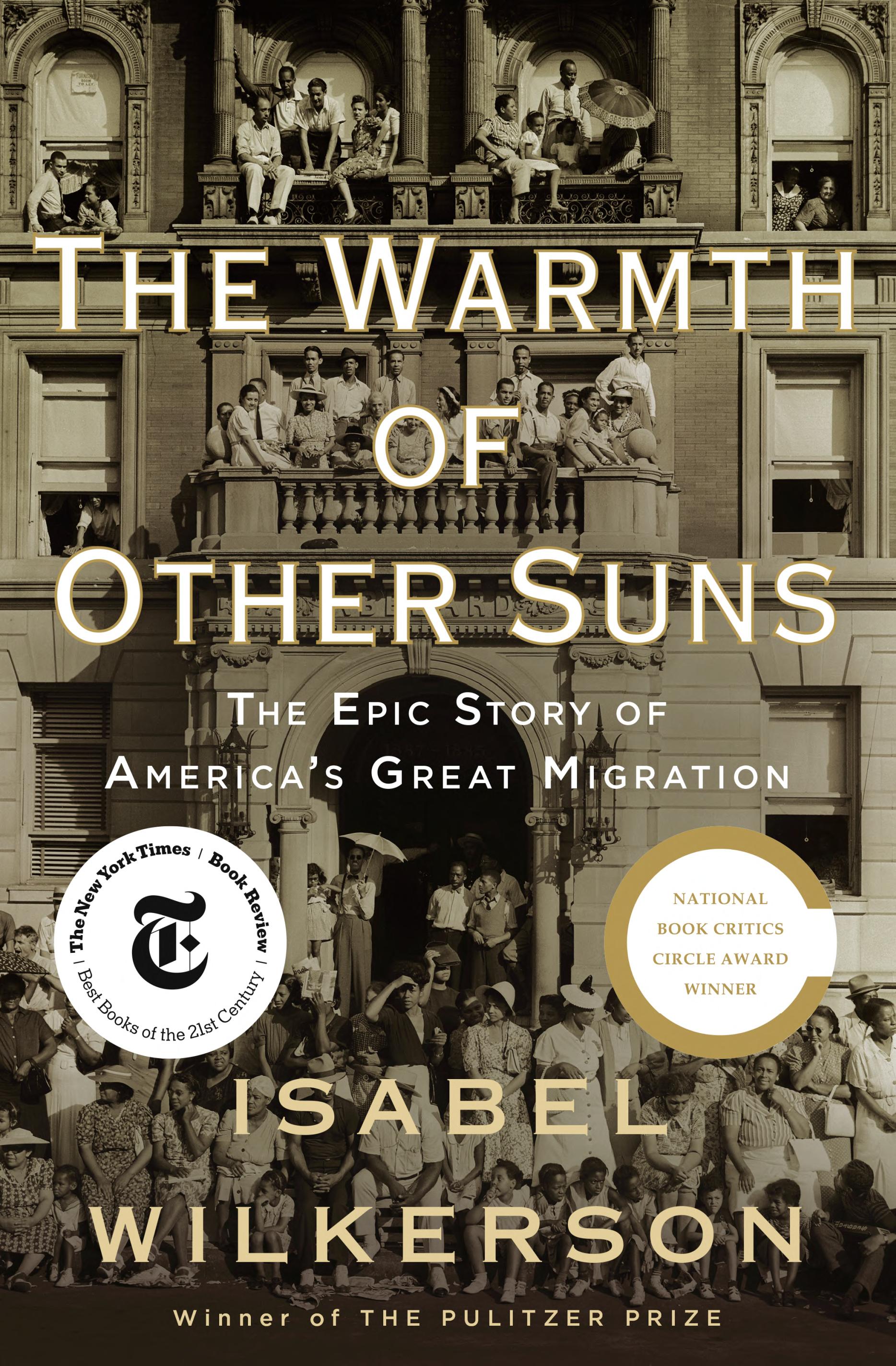
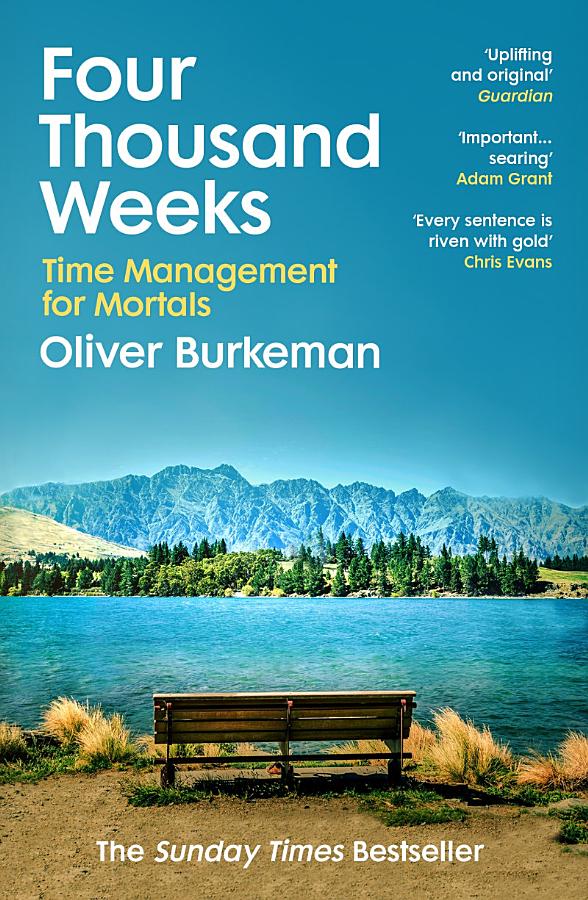
Sapiens: A Brief History of HumankindYuval Noah HarariHarari’s central argument — that Homo sapiens dominate the planet because of our unique ability to cooperate around shared fictions, and that money, religion, nations, and human rights are all equally constructed — is the most widely distributed framework-shifting idea in popular nonfiction of the past decade. The book has been criticized by specialists for oversimplification, and some of those criticisms are valid. What matters for its place on this list is what it did at scale: it gave millions of readers a way of seeing the distinction between physical reality and social construction that reorganized their understanding of institutions they had previously taken as given. Most readers who finish Sapiens cannot think about money or nations in quite the same way afterward. Thinking, Fast and SlowDaniel KahnemanKahneman’s summary of decades of behavioral economics research introduced the System 1/System 2 distinction — fast, intuitive, automatic thinking versus slow, deliberate, effortful thinking — to a general readership, and the distinction has been so thoroughly absorbed into public discourse about decision-making, bias, and rationality that it is now difficult to have a serious conversation about any of those subjects without it. The research behind the book has been subject to the replication crisis affecting much of psychology, and some of the specific studies Kahneman cites have not replicated. The framework remains the most useful available popular account of how human judgment systematically departs from the rationality economists assumed. Between the World and MeTa-Nehisi CoatesCoates’s letter to his teenage son introduced two frameworks that have become central to American discussions of race: the concept of plunder — not prejudice or poverty but the specific, ongoing extraction of Black wealth and safety by white institutions — and the concept of the Dream — the American mythology of progress and fairness that requires not-seeing that extraction in order to maintain itself. Both frameworks were available in the academic literature Coates drew on; his achievement was making them viscerally legible through the specific form of a father’s letter, grounded in the physical reality of a Black body navigating America. Few nonfiction books have changed as many readers’ vocabulary for a subject as quickly as this one. The Sixth ExtinctionElizabeth KolbertKolbert’s Pulitzer-winning argument — that we are living through a mass extinction event comparable to the five previous ones in Earth’s history, caused by human activity, and visible right now in the work of biologists documenting specific species’ disappearances — changed how a generation of educated readers understood the phrase “environmental crisis.” Before The Sixth Extinction, most readers understood climate change and biodiversity loss as separate issues with separate vocabularies; Kolbert’s systematic comparison with geological mass extinction events provided a single framework that reorganized both. The book is also, importantly, a model of how to write about scientific research for general readers without falsifying the complexity of the research. The Warmth of Other SunsIsabel WilkersonWilkerson’s account of the Great Migration — the movement of six million Black Americans from the South to the North and West between 1915 and 1970 — changed how Americans understand the demographic and cultural geography of their country. Before Wilkerson, most general readers thought of the Great Migration as a background fact of twentieth-century American history; after her, they understood it as a refugee movement, organized by specific individual decisions made under specific conditions of violence and restriction, that shaped every major Northern and Western American city. Wilkerson builds the historical argument through three individual biographies, which is the method that makes the scale of the migration legible rather than merely known. Four Thousand WeeksOliver BurkemanBurkeman’s argument is the most formally modest on this list and the one that most directly changed its readers’ daily relationship to their own lives: the average human lifespan is about four thousand weeks, and no amount of productivity optimization will change the fundamental condition of finitude that this implies. The framework-shift Burkeman produces is not about productivity but about its opposite — the recognition that the feeling of never having enough time is not a problem to be solved through better organization but a feature of finite human existence that must be accepted rather than managed. For readers embedded in productivity culture, the book functions as a reorientation: not more efficiency but a different relationship to the impossibility of doing everything. Who This Is For
Readers who want nonfiction organized around genuine argument rather than information accumulation — who are specifically looking for books that will change how they think about a subject rather than adding to what they know about it. Also readers who have finished one of these books and want to understand what tradition of public intellectual writing it belongs to. The nonfiction catalogue has more in this direction.
Frequently asked questions
Q: Is Sapiens accurate?
A: Accurate enough for its purpose, which is to provide a usable framework rather than a research-grade account. Harari draws on mainstream scholarship but is a synthesizer rather than an original researcher, and specialists in various periods have identified oversimplifications and errors. The framework-shifting value of the book — the shared fictions argument — is broadly accepted among social scientists even where specific details are contested. Read it as a provocation rather than as an authority.
Q: Is Between the World and Me difficult to read emotionally?
A: Yes. Coates writes about the physical vulnerability of Black bodies in America with a directness that some readers find difficult to sustain. The book is 152 pages and is written in a sustained state of controlled grief that is formally beautiful and emotionally demanding. It is worth the difficulty; it is also worth being prepared for it.
Q: Has the research in Thinking, Fast and Slow been superseded?
A: Some of it. The replication crisis in psychology has shown that several studies Kahneman cites have not replicated under rigorous conditions, and the field has moved on in some areas. The core System 1/System 2 framework remains widely used and has survived better than many of the specific studies. The book should be read as a useful model rather than as settled science.
Q: What should I read after Four Thousand Weeks?
A: Burkeman’s earlier book, The Antidote, covers related ground from the direction of Stoicism and negative thinking. For a more academic treatment of the same questions, William James’s essays on pragmatism and mortality are the intellectual ancestors Burkeman draws on. For fiction that explores the same finitude argument, The Old Man and the Sea and Stoner both render the question of how to live a finite life in the most vivid available terms.
Not sure which of these is right for you specifically? The Pagesmith quiz matches you to books based on your mood, pacing preference, and reading goals, not bestseller lists. Takes two minutes.