What to Read After The Women by Kristin Hannah
The Women earns its emotional weight by insisting that Frances's service was real, dangerous, and systematically erased from American memory. These books share that interest: war rendered through individual sustained experience rather than strategy, and through the people the official record tends to forget.
June 2026 · 8 min read · The Pagesmith
The Women is a Vietnam War novel in which almost no combat happens. Frankie McGrath is an Army nurse; she saves lives rather than taking them, and the war she experiences is the war of the hospital tent and the medevac helicopter and the specific psychological weight of watching men die who could not be saved. Hannah’s achievement is insisting that this experience was as formative, as traumatic, and as worthy of literary attention as the experience of the soldiers — and that the decision not to welcome women veterans home the same way was not an oversight but a choice. The books here are organized around the same structural commitment: war fiction that takes seriously the people and the experiences that official military history and most genre war fiction leave out. Some of them are about combat, but none of them are about combat from the vantage point of command. All of them render what it is actually like to be a human being inside a war, rather than what the war looked like from above.
What Sets Honest War Fiction Apart
Most war fiction makes a choice between two registers: the heroic and the anti-heroic. The heroic register produces combat as meaningful test, sacrifice as ennobling, and the veteran as someone who has earned a specific moral authority. The anti-heroic register produces war as absurdist horror, sacrifice as waste, and the veteran as a casualty of institutional stupidity. Both registers are real and both have produced great literature. What The Women does differently is refuse both — Frankie’s service is neither ennobled nor wasted, but simply experienced, survived, and then made invisible by the country she returned to. The books here are all interested in that third register: war as something that happens to specific people in specific circumstances, producing specific psychological and social consequences that the official registers cannot fully accommodate.
The most honest war fiction is not organized around what the war meant. It is organized around what it felt like to be inside it — the specific texture of daily experience under extreme conditions — and what the people who survived it had to carry home.
The Books
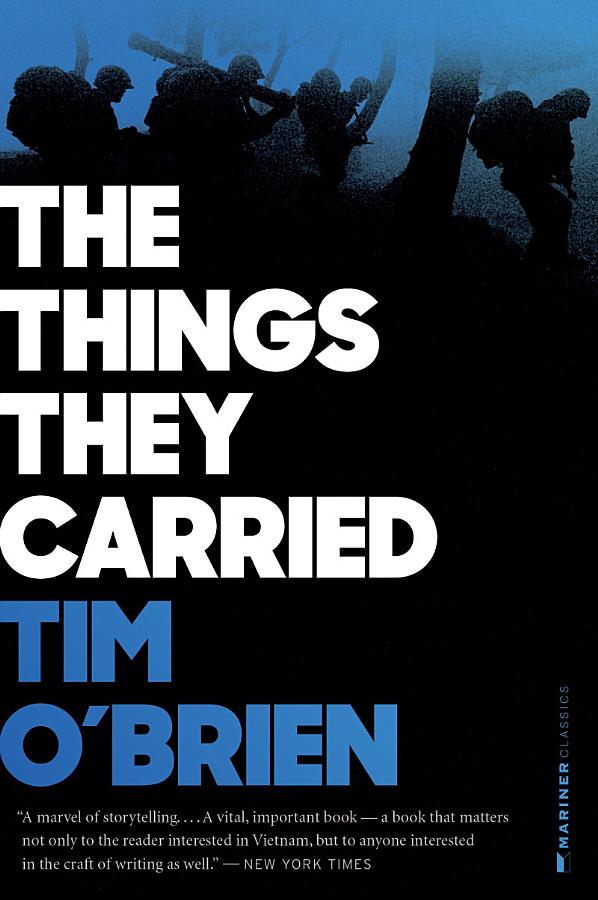
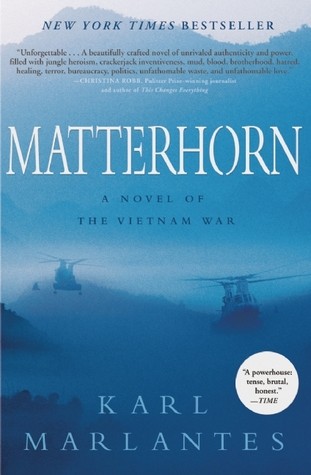
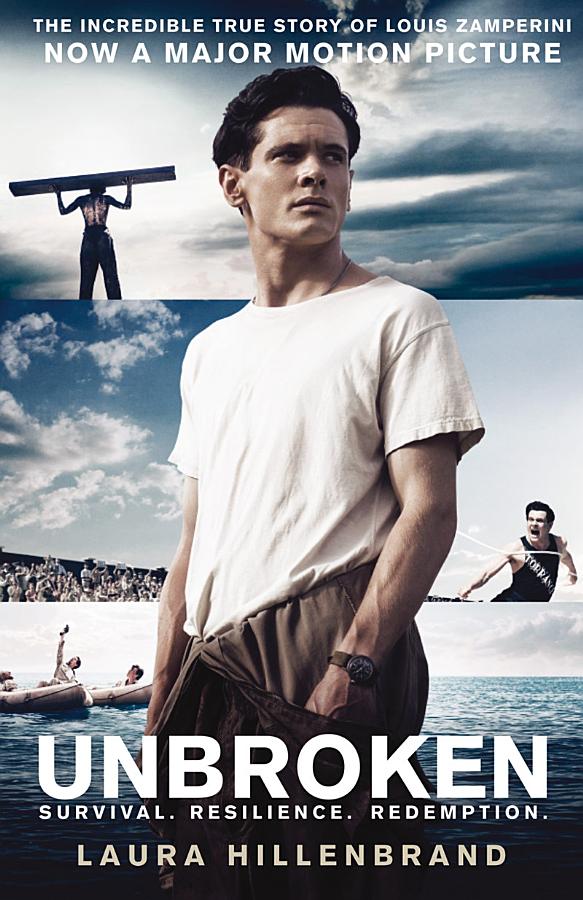
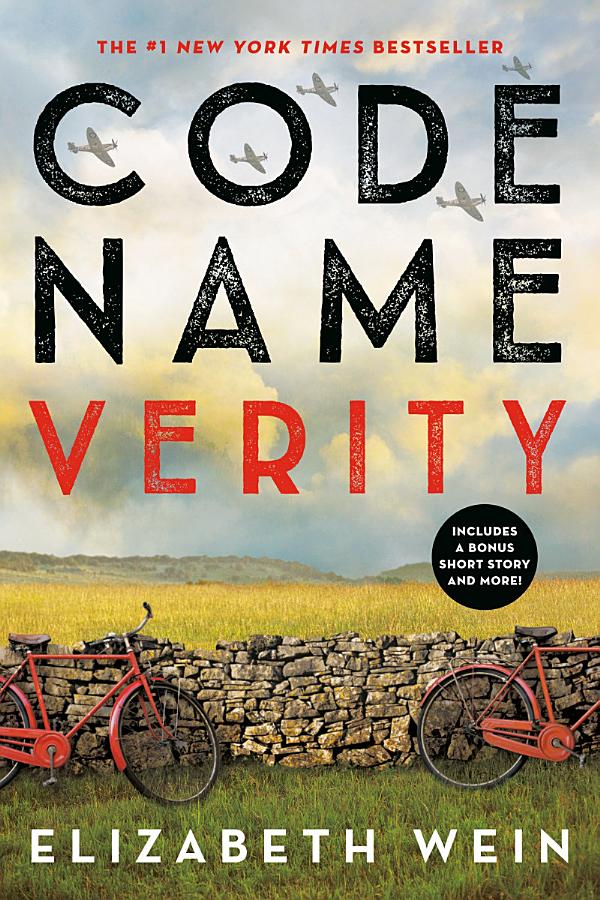
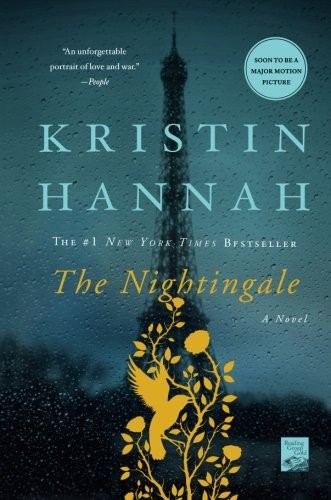
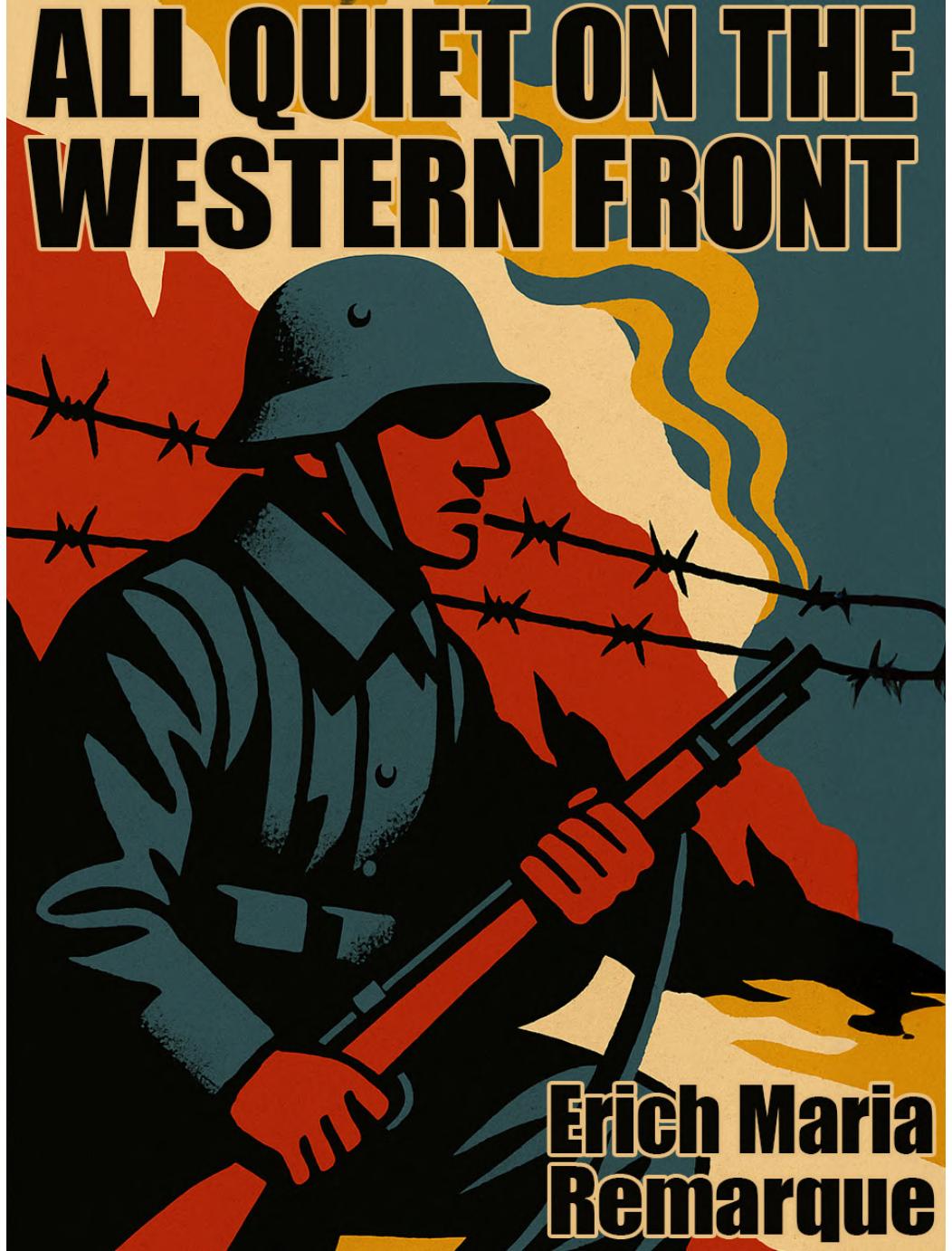
The Things They CarriedTim O’BrienThe essential Vietnam War literary text, and the one that most directly shares The Women’s interest in what the war did to the people inside it rather than what it produced in strategic terms. O’Brien’s linked stories are organized around the question of what a true war story is — whether the honest version is ever the one that actually happened, and whether the gap between what occurred and what can be told about it is itself part of the war’s damage. Where Hannah focuses on the erasure of women’s experience after the war, O’Brien focuses on the distortion of men’s experience during and after. Together they describe a war that no official account has ever fully contained. MatterhornKarl MarlantesThe most complete ground-level account of the Vietnam War available in fiction, written by a Marine veteran who spent thirty years getting it right. Where Hannah renders the war through a nurse’s experience, Marlantes renders it through the grunts who fought it — their class backgrounds, the racial tensions within the platoon, the institutional cynicism that sent men to take a hill and then abandoned it, and the specific bonds that develop among people under sustained mortal threat. The novel is devastating about what the war asked of very ordinary men, and it shares The Women’s central argument that the people inside the war experienced something that the people who sent them there never fully understood or acknowledged. UnbrokenLaura HillenbrandHillenbrand’s account of Louis Zamperini’s survival — forty-seven days adrift on a raft, then years in Japanese POW camps — is the nonfiction entry on this list and the one that most directly parallels The Women’s structure: not the war as military event but the war as something that happens to a specific body over a sustained period, producing consequences that outlast the conflict by decades. The novel’s most important formal decision is where it ends: not at liberation but after it, in the years of nightmares and alcohol and the specific psychological cost of having survived what he survived. Hannah makes the same choice about Frankie’s homecoming. Both books understand that the damage continues after the danger ends. Code Name VerityElizabeth WeinThe most directly parallel female-experience-of-war novel on this list: two women doing dangerous work in WWII who are not soldiers but are as fully inside the war as any combatant. Julie and Maddie’s friendship is the emotional center in the same way that Frankie’s relationships are the center of The Women — Wein understands, as Hannah does, that what sustains people inside an extraordinary situation is their bonds with specific other people rather than any abstract cause. The structural twist is earned rather than clever, and the novel shares The Women’s specific argument that women’s wartime contributions and women’s wartime friendships are worth the full attention of serious fiction. The NightingaleKristin HannahHannah’s earlier novel applies the same formal commitment to WWII France — civilian women rather than military nurses, the Occupation rather than Vietnam, but the same insistence that what women did and experienced during the war is worthy of the full weight that literary fiction can provide. Vianne and Isabelle’s incompatible choices under the same impossible conditions give the novel its moral complexity, and Hannah’s refusal to make either sister simply right is the same refusal she brings to The Women. For readers who want to understand Hannah’s full project, the two novels read as companion pieces: different wars, different forms of female service, the same argument about whose wartime experience gets remembered and why. All Quiet on the Western FrontErich Maria RemarqueThe foundational modern anti-war novel and the one that most completely established what honest war fiction can do that official war narratives cannot. Paul Baumer’s account of the Western Front is not about battle tactics or national purpose but about the specific texture of trench life: the waiting, the wounds, the specific quality of camaraderie among people who know they may die, and the progressive impossibility of imagining returning to ordinary life. Remarque’s novel is a hundred years old and still the clearest statement of what Hannah is doing in The Women: insisting that the human experience of war — as lived by the people inside it, not reported by the people observing it — is the only true account of what war is. Who This Is For
Readers who finished The Women understanding that its subject was not Vietnam specifically but the erasure of women’s wartime service from American memory, and who want war fiction organized around the same inside-experience commitment. Also readers who find most military fiction too focused on tactics or heroism and who want books that take seriously what war does to the humans it uses. The historical fiction catalogue has more in this territory.
Frequently asked questions
Q: What is The Women by Kristin Hannah about?
A: Frances McGrath is an eighteen-year-old from an affluent California family who follows her brother to Vietnam as an Army nurse in 1965. The novel follows her across her years of service and her return to a country that has no framework for welcoming its women veterans. It is as much about the homecoming as the war itself — the specific experience of surviving something that the people around you refuse to acknowledge you survived.
Q: Is The Women as emotional as The Nightingale?
A: Most readers find The Women comparably devastating, with the homecoming chapters being the sections that produce the most difficult reading. The Women is more specifically organized around the systematic erasure of women veterans’ service, which gives the emotional weight a political dimension that The Nightingale’s more personal story does not have in the same way. Both justify their reputations.
Q: Is Matterhorn appropriate for readers who primarily read women’s fiction?
A: Matterhorn is explicitly about men and male bonds under extreme conditions, and it does not romanticize or soften the experience. It is worth reading after The Women precisely because the contrast clarifies something: both novels are about the same war producing the same kind of psychological damage, absorbed by very different people in very different circumstances. Readers who found The Women’s argument about erasure compelling will find Matterhorn’s ground-level account an important companion.
Q: What should I read after The Things They Carried?
A: O’Brien’s novel Going After Cacciato is his other major Vietnam fiction — a more surrealist and more formally experimental account of a soldier who walks away from the war and walks toward Paris. Matterhorn provides the conventional narrative structure that The Things They Carried deliberately avoids, and together they give the most complete literary picture of the Vietnam War available in fiction.
Not sure which of these is right for you specifically? The Pagesmith quiz matches you to books based on your mood, pacing preference, and reading goals, not bestseller lists. Takes two minutes.