7 Underrated Fantasy Novels You Need to Read
Fantasy's most visible books are not always its best. These seven novels represent a quieter tradition -- character-driven, philosophically serious, often stranger -- that does everything the genre can do without needing armies of thousands and maps in the front matter.
June 2026 · 8 min read · The Pagesmith
Fantasy has a discoverability problem. The genre’s highest-profile works — the sprawling epics, the endless series, the titles that occupy every bestseller list simultaneously — tend to crowd out a distinct and equally valid tradition of fantasy that operates at smaller scale, with more formal intelligence, more philosophical ambition, and more interest in character than in spectacle. The books here are not obscure: several have won major awards and all have devoted readers. But they are consistently underrepresented in the conversations that define what fantasy is, and readers who have been told that fantasy means either Tolkien-scale world-building or action-heavy romantasy often discover this tradition as a revelation. It has always existed. It is simply not the loudest version of the genre.
What the Quieter Fantasy Tradition Offers
The fantasy tradition these books belong to uses the genre’s fundamental tool — an impossible premise — not primarily for spectacle but for argument. Terry Pratchett’s Discworld novels are funny because the fantasy setting allows him to examine human institutions with a clarity that direct satire cannot achieve. Susanna Clarke’s Piranesi is moving because the impossible world it describes is the most precise fictional rendering of a specific kind of isolated consciousness available in any genre. These books earn the formal choice of fantasy — why invent a world when you could use the real one? — by doing something with it that realism cannot. That answer is never “to produce very big battle scenes.”
The best underrated fantasy novels prove that the genre’s invented worlds are not escapism but instruments — and the instrument is most powerful when it is deployed with precision rather than scale.
The Books
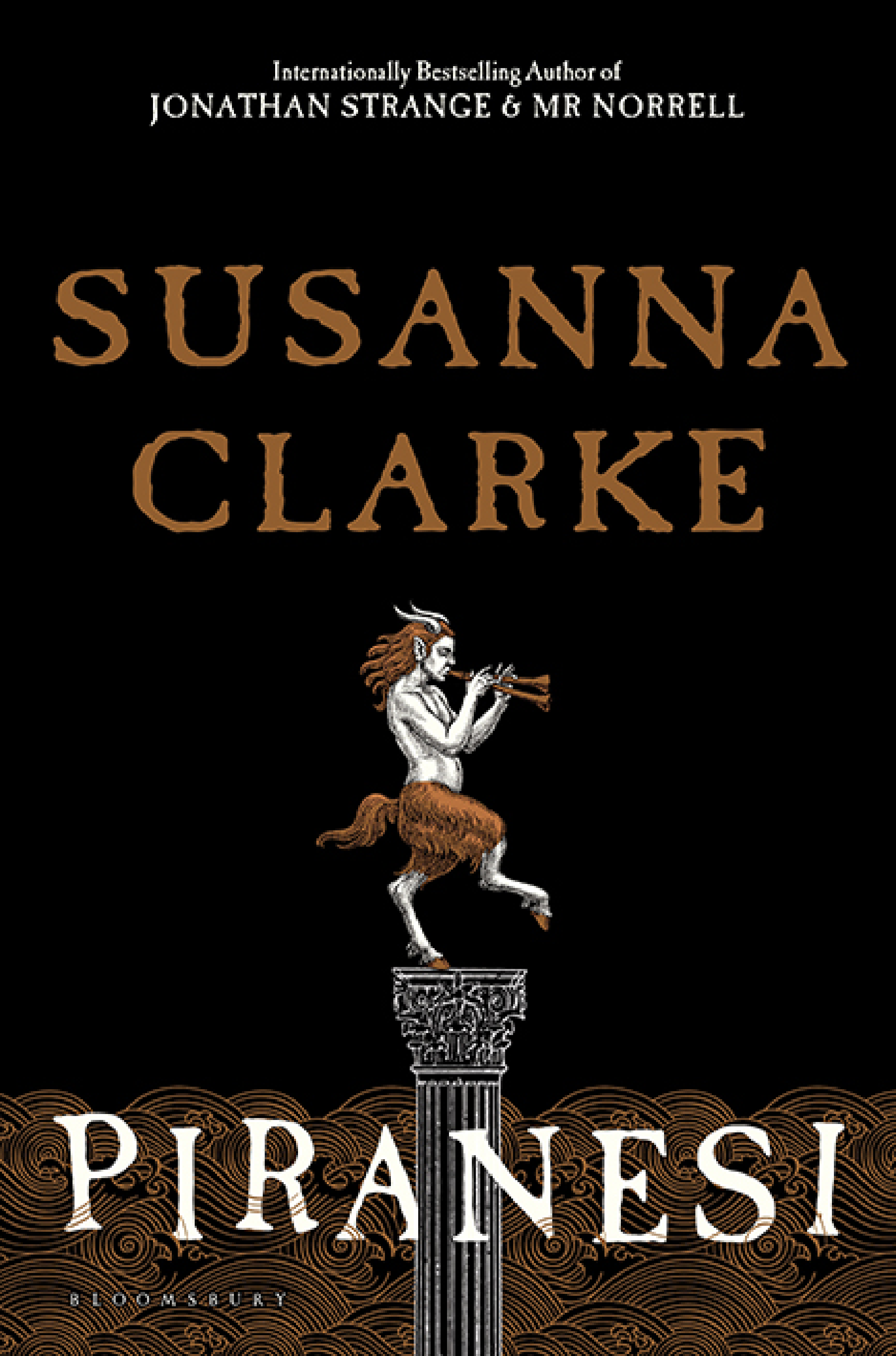
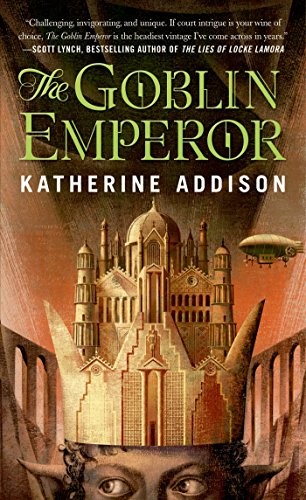
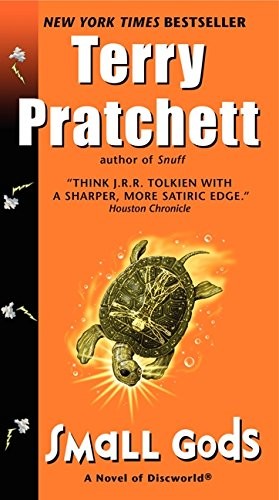
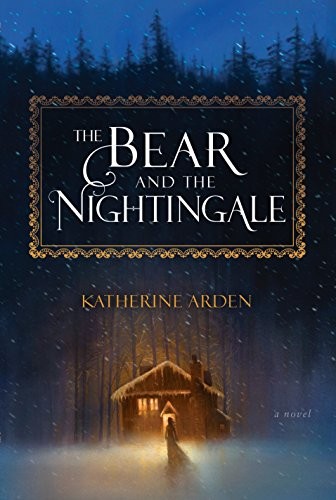
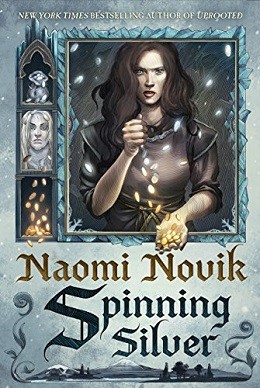
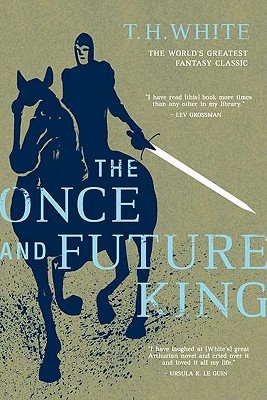
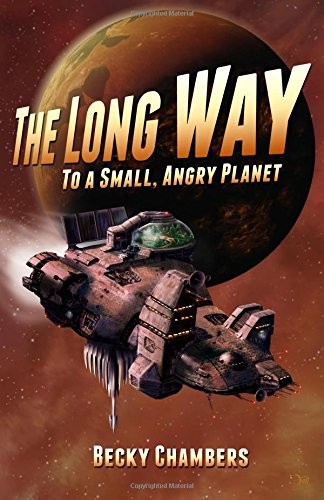
PiranesiSusanna ClarkeClarke’s second novel is the most formally pure fantasy on this list: a narrator who keeps a journal about the impossible house he inhabits, rendered with complete conviction about the house’s rules, tides, and statues. The book is 270 pages. It does more with its invented world than most fantasy novels do in 800. What makes it extraordinary is not the premise but the prose’s absolute fidelity to it — Clarke writes the house as if it is the only world that has ever existed, which gradually produces the experience of a consciousness being restored to something it had lost. One of the most original novels published in any genre in the past decade, and the right book for literary fiction readers who resist fantasy on genre grounds. The Goblin EmperorKatherine AddisonThe rarest thing in fantasy: a novel whose protagonist’s primary characteristic is genuine decency, deployed not as naivety but as strategy. Maia, half-goblin and unexpected emperor, navigates a court designed to destroy him through patience, attention to the dignity of the people around him, and a refusal to become cruel even when cruelty would be efficient. Addison writes the political and social texture of the court with enough specificity that Maia’s decency is tested against real obstacles rather than paper ones, and the novel’s argument — that goodness, practiced consistently and intelligently, is a viable position in a world organized around power — earns its warmth through the preceding honesty about how hard that position is to maintain. Small GodsTerry PratchettThe best entry point to Pratchett for readers who have been told he is primarily a comic writer. Small Gods is funny — the premise of a god reduced to a tortoise because his church has stopped believing in him while continuing to enforce belief is exactly as comic as it sounds — but the comedy is consistently in service of the most serious argument Pratchett ever made about the difference between genuine faith and institutional religion. Brutha, the one true believer in a church that has forgotten what belief is, is one of the great characters in the satirical tradition, and the novel’s ending is as moving as the best straight fantasy. Standalone, 350 pages, requires no knowledge of the broader Discworld series. The Bear and the NightingaleKatherine ArdenArden’s Russian folklore fantasy operates with a scholarly fidelity to its source material that gives the magic a specific weight — the domovoi and dvorovoi are not decorative but structural, bound by rules that predate the novel’s plot and that carry the accumulated weight of a real tradition. Vasya’s ability to perceive the household spirits when no one else can is not a superpower but an inheritance, and the novel is organized around the collision between that inheritance and the Christianization of Russia that is determined to eliminate it. The most atmospherically complete fantasy on this list: the Russian winter is rendered as a character, and the tension between old faith and new orthodoxy drives a plot that takes both seriously. Spinning SilverNaomi NovikNovik’s second standalone fairy-tale retelling is the more formally accomplished of her two novels and the one that most completely earns the label literary fantasy. Three women’s perspectives alternate across a Rumpelstiltskin-inspired story set in a Jewish-Eastern European fantasy world, and Novik is as interested in the economics of magic and moneylending as in the romance. Miryem’s competence at her family’s trade becomes magical power; Wanda’s physical labor becomes autonomy; Irina’s political marriage becomes agency. The novel is structured as an argument about women finding power in the specific conditions of their situation rather than transcending those conditions, and the fairy-tale architecture earns its happy ending by taking the difficulty genuinely seriously. The Once and Future KingT.H. WhiteWhite’s Arthurian retelling is the most underread major fantasy novel in the English language: a book that begins as charming children’s fantasy and ends as one of the most quietly devastating meditations on idealism and its limits in the tradition. Arthur educated by Merlyn in the bodies of animals is delightful; Arthur on the eve of his final battle is something else entirely. The shift from comedy to tragedy is managed across four books with the skill of a writer who understood that the Round Table’s failure was not the result of treachery but of the impossibility of building a just institution from human materials. The most complete novel on this list in terms of what it attempts, and one of the few that fully succeeds. The Long Way to a Small, Angry PlanetBecky ChambersIncluded here because Chambers represents an entire tradition of science fiction and fantasy that prioritizes community, warmth, and the texture of daily life over plot mechanics and external threat. The Wayfarer and its crew are not in a crisis most of the time — the novel is organized around the journey rather than the destination, and what Chambers is interested in is what it looks like to build a functional chosen family across species and temperaments in a confined space over a long time. For fantasy and science fiction readers who have been told the genre is not for them because it is too focused on war and spectacle: this is the counter-example. It is as warm as the best literary fiction and as formally inventive as the best speculative work. Who This Is For
Readers who have been disappointed by the genre’s most visible offerings and suspect there is better fantasy being written than what appears on the bestseller lists — who want speculative fiction that prioritizes character, philosophy, and prose precision over scale and spectacle. Also literary fiction readers who resist fantasy on genre grounds and want evidence that the best work in the genre can meet their standards. The fantasy catalogue has more in this direction.
Frequently asked questions
Q: Are these books part of series or standalones?
A: Piranesi, Small Gods, The Goblin Emperor, Spinning Silver, and The Once and Future King are all standalones or function as complete reading experiences on their own. The Bear and the Nightingale is the first of a trilogy; the sequels deepen the world but the first novel is entirely self-contained. The Long Way to a Small, Angry Planet is the first of the Wayfarers series; each book follows different characters in the same universe and can be read independently.
Q: What is the best Pratchett novel to read after Small Gods?
A: Night Watch is the most formally ambitious of the Discworld novels — a time-travel story that uses its premise to make an argument about revolution and the cost of idealism. Guards! Guards! is the funniest entry point to the Vimes/City Watch arc. Mort is the most accessible standalone. All three assume no prior knowledge of the series.
Q: Is The Once and Future King appropriate for adult readers, given its reputation as a children’s book?
A: Emphatically yes. The first book, The Sword in the Stone, reads as children’s fantasy and was published as such. Books two through four are not children’s fiction by any measure. The complete novel is one of the most serious meditations on political idealism available in fantasy literature, and the ending is among the most quietly devastating in the tradition.
Q: Which of these is the fastest read?
A: Piranesi at 270 pages. Small Gods at 350. The Goblin Emperor at 450. All three can be read in a weekend. The Once and Future King at 600 pages and The Long Way to a Small, Angry Planet at 450 pages take longer but both move quickly despite their length.
Not sure which of these is right for you specifically? The Pagesmith quiz matches you to books based on your mood, pacing preference, and reading goals, not bestseller lists. Takes two minutes.