Spy fiction has a reputation problem. The genre’s most visible face is fast, gadget-heavy, and more interested in spectacle than in the specific moral experience of espionage: the managed deception, the institutional loyalty that curdles over decades, the moment when an operative realizes the organization he has given his life to does not share his values and never did. The books that built the genre’s serious reputation — le Carre above everyone else — are spy novels in the same way that All Quiet on the Western Front is a war novel: the genre is the container, and what is inside it is something considerably more demanding. The best spy novels use the architecture of the genre, secrets, double agents, operations that go wrong, to examine questions about trust, identity, and the moral cost of serving power that no other form handles as cleanly.
What Separates Serious Spy Fiction from the Thriller Shelf
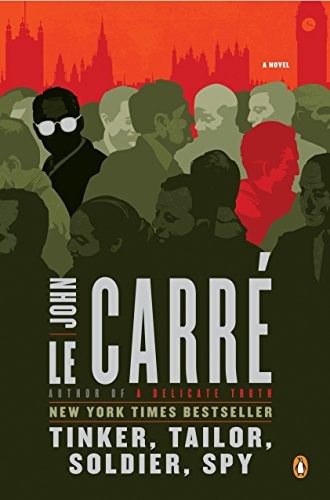
The thriller and the spy novel overlap but are not the same thing. A thriller resolves its tension with action. A spy novel resolves it with information — the revelation of who knew what, who was working for whom, and what the truth cost by the time it arrived. The structural pleasure of spy fiction is not the chase but the unraveling, and the best examples use that unraveling to make an argument about the institutions at the center of the story. In le Carre’s world, the Circus is not a flawed but basically legitimate organization: it is a mirror for the class structures and moral compromises of British society, staffed by men who traded their principles for a career and have been managing that trade ever since. That is a different project from the thriller, and it produces a different reading experience.
The spy novel’s real subject is not espionage. It is what happens to people who spend their careers inside institutions that require them to lie, and what they become by the time those careers are over.
The Books
Who This Is For
Readers who have watched adaptations of le Carre’s work and want to understand why readers who have read the novels find the films, however good, insufficient. Also readers who come from literary fiction and have been told spy novels are beneath them — le Carre’s best work is not beneath anyone. Browse the full thriller and mystery catalogue for more in this direction, including procedurals, psychological thrillers, and crime fiction that operates at a similar level of moral seriousness.
Frequently Asked Questions
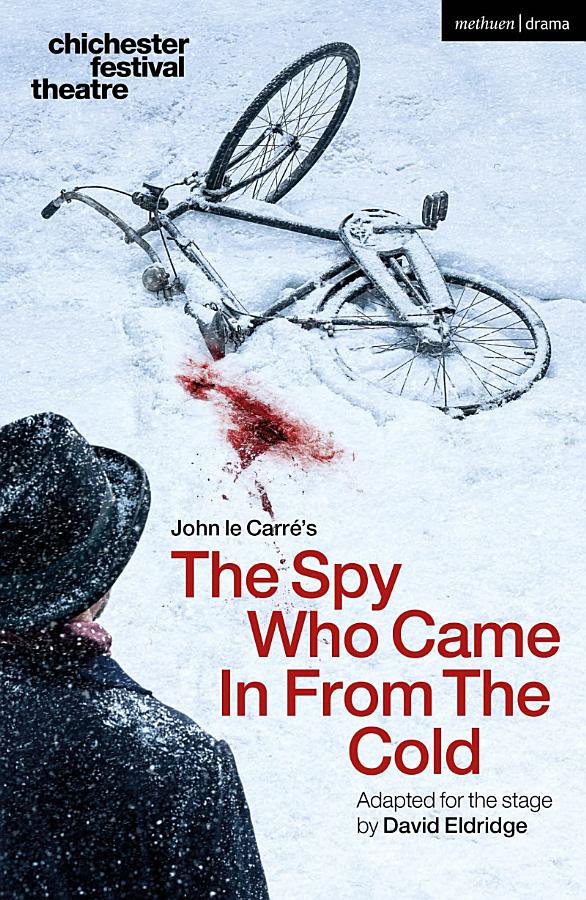
Q: What is the best John le Carre novel to start with? A: The Spy Who Came in from the Cold for the fastest, most compressed introduction to his moral universe. Tinker, Tailor, Soldier, Spy if you want the fullest expression of that universe and are willing to move at a slower pace. Both repay rereading once you know the endings.
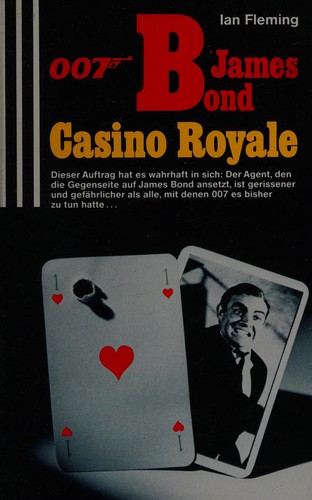
Q: Are spy novels realistic about how intelligence work actually operates? A: Le Carre’s are, within the limits of fiction. He worked for MI5 and MI6 before becoming a novelist, and his picture of the institutional culture — the class structures, the bureaucratic politics, the managed cynicism — is widely considered accurate in atmosphere if not in operational detail. Fleming’s Bond is considerably less realistic, which is part of its appeal.
Q: What is the best spy novel that is also fast-paced? A: I Am Pilgrim moves at genuine thriller speed while maintaining enough character depth to be more than pure plot delivery. Casino Royale is shorter and faster than either le Carre novel. Both are good entry points for readers who want the spy setting without the le Carre pace.
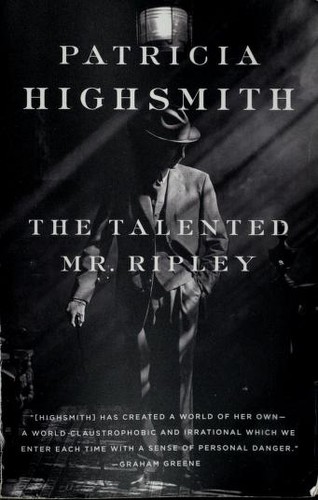
Q: Is The Talented Mr. Ripley really a spy novel? A: Not technically. But it belongs on this list because it shares the genre’s core concerns — sustained identity performance, improvisation under the threat of discovery, moral ambiguity about the protagonist — and handles them with more psychological precision than most books that are formally classified as spy fiction. Highsmith is the writer le Carre readers most consistently enjoy.
Not sure which of these is right for you specifically? The Pagesmith quiz matches you to books based on your mood, pacing preference, and reading goals, not bestseller lists. Takes two minutes.