Best Epistolary Novels That Use the Form as Argument
The epistolary form is not a stylistic quirk. It is a structural argument about the gap between the self a writer presents and the self underneath -- changed by the knowledge that someone is reading.
May 2026 · 7 min read · The Pagesmith
An epistolary novel — one told entirely through letters, journals, documents, or other first-person records — is sometimes described as a formal device, a way of adding intimacy or authenticity to a narrative. That undersells what the form actually does. When a character writes a letter, they are constructing a version of themselves for a specific reader: they choose what to include, what to omit, what to emphasize, and how to present an event in a way that positions them favorably. The self that emerges in correspondence is a performance, and the gap between that performance and the truth underneath it is where the best epistolary fiction does its real work. These books use the form not as a vehicle for intimacy but as a structural argument about how we represent ourselves, why we tell the stories we tell, and what the existence of a reader does to the shape of a life.
In a conventional third-person or first-person narrative, the narrator knows they are telling a story. The epistolary form introduces a layer of ambiguity: the character writing the letter does not necessarily know they are in a novel. They are writing to someone specific, under specific constraints of relationship and social position, with specific things they cannot say. That gap between what can be said and what is true is the formal gift of the genre, and the writers here use it in different ways. Some produce unreliable self-narration. Some use multiple correspondents whose accounts contradict each other. Some use the form to enact the experience of consciousness rather than to describe it.
A letter is not a window into a character. It is a performance by a character who wants to be seen a certain way by a particular person — and the gap between the performance and the truth is where the novel lives.
The Books
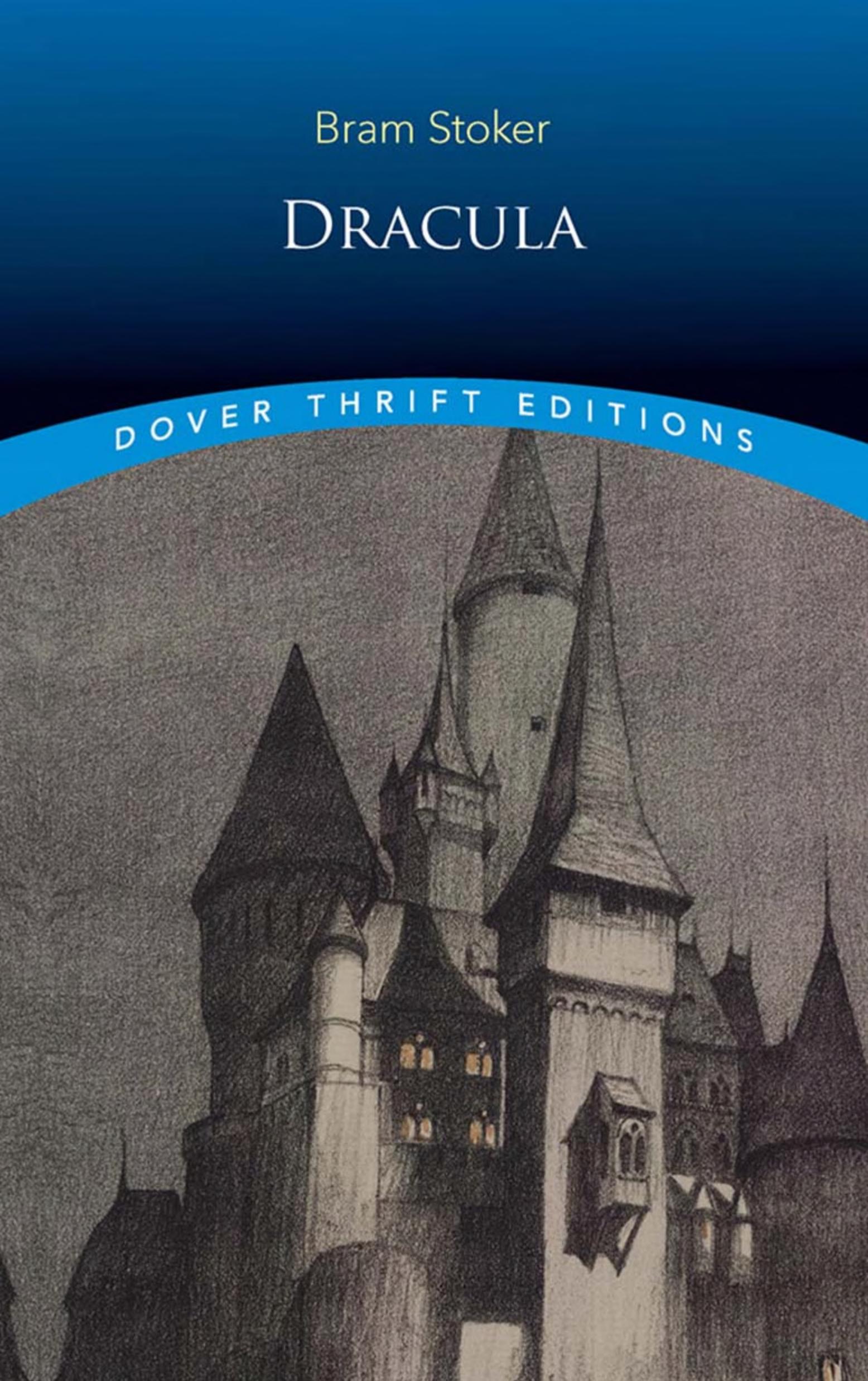
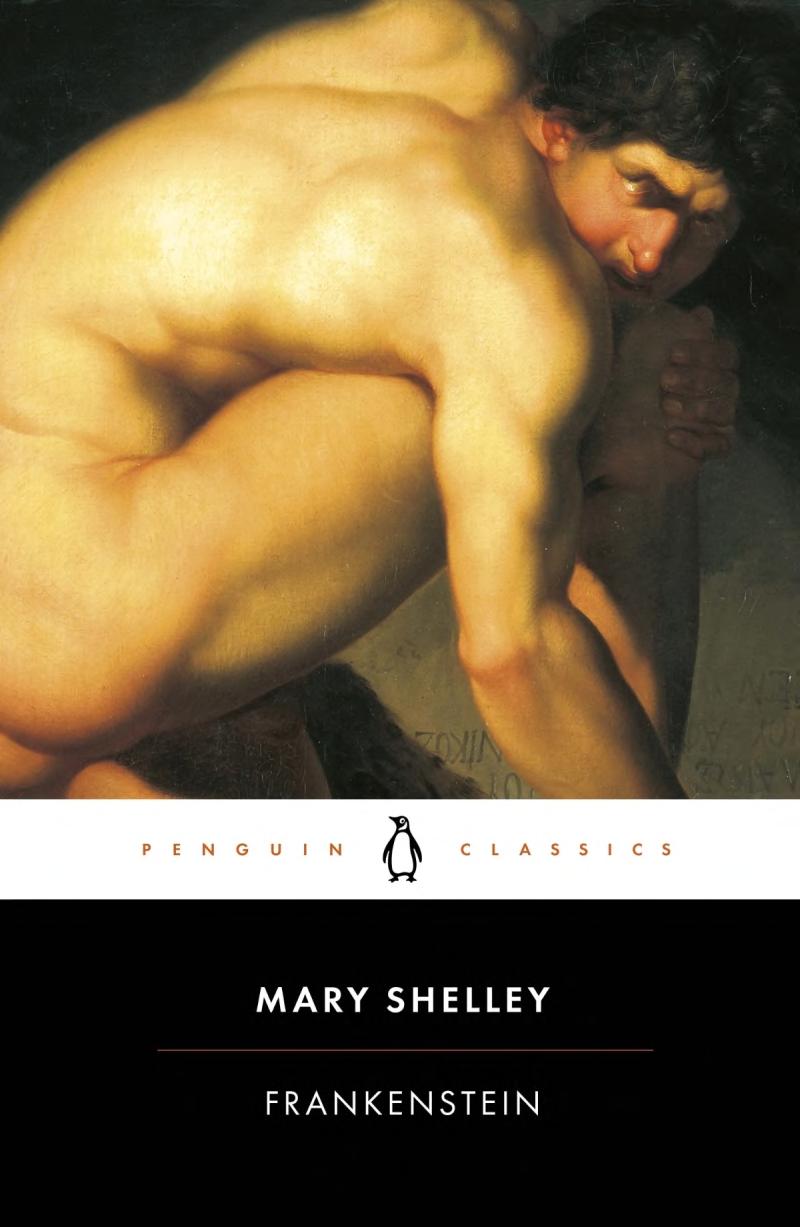
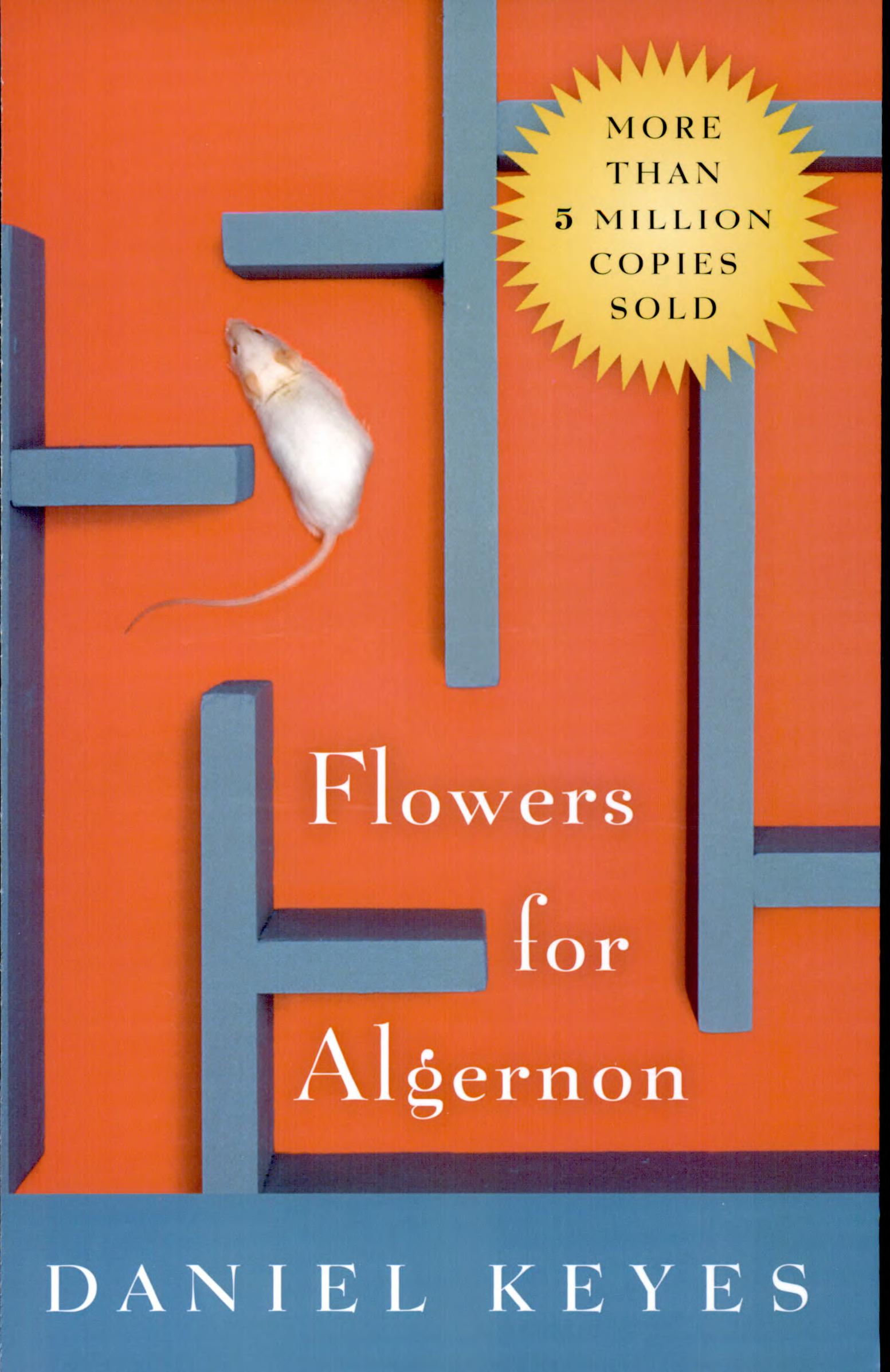
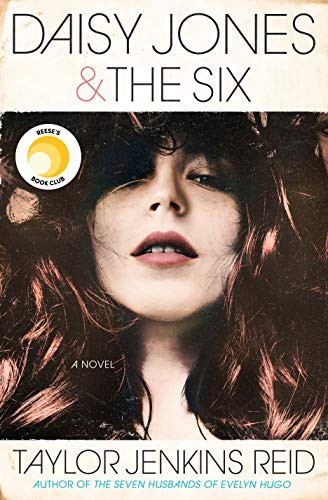
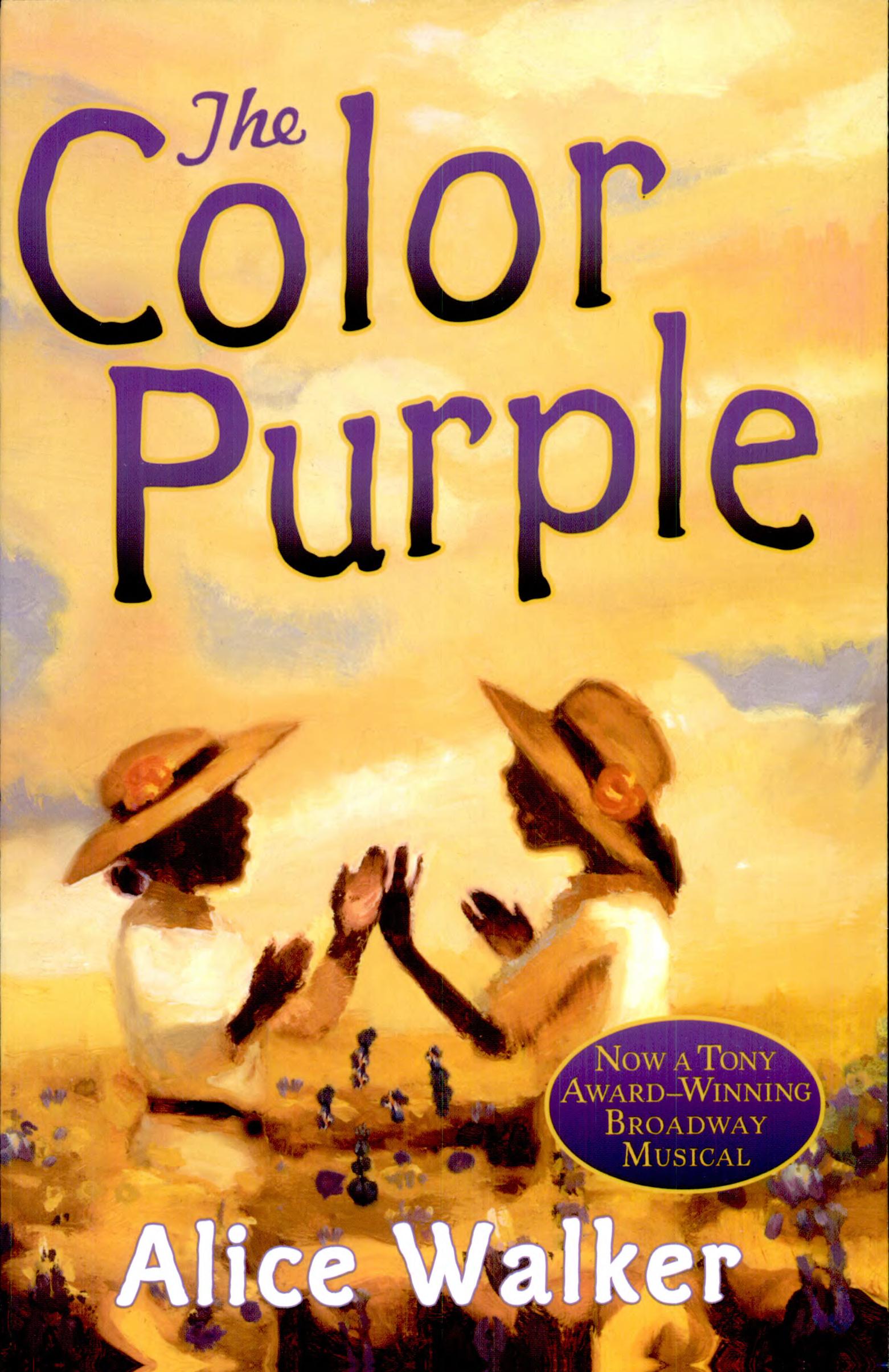
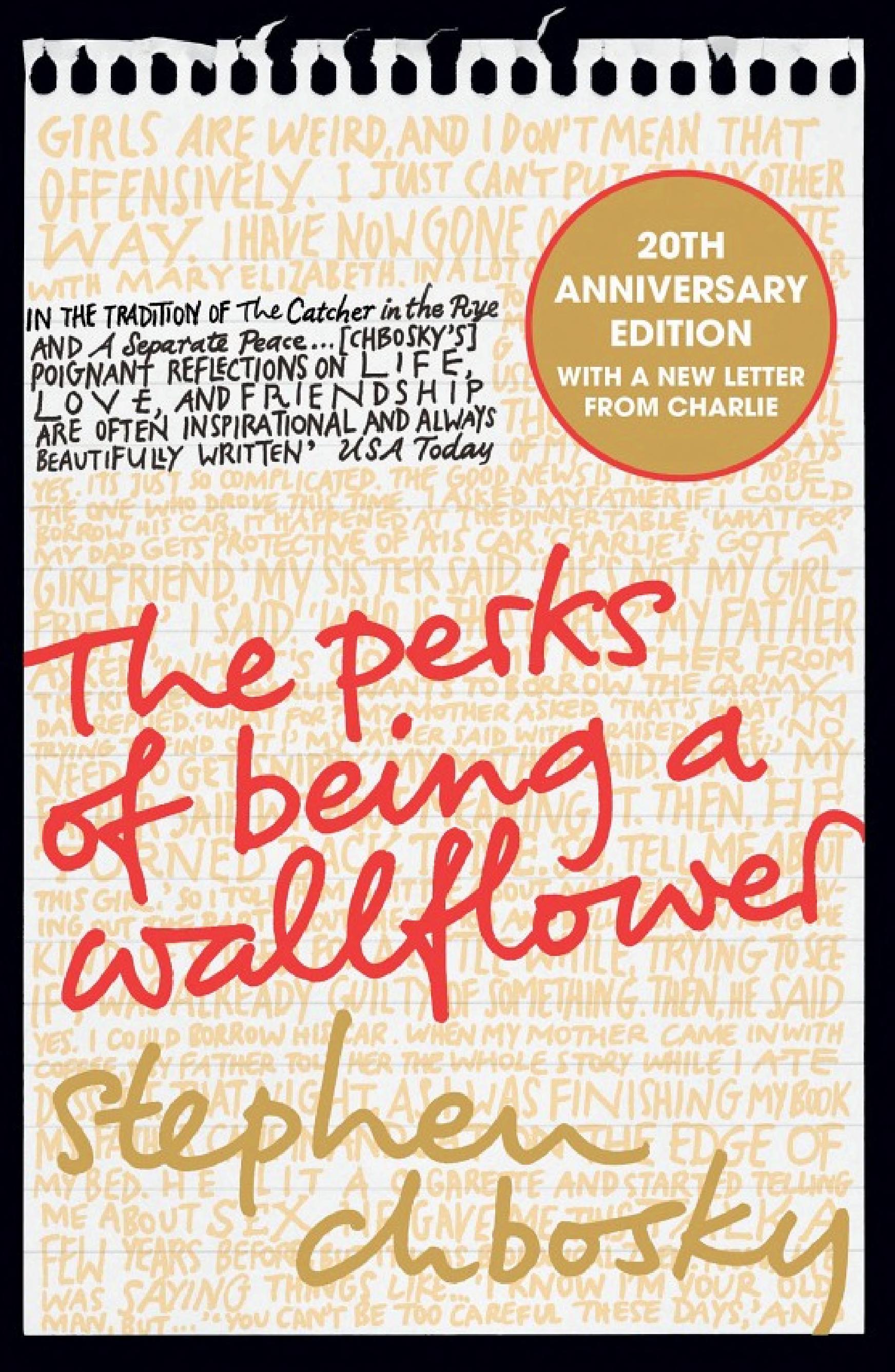
DraculaBram StokerThe epistolary novel at its most formally sophisticated in the genre fiction canon. Stoker builds his horror from the gap between multiple accounts of the same events, none of them complete, all of them constrained by what the correspondent can admit to themselves and to their reader. Jonathan Harker’s journal cannot fully process what he is experiencing in the castle because the form — a daily professional record — does not have the language for it. Mina’s letters to Lucy contain what she can say to a friend but not what she can say to her fiance. The monster is never fully visible because no single document has access to the complete picture, which is both a formal constraint and the novel’s most intelligent observation about how horror works. FrankensteinMary ShelleyShelley embeds a narrative inside a narrative inside a letter, which produces a formal structure that is doing more work than it is usually given credit for. Walton’s letters to his sister contain Victor’s account of his creation, which contains the creature’s account of its own existence. Each layer is constrained by the relation between narrator and audience: Victor cannot be fully honest with Walton, and the creature’s account of itself — rendered with more philosophical coherence than anything Victor achieves — is addressed to a creator who cannot hear it without being implicated. The nested epistolary structure enacts the novel’s central argument: that the story of creation is always incomplete because the creator cannot bear the full account. Flowers for AlgernonDaniel KeyesThe progress report format is the novel’s entire argument: the record of a consciousness changing must be produced by that consciousness in real time if the reader is to experience the change rather than be told about it. Keyes’s formal intelligence is absolute — each report is written in the language Charlie can manage at that moment in his transformation, and the deterioration of the late reports registers in the prose before the reader can consciously identify what is happening. The gap between what Charlie wants to communicate and what he is able to express produces an emotional effect that a conventionally narrated version of the same story could not achieve. The form is not a stylistic choice but the novel’s only possible structure. Daisy Jones and the SixTaylor Jenkins ReidReid’s oral history format — multiple talking-head accounts of the same events, contradicting each other in the way that memory and ego inevitably produce — is the epistolary form’s contemporary descendant. The gap between what different interviewees remember about the same moments is both funny and devastating, and Reid uses the formal convention of the music documentary to make the gap itself the subject. What actually happened between Daisy and Billy is never fully recoverable from their accounts, which is the most honest thing the novel does: both versions of a shared experience can be simultaneously true to the person reporting them and irreconcilable with each other. The Color PurpleAlice WalkerWalker’s Pulitzer winner uses the letter’s formal constraint to produce an effect that is opposite to Dracula’s: not withholding but revelation. Celie writes letters to God because she has no one else to tell — her situation is so contained by poverty and violence that God is the only possible correspondent — and the gradual opening of her voice across the novel, the way her letters change as her circumstances and self-knowledge change, is one of the great epistolary achievements in American fiction. The form is also an argument: writing is an act of self-constitution for Celie, and the letters are not just a record of her life but its means of becoming livable. The Perks of Being a WallflowerStephen ChboskyChbosky’s novel makes the epistolary constraint do psychological work specific to its protagonist. Charlie addresses his letters to “a friend” — a stranger he has never met, chosen specifically because they do not know him — which creates a correspondent who exists purely as a receptive presence, unable to judge. The novel’s formal intelligence is that this arrangement gradually reveals itself as the only way Charlie can tell his story: not because the story is shameful but because the people who know him are implicated in it. The anonymous friend-as-correspondent is the formal solution to the specific problem of being an unreliable narrator of your own damage. Who This Is For
Readers interested in how form shapes meaning — who want to understand why a novel told in letters feels different from the same story told in conventional narration, and what that difference reveals. Also readers who love any of these specific books and have not thought about why the form works for them. The horror and literary fiction catalogues both have more books where formal choices are doing serious argumentative work.
Frequently Asked Questions
Q: What is the oldest epistolary novel?
A: The form dates to the seventeenth century in English literature, with Samuel Richardson’s Pamela (1740) usually cited as the first important English epistolary novel. The genre was enormously popular in the eighteenth century — Clarissa, Les Liaisons Dangereuses — before being largely displaced by the novel of omniscient narration in the nineteenth century.
Q: Why do horror novels work well as epistolary fiction?
A: Horror depends on limited information and the gap between what a character perceives and what is actually happening. The epistolary form enforces that limitation structurally — the reader only has access to what the correspondent can perceive and articulate — which makes it a natural fit. Dracula is the canonical example, but the form recurs throughout Gothic and horror fiction for the same reason.
Q: Is Daisy Jones and the Six really an epistolary novel?
A: It uses the oral history format rather than letters or journals, but the structural logic is the same: multiple accounts of the same events, each constrained by the narrator’s perspective and interests. It belongs to the epistolary tradition in the sense that matters for reading purposes.
Q: What should I read after Flowers for Algernon if I loved the formal innovation?
A: The Color Purple uses a similar formal intimacy — a single narrator writing in a constrained situation — with a different kind of transformation across the text. For readers who want formal innovation at a more demanding level, the structure of Dracula, in which multiple unreliable documents are assembled without authorial commentary, produces a similar experience of the reader constructing meaning from incomplete evidence.
Not sure which of these is right for you specifically? The Pagesmith quiz matches you to books based on your mood, pacing preference, and reading goals, not bestseller lists. Takes two minutes.