Books Like High Fidelity for Pop Culture Obsessives Who Are Also a Mess
High Fidelity works because Rob Fleming is using his lists and his music knowledge as emotional avoidance -- the comedy is that it almost works, and the sadness is that it doesn't. These books share the same structural insight: a protagonist who uses something external to manage something internal, and the slow, funny collapse of that strategy.
June 2026 · 8 min read · The Pagesmith
Nick Hornby’s novel is frequently described as a music book or a romance novel, and it is both of those things. But what makes it work — what has made it a comfort and a recognition for readers across thirty years — is that it is primarily a book about avoidance. Rob Fleming knows an extraordinary amount about music, has organized his entire identity around that knowledge and its associated lists and opinions, and uses this organization as a substitute for the considerably more difficult work of understanding himself. The comedy of the novel is that the strategy is genuinely impressive: Rob is funny, the lists are real, the music knowledge earns his self-image. The sadness is that the strategy doesn’t work, that it has produced a kind of emotional adolescence that is costing him the things he actually wants. The books here share that structural insight. They are all organized around a protagonist whose specific obsession or system is both genuinely admirable and a form of elaborate self-protection, and all of them are organized around what happens when that protection begins to fail.
Why the Pop Culture Obsessive Is Such a Rich Protagonist
The person who has organized their identity around external taste — music, books, film, any cultural domain they have mastered — is a specific psychological type that most fiction either ignores or mocks. Hornby takes this type seriously, which is what distinguishes High Fidelity from novels that simply use cultural references as characterization. Rob’s music knowledge is not an affectation; it is the structure through which he experiences the world, and Hornby understands both why that structure was built and what it costs. The books here share that double vision: affection for the obsessive’s specific competence alongside honesty about the emotional work the obsession is being asked to do.
The pop culture obsessive builds their identity around something external because the internal is harder to manage. The comedy of their situation is that the external strategy works well enough to be genuinely impressive. The sadness is that it doesn’t work well enough to be sufficient.
The Books
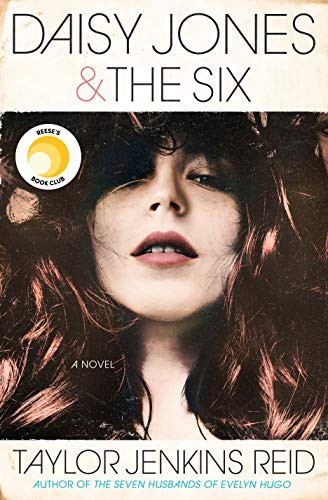
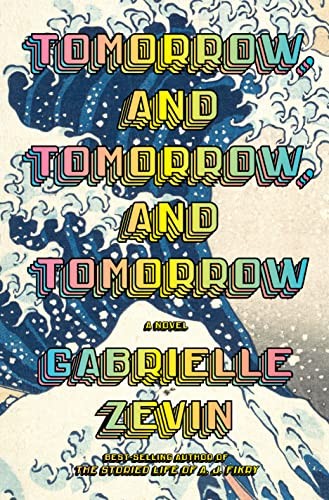
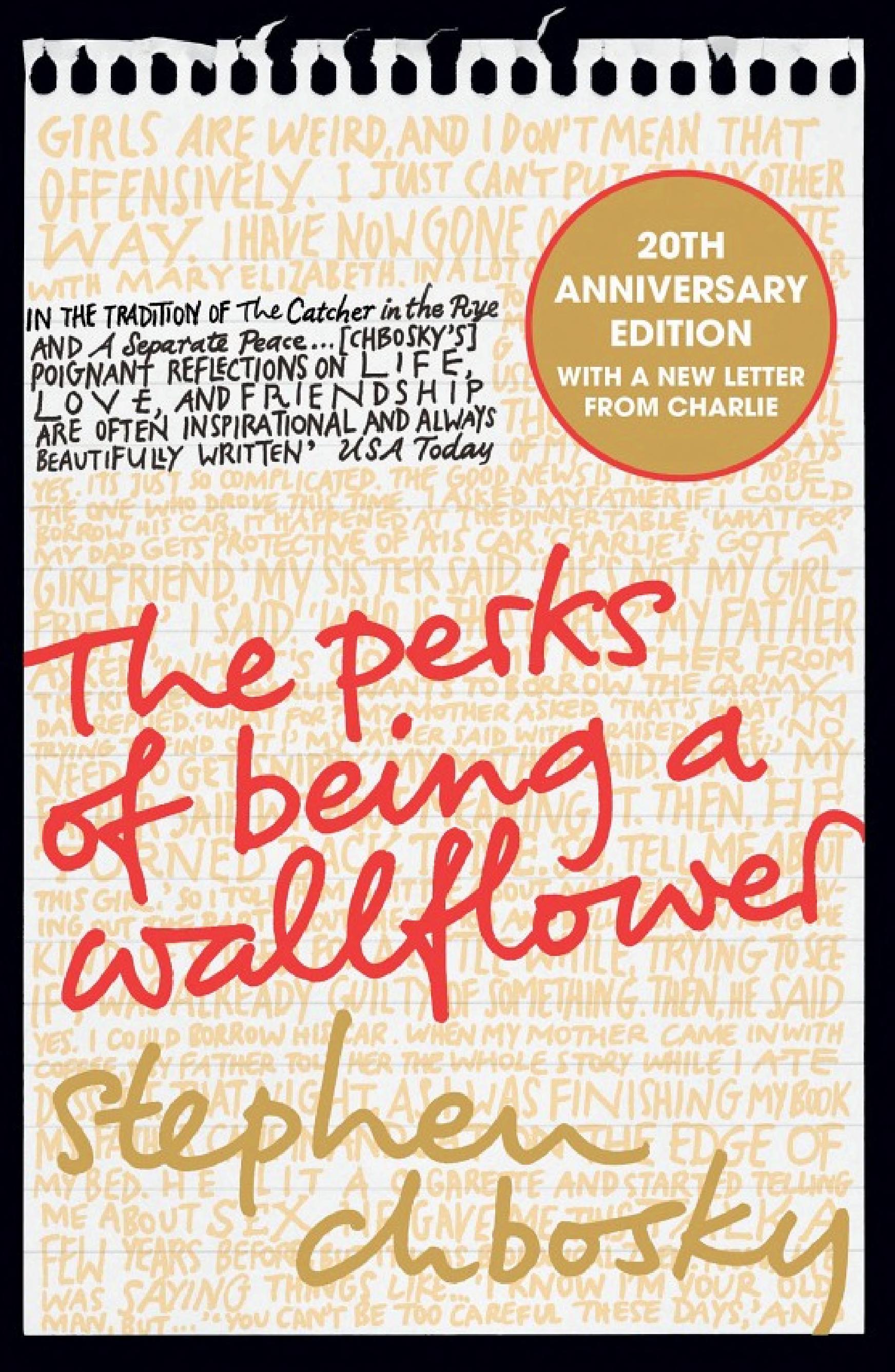
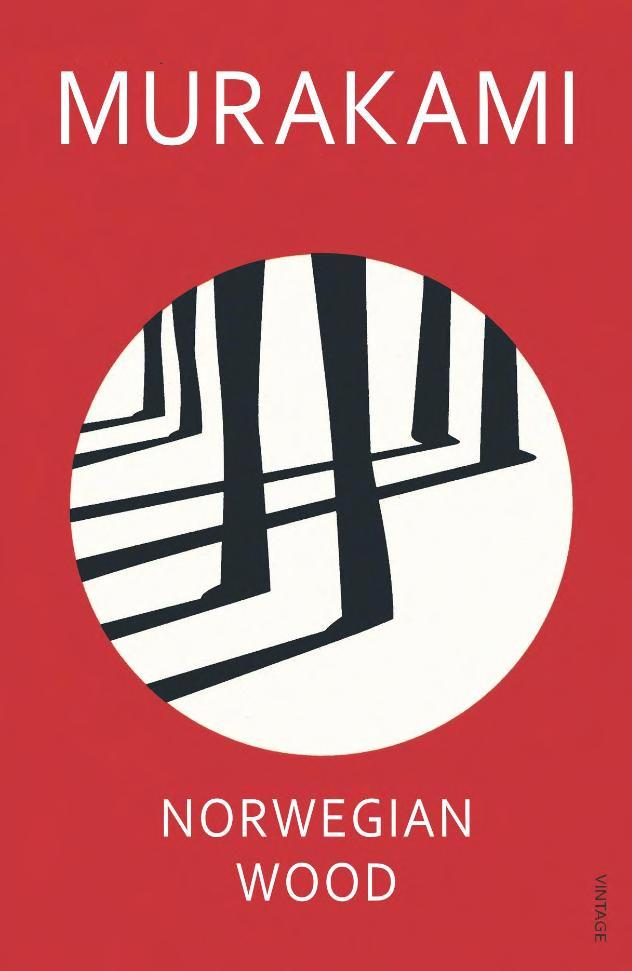
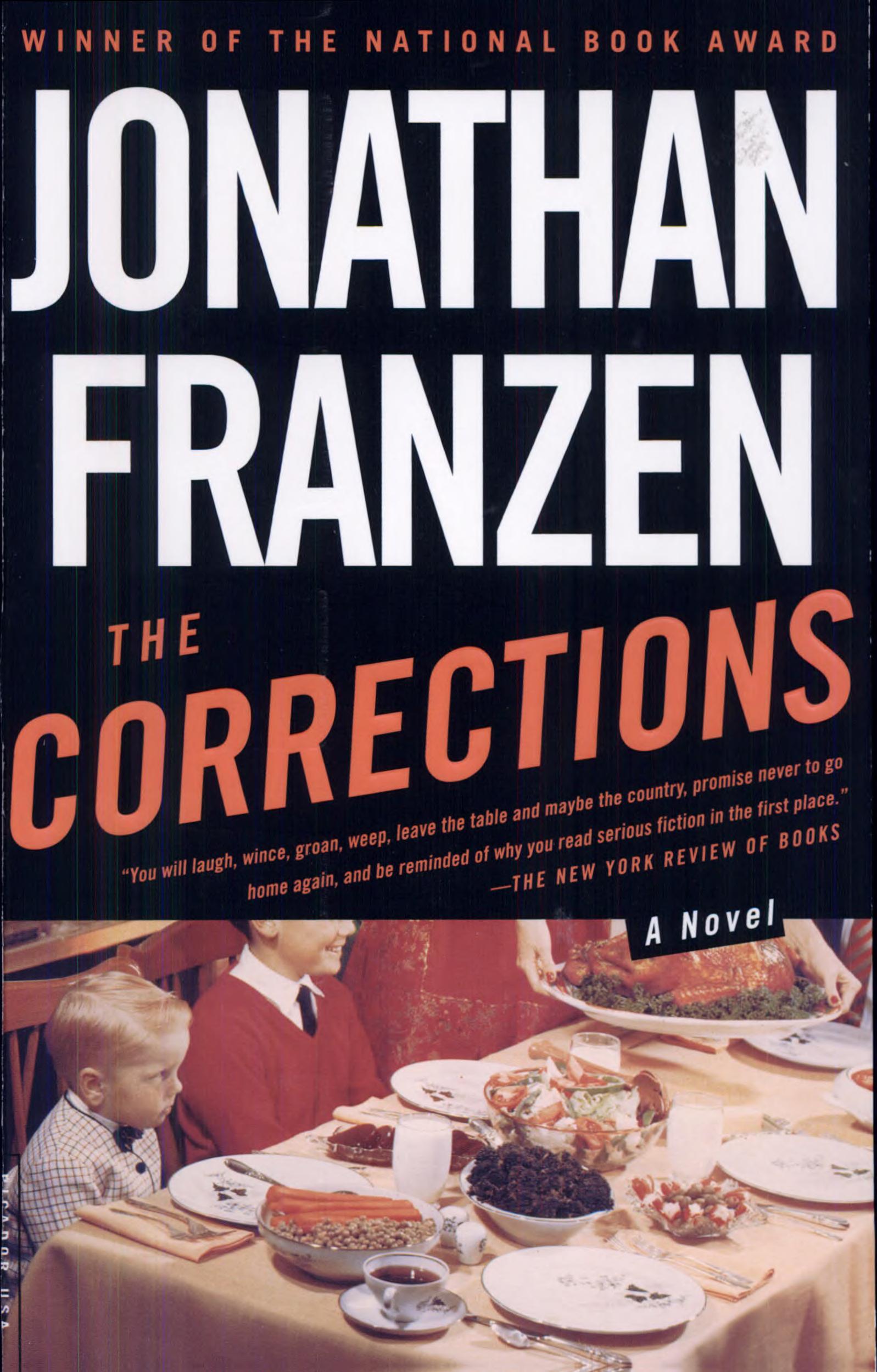
Daisy Jones and the SixTaylor Jenkins ReidReid’s oral history is organized around musicians whose lives are consumed by their music in the specific way High Fidelity is organized around a person whose life is consumed by listening to music. Billy Dunne uses the band as a way of not fully inhabiting his marriage and his recovery; Daisy uses it as the only context in which she knows how to be herself; each member of the Six has organized a significant portion of their identity around the music and must eventually account for what that organization cost them. Where High Fidelity is a comedy of music as avoidance from the outside in, Daisy Jones renders it from the inside — what it looks like when the music is real and the personal life is the avoidance. Tomorrow, and Tomorrow, and TomorrowGabrielle ZevinZevin’s novel shares High Fidelity’s central structural insight — a relationship organized around a shared external obsession, where the obsession is both the connection and the avoidance of the connection — but applies it to video games and creative partnership rather than music and romantic relationships. Sam and Sadie’s decades-long friendship and creative collaboration is as much a love story as High Fidelity, and Zevin is as honest about what the creative obsession is doing for each of them and what it is preventing as Hornby is about what the music is doing for Rob. The most tonally similar novel to High Fidelity in terms of the relationship between creative passion and emotional difficulty. The Perks of Being a WallflowerStephen ChboskyChbosky’s epistolary novel shares High Fidelity’s understanding that music is a form of emotional language — Charlie’s mixtapes are his most articulate form of self-expression, more honest than anything he can say directly — and that a person’s taste in music is a map of what they cannot otherwise express. The novel is younger in register than High Fidelity and organized around more acute psychological material, but the structural insight is the same: a protagonist for whom cultural consumption is the most developed form of emotional intelligence, and a story about what it costs and what it produces. The most direct companion to High Fidelity for readers who are interested in the mixtape as emotional communication. Norwegian WoodHaruki MurakamiMurakami’s most restrained novel shares High Fidelity’s quality of a narrator for whom music is a primary emotional reference: Toru relates to his feelings through the music he listens to, and the novel’s title is a piece of music that is itself a vehicle for a specific quality of loss and longing. Both novels are organized around young men who are better at organizing their relationship to culture than their relationship to other people, and both are honest about the limitation of that competency. Norwegian Wood is considerably sadder and more formally demanding than High Fidelity, and its emotional territory is grief rather than comic self-examination, but the structural similarity — music as emotional language, and the inadequacy of that language for what actually needs to be said — is real. The CorrectionsJonathan FranzenFranzen’s Lambert family novel includes Chip Lambert, who is the literary-theory version of Rob Fleming: a man who has organized his entire identity around a specific kind of cultural knowledge — French critical theory, academic literary analysis — and whose system of self-presentation collapses under the weight of his own actual desires and failures. The parallel to High Fidelity is not exact — The Corrections is darker and more formally ambitious — but Chip’s specific mode of using intellectual apparatus to manage emotional reality is the same structure Hornby uses, and Franzen is as precise as Hornby about how the strategy both works and fails. The most literary option on this list for High Fidelity readers who want to stay in the same territory with more formal complexity. The Rosie ProjectGraeme SimsionThe most formally similar novel to High Fidelity in terms of the comedy-of-self-deception structure: a narrator whose elaborate system for understanding the world is both genuinely impressive and specifically inadequate to the one thing the novel is about. Don Tillman’s systematic approach to finding a compatible partner is as internally coherent as Rob Fleming’s music cataloguing, and both novels are organized around the reader perceiving what the narrator cannot: that the system is a way of not having to be vulnerable. Simsion’s comedy is gentler than Hornby’s and his emotional resolution is warmer, but the structural argument — that a sufficiently impressive external system can be a substitute for internal development for only so long — is identical. Who This Is For
Readers who loved High Fidelity specifically for its honest portrait of using cultural expertise as emotional avoidance — who found Rob Fleming funny and recognizable and slightly too close — and who want more contemporary fiction organized around the same structural insight. Also readers who are interested in how fiction handles the relationship between cultural obsession and emotional difficulty, and who want to understand the range of approaches available.
Frequently asked questions
Q: Is High Fidelity primarily about music or primarily about relationships?
A: Primarily about relationships, with music as the formal device that reveals the protagonist’s emotional condition. The music knowledge is real — Hornby is a genuine music obsessive and the cultural references are accurate and specific — but it is deployed in the service of understanding a person rather than as the subject in itself. Readers who come for the music and stay for the psychology find it more satisfying than readers who come for the psychology and are put off by the music.
Q: Does High Fidelity hold up given it was written in 1995?
A: Yes. The specific cultural references date it pleasantly rather than fatally, and the emotional territory — a man who has built his identity around taste rather than character and is discovering the limitation of that construction — is as contemporary as it was in 1995. The novel’s central insight about the relationship between cultural consumption and emotional avoidance is if anything more resonant now, when the infrastructure for exactly this kind of identity construction has never been more available.
Q: Is The Corrections appropriate for High Fidelity readers who want something lighter?
A: No — The Corrections is considerably heavier in emotional register than High Fidelity. For lighter options in the same structural territory: The Rosie Project is the most directly comparable in tone. Daisy Jones is similarly propulsive. Tomorrow, and Tomorrow, and Tomorrow is longer and more ambitious but comparably entertaining.
Q: What else has Nick Hornby written that’s similar to High Fidelity?
A: About a Boy is the most direct companion — a similar comedy of a man using an elaborate avoidance strategy (in this case, organizing his life around having no responsibilities) and its eventual failure. Fever Pitch is his memoir about Arsenal fandom and is the most direct precursor to High Fidelity’s insight about sports/music obsession as emotional management. Both are essential Hornby.
Not sure which of these is right for you specifically? The Pagesmith quiz matches you to books based on your mood, pacing preference, and reading goals, not bestseller lists. Takes two minutes.