Books Like The Goldfinch for Readers Who Want Art and Ache
The Goldfinch earns its length through a specific quality: beauty and catastrophe carried in the same object. Theo's relationship to the painting is a relationship with what survived when everything else was lost. These books share that quality -- the beautiful thing that costs the person who loves it.
June 2026 · 8 min read · The Pagesmith
The Goldfinch is a novel about a painting, but the painting is not what the novel is about. Carel Fabritius’s small masterpiece — a goldfinch chained to a perch, painted in 1654 — survives a museum bombing that kills Theo Decker’s mother, and Theo takes it without fully understanding why. What he understands, gradually, over the next thousand pages, is that the painting is the form his grief took: the beautiful, fragile, specific thing he carried when everything else was destroyed, and that his entire subsequent life is organized around the secret of its presence. Tartt is interested in what happens to a person who builds their identity around a beautiful thing — what that costs, what it produces, and whether any relationship to beauty can survive that kind of weight. The books here share that specific interest: the beautiful object or beautiful world that a character loves at cost, and the question of what that love makes them.
What the Art-and-Obsession Novel Does
The failure mode for fiction about art and beauty is aestheticism: novels in which beautiful things are celebrated and the characters who love them are affirmed in their taste. The books here refuse that register. The beautiful thing in each of them is as much a burden as a gift — it costs the person who carries it, it organizes their life in ways they did not choose, and the question the novel is organized around is not whether the beauty was worth pursuing but what the pursuit made of the pursuer. Stoner’s love of literature is as costly as Theo’s love of the painting; de Waal’s inheritance of the netsuke is as burdensome as it is precious. The beauty is never free.
The best fiction about art understands that the relationship between a person and a beautiful thing is never simply admiration. It is always also possession, obligation, and the specific weight of carrying something that demands more than the carrier expected to give.
The Books
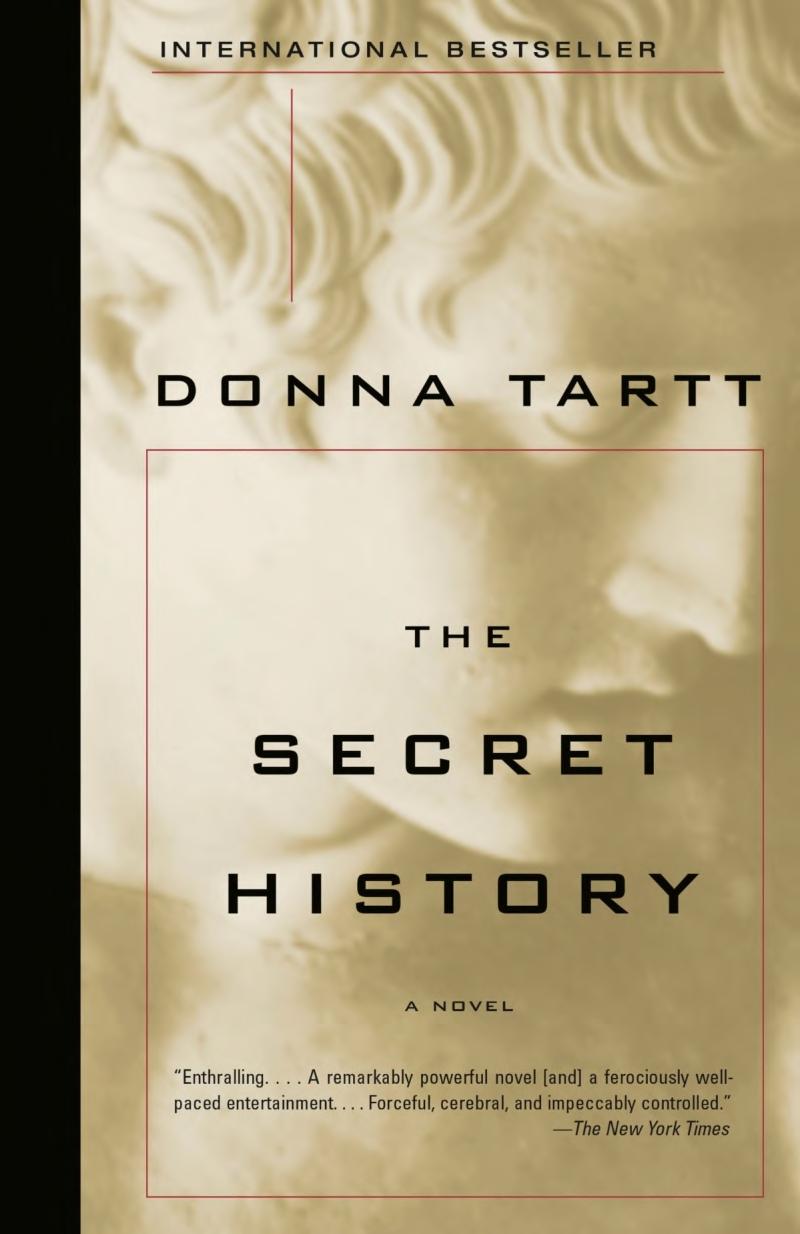
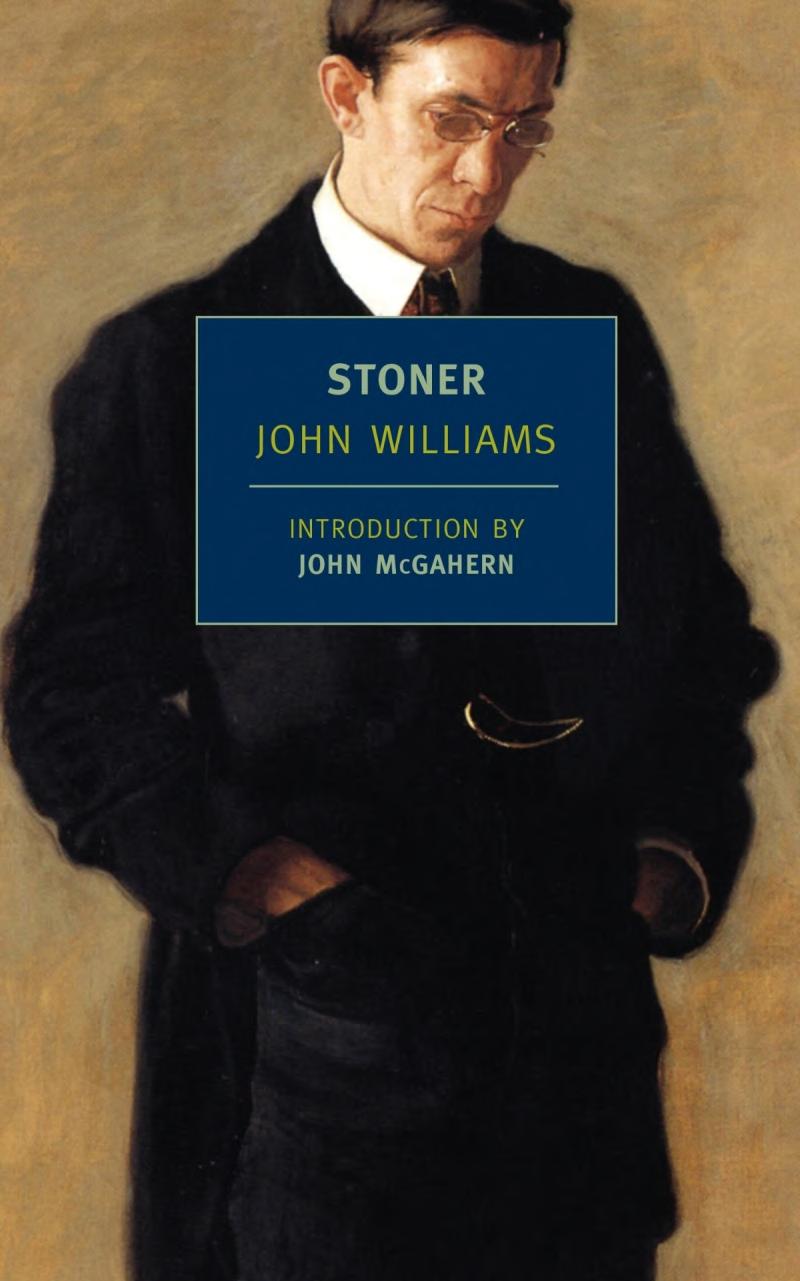
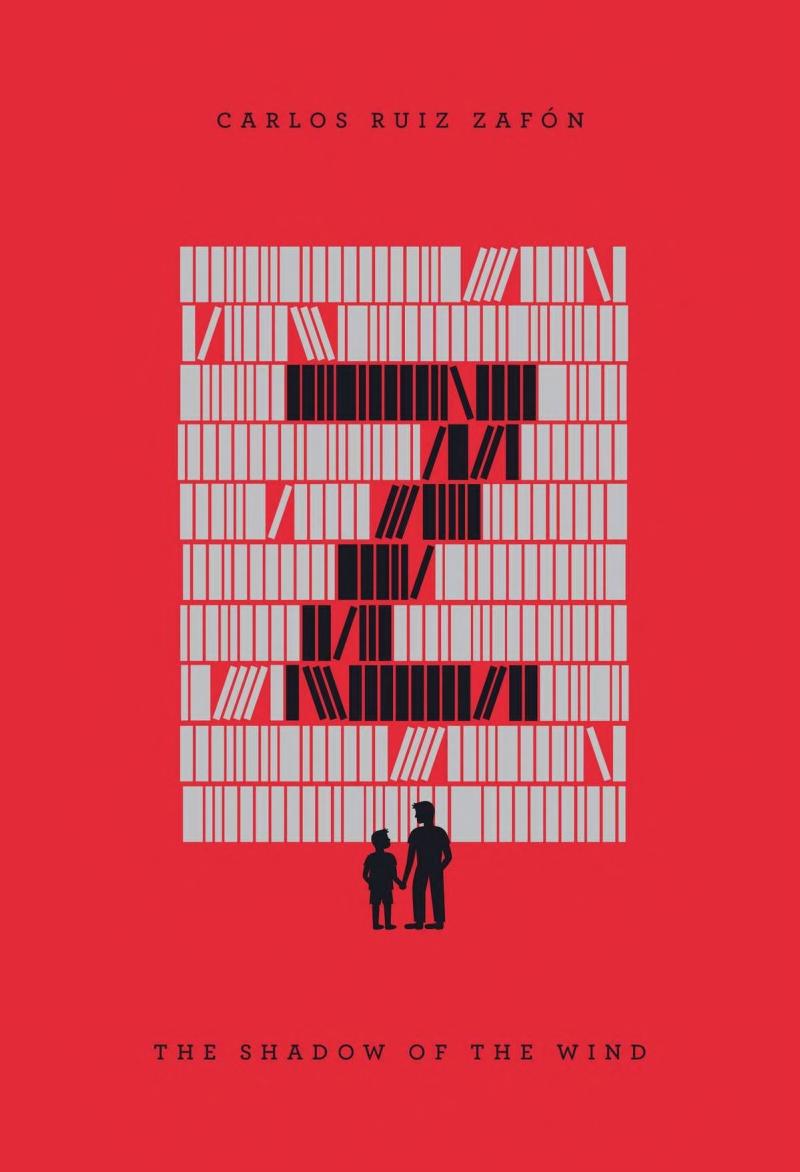
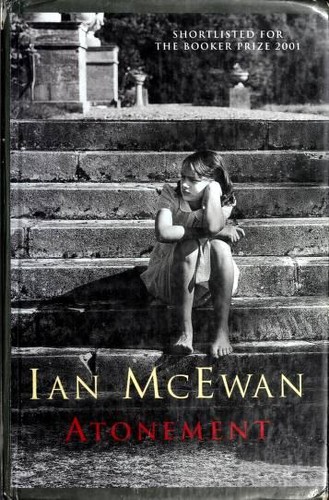
The Secret HistoryDonna TarttTartt’s first novel shares The Goldfinch’s central dynamic: a protagonist from an ordinary background who gains access to a beautiful, rarefied world and cannot bear to lose it. Richard Papen’s pursuit of the Greek seminar — the aesthetically perfected, morally unmoored world that Julian Morrow creates at Dellecher — costs him more than he anticipated, and Tartt organizes the novel around the question of how much a person will pay to remain inside a beautiful thing rather than return to the ordinary world they came from. The cost in The Secret History is a murder rather than a painting, but the structure — beauty acquired, beauty maintained at escalating cost, beauty finally revealed as having been a trap all along — is the same architecture The Goldfinch inhabits. StonerJohn WilliamsWilliams’s novel is about a man who loves literature with the specific intensity that Theo loves the painting: not as a hobby or a profession but as the thing that constitutes his sense of what life is for, and that he cannot abandon even when it costs him everything else. The cost in Stoner is quieter than in The Goldfinch — no museum bombings, no criminal conspiracy — but the structure of a life organized around a beautiful thing is identical. Williams renders Stoner’s love of literature with the same precision and the same honesty that Tartt brings to Theo’s love of the painting, and both novels are organized around the same question: what does it mean to have given your life to something beautiful, and whether that is enough? The Shadow of the WindCarlos Ruiz ZafonZafon’s novel shares The Goldfinch’s specific premise: a book discovered in childhood that organizes the protagonist’s subsequent life, and a mystery around the book’s author that draws the protagonist into the damage of another person’s history. Daniel’s obsession with The Shadow of the Wind (the novel within the novel) is Theo’s obsession with the painting: both are beautiful things that belonged to someone who was destroyed, and both protagonists organize their lives around protecting and understanding the beautiful thing as a form of loyalty to the lost person. The Barcelona setting — post-Civil War, gorgeously atmospheric — is the architectural equivalent of Tartt’s antique world, a place of beauty built on catastrophe. The Hare with Amber EyesEdmund de WaalDe Waal’s memoir is the nonfiction version of the Goldfinch premise: a collection of beautiful objects inherited from a great-uncle, traced across a century of family history and historical catastrophe. The 264 Japanese netsuke are the paintings that Theo could not put down — objects that survived Nazi confiscation, displacement, and death, preserved through a single act of domestic courage. De Waal writes about the objects with the same quality of attention that Tartt brings to the Fabritius painting: the specific weight of something beautiful that has witnessed things it cannot speak. The most directly comparative book on this list in terms of subject matter, and the one that makes the argument about art-and-survival most explicitly through the objects themselves. The Dutch HouseAnn PatchettPatchett’s novel is organized around a house rather than a painting, but the Dutch House functions identically to the Goldfinch in the novel’s structure: the beautiful object that the protagonists cannot release, that organizes their identities and their relationship to each other, and whose loss produces a grief that is not about the object but about what the object represented. Danny and Maeve drive past the house for decades after they lose it — sitting outside it in the car, unable to go in, unable to leave — and that compulsion is Theo’s compulsion: the person who cannot let go of the beautiful thing not because they are weak but because the beautiful thing is the only remaining container for something that cannot be put down elsewhere. AtonementIan McEwanMcEwan’s novel shares The Goldfinch’s most structural quality: a catastrophic act in childhood that the protagonist carries for the rest of their life, and that organizes their subsequent work as a form of ongoing relationship with the damage done. Where Theo carries the painting, Briony carries the lie — the false testimony that destroyed Robbie’s life — and her entire literary career is organized around the same question Tartt asks about Theo: what does a person do with a thing they cannot undo, cannot return, and cannot release? McEwan’s answer, in the novel’s final section, is one of the most precise meditations available on what beauty can and cannot accomplish in the face of irreversible wrong. Who This Is For
Readers who finished The Goldfinch understanding that the painting was not the subject but the container — the object that carried Theo’s grief and organized his life — and who want more literary fiction organized around the same quality: the beautiful thing that costs the person who loves it, and what that cost produces. Also readers who loved the antique world of The Goldfinch and who want fiction that renders beautiful, rarefied environments with the same density of sensory and historical detail.
Frequently asked questions
Q: Is The Goldfinch worth its length?
A: For readers who respond to its specific register — the antique world, the quality of light in certain rooms, the specific texture of grief organized around a beautiful object — yes, entirely. For readers who want a tighter thriller or a more plot-focused novel, it is too long. The novel is not for everyone; it is for a specific kind of reader, and that reader tends to love it unconditionally.
Q: What is the Fabritius painting actually about?
A: Carel Fabritius painted The Goldfinch in 1654, the year he died in the Delft powder magazine explosion. The painting shows a small finch chained by its ankle to a wooden perch, rendered against a pale wall with extraordinary economy. It is one of the few surviving works by Fabritius, who was considered a major talent before his death at thirty-two. The chain that binds the bird to the perch is the image Tartt organizes the entire novel around: the beautiful thing constrained, unable to fly, surviving.
Q: Why is Donna Tartt’s work so divisive among critics?
A: Tartt writes in a tradition that values immersion and emotional investment over formal austerity, and critics who prize concision and restraint find her novels overwrought. The Goldfinch in particular was criticized for its length and for the criminal-underworld sections that some found tonally inconsistent. Readers who respond to her specific combination of Dickensian scope and art-world atmosphere tend to disagree strongly with this assessment.
Q: What should I read after The Secret History?
A: The Goldfinch is the natural companion — both novels are organized around a protagonist from ordinary circumstances gaining access to a beautiful world and paying an escalating cost to remain inside it. The Little Friend is Tartt’s second novel, set in Mississippi, darker and more compressed, and the choice for readers who want to understand her full range.
Not sure which of these is right for you specifically? The Pagesmith quiz matches you to books based on your mood, pacing preference, and reading goals, not bestseller lists. Takes two minutes.