Books Like The Song of Achilles for Fans of Mythological Love
Madeline Miller uses mythological distance to tell a love story whose emotional stakes couldn't survive a contemporary setting -- the scale of myth gives the feelings room. These books share that method: legend and folklore as containers for feelings too large for realism.
May 2026 · 8 min read · The Pagesmith
The Song of Achilles solves a specific problem in fiction: how do you tell a love story with stakes proportional to the feelings involved? Contemporary settings are useful for many things, but they tend to domesticate emotion — the social and logistical texture of modern life cuts the feelings down to manageable size, gives them irony to hide behind, keeps them from occupying the full space they need. Miller’s decision to work inside the Iliad gives her love story a container large enough to hold it. The war at Troy is not backdrop for the Patroclus-Achilles relationship; it is the weight that makes the relationship’s emotional scale feel true rather than excessive. The books here share that understanding: that myth, legend, folklore, and ancient settings are not escapism but a different kind of precision, capable of rendering certain emotional realities that realism cannot access without either understating or overstating them.
Why Myth and Legend Serve Certain Love Stories Best
The love story in The Song of Achilles is not made epic by the Trojan War; it is made legible by it. Without the war — without the foreknowledge of tragedy, without the gods watching, without the scale of what both men are — the relationship between Patroclus and Achilles would be a romance. With those elements, it is something closer to a force of nature: two people whose connection is as real and as inevitable as the war that destroys it. That combination of intimate feeling and mythological scale is what the books here are trying to produce in different ways. Some of them use Greek myth directly. Others use Arthurian legend, Russian folklore, or the mythology of the American continent. What they share is the understanding that the fantastic register enables a kind of emotional directness that realism, with its irony and its social complexity, often cannot.
The best mythological fiction uses the ancient setting not to escape the present but to access the emotional register that the present, with all its qualifications and ironies, tends to make unavailable.
The Books
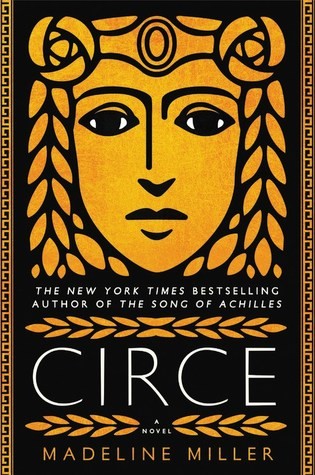
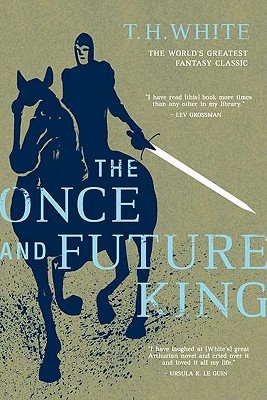
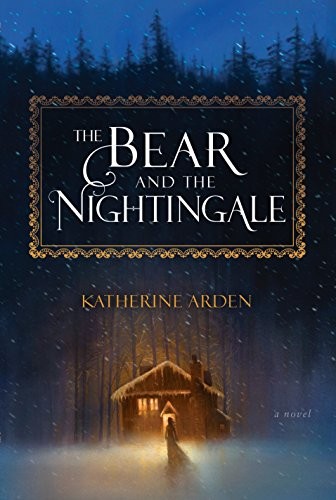
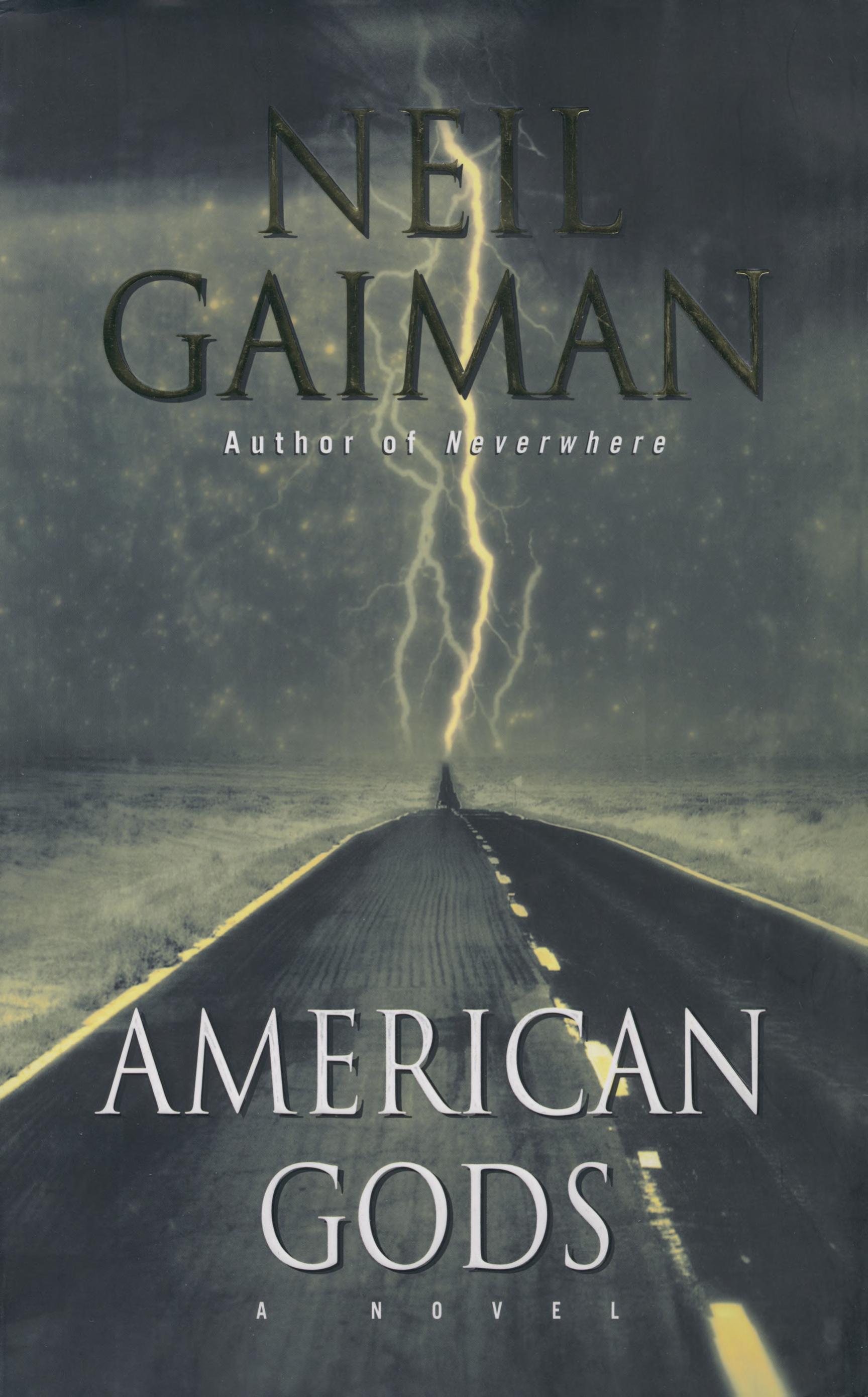
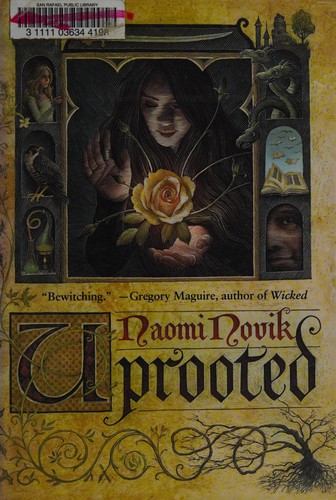
CirceMadeline MillerMiller’s second novel applies the same method to a different kind of story: not a love story at the center of a war but a self-creation story at the margins of the mythological world. Circe, the witch-daughter of Helios, is one of mythology’s peripheral figures who turns out, under Miller’s attention, to be the most modern sensibility in all of classical literature — someone who discovers her own power outside the structures that were built to contain her. The novel covers centuries of Greek myth through Circe’s long life, and it shares with The Song of Achilles not the love story structure but the emotional investment in a character the myth treats as secondary. Miller gives both books the same gift: the feeling of inhabiting a myth from the inside rather than observing it from above. The Once and Future KingT.H. WhiteWhite’s Arthurian retelling shares The Song of Achilles’ essential quality: a legendary story told from so close inside its characters that the myth’s grandeur and the human particularity coexist without one diminishing the other. Arthur educated by Merlyn in the bodies of animals is charming; Arthur on the eve of his final battle is one of the most quietly devastating portraits in English literature. The love triangle at the novel’s center — Arthur, Guinevere, Lancelot — is as precisely rendered as any Miller writes, and White’s argument about what idealism costs and whether the Round Table was worth it is as serious a moral argument as the Iliad. The longest and most ambitious mythological novel in English. The Bear and the NightingaleKatherine ArdenArden handles Russian folklore with the same scholarly respect and emotional investment that Miller brings to Greek myth. The domovoi and dvorovoi that Vasya can perceive are not decorative — they operate by rules that predate the novel’s plot and that carry the weight of a genuine folk tradition. The love story here is less central than in The Song of Achilles, but the emotional investment in Vasya’s refusal to accept the role her world has assigned her is the same kind of investment: a protagonist rendered from the inside, whose choices are fully comprehensible even when they are catastrophic. The Russian winter has the same mythological weight that the walls of Troy carry in Miller’s novel. American GodsNeil GaimanGaiman does something different with mythology from Miller — where Miller immerses the reader in the world of the myth, Gaiman drags the gods into the present and examines what happens to them there. But the novel shares The Song of Achilles’ deep investment in the interior lives of mythological figures: Anansi, Czernobog, Bilquis, and the others are not allegorical representatives but specific beings with specific histories and specific griefs. The America of American Gods is a country full of displaced mythologies, and the novel’s elegiac quality — for the old gods, for the America that imported them — is close to the quality Miller achieves for the world before Troy fell. The most emotionally complex mythology novel here. UprootedNaomi NovikNovik draws on Polish folklore with the same precision that Miller and Arden bring to their sources, and the love story at Uprooted’s center shares The Song of Achilles’ key quality: it is built across a relationship of mutual recognition between two people who are not supposed to be what they are to each other. The Dragon and Agnieszka’s antagonism is real and not simply the prelude to romance — their intellectual and magical incompatibility is also the thing that makes their eventual understanding feel earned rather than inevitable. The Wood, the corrupting forest at the novel’s center, gives the love story the same kind of mythological weight that Troy gives Miller’s — the danger is real, the stakes are existential, and the feeling of inhabiting a world that operates by folk logic rather than realist logic is complete. Giovanni’s RoomJames BaldwinThe genre outlier, included because The Song of Achilles is ultimately about a specific kind of love that its readers recognize, and Giovanni’s Room delivers that same recognition in a contemporary setting rather than a mythological one. Baldwin’s prose achieves the emotional scale of myth through a different instrument: David’s account of his love for Giovanni is written in a voice so controlled and so clearly suppressing something that when the suppression finally breaks, the effect is proportional to everything that preceded it. The Paris setting does some of what Troy does for Miller — it provides a world contained enough that the love can fill it — and the tragedy, like Achilles’, was foreseeable from the beginning. For readers who want the emotional register of The Song of Achilles without the myth. Who This Is For
Readers who finished The Song of Achilles understanding why the mythological setting was not an indulgence but a necessity, and who want more fiction that uses legend, folklore, and ancient settings to access emotional registers that contemporary fiction tends to qualify into inaccessibility. Also readers who loved the queer love story specifically and want comparable emotional intensity in other settings. The fantasy and literary fiction catalogues both have more in this direction.
Frequently Asked Questions
Q: What is Madeline Miller’s best book?
A: The Song of Achilles is more emotionally immediate and more directly focused on the love story. Circe is more formally ambitious and covers a wider canvas. Most readers prefer whichever they read first, because both are excellent and deliver related but distinct pleasures. If you want the love story, start with The Song of Achilles. If you want the self-creation story and the more expansive mythological world, Circe might actually be the stronger recommendation.
Q: Is The Once and Future King appropriate for readers who don’t know Arthurian legend?
A: Yes. White provides everything the reader needs to follow the story, and in some ways coming to the legend fresh makes the ending more devastating rather than less — you have not been prepared by prior knowledge for what White does with the final section. The first part of the novel reads as children’s literature; the last part reads as tragedy. Both are essential.
Q: Are these books all fantasy?
A: Not exactly. The Song of Achilles and Circe use the mythology of the ancient world, which is fantastic in the sense that gods intervene directly in human events. The Bear and the Nightingale and Uprooted are fantasy in the genre sense. The Once and Future King uses Arthurian legend with some magical elements. American Gods is contemporary fantasy. Giovanni’s Room is realistic literary fiction. What they share is not genre but method: a distance from ordinary contemporary life that allows emotional intensity to operate at full scale.
Q: What should I read if I want more Greek mythology fiction?
A: Circe is the obvious next step after The Song of Achilles. For a different approach to the same mythology, Pat Barker’s The Silence of the Girls retells the Iliad from Briseis’s perspective, giving voice to the women the original epic largely ignores.
Not sure which of these is right for you specifically? The Pagesmith quiz matches you to books based on your mood, pacing preference, and reading goals, not bestseller lists. Takes two minutes.