Most psychological thrillers give you a monster and ask you to watch. The Talented Mr. Ripley does something considerably more unsettling: it gives you a murderer and asks you to root for him, and it makes that rooting feel reasonable. Tom Ripley is not sympathetic in any conventional sense — he kills without remorse, lies without effort, and views other people primarily as instruments — but he is resourceful, aesthetically refined, and possessed of a self-possession under pressure that is genuinely impressive. Highsmith understood that the reader’s complicity was the novel’s real subject. By the time Ripley has committed his second murder and is improvising his way out of the consequences, the reader is not horrified but invested. The books here share that specific achievement: protagonists whose moral failures are interesting rather than merely repellent, and whose intelligence makes them someone you cannot look away from regardless of what they do with it.
What Makes a Ripley-Like Book Work
The trap with psychological thrillers is the villain who is evil in obvious, legible ways: cruel, sadistic, motivated by recognizable pathology. That kind of villain produces horror or disgust but not the specific discomfort of Ripley, which is the feeling of having enjoyed watching someone do something you cannot endorse. The books here produce versions of that discomfort. In some, the protagonist is a partial Ripley — intelligent and morally compromised but not fully amoral. In others, the structure gives you a Ripley equivalent viewed from the outside, which produces a different but related unease. In all of them, the moral architecture is the point, not the plot mechanics.
The most disturbing thing Highsmith does is not show you a murderer. It is show you a murderer in enough psychological detail that you understand exactly why he made each choice, and find the understanding more troubling than ignorance would have been.
The Books
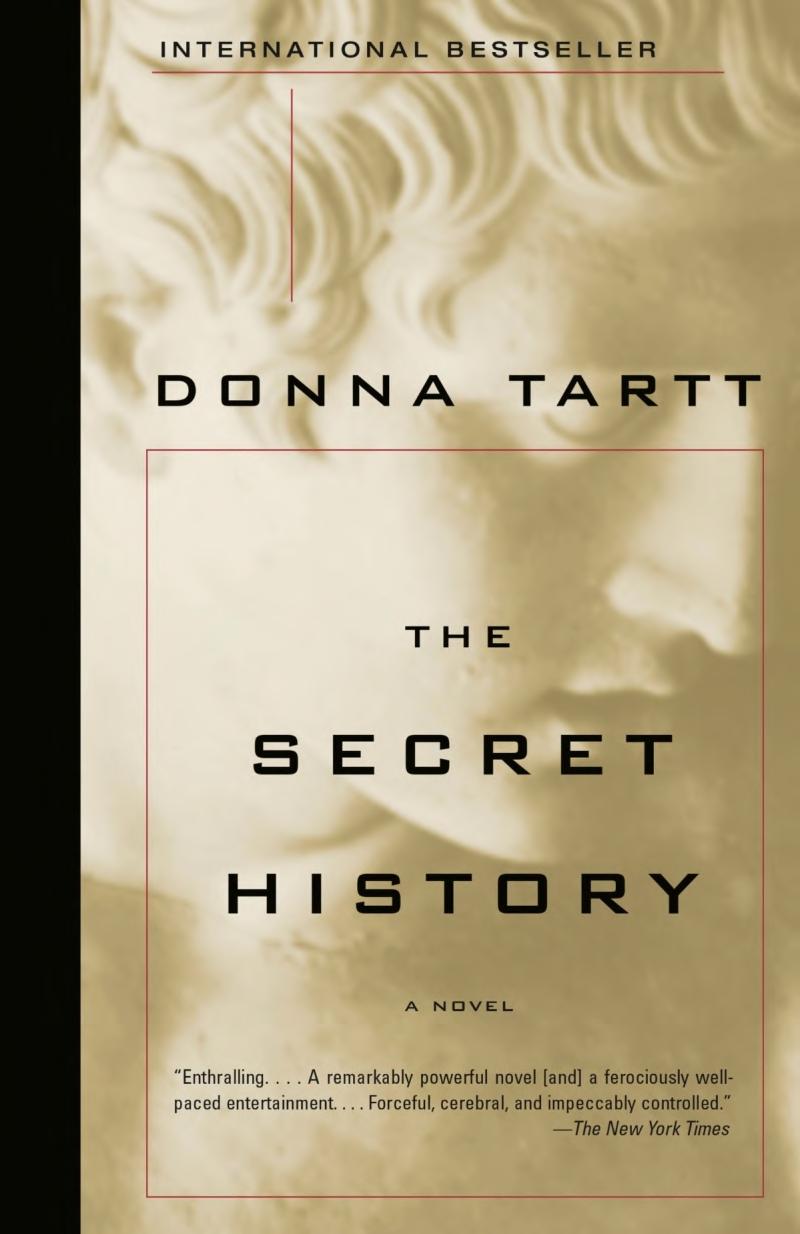
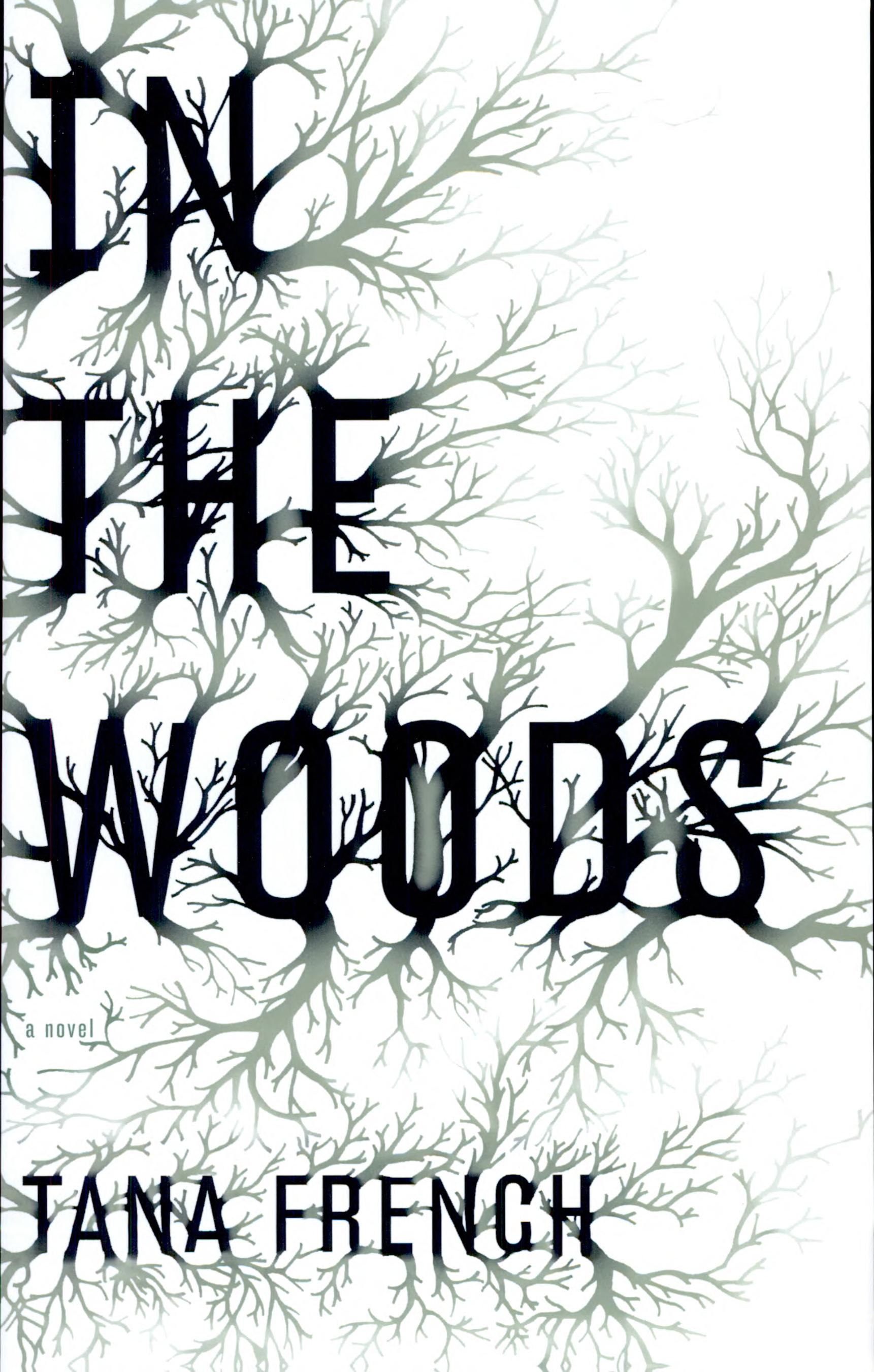
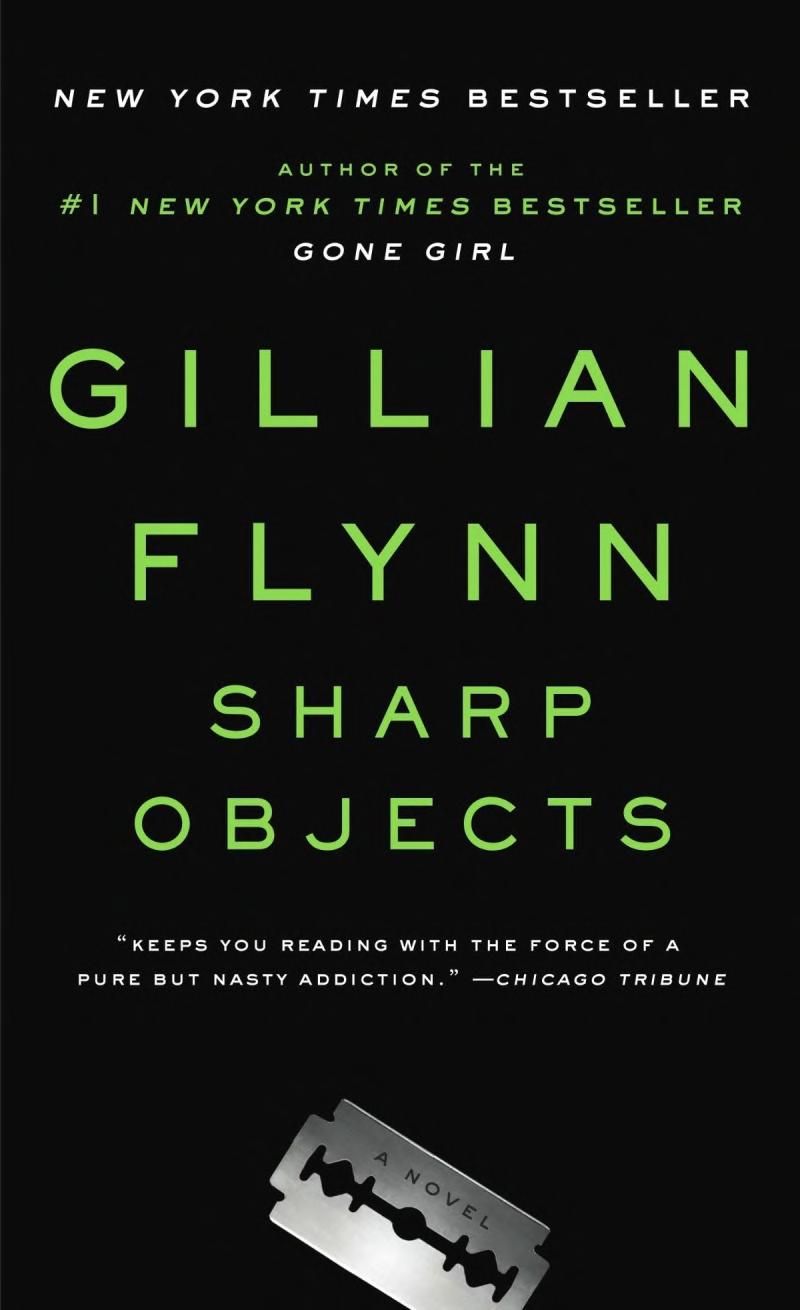
Who This Is For
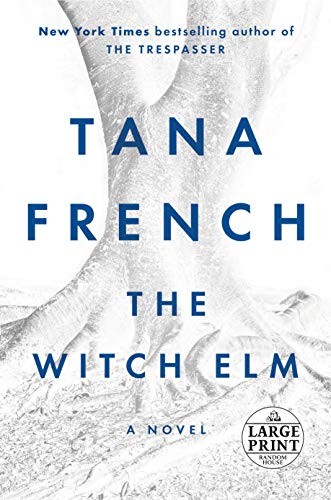
Readers who finished The Talented Mr. Ripley unsettled by the realization that they had spent the novel hoping Ripley would get away with it, and who want more books that produce moral discomfort through character complexity rather than through explicit content. Also literary fiction readers who avoid thrillers and would not normally pick up a crime novel — The Secret History and The Witch Elm in particular are more in the literary fiction register than the genre thriller one. Browse the thriller and mystery and literary fiction catalogues for more in this direction.
Frequently Asked Questions
Q: Are there more Tom Ripley novels? A: Yes. Highsmith wrote five Ripley novels in total: The Talented Mr. Ripley, Ripley Under Ground, Ripley’s Game, The Boy Who Followed Ripley, and Ripley Under Water. They vary in quality but Ripley’s Game is widely considered the second-best, featuring Ripley recruiting a dying man to commit a murder on his behalf and observing his transformation with clinical curiosity.
Q: What makes The Talented Mr. Ripley different from other psychological thrillers? A: Most psychological thrillers maintain a moral framework that keeps the reader at a safe distance from the criminal protagonist. Highsmith removes that safety. She writes Ripley’s perspective with enough intimacy and intelligence that the reader understands and to some degree shares his priorities, which makes the reading experience genuinely uncomfortable rather than simply exciting.
Q: Is The Secret History appropriate if I want something similar to The Talented Mr. Ripley? A: It is the most direct literary equivalent. Both novels are about a specific social environment that enables transgression, both use an unreliable narrator who is complicit in the central crime, and both are more interested in the moral ecosystem than in the mechanics of what happened. The Secret History is longer and more novelistic in its concerns; The Talented Mr. Ripley is more tightly controlled. Both are essential.
Q: What should I read if I loved Ripley’s intelligence but want something less dark? A: The Devotion of Suspect X delivers the same pleasure of watching a very intelligent person construct an elaborate solution to an impossible problem, with a moral complexity that runs in a different direction — toward sacrifice rather than self-interest. It is the recommendation for readers who want the intellectual pleasure without the amorality.
Not sure which of these is right for you specifically? The Pagesmith quiz matches you to books based on your mood, pacing preference, and reading goals, not bestseller lists. Takes two minutes.