Books You Literally Cannot Put Down
Compulsive readability is not the same across genres. What makes a thriller impossible to stop is structurally different from what makes nonfiction or literary fiction compulsive. These books use different mechanisms to achieve the same result.
May 2026 · 7 min read · The Pagesmith
The phrase “unputdownable” is used so broadly it has lost meaning. A book can be compulsive because of plot mechanics — the chapter ending that withholds a piece of information you need — or because of voice, the sense that stopping would interrupt a stream of consciousness you want to stay inside. It can be compulsive because the stakes are so clear that you need to know the outcome, or because the writing itself is producing a physical urgency that has nothing to do with plot. These mechanisms are different, and the books that use them are not interchangeable. The books here all produce the experience of looking up to find it is two in the morning, but they get there by different routes, which means the right recommendation depends on what kind of reader you are and what kind of compulsion you are looking for.
Why Compulsive Books Work Differently Across Genres
In thriller fiction, compulsion is usually produced by withheld information and chapter endings engineered to demand continuation. The reader knows something bad is coming and needs to know whether the protagonist survives it. In nonfiction, compulsion is stranger: you often know the outcome — the fraud was uncovered, the mountain climber died or didn’t — and the urgency comes from watching the events move toward a conclusion that feels simultaneously inevitable and impossible to accept. In literary fiction, compulsion is rarest and most interesting: when a voice is so precise or a situation so specifically rendered that stopping feels like an interruption of something real. The books here cover all three modes.
The most compulsive books are the ones where the mechanism of the compulsion is invisible. You are not aware of the chapter-ending trick because you are too busy turning the page to think about why.
The Books
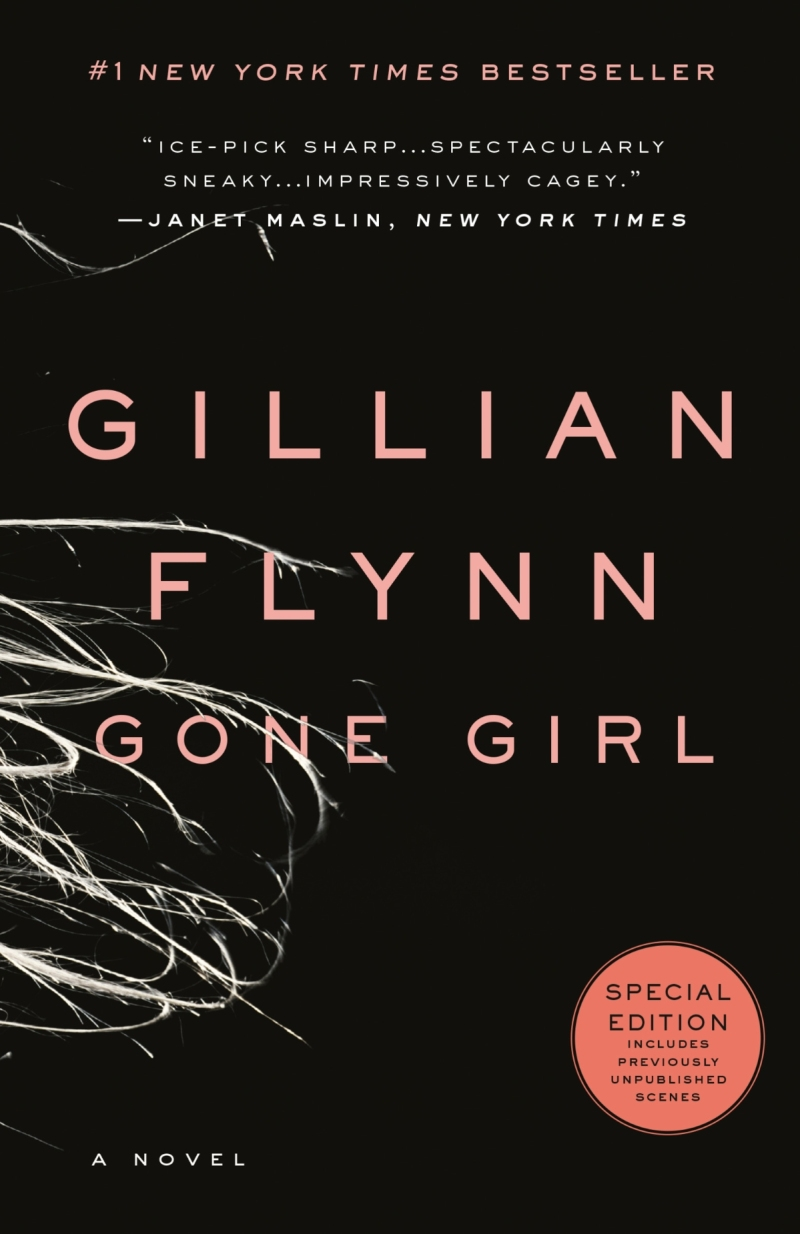
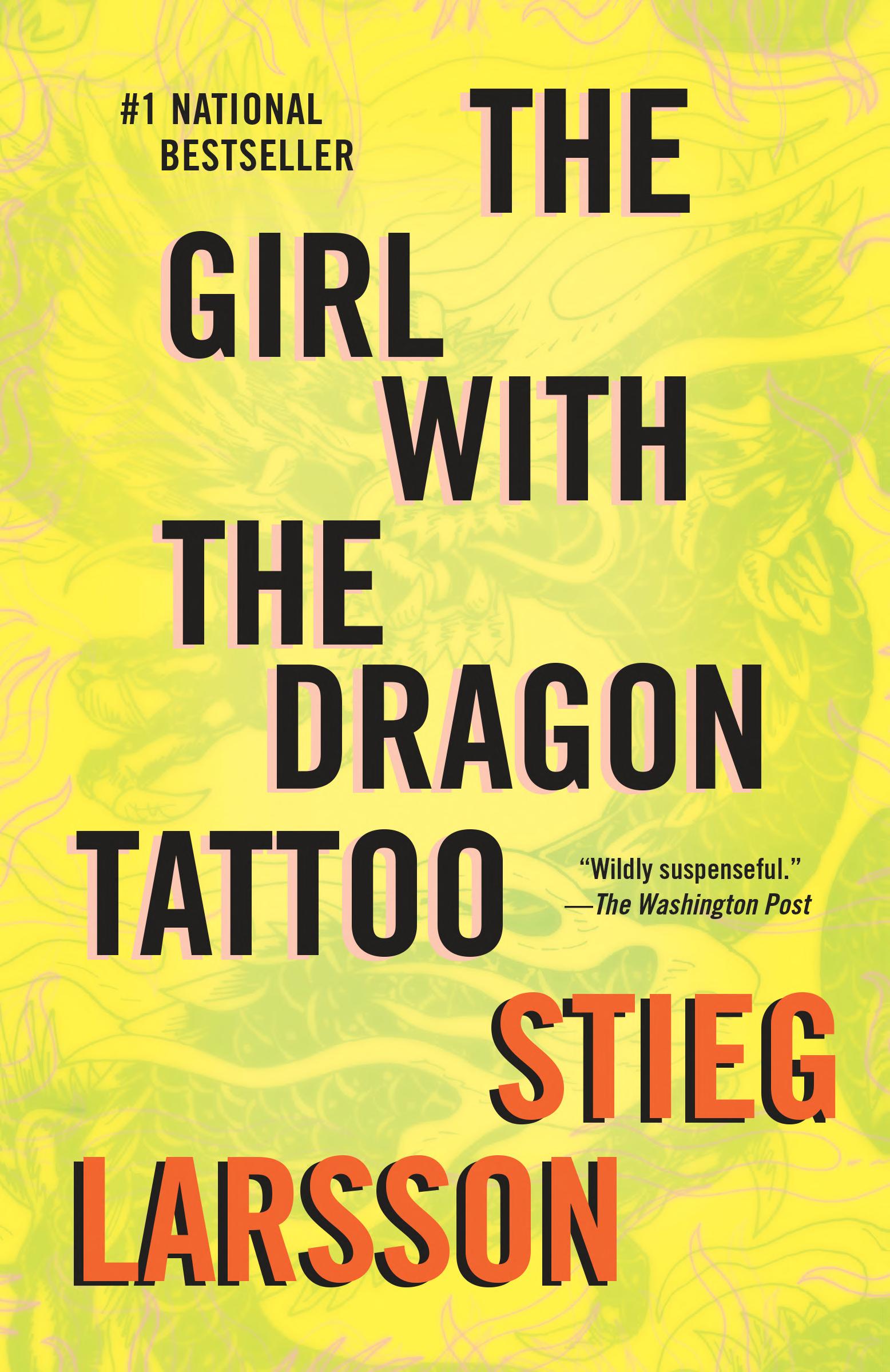
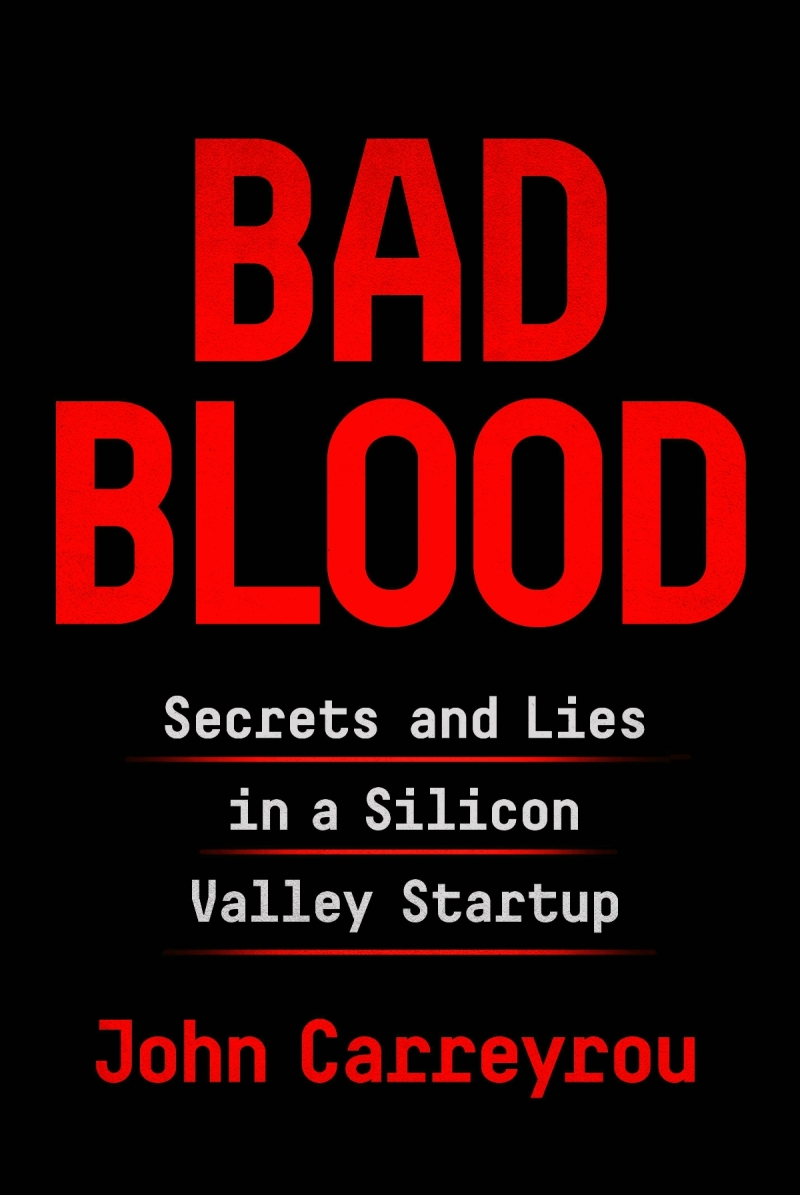
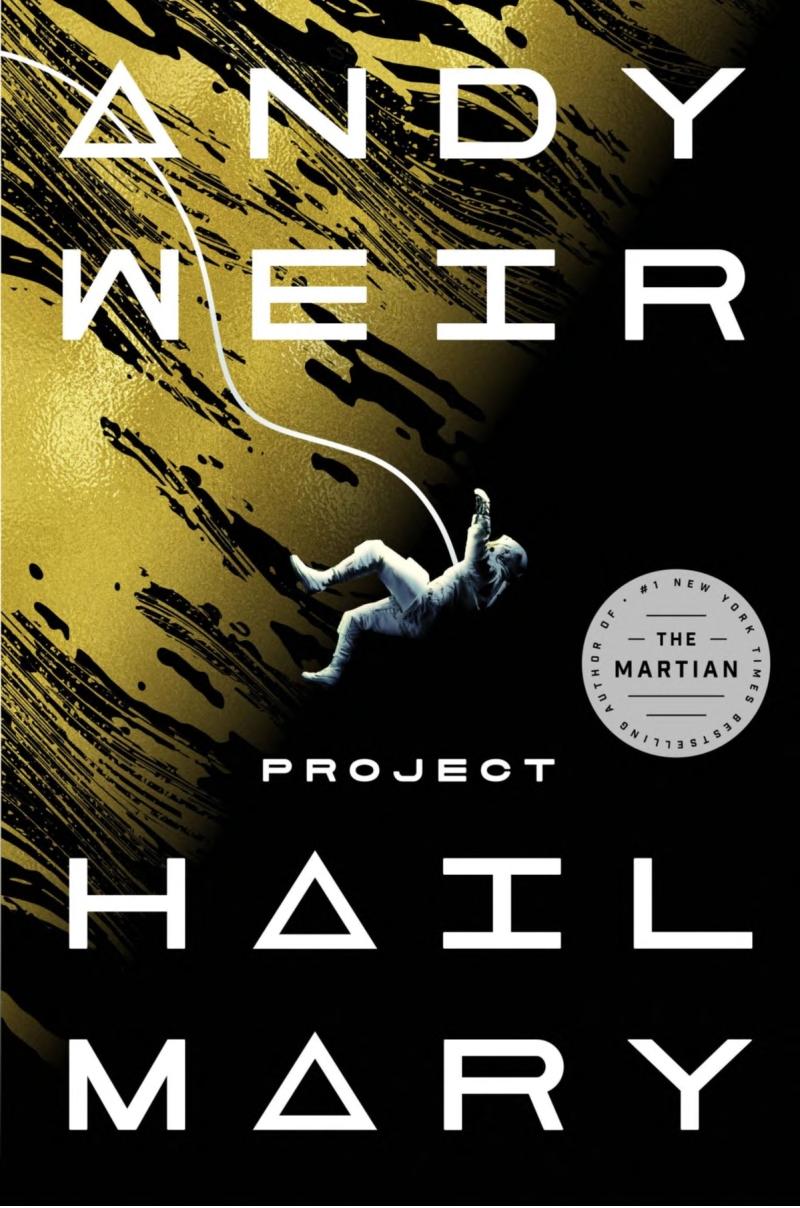
I Am PilgrimTerry HayesThe fastest thriller in the catalogue and the most architecturally sophisticated in its plotting. Hayes spent years on the structure, and the result is a novel where each chapter ends by introducing a new variable that the reader has to follow to its resolution, and where the convergence of the multiple plotlines is timed with the precision of a theatrical production. At 700 pages it is significantly longer than most thrillers and reads significantly faster, because Hayes understands that compulsion in the thriller form requires both a credible threat and a protagonist smart enough to engage with it. Neither element alone produces the effect. Gone GirlGillian FlynnFlynn’s novel is compulsive through an unusual mechanism: even readers who have been told the midpoint reveal in advance report being unable to stop. This is because the compulsion is not primarily informational — it is not about finding out what happened — but about the voice. Amy’s diary entries produce a specific reading pleasure that is independent of plot, the pleasure of being inside a very particular consciousness at full expressiveness. The novel also produces a retroactive compulsion: readers routinely reread the first half immediately after finishing, to see what they were reading without knowing it. The Girl with the Dragon TattooStieg LarssonThe compulsion here is a slow build. The first hundred pages are deliberate — financial journalism and family history — and readers who persist past them report that the transition from setup to investigation is one of the most satisfying accelerations in recent thriller fiction. Larsson builds his momentum through accumulation: the puzzle becomes progressively more complex and the stakes progressively clearer, until the novel is moving at a pace inconsistent with its length. At 600 pages, it is routinely finished in two or three sittings by readers who planned to read fifty pages before bed. Bad BloodJohn CarreyrouThe most compulsive nonfiction on this list, and the clearest example of compulsion produced by structure rather than voice. Carreyrou shapes the Theranos story as a thriller, with each chapter introducing a new near-exposure that is survived and a new level of deception required, and the reader’s knowledge of how it ends does not diminish the urgency because the path from the fraud’s height to its unraveling is genuinely unpredictable. The compulsion is also partly moral: Elizabeth Holmes’s ability to continue operating against accumulating evidence is an ongoing affront to the reader’s sense of how the world should work, and the need to see it resolved drives the reading forward. The Silent PatientAlex MichaelidesThe most purely mechanical compulsion on this list, which is not a criticism. Michaelides constructs the novel’s forward momentum with the precision of a watchmaker — each chapter ends with enough withheld information to make stopping painful, and the dual timeline (Alicia’s journal and Theo’s present-tense investigation) ensures that neither storyline reaches a satisfying resting point simultaneously. Readers who want to understand how thriller compulsion is engineered will find this useful as a technical study alongside its value as entertainment. The reveal lands with proportional force because the buildup is meticulous. Project Hail MaryAndy WeirThe genre outlier and the most unusual compulsion mechanism on this list. Weir’s novel is about a man who wakes up alone on a spaceship with no memory of who he is or how he got there, and the compulsion is produced by the puzzle rather than the threat: each chapter answers one question and generates two more, in a structure that is intellectually rather than emotionally urgent. The science is real, the stakes escalate organically, and the novel produces a specific reading pleasure — the pleasure of watching a very intelligent person figure out something very difficult in real time — that is distinct from thriller compulsion and equally difficult to interrupt. Who This Is For
Readers who need to finish a book in a sitting or two and are not served by slower literary fiction, however good — who want the experience of momentum and forward pull rather than the more diffuse pleasure of sustained immersion. Also readers who have been told they are not readers because they struggle to finish books slowly, and who need evidence that the right book for them simply requires a different kind of compulsion. Browse the thriller and mystery catalogue for more in this direction.
Frequently Asked Questions
Q: What is the fastest-reading book on this list?
A: The Silent Patient and Gone Girl are both short and engineered for speed. Project Hail Mary reads faster than its length suggests. I Am Pilgrim is long but moves quickly enough that length is not a deterrent.
Q: What is the best unputdownable book that is not a thriller?
A: Bad Blood delivers thriller-level compulsion in nonfiction. Project Hail Mary produces intellectual compulsion in science fiction. For literary fiction, Gone Girl reads faster than its genre classification suggests and uses voice-based compulsion rather than pure plot mechanics.
Q: Do these books have satisfying endings?
A: I Am Pilgrim, The Silent Patient, and Project Hail Mary all have satisfying conclusions that reward the investment. Gone Girl’s ending is deliberately provocative rather than satisfying. Bad Blood’s ending is determined by real events and is satisfying in the sense that accountability is eventually reached.
Q: What should I read after Project Hail Mary?
A: The Martian by Andy Weir uses the same intellectual compulsion mechanism — a very smart person solving escalating problems in real time — and is slightly faster-paced. For readers who want the same puzzle-forward structure in a different genre, The Devotion of Suspect X delivers mathematical ingenuity applied to crime fiction.
Not sure which of these is right for you specifically? The Pagesmith quiz matches you to books based on your mood, pacing preference, and reading goals, not bestseller lists. Takes two minutes.