Books Like The Thursday Murder Club for Fans of Wit and Warmth
The Thursday Murder Club works because it refuses to treat its elderly protagonists as diminished -- they are the most formidable people in the room, and the comedy comes from being underestimated. These books share that inversion: older or unlikely protagonists who are more capable than the world expects.
May 2026 · 8 min read · The Pagesmith
Books like The Thursday Murder Club occupy a specific niche that most mystery recommendations miss: novels where the comedy and the warmth are as important as the puzzle, and where the protagonists’ age or apparent ordinariness is the source of their advantage rather than a limitation to be overcome. Richard Osman’s four retirees at Coopers Chase are not solving crimes despite their age; they are solving crimes because of it — because they have decades of accumulated experience, the specific social invisibility that comes with being elderly, and enough time on their hands to pursue what younger, busier people would abandon. The books here share that structural insight: that the most effective investigators, the most resilient survivors, and the most incisive observers are often the people the world has decided to stop paying attention to.
What Sets Warm Mystery Apart from Cozy Mystery
The terms cozy and warm are often used interchangeably for mystery fiction that prioritizes character over gore, but they describe different things. Cozy mystery typically implies a bounded, safe world in which the murder is almost incidental to the village life surrounding it. Warm mystery — the category The Thursday Murder Club belongs to — takes the investigation seriously while insisting that the people conducting it are full human beings rather than detective-shaped protagonists. Elizabeth’s grief for her lost husband, Joyce’s cheerful willingness to weaponize social invisibility, Ibrahim’s displaced professional identity: these are not character quirks that make the mystery charming. They are the actual content of the novel, which happens to also include a puzzle. The books here share that proportion.
The most interesting amateur detectives in fiction are not people who happen to be good at solving puzzles. They are people who have accumulated enough of life to understand that the official explanation is usually incomplete — and who have enough free time to prove it.
The Books
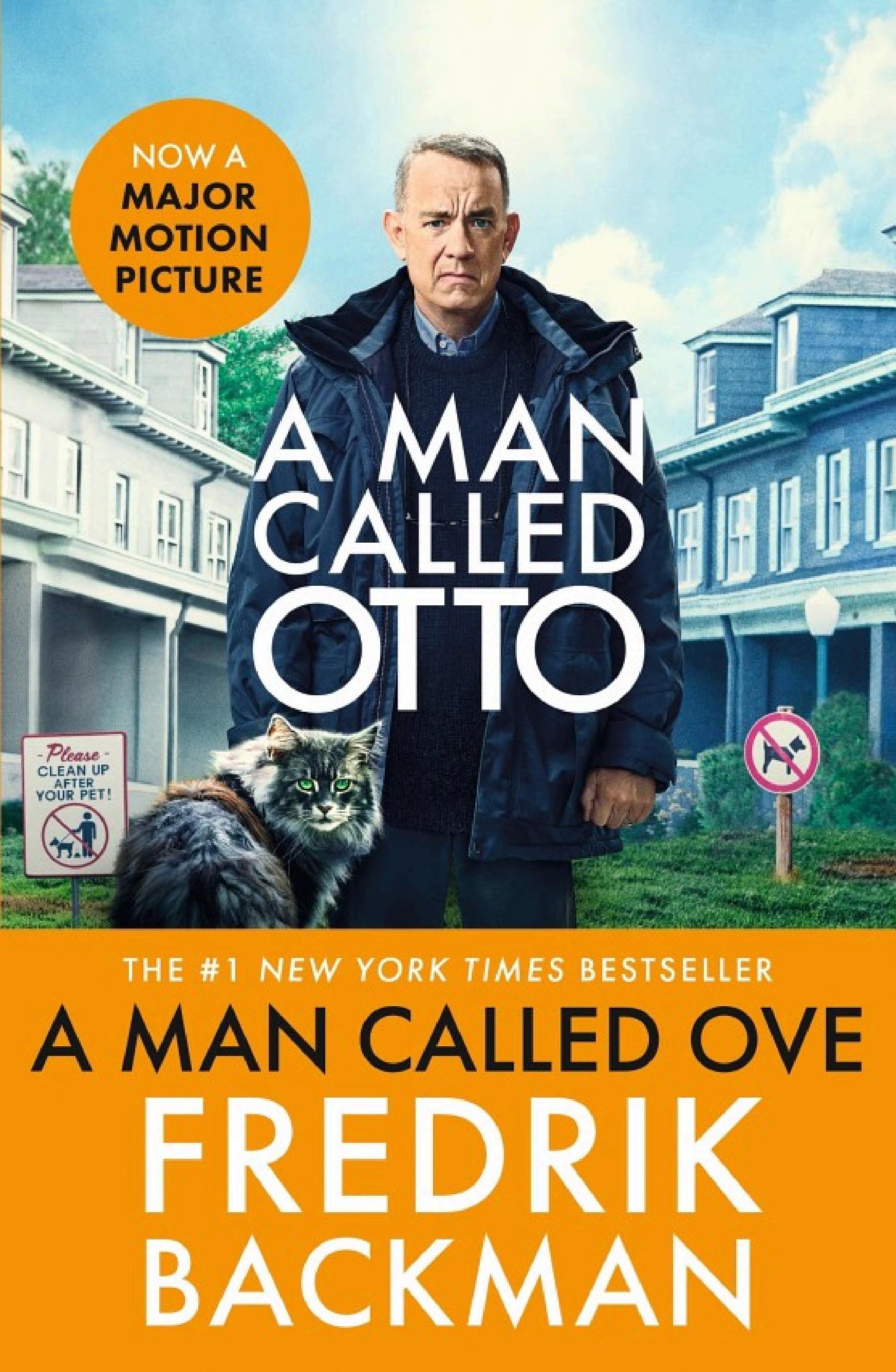
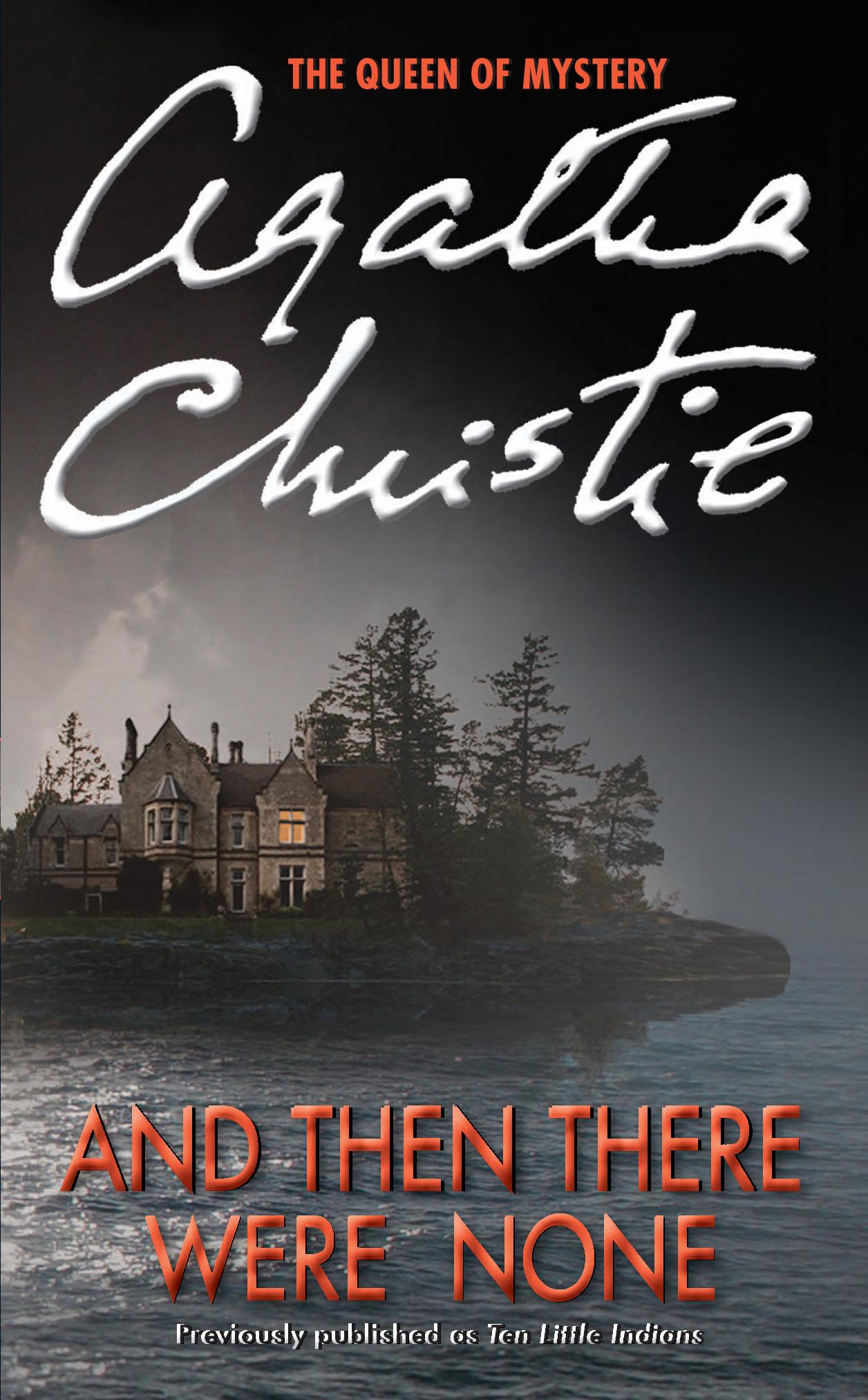
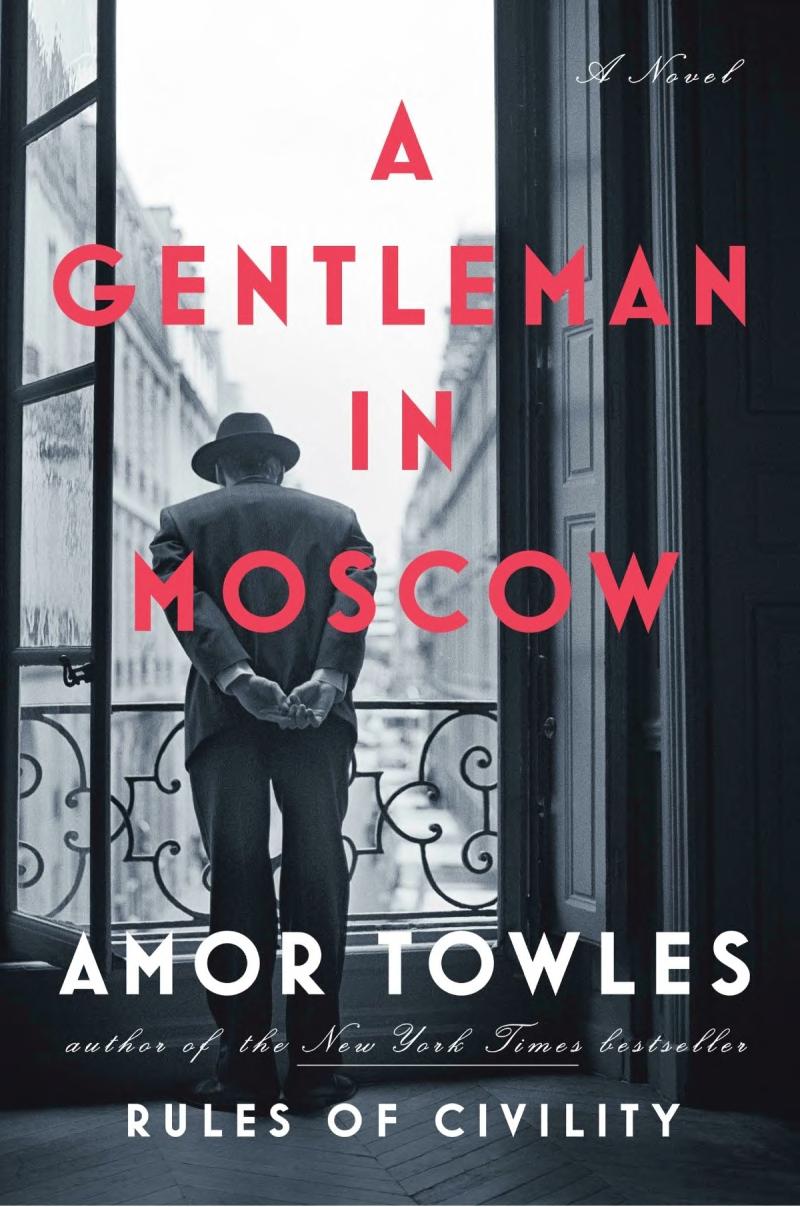
A Man Called OveFredrik BackmanBackman’s first novel is not a mystery but shares The Thursday Murder Club’s most important quality: an older protagonist whose curmudgeonliness the reader is invited to look through rather than past. Ove’s formidability — his absolute refusal to tolerate incompetence, his encyclopedic knowledge of how things should work, his specific and irrefutable standards — is the same quality that makes Elizabeth, Joyce, Ibrahim, and Ron so effective. Backman renders Ove with full humanity rather than as a comedy of the elderly, and the warmth arrives specifically because the novel has first established the weight of what Ove has been carrying. The most structurally similar reading experience to Osman’s that is not a mystery. The No. 1 Ladies’ Detective AgencyAlexander McCall SmithMcCall Smith’s Precious Ramotswe is the closest fictional cousin to Osman’s quartet: an amateur detective whose effectiveness comes not from expertise but from patience, generosity, and an understanding of human nature accumulated across a full life. The Botswana setting is rendered with genuine affection, and the investigations are less puzzles than moral inquiries — Mma Ramotswe’s method is to understand why people do things rather than simply to establish who did them. Like The Thursday Murder Club, the novel is organized around a central character whose specific wisdom the world underestimates, and both authors share a conviction that ordinary human decency is a more reliable investigative tool than deduction. The Hundred-Year-Old Man Who Climbed Out the Window and DisappearedJonas JonassonJonasson’s novel shares The Thursday Murder Club’s pleasure in an elderly protagonist who proves comprehensively more capable than every younger person around them, and its comedy operates in the same register: the gap between how little Allan Karlsson appears to be and how much he has actually done and can still do. The structure — a present-day criminal comedy interleaved with a century of historical adventure — is different from Osman’s locked-setting approach, but the essential joke is the same: age is an advantage the world mistakes for a limitation. Funnier and more absurdist than Osman, with less investment in the emotional lives of the characters, but the reading experience is the closest on this list to the Thursday Murder Club’s specific comedy. And Then There Were NoneAgatha ChristieChristie belongs here because she is the tradition Osman is consciously working within and against. And Then There Were None is the purest expression of the classic mystery’s formal pleasure: a closed environment, a limited cast, a systematic elimination, and a solution that is both surprising and inevitable in retrospect. Where Osman uses the retirement community as his closed environment and populates it with full human beings, Christie uses Soldier Island and maintains the affectionate distance of the classic form. Reading both together clarifies what Osman has inherited and what he has added — the emotional weight, the character depth, the specific melancholy of late life alongside the pleasure of the puzzle. The Rosie ProjectGraeme SimsionSimsion’s novel shares The Thursday Murder Club’s specific comedy of the protagonist whose unusual mode of engaging with the world turns out to be more effective than the conventional approach. Don Tillman’s systematic, data-driven attempt to find a compatible partner is as unlikely a romantic method as Elizabeth’s cold-case solving is an unlikely detection method, and both novels produce their warmth through the same mechanism: the reader’s growing understanding that the protagonist’s approach, however eccentric, is also genuinely rational within its own framework. Less a mystery than a comedy of social navigation, but the reading experience — charmed by an unconventional protagonist operating in a conventional world — is closely related. A Gentleman in MoscowAmor TowlesTowles’ novel shares The Thursday Murder Club’s central pleasure: a protagonist of considerable capability operating inside a physically constrained world, deploying accumulated knowledge and social intelligence to navigate circumstances that would defeat less formidable people. Count Rostov under house arrest in the Metropol Hotel is not diminished by his confinement any more than Elizabeth and her colleagues are diminished by living in a retirement community — both demonstrate that the quality of a mind operating at full capacity is not determined by the scale of the territory available to it. Warmer and more deliberately elegant than Osman, with less comedy, but satisfying the same desire for a protagonist the reader wants to spend time with. Who This Is For
Readers who finished The Thursday Murder Club wanting more fiction that treats its older or unconventional protagonists as the most interesting people in the room — who are tired of mysteries organized around younger, more conventionally formidable investigators, and who want the puzzle to arrive alongside genuine warmth rather than as a substitute for it. Also readers who have found most cozy mysteries too thin on character and are looking for the middle ground between literary fiction and genre comfort. The thriller and mystery catalogue has more in this direction.
Frequently asked questions
Q: How many books are in The Thursday Murder Club series?
A: Four as of 2025: The Thursday Murder Club, The Man Who Died Twice, The Bullet That Missed, and The Last Devil to Die. All four follow the same core quartet at Coopers Chase, with the investigations growing in scale and the emotional investment in the characters’ lives deepening across the series. They can be read independently but reward reading in order.
Q: Is The No. 1 Ladies’ Detective Agency a series?
A: Yes, and a long one — Alexander McCall Smith has written over twenty novels featuring Precious Ramotswe. The first novel stands alone as a complete and satisfying book. Subsequent volumes are shorter and more episodic. Most readers who love the first novel find the series sustains its warmth well into the later volumes.
Q: What makes And Then There Were None different from Agatha Christie’s other mysteries?
A: It has no detective figure — there is no Poirot or Miss Marple to investigate from a position of safety. Every character on Soldier Island is a suspect and a potential victim, which removes the conventional mystery’s stable external perspective and makes the reader genuinely uncertain about what is happening and who will survive. It is Christie’s most formally pure puzzle and the novel that most completely demonstrates the classic mystery’s potential as a closed-system argument.
Q: What should I read after A Gentleman in Moscow?
A: Rules of Civility, Towles’ debut, is set in 1930s Manhattan and shares the Count’s quality of a protagonist navigating a social world with precision and grace. Table for Two collects shorter fiction and a novella that shows his range. For readers who specifically want the confined-space-with-brilliant-protagonist quality, the Thursday Murder Club series is a natural companion precisely because both Towles and Osman are interested in what a fine mind does when its physical world has been made smaller.
Not sure which of these is right for you specifically? The Pagesmith quiz matches you to books based on your mood, pacing preference, and reading goals, not bestseller lists. Takes two minutes.