Books Like Tomorrow and Tomorrow and Tomorrow for Creative Souls
Tomorrow and Tomorrow and Tomorrow works because the creative partnership is the primary relationship -- more charged and more durable than any romance -- and the work itself is rendered as genuinely meaningful rather than as backdrop. These books share that combination: ambition as the lens through which friendship and love are examined across decades.
May 2026 · 8 min read · The Pagesmith
Tomorrow and Tomorrow and Tomorrow fills a gap that most fiction about friendship leaves open: the creative partnership rendered as the primary bond rather than as a subplot or backdrop. Sadie and Sam’s decades-long collaboration on video games is not an interesting detail about two people whose real relationship is romantic; it is the relationship, and Gabrielle Zevin understands that creative collaboration produces a specific kind of intimacy — more demanding, more revealing, and in some ways more durable than love — that most fiction does not attempt to render. The books here share that structural choice: they take seriously the proposition that what people make together, and the shared ambition that drives the making, can be the central relationship in a novel and in a life. Several of them are also organized around the retrospective quality that Tomorrow sustains — the sense of looking back at something that was extraordinary and trying to understand what it actually was.
What Makes Tomorrow and Tomorrow and Tomorrow Work
The novel’s refusal to resolve the Sam-Sadie relationship into either romance or friendship is its most formally important decision. Most fiction about close partnerships reaches for one or the other as resolution; Zevin insists that creative partnership is a third category that does not reduce to either. The games they make together are specific and real in the novel’s world, which means the reader understands the work as actual work rather than as metaphor for the relationship. When the partnership breaks down, the reader understands it as a professional rupture as well as a personal one. The books here share that insistence on the reality of the work: the creative labor is not symbolic, and its demands on the people doing it are not incidental.
The creative partnership in the best fiction about ambition is not a backdrop for the romance. It is the more exacting relationship — the one that reveals more, demands more, and lasts through things that romantic love cannot survive.
The Books
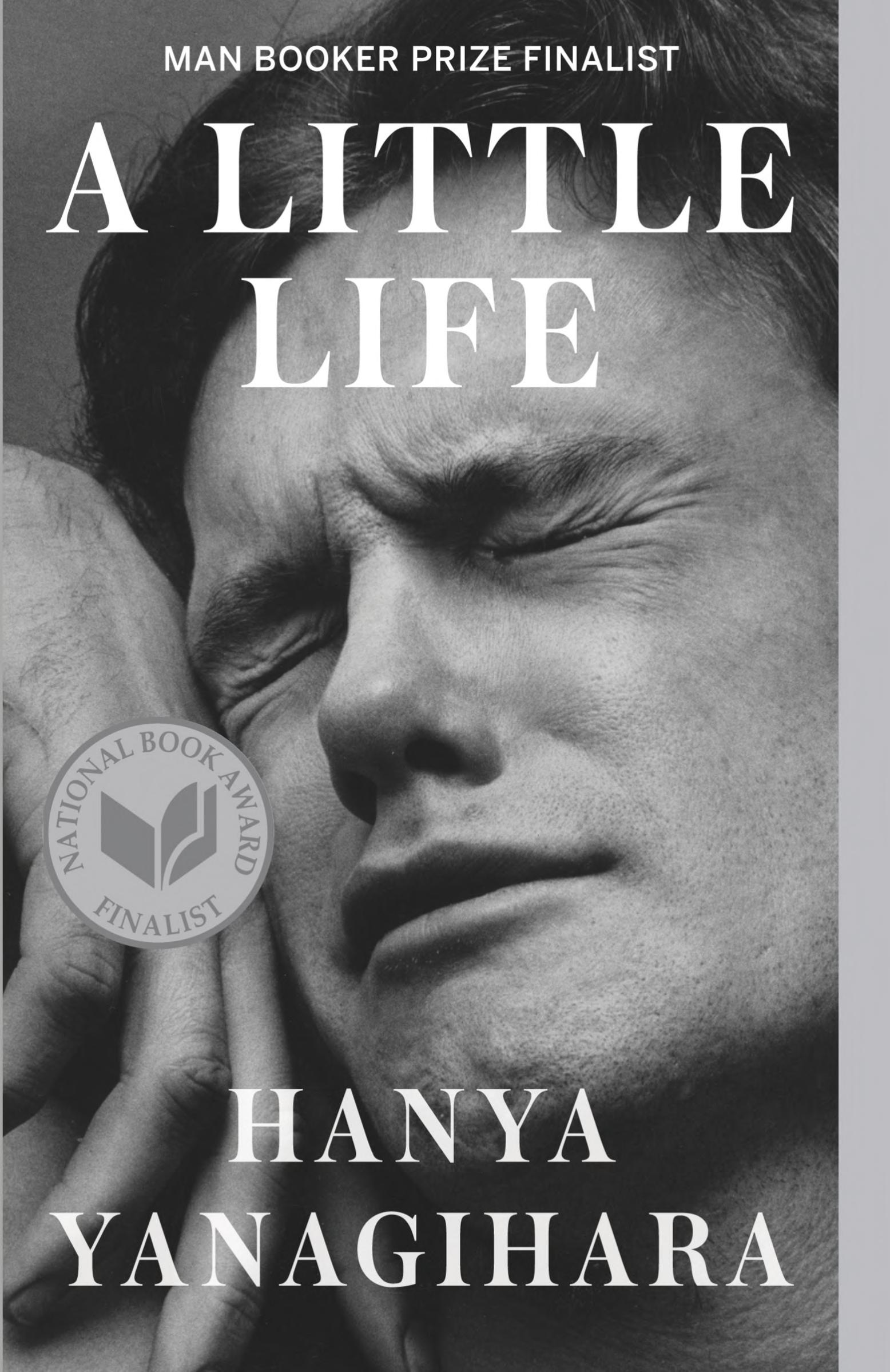
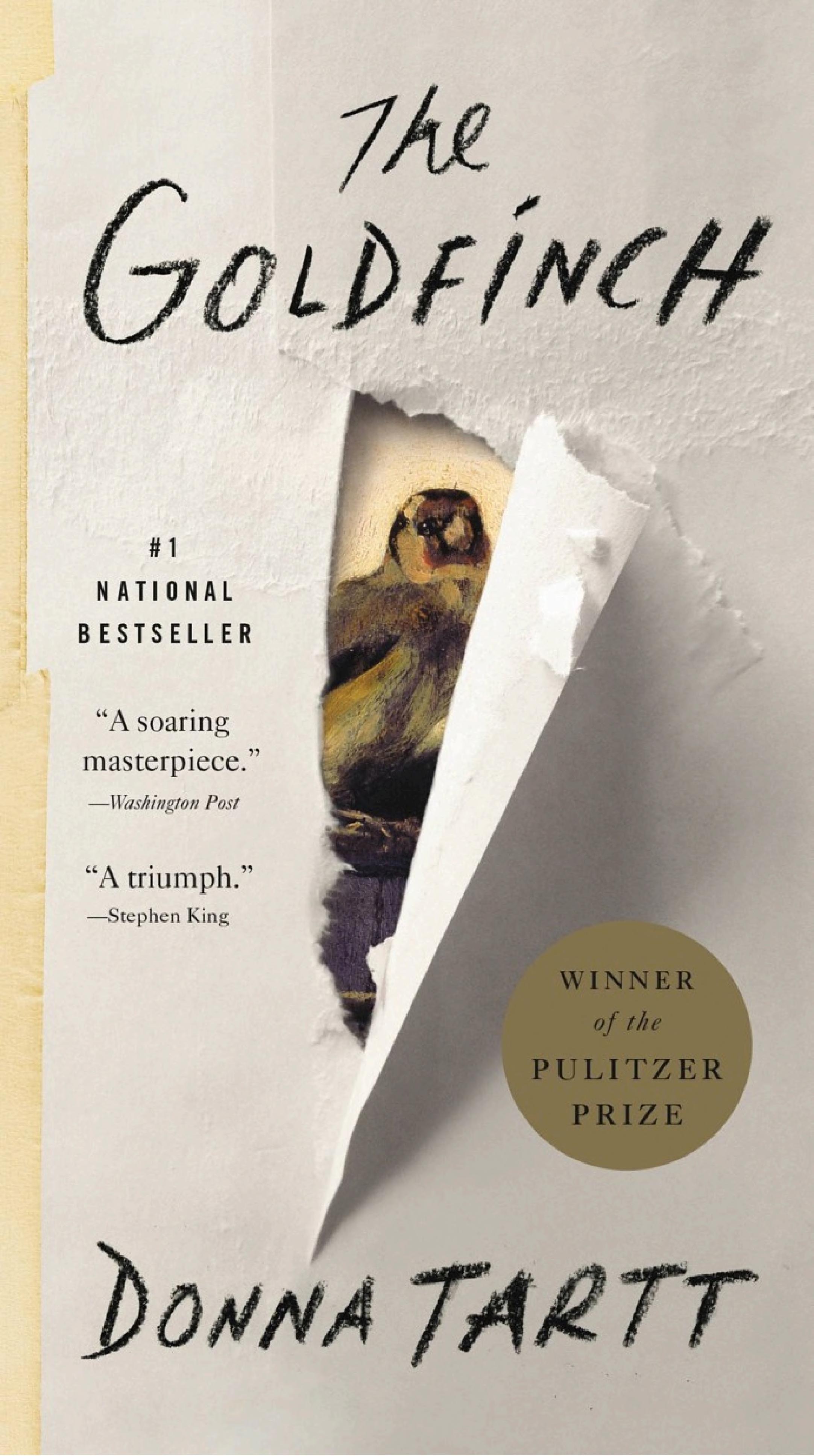
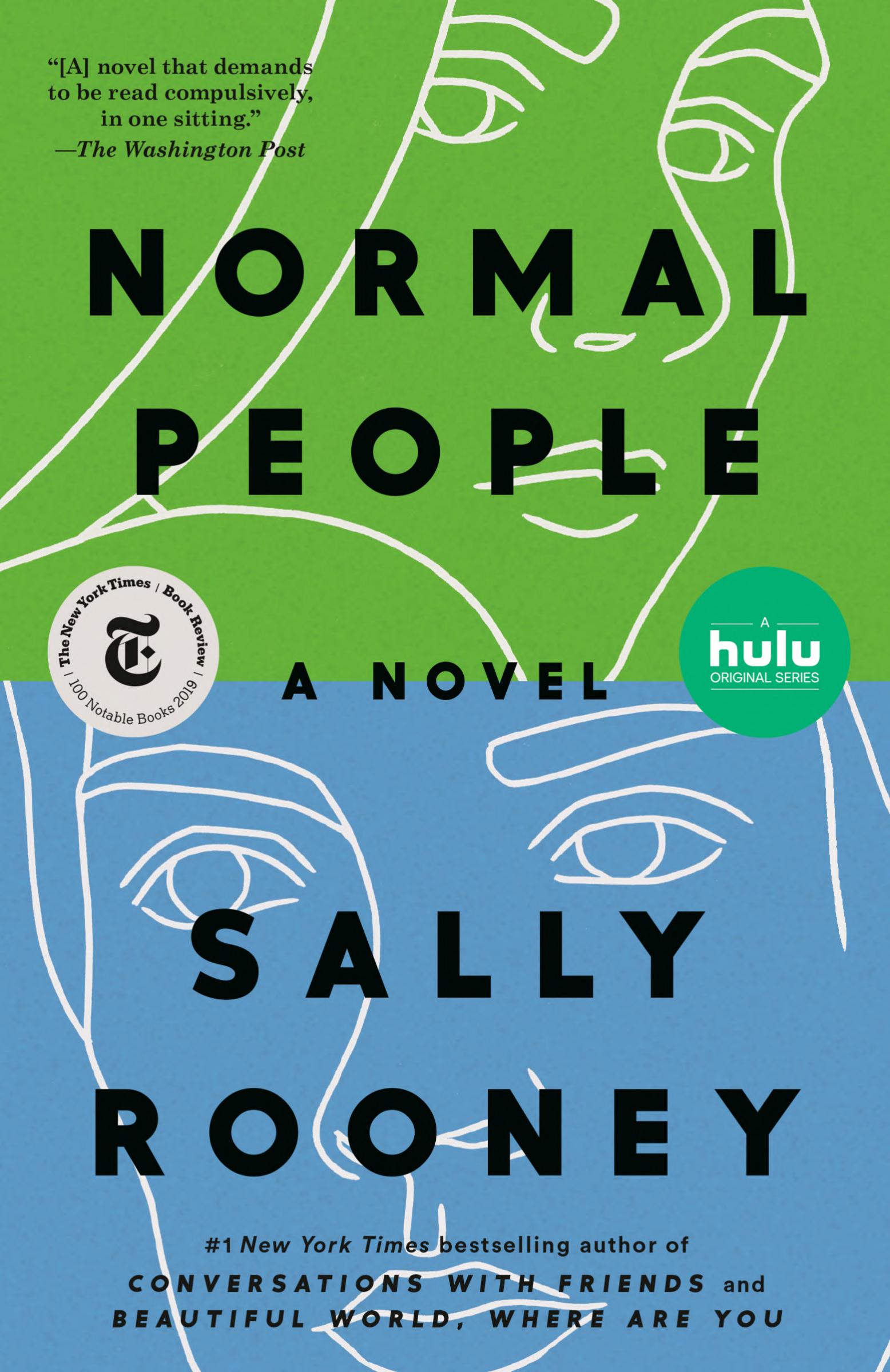
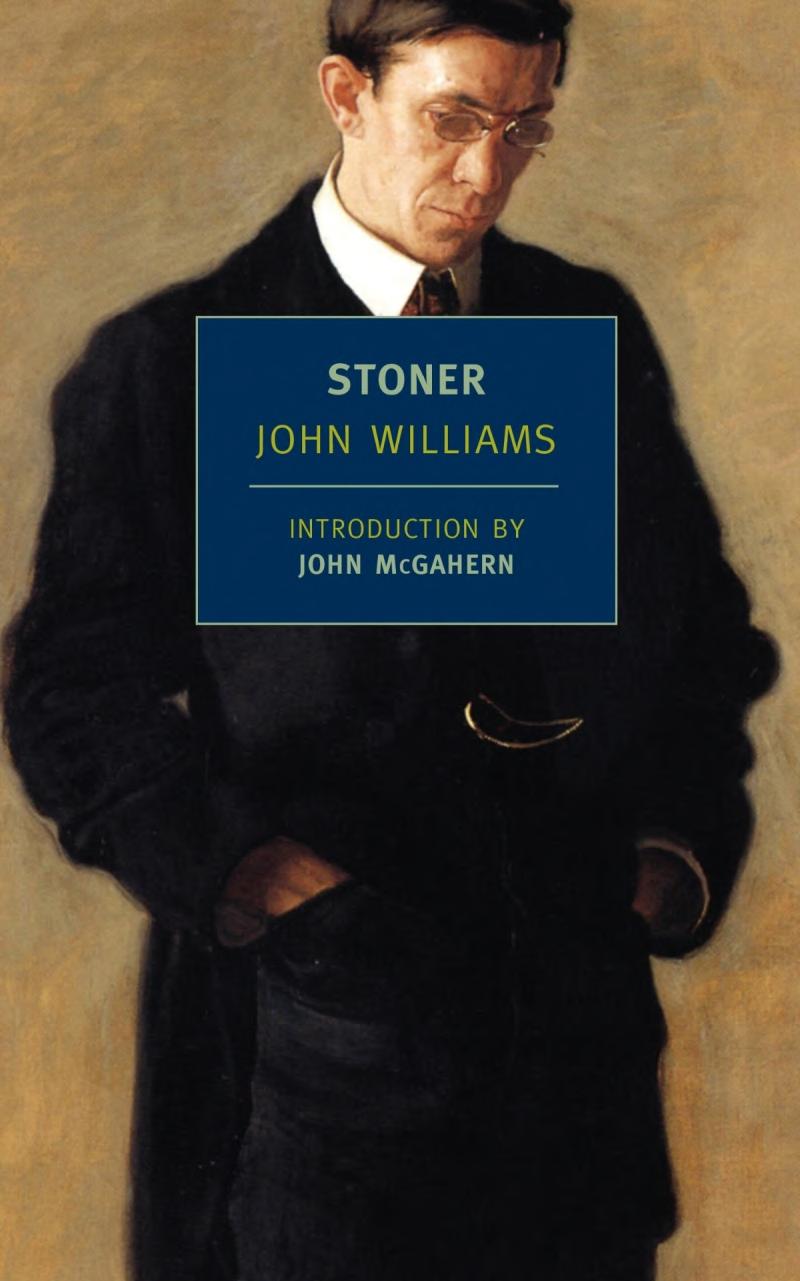
Daisy Jones and the SixTaylor Jenkins ReidThe most direct structural companion to Tomorrow: a creative partnership between two people whose collaboration produces extraordinary work and whose personal relationship cannot survive the conditions that the extraordinary work requires. Reid’s oral history format is the formal equivalent of Zevin’s retrospective distance — both novels look back at the peak from a position of aftermath, which means the reader understands what was being built and lost simultaneously. The specific tension between Daisy and Billy — whose incompatibility as people is also the engine of their best music — mirrors Sam and Sadie’s more precisely than any other book on this list. A Little LifeHanya YanagiharaYanagihara’s novel shares Tomorrow’s decades-long scope and its investment in a group of creative people whose friendships shape who they become as artists and as human beings. The four protagonists — an architect, an actor, a painter, and a lawyer — build careers alongside their friendships, and the creative work is rendered with the same specificity that Zevin brings to game development. A Little Life is considerably darker than Tomorrow, and has significant content warnings across trauma and self-harm, but for readers who want the same scale of friendship across decades and the same seriousness about what creative ambition costs the people who carry it, there is no more complete version of that subject. The Secret HistoryDonna TarttTartt’s novel shares Tomorrow’s retrospective structure and its investment in the specific intensity that shared intellectual or creative pursuit produces among a small group. Richard Papen’s account of his time with Henry, Charles, Camilla, Francis, and Bunny is organized around the same question Zevin is asking: what was the nature of the bond that made what happened possible, and what does it mean that something that felt like the most important relationship of a life turned out to contain what it contained? The Greek seminar is an intellectual creative project as surely as the games are, and Tartt renders its specific intensity with the same precision. The GoldfinchDonna TarttTartt’s Pulitzer winner shares Tomorrow’s central argument: that a relationship organized around a shared passion for a specific created object can be as binding and as defining as any family bond. Theo Decker’s friendship with Boris is organized around the specific conditions of displacement and loss that both boys share, and his relationship with Hobie — the furniture restorer who becomes his surrogate father — is built around the discipline of making and repairing beautiful things. The decades Theo spends in relation to the Goldfinch painting give the novel the same retrospective scope as Tomorrow, and Tartt is equally serious about what a specific aesthetic passion does to the person who carries it across a life. Normal PeopleSally RooneyRooney’s novel is shorter and more concentrated than Tomorrow but shares its central structural choice: a relationship between two highly capable people that is neither quite friendship nor quite romance and that keeps breaking apart and reforming across years because neither can fully let it go. Connell and Marianne’s dynamic — the specific way their class positions and their intellectual compatibility produce a bond that the social world around them cannot accommodate — is the same kind of thing Zevin is describing, rendered at a different scale. Both novels are also specifically interested in what it means to be very good at something and whether that capability connects people or isolates them. StonerJohn WilliamsThe counterintuitive entry and the most honest version of Tomorrow’s argument about vocation. Where Sadie and Sam’s creative partnership produces visible, celebrated work, William Stoner’s commitment to literature produces very little that the world acknowledges. Williams renders a career of teaching and writing that amounts to almost nothing from the outside and almost everything from the inside, and the question of whether Stoner’s calling was real — whether the love of a subject can sustain a life even when it produces no recognizable achievement — is the most important question Tomorrow is also asking. For readers who want that question tested against the conditions of ordinary failure rather than affirmed through the conditions of visible success. Who This Is For
Readers who finished Tomorrow and Tomorrow and Tomorrow understanding that the novel is not primarily about video games but about what it means to build something with someone over decades — and who want fiction that takes creative partnership, long-term friendship, and genuine ambition with the same seriousness. Also readers who are themselves making things and who want fiction that understands why the work matters as much as the people doing it. The literary fiction catalogue has more in this territory.
Frequently asked questions
Q: Is Tomorrow and Tomorrow and Tomorrow about video games?
A: It uses video game development as the creative medium, the same way Daisy Jones uses music or The Goldfinch uses visual art. The games Sadie and Sam make are rendered with enough specificity that the reader understands them as real creative work, but the novel’s subject is creative partnership, ambition, and the kind of friendship that making things together produces. Readers with no interest in games find it as absorbing as those who play them.
Q: What makes Tomorrow and Tomorrow and Tomorrow different from a typical love story?
A: Zevin refuses to resolve the Sam-Sadie relationship into either romance or friendship. Most fiction about two close people reaches for one or the other; Zevin argues that creative partnership is a third category that does not reduce to either, and the novel’s refusal of romantic resolution is the formal enactment of that argument. Some readers find this frustrating; readers who recognize the dynamic find it the most accurate thing in the novel.
Q: Is A Little Life appropriate for all Tomorrow readers?
A: No. A Little Life contains extended depictions of self-harm, sexual abuse, and trauma that are deliberately unflinching. Tomorrow and Tomorrow and Tomorrow is emotionally demanding but not graphic in this way. Readers who are sensitive to these subjects should approach A Little Life cautiously regardless of how much they loved Tomorrow.
Q: What should I read after Tomorrow and Tomorrow and Tomorrow if I want more Gabrielle Zevin?
A: The Storied Life of A.J. Fikry is Zevin’s earlier novel — warmer, shorter, and organized around a bookshop owner’s unexpected transformation after loss. It shares Tomorrow’s investment in creative passion as the basis for human connection, in a more conventionally romantic structure. Elsewhere is her most formally inventive earlier work, a YA novel about the afterlife that demonstrates the range she brings to Tomorrow.
Not sure which of these is right for you specifically? The Pagesmith quiz matches you to books based on your mood, pacing preference, and reading goals, not bestseller lists. Takes two minutes.