Books Like Wicked for Fans of Revisionist Fantasy
Wicked works as revisionist fantasy because Maguire is not simply telling the villain's side of the story -- he is examining the political ideology that produces villains, and how a society decides who gets that label. These books share the structural commitment: fantasy used to make arguments about power and who controls the official story.
June 2026 · 8 min read · The Pagesmith
Wicked is categorized as fairy tale retelling, but that description flattens what Maguire is actually doing. He is not interested in giving the Wicked Witch a sympathetic backstory for its own sake. He is interested in how political systems produce the enemies they need — how a society identifies a scapegoat, assigns them the characteristics that justify their marginalization, and then deploys the official narrative to make that marginalization appear natural and inevitable. Elphaba is green, which makes her visibly different, which makes her available for a role that the Wizard’s regime required someone to fill. The revisionism is not the point; the political analysis that requires the revisionism is the point. The books here are all doing some version of the same thing: using a fantasy setting not to subvert a specific source text but to examine how power works in the worlds it creates, how the official story is constructed and maintained, and what it costs the people on whom it is constructed.
What Revisionist Fantasy Does at Its Best
The failure mode for revisionist fantasy is the sympathetic villain: a book that gives a conventional antagonist a tragic backstory without examining why the original story needed a villain at all. The books here avoid this failure by staying interested in structure rather than just sympathy. T.H. White’s Arthurian revisionism is not about making Mordred sympathetic; it is about understanding why the Round Table’s idealism could not survive contact with human nature. Neil Gaiman’s American Gods does not simply defend the old gods against the new; it examines what happens to belief systems when the culture that sustained them is dismantled by a different economic and technological order. The revisionism is always in service of an argument about the world.
The best revisionist fantasy is not interested in whether the villain deserved sympathy. It is interested in why the original story needed a villain, and what that need reveals about the society that produced the story.
The Books
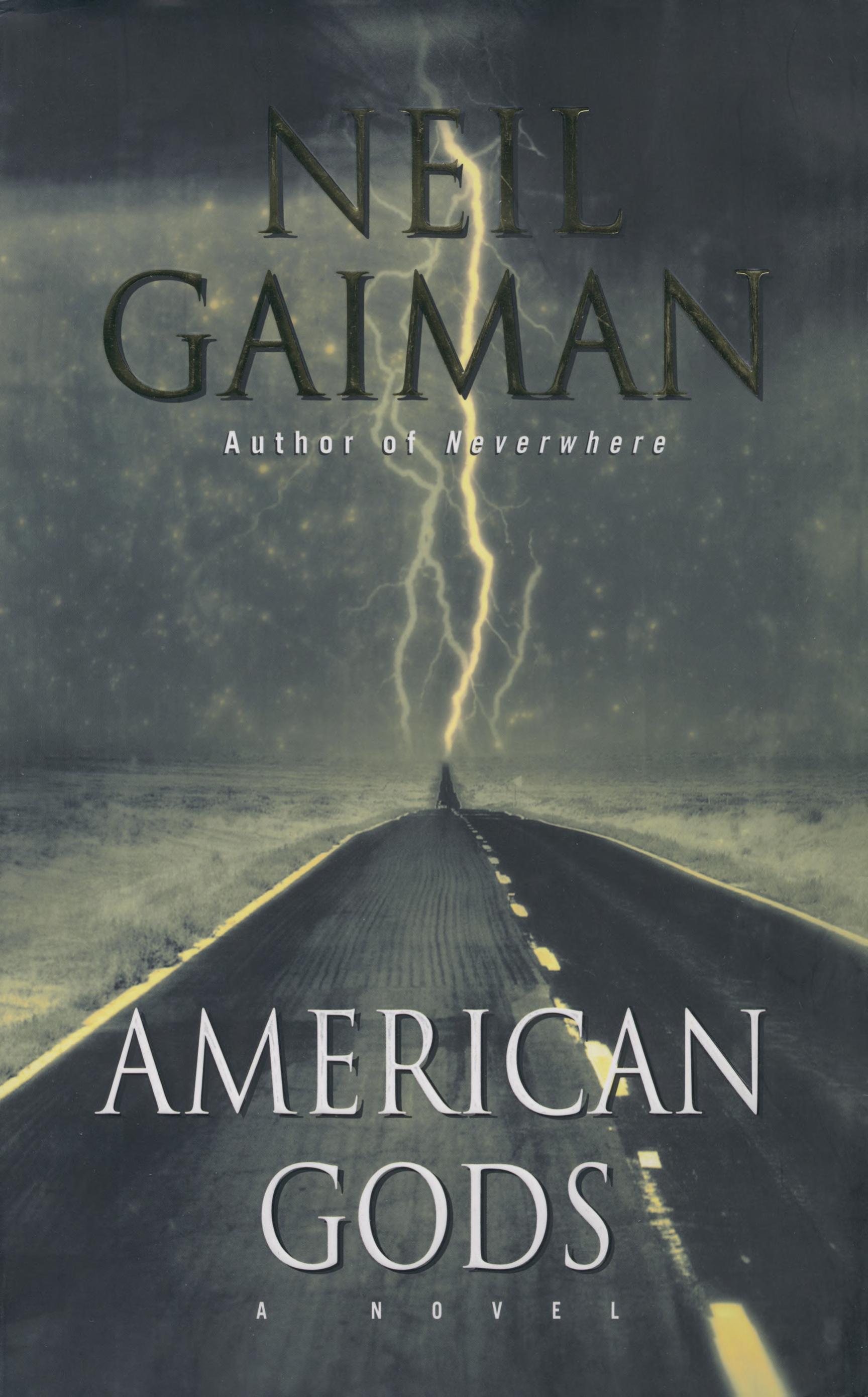
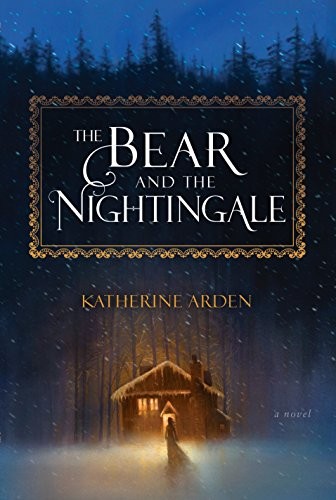
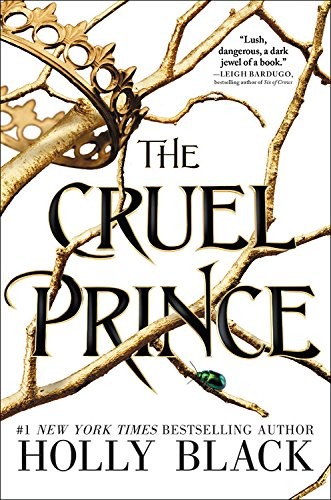
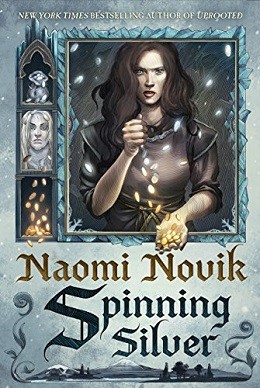
American GodsNeil GaimanGaiman’s novel applies the revisionist impulse not to a specific source text but to the mythological tradition as a whole: the gods that immigrants brought to America are real, diminished, and struggling for relevance against the new gods of technology and media. The argument is political in exactly Maguire’s sense — about what happens to systems of belief when the power structures that sustained them are replaced, and who benefits from the replacement. Shadow Moon’s journey across America is organized around the same question that drives Wicked: what does the official story conceal, and what does the concealment serve? Gaiman is more interested in mythology than politics, but the structural argument is closely related. The Once and Future KingT.H. WhiteWhite’s Arthurian revisionism is the most formally complete on this list: a novel that begins as affectionate retelling and becomes, across four books, a meditation on why idealism fails when it tries to become policy. Arthur’s Round Table is a genuine attempt to replace Might is Right with a system of civilized law, and the novel is organized around the question of why it cannot survive. White’s answer — that the people who are supposed to embody the ideal are human, and human nature is not adequate to ideal requirements — is the revisionist argument in its most serious form. Not a subversion of the source material but a full engagement with what the source material means and why it ends the way it does. UprootedNaomi NovikNovik’s standalone shares Wicked’s specific interest in the corruption of official narratives about good and evil. The Wood — the corrupting forest at the novel’s center — is the official monster of Agnieszka’s world, the dark force that the Dragon protects the valley against. What the novel gradually reveals is that the Wood’s corruption and the human world’s relationship to it are more complicated than the official story allows, and that the solution the Dragon and his predecessors have been applying has been treating symptoms rather than causes. The political argument is quieter than Maguire’s but the structural interest in how an official evil is constructed and maintained to serve someone’s purposes is the same. The Bear and the NightingaleKatherine ArdenArden’s novel revisits Russian folklore not to subvert it but to examine the collision between two competing belief systems — the old Slavic household spirits and the Christian orthodoxy that is replacing them — and to ask what is lost when a new official narrative about the supernatural supplants an older one. Vasya’s ability to see the spirits that the new Christianity is actively suppressing makes her the figure that the new order needs to label as dangerous, and Arden is as precise as Maguire about how that labeling works: through the institutional church’s need to consolidate authority over what can and cannot be real. The most atmospheric book on this list and the one most interested in the moment when one mythology is officially replaced by another. The Cruel PrinceHolly BlackBlack’s fae trilogy is the most explicitly political fantasy on this list after Wicked: Jude Duarte’s navigation of the faerie court is organized entirely around the question of how a mortal without magic acquires and holds power in a world built to exclude her. Black’s fae world is not revisionist in the source-text sense but in the structural sense — she is examining how aristocratic systems justify themselves, how they accommodate people who should have no power when those people prove too useful to eliminate, and what the cost of operating inside a system rigged against you is. The most thriller-propulsive entry here and the one that most directly shares Wicked’s interest in a politically conscious protagonist surviving and navigating a hostile official order. Spinning SilverNaomi NovikNovik’s Rumpelstiltskin retelling shares Wicked’s most important formal quality: the fairy tale is not subverted for its own sake but used to examine something about economic and social power that the original could not address because it needed the reader to accept certain arrangements as natural. Miryem’s moneylending family exists at the intersection of Jewish identity, peasant suspicion, and aristocratic exploitation, and the fairy tale magic literalizes the economic dynamics already present in the source material. Novik is interested in who the original Rumpelstiltskin story required to be the villain and why, and in what the story looks like when the people it marginalized are given the full interiority and competence the original withheld from them. Who This Is For
Readers who finished Wicked understanding that Maguire was not primarily interested in giving the Witch a sympathetic backstory but in examining how political systems produce the enemies they need — and who want more fantasy that uses invented worlds for the same kind of structural political argument rather than for spectacle or romance. Also readers who came to Wicked from the musical or the film and want to explore what the source text is actually doing.
Frequently asked questions
Q: Is Wicked the book very different from the musical?
A: Considerably. The musical takes the friendship between Elphaba and Glinda and the love story as its primary subject and softens the political content significantly. Maguire’s novel is darker, more explicitly political, and less interested in Elphaba as a sympathetic protagonist than in the system that makes her the Wicked Witch. The two are complementary rather than competing — the musical does what musicals do, the novel does what serious fiction does — but readers expecting the musical’s warmth will find the book considerably more challenging.
Q: Do I need to know The Wizard of Oz before reading Wicked?
A: Basic familiarity helps — knowing who Dorothy, Glinda, and the Wizard are gives the revisionism its context. The novel assumes that familiarity rather than providing it. Most readers who grew up with the 1939 film have sufficient context; readers who do not can read the original L. Frank Baum novel or watch the film first without significant effort.
Q: Which of these is the most similar to Wicked in tone?
A: American Gods is the closest in its combination of political argument and mythology, and in its interest in how official narratives are constructed and maintained. The Once and Future King is the closest in seriousness and in its willingness to make the revisionism a complete argument rather than a premise for adventure.
Q: Is The Cruel Prince appropriate for adult readers given its YA classification?
A: The trilogy is classified as YA in most markets but reads as adult fantasy in its political content and its romantic complexity. Most adult readers who classify themselves as fantasy readers rather than specifically YA readers find the series entirely appropriate. The second and third books in particular develop in ways that push against the YA label.
Not sure which of these is right for you specifically? The Pagesmith quiz matches you to books based on your mood, pacing preference, and reading goals, not bestseller lists. Takes two minutes.