Magical realism is the most misunderstood genre label in fiction. It is not fantasy with literary pretensions. It is not surrealism. It is a specific technique — treating magical or supernatural events with the same matter-of-fact narrative register as realistic ones, neither explaining nor dwelling on them — that emerged from Latin American literature in the mid-twentieth century and has since spread across world literature. Understanding what it is actually doing is the key to understanding why its best examples are not escapist but revelatory.
What magical realism actually is
The defining quality of magical realism is not the presence of magic but the narrative register in which magic is treated. In fantasy, the magical elements require a world built around them. In magical realism, the magical elements exist within a world that is otherwise realistic, and the characters accept them as unremarkable. When a yellow cloud of butterflies follows a character across a town, the townspeople do not stop and stare — they have simply learned to expect it.
This technique was developed deliberately to address a specific problem: the gap between official history and lived experience in post-colonial Latin America. When a character’s great-grandmother returns from the dead to haunt the family, the magic is not decoration — it is the only way to represent a form of presence and a form of obligation that realism cannot render. The best magical realism uses its magic precisely where realism fails.
Magical realism is not escapism. It treats the supernatural as simply another fact of life — which makes the magic a lens for seeing the real world more clearly, not a way of avoiding it.
The foundational texts: where the genre began
Magical realism beyond Latin America
Contemporary magical realism: where the technique is now
Who this is for
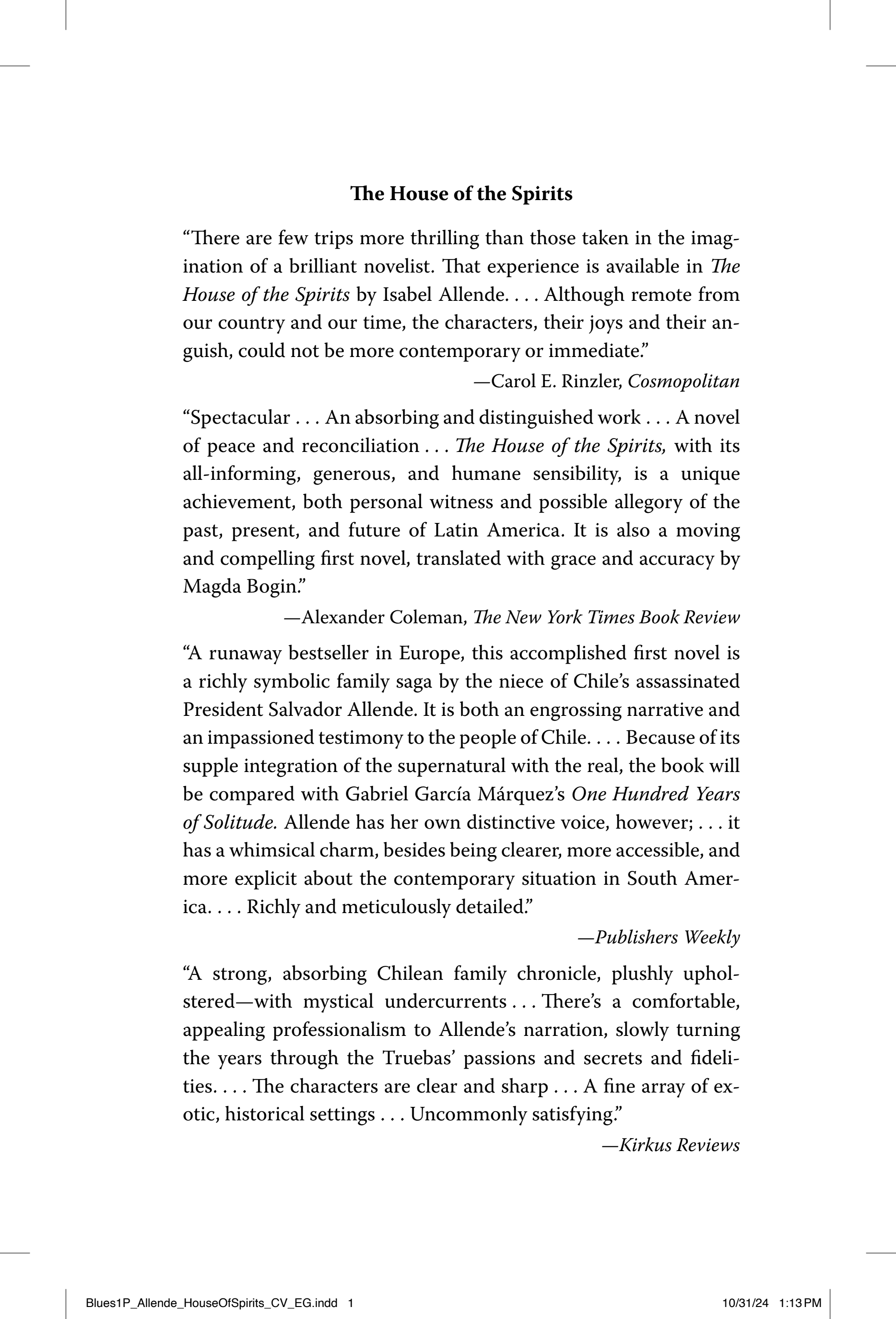
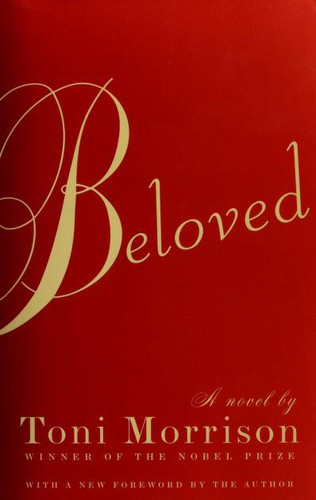
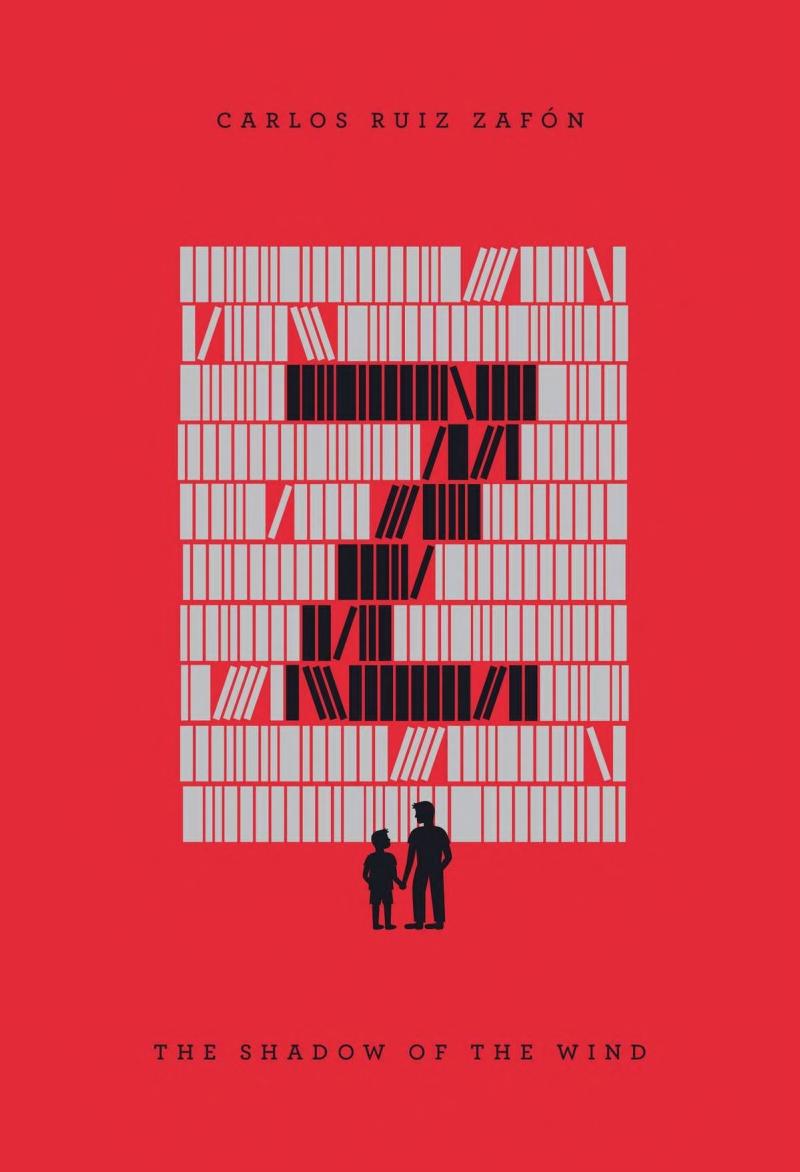
This guide is for readers who have heard the term magical realism and want to understand what it actually is before deciding whether to engage with it — and for readers who loved one of these books without knowing what to call it. Start with The House of the Spirits if you want the most accessible Latin American example. Beloved if you want the most formally powerful American example. The Shadow of the Wind if you want the most immediately readable. Browse literary fiction for more.
Frequently asked questions
Q: What is magical realism and how is it different from fantasy? A: Fantasy builds a world around its magical elements — the magic requires different physics, different rules, different history. Magical realism inserts magical elements into an otherwise realistic world and treats them as unremarkable. The characters do not explain or question the magic. This difference in narrative register is everything: it means the magic functions as a way of seeing the real world more clearly, not as an alternative to it.
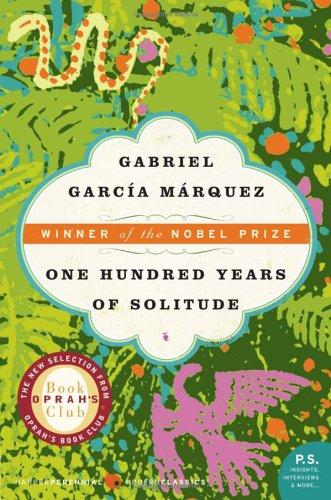
Q: What is the best magical realism book to start with? A: The House of the Spirits by Isabel Allende is the most accessible starting point — multigenerational, propulsive, and warm in a way that One Hundred Years of Solitude is not always. One Hundred Years of Solitude is the canonical answer but requires more patience with the narrative register. The Shadow of the Wind is the most immediately readable.
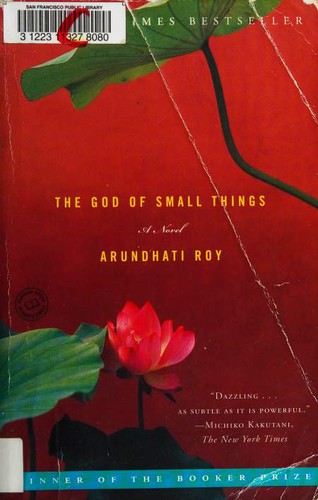
Q: Is magical realism a Latin American genre? A: It originated in Latin American literature — Garcia Marquez, Allende, and Borges are the canonical founders — but the technique has spread widely. Toni Morrison, Arundhati Roy, Gunter Grass, and Salman Rushdie all use it. The technique belongs to the writers who have found it useful, which increasingly means writers from any tradition dealing with the gap between official history and lived experience.
Q: Why do magical realism novels sometimes feel slow? A: Because they are not built for plot momentum — they are built for the accumulation of detail and the gradual revelation of what the magical elements mean. One Hundred Years of Solitude in particular reads more like a family chronicle than a novel with a conventional arc. If the pace is frustrating, The House of the Spirits or The Shadow of the Wind are more conventionally structured alternatives.
Not sure which of these is right for you specifically? The Pagesmith quiz matches you to books based on your mood, pacing preference, and reading goals — not bestseller lists. Takes two minutes.