What to Read After Beloved
What readers usually need after Beloved is not a gentler version of the same subject but a different angle on the same fundamental question: what does it mean to carry history that the present hasn't fully reckoned with. These six books extend that question across different periods, different forms, and different registers of hope.
June 2026 · 7 min read · The Pagesmith
Beloved is not a novel that resolves into comfort, and readers who finish it usually aren’t looking for comfort next — they’re looking for more of the same seriousness, applied to adjacent or extended questions. Morrison’s central argument is that the past does not stay past, that trauma transmitted across generations remains structurally present in ways the culture has not built adequate language for, and that the only way to render this honestly is through formal techniques that refuse linear chronology and comfortable distance. The books here extend that argument in different directions: some stay closer to slavery’s direct aftermath, some move the question into the twentieth century or the present, some apply Morrison’s formal innovations to different historical material entirely. None of them are gentler than Beloved. They are simply asking the question from different angles, which is what makes them the right next step rather than a retreat from what Morrison demanded.
The Books
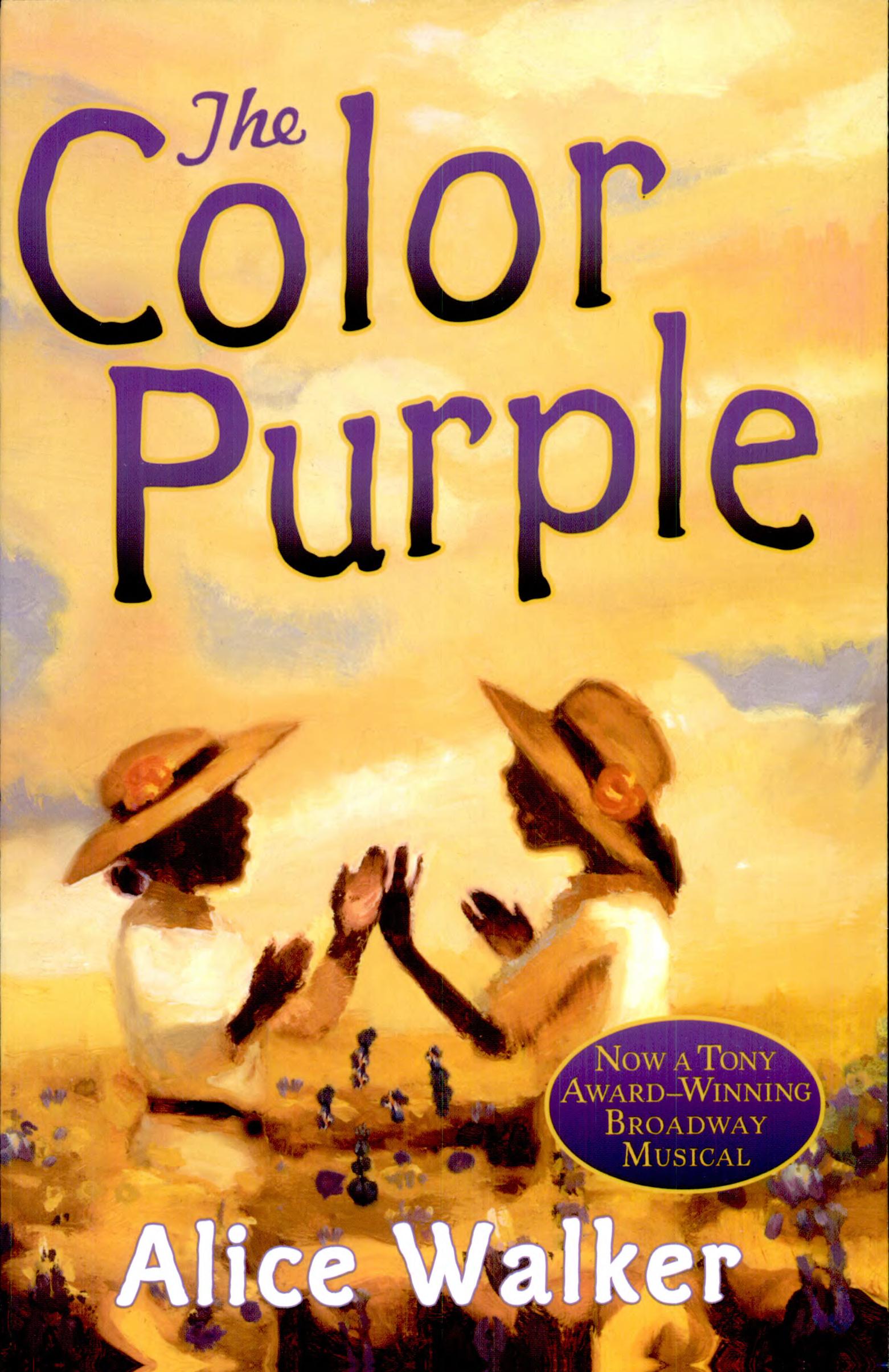
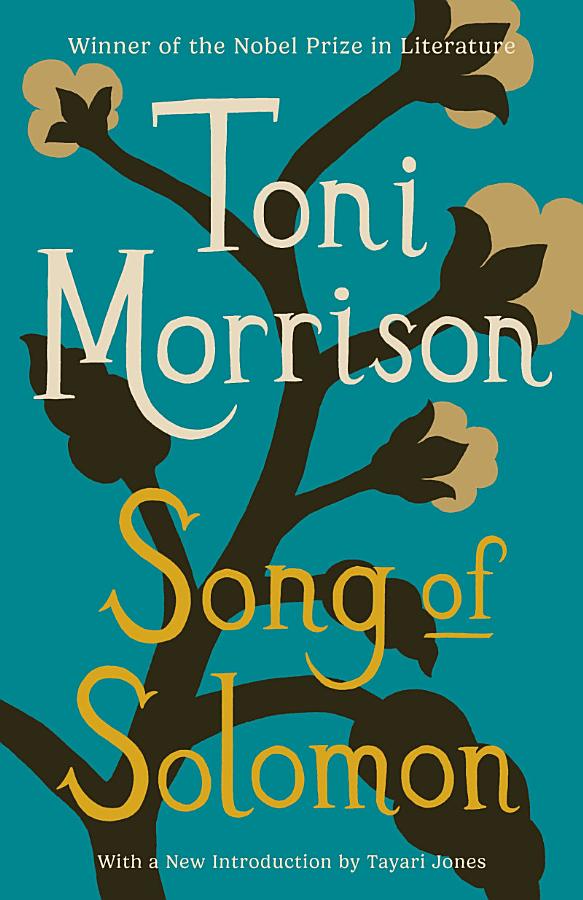
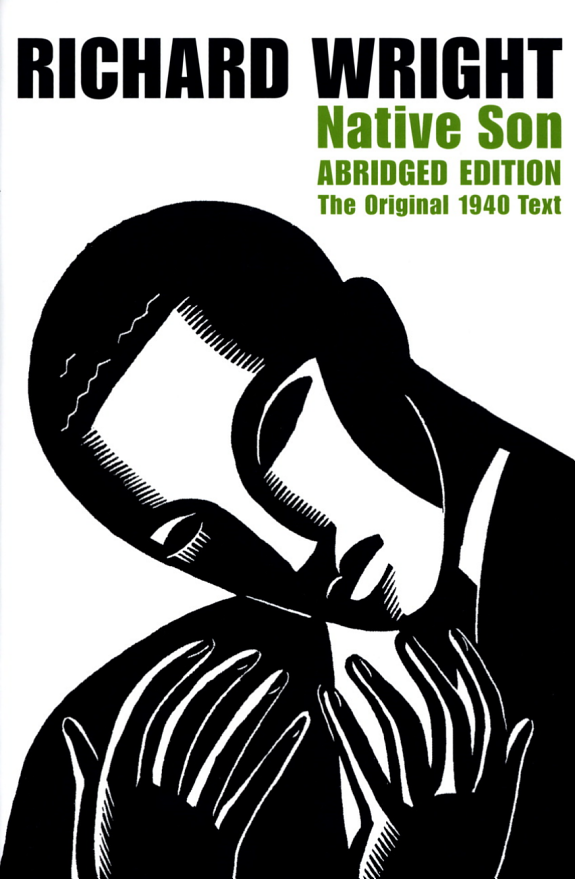
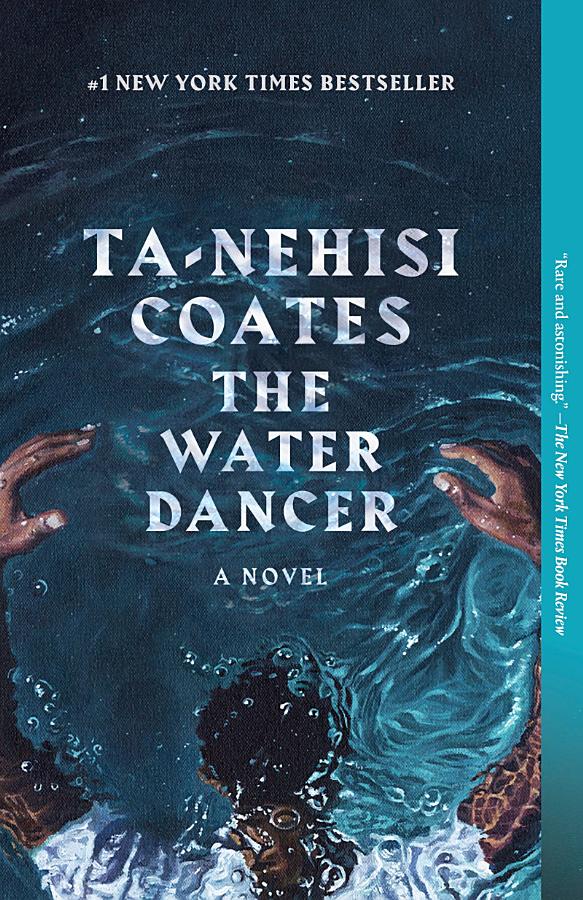
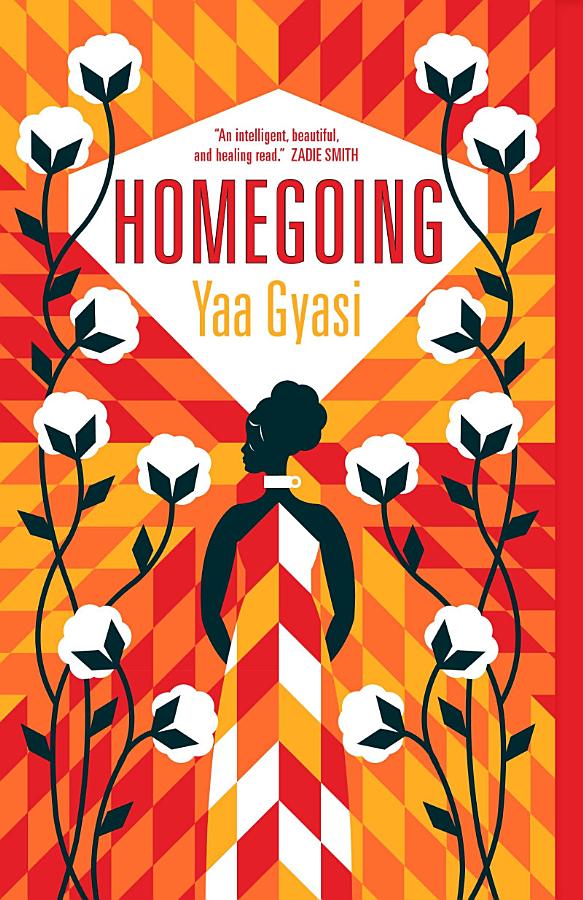
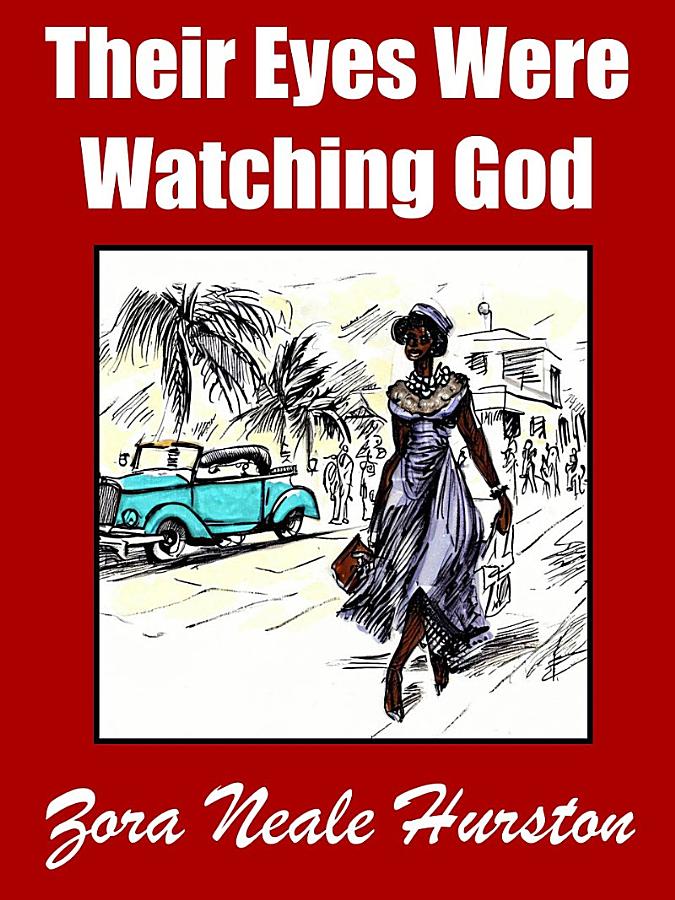
The Color PurpleAlice WalkerWalker’s novel is the closest companion to Beloved in terms of moral seriousness and formal ambition, though its method is different — epistolary rather than non-linear, organized around Celie’s letters rather than Morrison’s shifting consciousness. Where Beloved is about the literal haunting produced by slavery’s violence, The Color Purple is about the specific forms of violence — domestic, sexual, economic — that survived into the twentieth century rural South and that Black women navigated without the protections available to anyone else. Celie’s gradual movement from silenced object to speaking subject is its own form of reckoning with carried history, rendered through a voice that develops its own sophistication as the novel progresses. Song of SolomonToni MorrisonMorrison’s own earlier novel, and the natural next step for readers who want more of her specific method without leaving her work entirely. Milkman Dead’s journey to recover his family’s history — which leads him backward through generations to a story of flight, both literal and mythic — shares Beloved’s interest in the way the past remains structurally present, but the register is different: more magical, more interested in the recovery of buried inheritance than in the haunting of unprocessed trauma. Reading it after Beloved shows the range of what Morrison’s formal techniques can do when applied to a different kind of story about the same underlying historical weight. Native SonRichard WrightWright’s 1940 novel shares Beloved’s refusal of comfortable distance, though it approaches the refusal differently — not through non-linear haunting but through a deliberate denial of sympathy. Bigger Thomas is frightened, violent, and capable of the acts he commits, and Wright denies the reader the consolation of a sympathetic protagonist whose suffering can be comfortably pitied from a safe remove. The novel’s argument — that the conditions producing Bigger are as culpable as Bigger himself — requires the same kind of unflinching moral seriousness that Beloved requires, applied to Depression-era Chicago rather than to slavery’s direct aftermath. Still one of the most uncomfortable and most necessary novels in American literature. The Water DancerTa-Nehisi CoatesCoates’s debut novel is the most direct contemporary heir to Beloved’s specific combination of historical grounding and supernatural device: Hiram Walker, born into slavery in Virginia, discovers he possesses a power called conduction, tied directly to memory, that can transport him across distances when he’s fully present to what he’s lost. The magical realism here functions the way Beloved’s haunting functions — not as escape from the historical material but as the only adequate formal response to it, a way of rendering what realism alone cannot fully convey about the relationship between memory, loss, and survival under slavery. The most formally ambitious novel about American slavery published in the years since Beloved’s influence became fully visible in the literary landscape. HomegoingYaa GyasiGyasi’s eight-generation novel extends Beloved’s central question to the largest possible historical scale: where Morrison renders the haunting of one woman’s unprocessed trauma, Homegoing traces the accumulated consequences of slavery and colonialism across two family lines and two centuries, showing how the originating violence echoes forward into the present in forms that each generation experiences differently. The structural ambition here is different from Morrison’s — chapter-based rather than non-linear, moving forward through time rather than circling around a fixed traumatic point — but the underlying argument, that history’s violence does not stay contained in the past, is the same argument Beloved makes, extended across a much larger canvas. Their Eyes Were Watching GodZora Neale HurstonHurston’s novel predates Beloved by more than fifty years and represents a different register entirely — warmer, more interested in self-discovery than in haunting, set in an all-Black Florida town largely outside the white gaze that organizes most fiction about the Black South. It belongs on this list as a counterpoint rather than a direct continuation: where Beloved insists on the weight of what cannot be escaped, Janie Crawford’s story insists on the possibility of a self that can still be built and claimed despite everything working against it. Reading the two together shows the range available within serious Black American fiction — not a single register but a tradition capable of both unflinching reckoning and genuine, hard-won hope. Who This Is For
Readers who finished Beloved and want more fiction with the same moral seriousness and formal ambition — who are not looking for something gentler but for more of the same unflinching engagement with carried history, applied across different periods and registers. The literary fiction and historical fiction catalogues have more in this direction.
Frequently asked questions
Q: Is Song of Solomon as difficult to read as Beloved?
A: It’s formally complex but in a different way — less disorienting in its chronology, more focused on a single protagonist’s quest structure. Most readers find it somewhat more accessible than Beloved on a first read, while still being demanding in its symbolism and its prose density. It’s an excellent next Morrison novel for exactly this reason.
Q: Is The Water Dancer appropriate for readers who want something close to Beloved’s specific blend of history and the supernatural?
A: Yes — it’s the most direct formal heir to Beloved in this list, using a magical ability tied to memory as the central device, in a way that echoes Morrison’s use of haunting as a formal response to material that realism alone struggles to render. Coates has spoken about Morrison’s influence on the novel directly.
Q: Why does Their Eyes Were Watching God belong on a list about Beloved given how different the tone is?
A: Because the contrast is instructive rather than a mismatch. Reading both novels together shows that Black American literature is not a single register of suffering but a tradition that includes both Morrison’s unflinching reckoning with historical trauma and Hurston’s insistence on the possibility of self-determination and joy. Neither is more “authentic” than the other; together they show the range.
Q: What should I read after Native Son if I want more Richard Wright?
A: Black Boy, his autobiography, covers similar emotional and political territory from his own direct experience rather than through a fictional protagonist, and is essential for understanding the personal history behind Native Son’s unflinching approach.
Not sure which of these is right for you specifically? The Pagesmith quiz matches you to books based on your mood, pacing preference, and reading goals, not bestseller lists. Takes two minutes.