What to Read After Little Women
What readers usually want after Little Women is the same core tension in a new form: a woman with a specific idea of what she should be allowed to want, navigating a world that has a different idea. These six books provide that tension across different historical periods and different registers of hope.
June 2026 · 7 min read · The Pagesmith
Little Women has been loved by readers for more than 150 years and has never gone out of print, which tells you something about the tension at its center: a woman with a specific and vivid sense of what she should be allowed to want, navigating a world that has a different idea. Jo March wants to write, to be independent, to resist the domestic script the nineteenth century has prepared for her — and the novel’s ambivalence about how fully to let her have what she wants is precisely what has kept readers arguing about it across generations. The question “should Jo have chosen differently?” is a question about female ambition, about what marriage requires women to sacrifice, about whether the happiest ending is the most honest one. The books here share that tension in different historical settings and different registers, from the Victorian novel’s most capacious treatment of female interiority to its most urgent contemporary version. None of them resolve the tension any more cleanly than Alcott did — which is why all of them are worth reading.
The Books
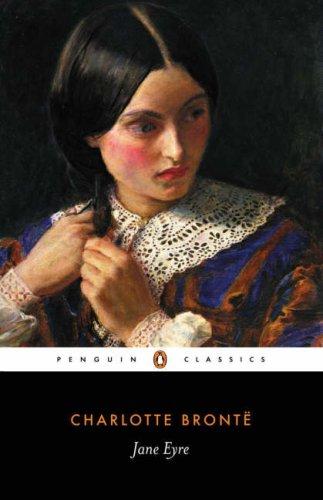
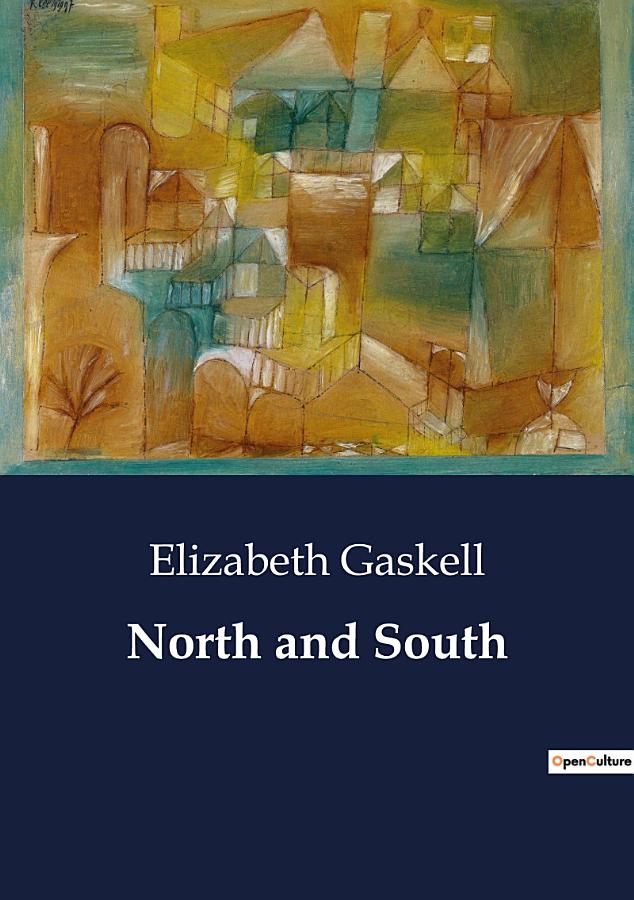
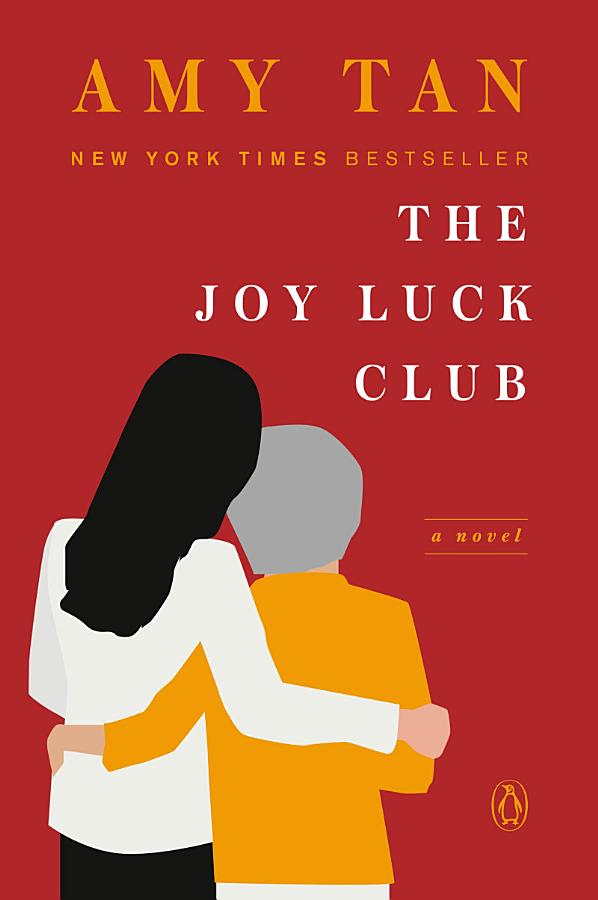
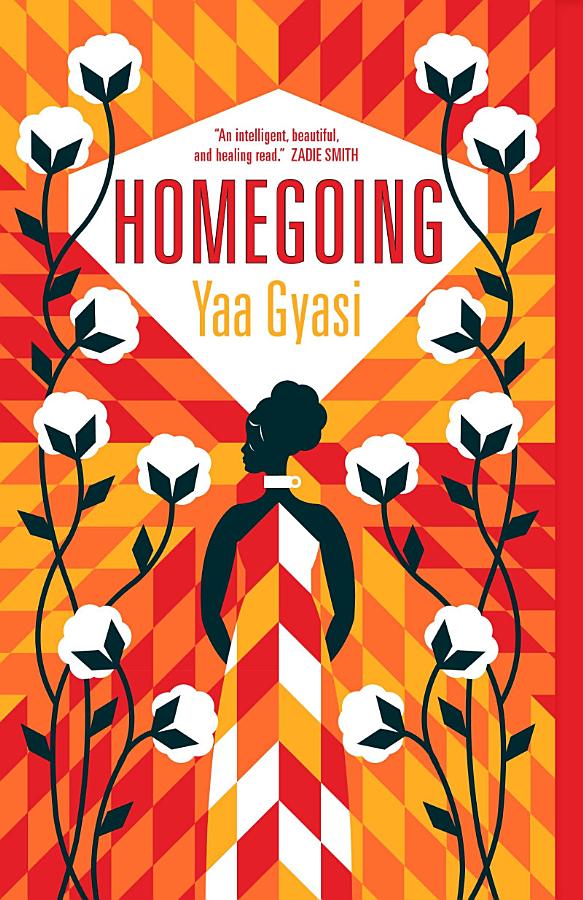
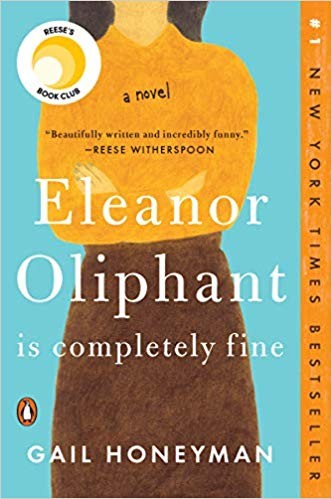
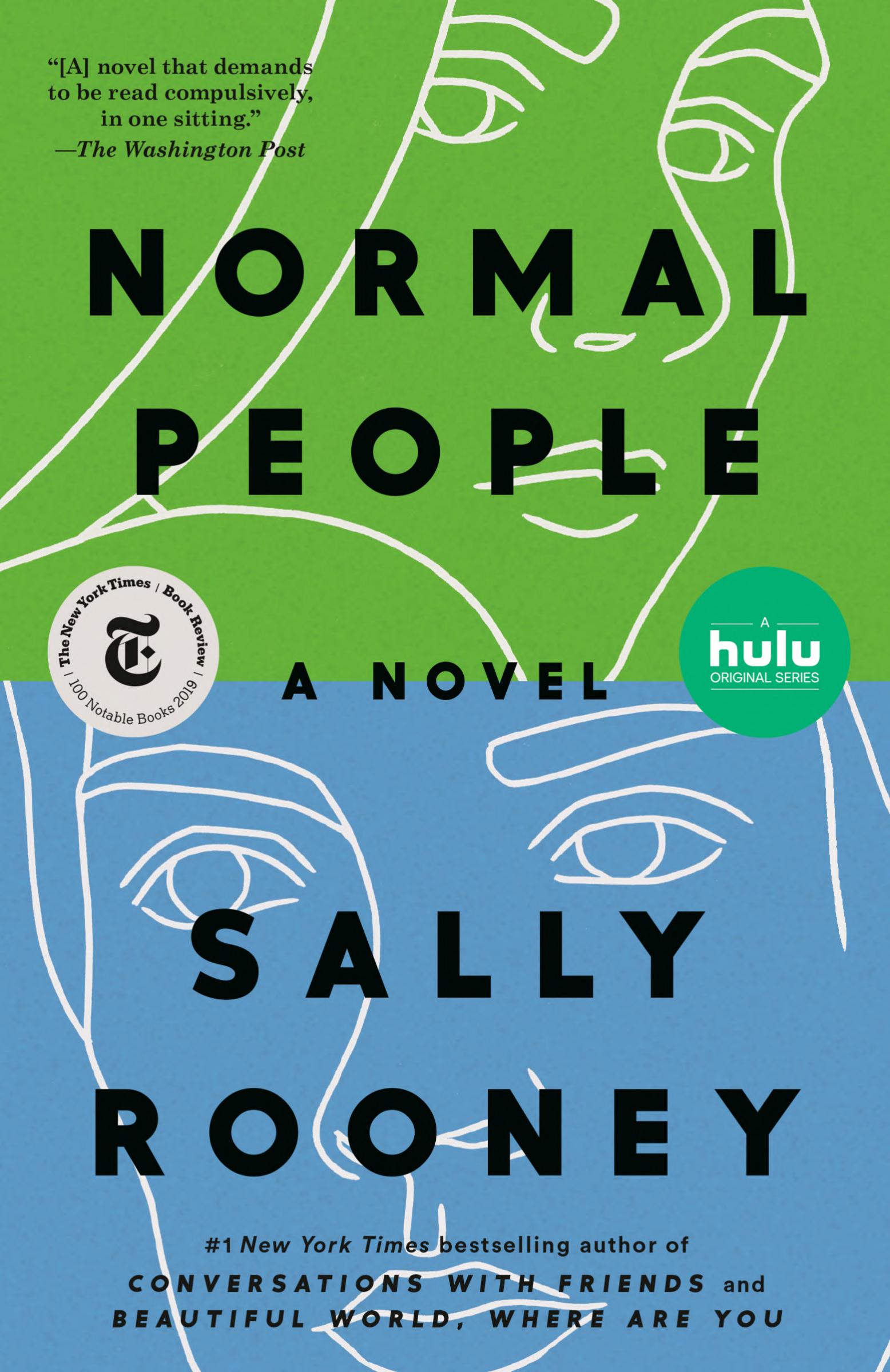
Jane EyreCharlotte BronteThe most direct companion to Little Women in the Victorian tradition: a young woman of small means and great intelligence who refuses to accept the world’s assessment of what she is worth and what she is owed. Jane’s famous declaration — “I am no bird; and no net ensnares me” — is the same assertion Jo March is making across the Atlantic, and Bronte is more explicit than Alcott about the political content of that assertion. The ending of Jane Eyre is genuinely happy in a way that Alcott’s ending is ambivalently happy: Jane gets Rochester and her autonomy and her inheritance, and the novel arranges events to make all three available simultaneously. Bronte earned that arrangement through enough honesty about the difficulty of the earlier chapters that it doesn’t feel like a gift. North and SouthElizabeth GaskellGaskell’s Margaret Hale is the Victorian heroine who most directly addresses Little Women’s industrial context: her move from the rural south to the manufacturing city of Milton brings her into collision with class dynamics, labor politics, and a man of very different values and very similar stubbornness. The novel is the Victorian era’s most intelligent treatment of the relationship between a woman’s interior life and the political world she inhabits — Margaret cannot simply pursue her private feelings because her feelings keep encountering the political realities of industrial England. For Little Women readers who want the same period with more explicit engagement with the world outside the domestic sphere. The Joy Luck ClubAmy TanTan’s novel shares Little Women’s essential concern — what mothers transmit to daughters and what gets lost in the transmission — but applies it across a cultural and generational gap that Alcott’s novel doesn’t have to negotiate. The Joy Luck mothers are trying to give their daughters the best of what they know; the daughters experience that gift as pressure. The novel’s formal structure, alternating between mothers’ and daughters’ perspectives, gives Tan access to the gap between how each generation understands itself and how the other generation experiences them — which is exactly the gap Little Women is negotiating between Marmee’s domestic ideal and Jo’s refusal of it. HomegoingYaa GyasiGyasi’s eight-generation novel is the version of Little Women’s argument at its largest historical scale: what women inherit from their mothers, and what they are allowed to want given the historical conditions they inherit alongside the love. Where Little Women is organized around four sisters in one household across a few years, Homegoing is organized around two family lines across two centuries, and the cumulative argument — that the conditions imposed on women’s wanting are historically produced and therefore historically changeable — is the same argument Little Women makes but at a scale that makes it visible as a structural fact rather than an individual story. Eleanor Oliphant Is Completely FineGail HoneymanHoneyman’s contemporary novel is the most oblique connection on this list but the most useful one for Little Women readers who specifically responded to Jo’s strangeness and solitude: Eleanor Oliphant, like Jo, has a specific inner life that does not map onto the social world’s expectations of her, and the novel is organized around what happens when she gradually discovers that the world contains people who can recognize that inner life. The contemporary setting means the social constraints are different — Eleanor’s difficulty is psychological and interpersonal rather than explicitly gendered — but the core experience, of being too much yourself for the available social frameworks, is recognizable from Alcott’s novel across 150 years. Normal PeopleSally RooneyRooney’s novel is the most contemporary treatment of the Little Women core question: what does it cost a woman to be exceptional in a world that has not prepared a role for what she actually is? Marianne’s trajectory from the social margins of her Irish secondary school to the recognition of Trinity College Dublin is organized around the same tension Alcott built into Jo’s story: the gap between a woman’s sense of herself and the world’s willingness to see her clearly. Rooney provides less resolution than Alcott — the ending of Normal People is qualified hope rather than marriage and professional success — but the emotional accuracy of what it feels like to be Marianne is as precise as Alcott’s rendering of Jo at her best. Who This Is For
Readers who finished Little Women feeling the core tension — a woman’s specific sense of what she should be allowed to want, meeting a world that has a different idea — and who want more fiction that takes that tension seriously across different historical periods and different registers of hope. The literary fiction and historical fiction catalogues have more in this direction.
Frequently asked questions
Q: Why do so many readers feel Jo March should have ended up with Laurie?
A: Because Alcott built the relationship with enough warmth and enough mutual recognition that the reader’s investment in it feels like the story’s primary emotional engine — and then declined to resolve it the way that investment implied. Alcott herself was ambivalent about the marriage plot she felt pressured to provide, and that ambivalence is legible in the ending. The argument about Jo and Laurie is an argument about what novel Little Women actually is.
Q: Is Jane Eyre more or less resolved than Little Women in its treatment of female ambition?
A: More resolved: Jane gets Rochester, financial independence through inheritance, and equality within the marriage. Bronte arranges the plot to provide these satisfactions, and they are earned by the novel’s honesty about what the earlier chapters required. Little Women’s ending is more conflicted because Alcott was more conflicted about what she was writing.
Q: Is The Joy Luck Club specifically about Chinese-American experience or does it work for readers without that background?
A: Both. The specific cultural details of the mothers’ Chinese lives and the daughters’ American ones are precisely rendered and add texture for any reader; prior knowledge of Chinese history is not required. The emotional core — what mothers and daughters cannot say to each other across the gap the world has put between them — is universally legible.
Q: What should I read after Jane Eyre if I want more Victorian fiction about women?
A: North and South is the most direct next step, as it’s here. Middlemarch by George Eliot is the Victorian novel that most completely extends Jane Eyre’s interest in female interiority into the social world that surrounds it. The Tenant of Wildfell Hall by Anne Bronte is darker and more explicit about marriage’s dangers than her sister Charlotte’s novel.
Not sure which of these is right for you specifically? The Pagesmith quiz matches you to books based on your mood, pacing preference, and reading goals, not bestseller lists. Takes two minutes.