What to Read When You Want to Laugh Out Loud
Genuinely funny books are rarer than sad ones, because comedy requires more precision -- the timing has to be exact on the page in a way that drama has more room to forgive. A novel can be moving even when a sentence is slightly off; a joke that's slightly off just doesn't land. These six actually deliver laughs, not just wit.
June 2026 · 7 min read · The Pagesmith
There is a meaningful difference between a book that is witty and a book that is funny. Wit is a quality of observation — a sharp turn of phrase, an accurate piece of social commentary, the kind of thing that makes you nod and think “that’s true” with a small smile. Funny is different: funny produces an actual laugh, an involuntary response, often at a moment you didn’t see coming. Most “funny” books being marketed are actually witty books, which is a perfectly good thing to be but isn’t the same thing. The books here are funny in the stronger sense — they have been reported, by large numbers of readers, to produce actual laughing-out-loud moments, often in public, often more than once. That’s a higher bar than it sounds, because comedy on the page has none of the tools that make live comedy work: no timing controlled by a performer, no audience to laugh along with, nothing but the words and the reader’s own internal rhythm. A book that’s actually funny has solved that problem, which is harder than it looks.
Why Comedy on the Page Is Harder Than It Looks
A joke told aloud has timing built into its delivery — the pause before the punchline, the performer’s expression, the contagious effect of other people laughing. A joke on the page has none of this; the reader controls the pace entirely, can see the punchline coming if it’s poorly hidden, and is alone with the text. For a book to be reliably funny, the prose itself has to do the work that delivery would normally do — sentence structure that creates the pause, word choice that creates the surprise, rhythm that makes the reader’s internal voice land on the funny word at the right moment. This is a genuinely technical skill, and it’s why funny books are rarer than books that are simply witty or clever: wit can survive imprecise prose, but a joke that’s imprecisely written just doesn’t work.
A witty book makes you think “that’s clever.” A funny book makes you laugh before you’ve decided whether you’re going to. The difference is entirely in the precision of the prose — and precision is much harder to achieve in comedy than in almost any other register.
The Books
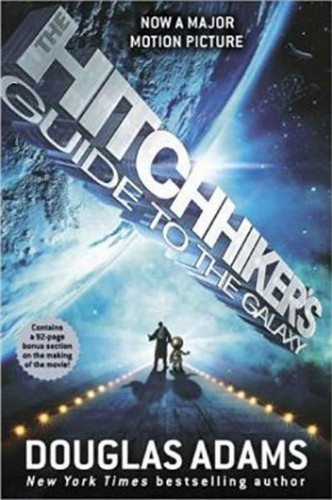
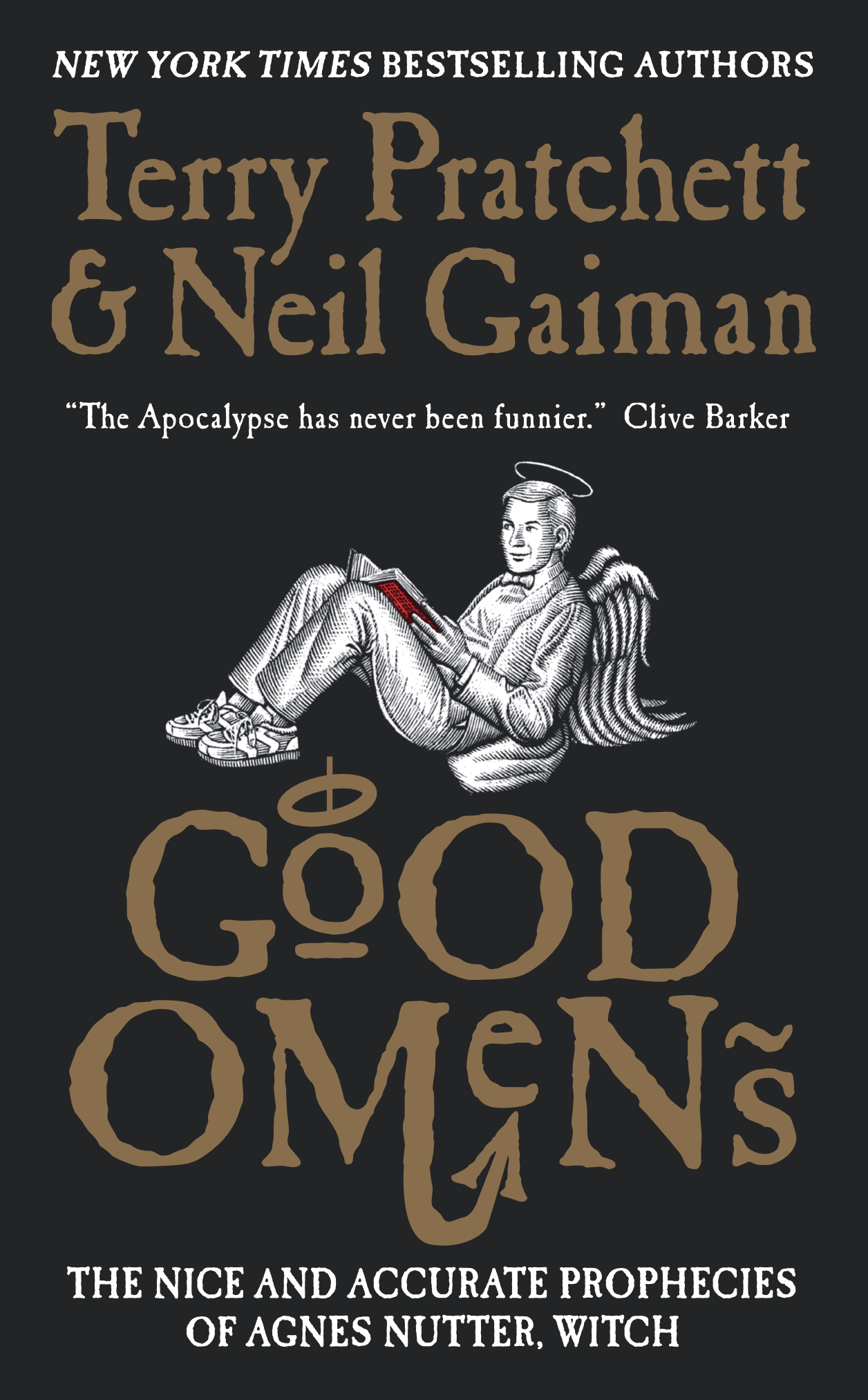
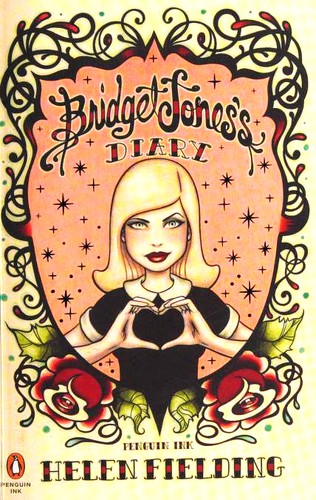
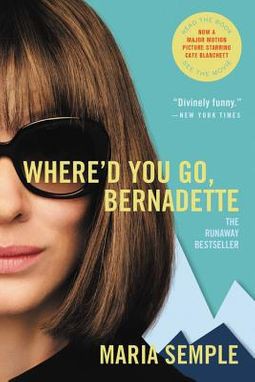
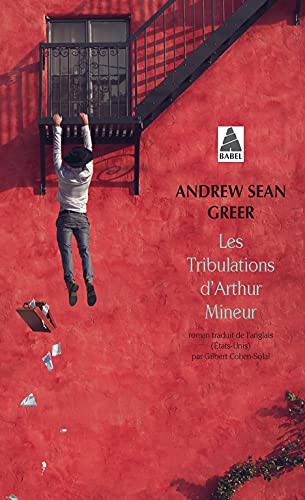
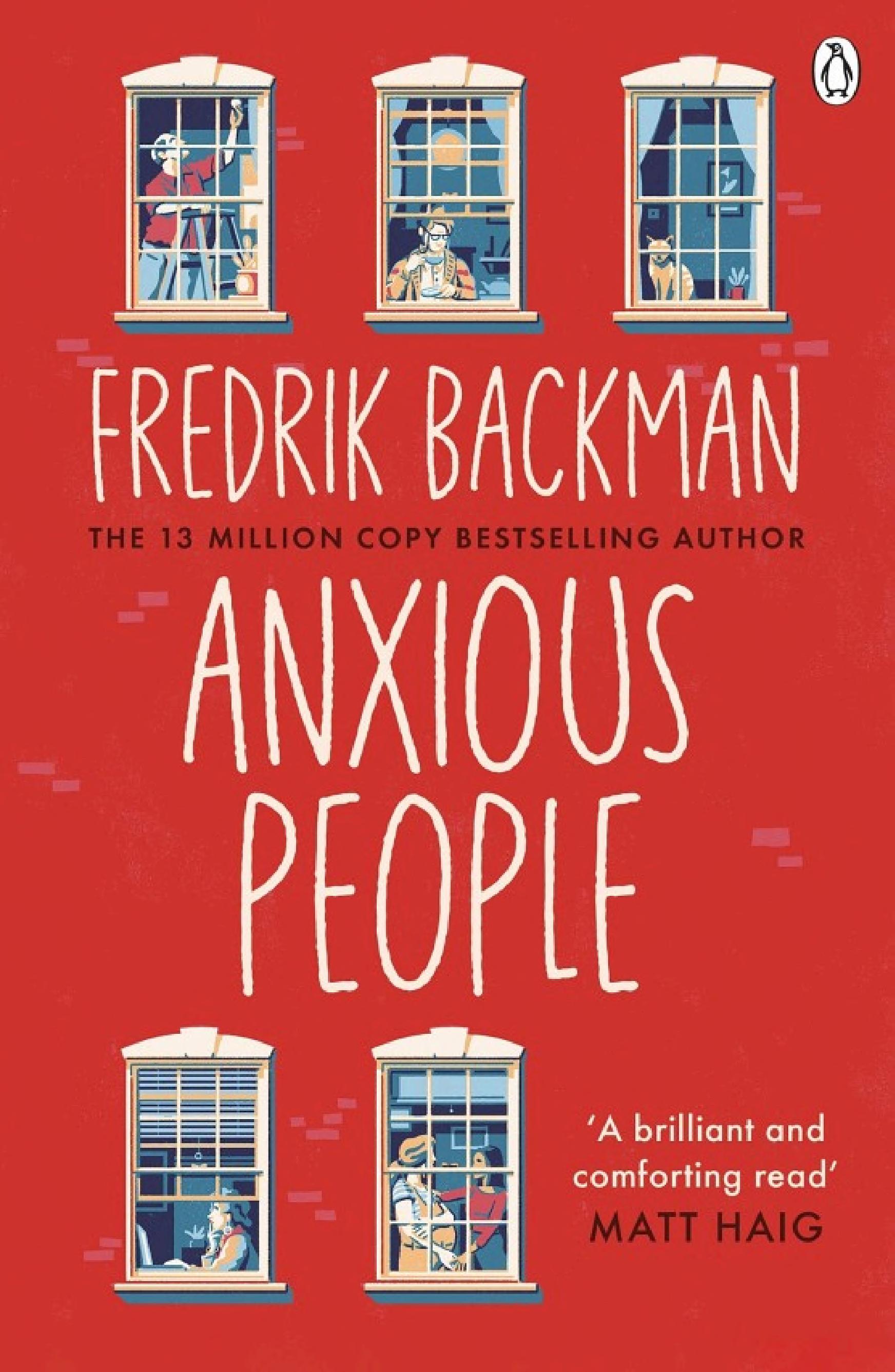
The Hitchhiker’s Guide to the GalaxyDouglas AdamsAdams’s novel is the standard against which comic science fiction is measured, and the density of actual jokes per page is genuinely remarkable — the Earth is destroyed on page four, almost as an aside, and the comedy never lets up from there. What makes Adams’s prose specifically funny rather than just clever is his control of rhythm: sentences are constructed so that the funny word lands exactly where it needs to, and the absurdist logic (the Babel fish, the Vogon poetry, the number 42) is delivered with a deadpan precision that makes the absurdity funnier rather than just whimsical. At 200 pages, also one of the fastest reads on this list. Good OmensTerry Pratchett and Neil GaimanThe collaboration between two of the funniest writers in English-language fantasy produces a novel about the apocalypse that is consistently, reliably funny — an angel and a demon who have grown rather too fond of life on Earth team up to prevent the end of the world, and the comedy comes from both the premise’s inherent absurdity and the specific precision both authors bring to comic prose. Pratchett’s gift for the perfectly timed aside and Gaiman’s eye for the strange detail combine into something that neither author quite achieves alone. The footnotes alone are worth the price of admission. Bridget Jones’s DiaryHelen FieldingFielding’s diary format is itself a comedy device: Bridget’s entries — the calorie counts, the cigarette tallies, the running totals of self-improvement plans abandoned within days — create rhythm and repetition that build comic momentum across the novel. The specific gap between Bridget’s self-perception and what the reader can see is the engine of the comedy, and Fielding’s prose is precise about exactly how much information to give the reader and exactly when, so that the reader is consistently slightly ahead of Bridget in a way that produces laughter rather than condescension. Thirty years on, still one of the funniest character voices in contemporary fiction. Where’d You Go, BernadetteMaria SempleSemple’s epistolary novel — assembled from emails, school memos, FBI documents — is one of the most consistently funny satires of contemporary culture available, particularly its rendering of Seattle private-school parent culture and tech industry absurdity. The comedy works through specificity: the parent emails about a school fundraiser are funny not because the situation is exaggerated but because Semple has rendered the exact tone and concerns of that specific social world with devastating accuracy. The format itself — documents that the characters wrote for other purposes, assembled for the reader — creates comic distance that lets the absurdity speak for itself. LessAndrew Sean GreerGreer’s Pulitzer Prize winner follows a failed novelist who accepts invitations to a series of international literary events to avoid attending his ex-boyfriend’s wedding, and the comedy comes from Arthur Less’s specific combination of self-deprecation and obliviousness — he is consistently the last to understand what’s happening around him, including, eventually, his own story. Greer’s prose has a lightness that makes the comedy feel effortless, though the construction is precise; the novel is also genuinely moving underneath the comedy, which is part of why it won the Pulitzer rather than simply being a comic novel. Proof that funny and serious are not opposites. Anxious PeopleFredrik BackmanBackman’s novel about a bank robbery gone wrong and the hostages it accidentally takes is one of the funniest things he’s written, with comedy that comes from the specific anxieties and absurdities of a group of strangers forced into an apartment viewing together. The humor is character-based — each hostage’s particular neuroses and the ways they collide — and Backman’s gift for finding the funny in ordinary human awkwardness is on full display. Like Less, the comedy is in service of something more emotionally substantial underneath, which Backman reveals gradually without undermining the jokes that came before. Who This Is For
Readers who specifically want to laugh — not just appreciate wit, but experience the involuntary response of a genuinely funny sentence landing. Also readers who have been reading heavy material and need a palate cleanser that delivers on its promise of being funny rather than just being marketed that way. The contemporary catalogue has more in this direction.
Frequently asked questions
Q: Is The Hitchhiker’s Guide to the Galaxy still funny if you’ve heard the famous lines before?
A: The famous lines (42, the Babel fish, “don’t panic”) are well-known enough that some of their surprise is gone for new readers, but the density of jokes throughout means there’s far more comedy in the book than just the famous bits. Most readers report that the familiar elements don’t reduce the overall comic experience because so much else is happening.
Q: Is Less appropriate for readers who don’t know much about the literary world it satirizes?
A: Yes — the satire of literary culture (festivals, prizes, the specific anxieties of mid-career writers) is funny on its own terms, but the novel’s comedy doesn’t depend on insider knowledge. Arthur Less’s personal awkwardness and the situations he gets into are funny regardless of whether you know anything about the literary circuit being satirized.
Q: Which of these is funniest for readers who don’t usually find books funny?
A: Bridget Jones’s Diary and Where’d You Go, Bernadette have the most immediate comic hooks — both are built around forms (diary entries, documents) that create comedy quickly and don’t require much setup. The Hitchhiker’s Guide is also extremely accessible if you’re open to absurdist humor.
Q: What should I read after Anxious People if I want more Fredrik Backman?
A: See our guide to where to start with Fredrik Backman’s books for a full breakdown — but A Man Called Ove is the most beloved starting point if you haven’t read it, and shares Anxious People’s combination of comedy and unexpected emotional depth.
Not sure which of these is right for you specifically? The Pagesmith quiz matches you to books based on your mood, pacing preference, and reading goals, not bestseller lists. Takes two minutes.