Best Books About Guilt That Don't Let Anyone Off the Hook
Guilt is one of fiction's most productive subjects because it externalizes moral interior life -- what a character cannot stop thinking about tells you what they believe they actually did. The best novels about guilt don't offer easy absolution or simple condemnation. They stay inside the experience until the reader understands exactly why it won't resolve.
June 2026 · 7 min read · The Pagesmith
Guilt is not the same as remorse, and fiction about guilt is not the same as fiction about bad people who feel bad about bad things. The most interesting novels about guilt are organized around a more specific and more difficult question: what does a person do when they understand that something they did — or failed to do — has produced irreversible harm, and there is no action available that will fully address that fact? The characters in these novels are not seeking forgiveness in a simple sense; they are living with the specific weight of knowing what they know about themselves, and the novels are organized around what that knowledge produces in a person over time. None of these books offer easy resolution. They stay inside the experience of guilt long enough for the reader to understand not just that the character feels guilty but why, and whether that guilt is accurate to what actually happened — which is often, itself, a complicated question.
The most honest fiction about guilt is not about characters who feel bad and are then forgiven. It is about the specific experience of knowing something true about yourself that cannot be unfounded — and what a person does with that knowledge when there is nothing left to do.
The Books
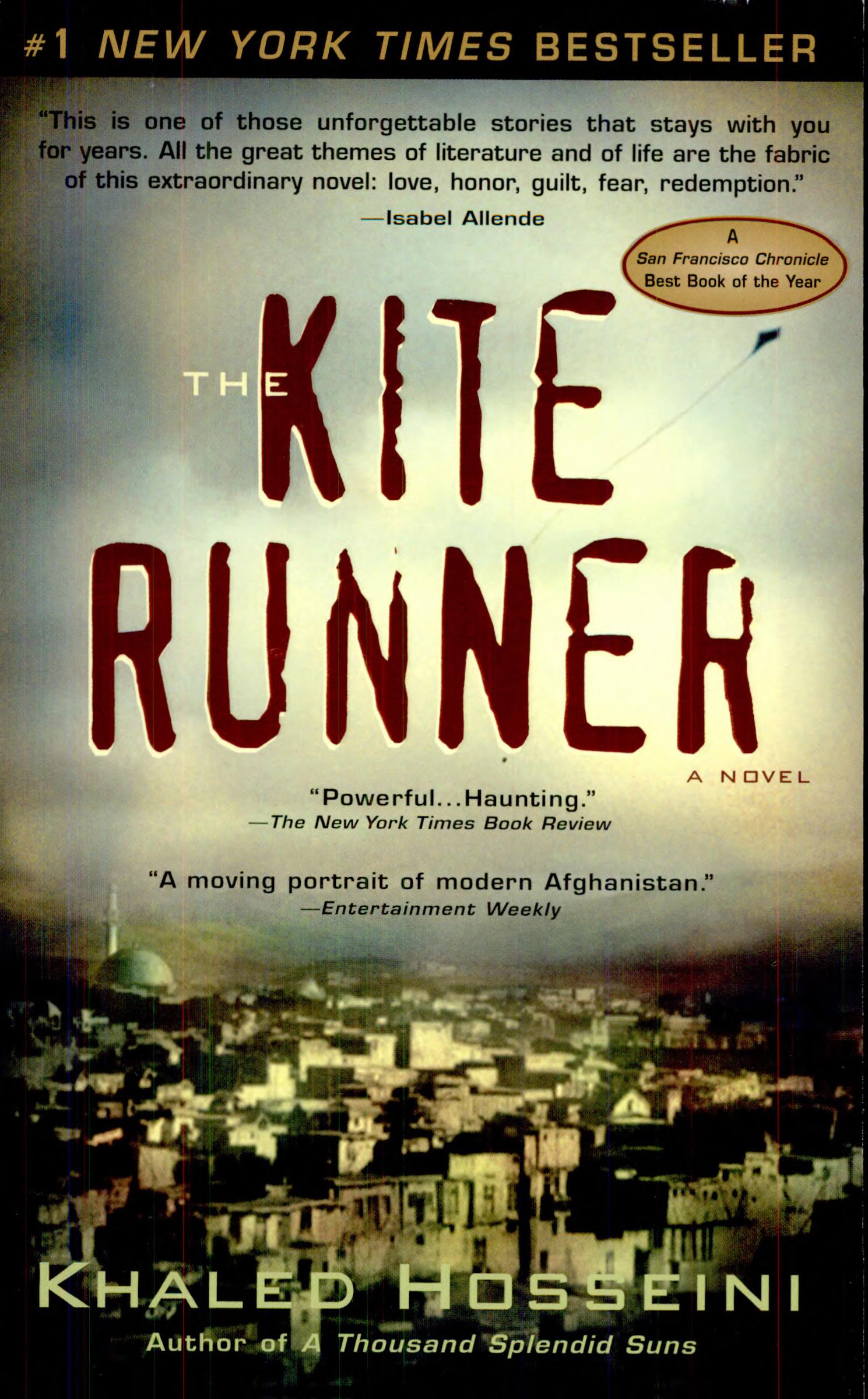
Crime and PunishmentFyodor DostoevskyDostoevsky’s novel is the foundational text for guilt as a psychological total system: Raskolnikov’s crime was supposed to prove that he was exempt from ordinary moral feeling, and the guilt that follows proves instead that the exemption never existed. The novel is organized not around whether Raskolnikov will be caught but around what happens to a consciousness that has acted on a theory and then has to live inside the gap between the theory and the reality of having done the thing. Dostoevsky renders guilt not as punishment but as the specific, ongoing experience of being unable to maintain the self-concept the crime was supposed to establish — which is a more interesting and more accurate account of what guilt actually does to people than any simple remorse narrative. The Kite RunnerKhaled HosseiniHosseini’s novel is organized around a specific act of cowardice rather than active harm — Amir’s failure to intervene in the alley when Hassan is assaulted — and the guilt it produces is correspondingly more complicated than the guilt produced by direct action: Amir didn’t do something, and then compounded the failure by driving Hassan away to make his own guilt easier to live with. The novel traces what that specific pattern of guilt and self-protective action does to a person across decades, and the eventual opportunity for something like redemption — “there is a way to be good again” — is offered without guaranteeing that taking it actually resolves what Amir carries. The guilt is accurate, Hosseini insists; the question is only what is done with it. AtonementIan McEwanMcEwan’s novel is the most formally sophisticated treatment of guilt on this list because the guilt is built into the novel’s structure: Briony’s false accusation as a child destroys two lives, and the novel — we eventually discover — is itself Briony’s aged attempt at atonement through fiction, which is the only form of repair available to her given what has actually happened. The final section reveals that Briony has given her characters a happy ending she knows they didn’t have, because she cannot give them the reality. McEwan is asking whether fiction can be a form of moral reckoning or whether it is only a comfortable substitute for one — and whether the question of atonement is even coherent when the harm done is irreversible. Lord of the FliesWilliam GoldingGolding’s novel distributes guilt across a group rather than locating it in an individual, which is its specific and most disturbing formal achievement: the boys on the island are all implicated in what happens, in varying degrees and through varying kinds of participation, and Golding refuses to separate the directly guilty from those who watched or went along. The guilt here is structural rather than individual — the novel’s argument is that the boys’ descent into violence was not the result of a few bad actors but of a collective failure of the social structures that had previously contained the capacity for violence that all of them carry. No one on the island gets to feel innocent, and the naval officer’s arrival at the end — his incomprehension and his own implication in organized violence — extends that guilt beyond the island’s shores. We Need to Talk About KevinLionel ShriverShriver’s novel is the most formally complex treatment of guilt here because its central question is whether the guilt Eva carries is accurate: did she fail Kevin in ways that contributed to what he did, or is her guilt a form of maternal self-accusation that misattributes causal responsibility? Shriver never resolves this. Eva’s unreliable narration — her letters to Franklin are her construction of the story — means the reader cannot determine from outside whether Eva’s guilt is warranted, and Shriver is suggesting that this unresolvability is itself accurate to the experience of parental guilt after catastrophic failure. The novel holds the guilt as genuine and the question of its accuracy as permanently open, which is the most honest position available. The Remains of the DayKazuo IshiguroThe quietest guilt on this list, and in some ways the most devastating: Stevens’s guilt is not for anything dramatic but for a life organized around the suppression of his own judgment and feeling in service of a professional ideal that was itself, he gradually understands, in service of something indefensible. The guilt is delayed — Stevens cannot fully access it during the drive that structures the novel — and arrives in the famous scene by the pier as a grief for the life he might have had if he had been more willing to trust himself. Ishiguro makes a specific and serious argument: that the guilt for small, daily suppressions of selfhood can accumulate into something as heavy as any single act, and that the damage done by not living can be as real as the damage done by acting wrongly. Who This Is For
Readers who want fiction that stays inside the experience of guilt long enough to understand what it actually does to people rather than resolving it into either redemption or condemnation — who are interested in the moral question of what is owed after irreversible harm and whether anything can honestly be called atonement. The literary fiction catalogue has more in this direction.
Frequently asked questions
Q: Does Atonement have a happy ending?
A: The final section reveals that the apparent happy ending is Briony’s fictional construct, not what actually happened. The novel’s ending is the discovery that there was no happy ending, and that the question of whether Briony’s fiction constitutes atonement is the question McEwan leaves the reader to answer. Most readers find this more affecting than a straightforward resolution would have been.
Q: Is We Need to Talk About Kevin appropriate for parents to read?
A: It is written specifically for readers who can imagine parental experience, and its specific horror is available in full only to those who can. It is not a comfort read. Shriver is asking genuinely difficult questions about parental guilt and causal responsibility after violence, and the novel does not offer reassurance. Readers should approach it knowing what the subject is.
Q: Is The Remains of the Day really a book about guilt rather than regret?
A: The distinction matters and Ishiguro is precise about it: Stevens’s feeling is not simply regret about paths not taken but something closer to guilt about active choices made that produced the outcome. He chose professional loyalty over personal feeling, repeatedly and with full awareness that he was choosing, and the guilt is for those choices rather than simply for their consequences. Ishiguro treats this as moral failure rather than mere bad luck.
Q: What makes Crime and Punishment’s treatment of guilt different from other novels about murderers?
A: Dostoevsky is not interested in whether Raskolnikov is caught or punished in the legal sense. He is interested in what happens to a specific consciousness that has acted against its own nature — because the guilt proves that Raskolnikov’s nature was not what his theory required it to be. The punishment is internal and begins immediately; the legal consequence is almost beside the point.
Not sure which of these is right for you specifically? The Pagesmith quiz matches you to books based on your mood, pacing preference, and reading goals, not bestseller lists. Takes two minutes.