Best Books About War That Aren't About Glory
The best war fiction isn't organized around victory or defeat. It's organized around what war actually does to the specific people inside it -- the absurdity, the boredom, the moral confusion that doesn't fit into any heroic narrative, however the war is eventually remembered.
June 2026 · 8 min read · The Pagesmith
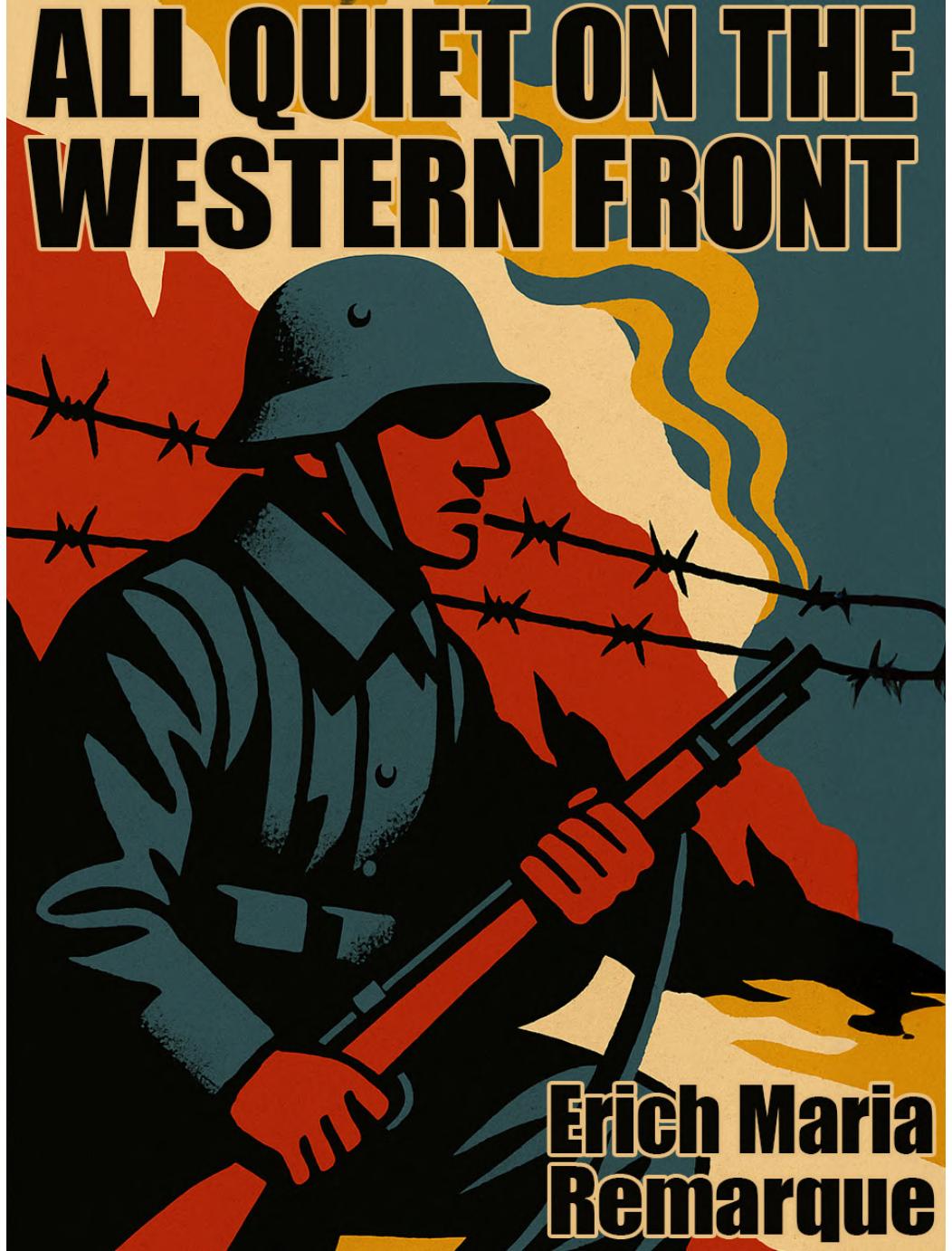
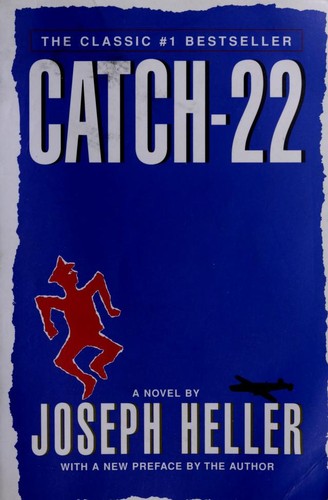
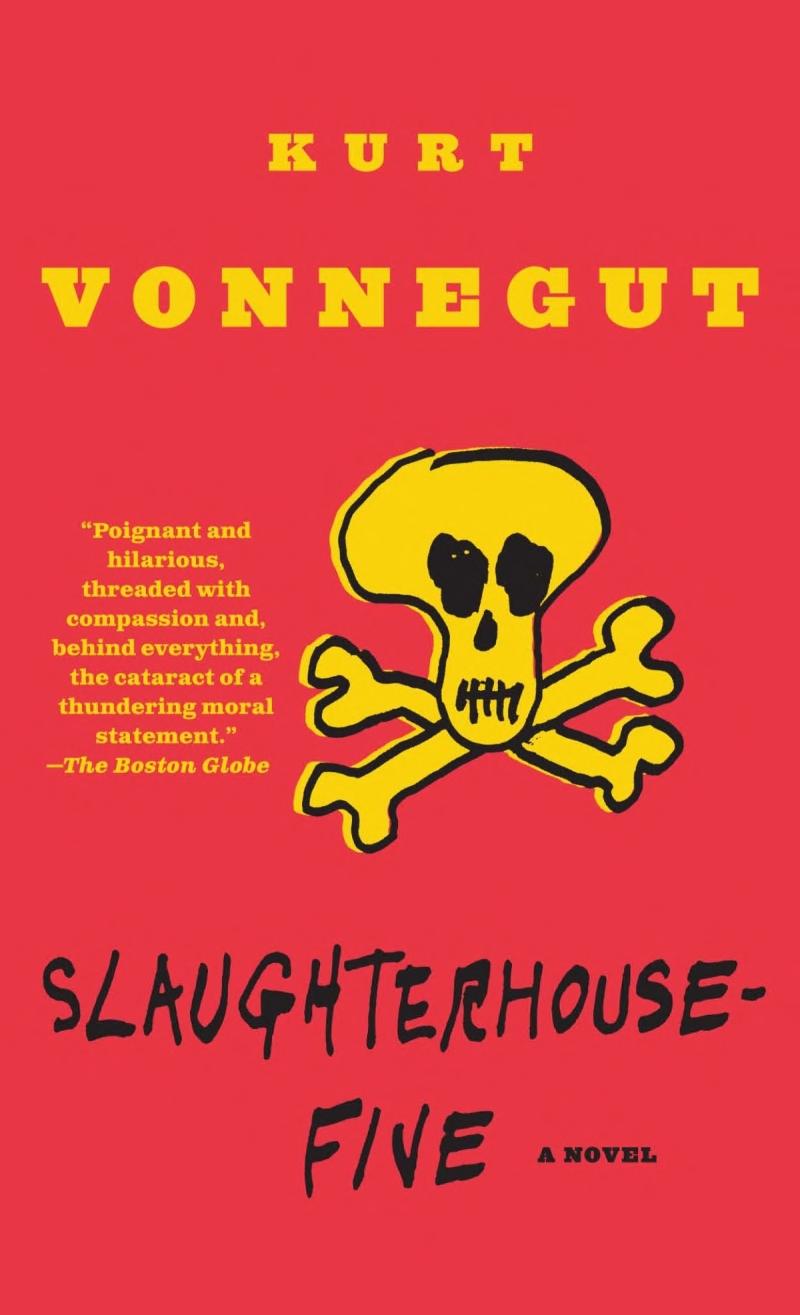
War fiction has a default mode, and it is heroic: the war is the backdrop against which character is tested, courage is demonstrated, and meaning is forged from violence. This mode is not always dishonest, but it is selective — it organizes the chaos of actual experience into a narrative shape that real war rarely provides. The books here refuse that shape. They are not anti-war in the sense of being political tracts; they are simply honest about what war is actually like for the people inside it, which turns out to involve far more boredom, absurdity, and moral confusion than the heroic framework allows for. Catch-22’s bureaucratic insanity, Slaughterhouse-Five’s refusal of chronological order, All Quiet on the Western Front’s flat description of trench life: all of these are formal choices that reject the shape heroic war narratives impose, because that shape was never accurate to what the books’ authors actually experienced or researched.
Why the Honest War Novel Looks Different
A war novel organized around heroism has to select: which events get narrated, which deaths matter, which moments produce meaning. The books here are organized around a different principle — they include the things that don’t fit, the moments that are simply absurd or pointless or boring, because those moments were real and excluding them would be a kind of lie. Vonnegut’s “so it goes,” repeated after every death in Slaughterhouse-Five regardless of who died or how, is the formal equivalent of this principle: the deaths are not weighted by narrative significance, because in actual war they aren’t either.
The honest war novel doesn’t refuse meaning — it refuses to manufacture meaning where the actual experience didn’t produce any. The absurdity, the boredom, and the senseless deaths are not omissions from the heroic story. They are the story, and pretending otherwise is its own kind of dishonesty.
The Books
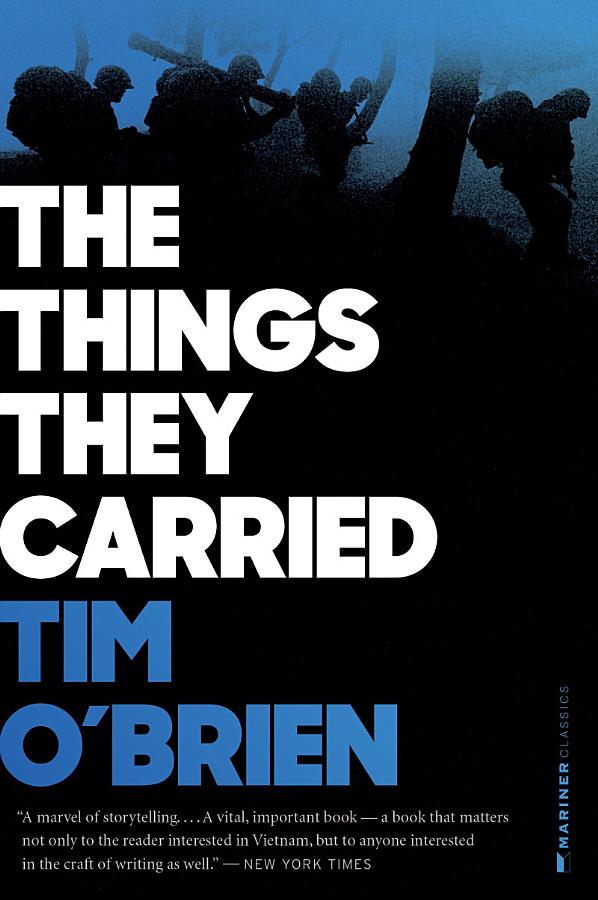
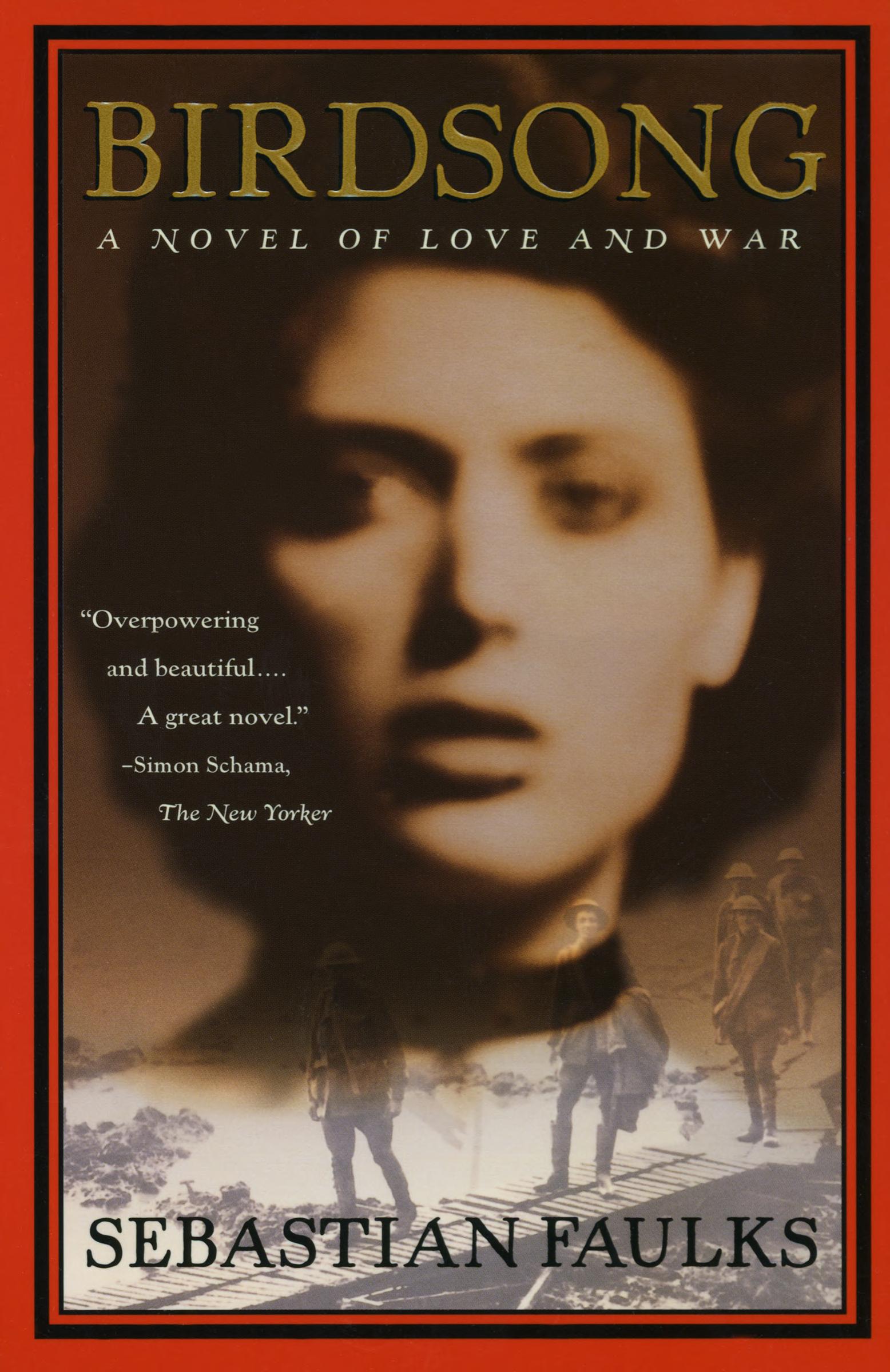
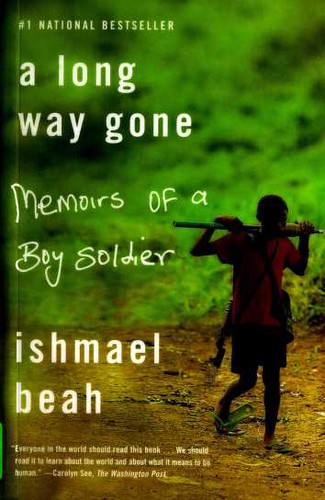
All Quiet on the Western FrontErich Maria RemarqueRemarque’s novel, written by a German veteran of WWI, remains the foundational text for war fiction that refuses heroism — not through argument but through flat, exact description of trench life: the rats, the boredom, the specific texture of fear, the way young men’s relationships to their previous lives become unreachable. Paul Baumer’s narration is notable for what it doesn’t do: there is no framing of the war as meaningful, no redemptive arc, simply the accumulation of what daily survival actually required and what it did to the people who survived it. The novel was banned and burned by the Nazis specifically because its honesty was incompatible with the heroic narrative the regime required. Still the standard against which all subsequent honest war fiction is measured. Catch-22Joseph HellerHeller’s novel uses comedy as its honesty mechanism: the bureaucratic absurdity that prevents Yossarian from being grounded — the rule that only a sane person would request grounding, and requesting grounding proves sanity — is funny because it is true to how military bureaucracy actually operates, divorced from any rational relationship to the war’s stated purposes. The comedy darkens as the novel progresses, and what was funny early becomes horrifying later because the reader understands by then what the comedy was concealing. The novel’s nonlinear structure — circling back to the same events from different angles — mirrors the way trauma actually works in memory, refusing the clean chronology that heroic narrative requires. Slaughterhouse-FiveKurt VonnegutVonnegut’s novel about the firebombing of Dresden uses science fiction — Billy Pilgrim becomes “unstuck in time,” experiencing his life out of chronological order — as the formal device for rendering trauma’s actual structure: events that don’t resolve, that recur, that don’t fit into a story with a beginning, middle, and end. The repeated phrase “so it goes,” following every death regardless of context or significance, is the novel’s central formal argument: in the face of mass civilian death on the scale of Dresden, the narrative weighting that heroic war fiction relies on becomes obscene. One of the most formally radical anti-heroic war novels and one whose influence on subsequent fiction about trauma is difficult to overstate. The Things They CarriedTim O’BrienO’Brien’s Vietnam collection is organized around a question that heroic narrative doesn’t ask: what is the difference between what literally happened and what is true about an experience? O’Brien returns to the same events multiple times, sometimes contradicting earlier versions, because he is interested in rendering not the factual record but the emotional reality of what soldiers carried — both literal equipment and the psychological weight of fear, guilt, and grief that doesn’t resolve into a coherent narrative. The book’s formal honesty about its own unreliability is itself the argument: war stories that feel too neat are usually lying, and the messiness of O’Brien’s approach is closer to the truth than any cleaner version could be. BirdsongSebastian FaulksFaulks’s novel renders the trenches of WWI with enough physical and psychological detail that the famous battles — the Somme in particular — are experienced not as historical events with known outcomes but as the specific, ongoing reality of the men inside them, for whom the outcome was not known and the scale of loss was not yet history. The novel’s structure, alternating between the WWI narrative and a 1970s framing story about a woman researching her grandfather’s history, renders the specific way that war’s reality recedes for the generations that follow — becoming history, becoming research, losing the immediate horror that the people who lived it could not escape. One of the most viscerally immersive WWI novels available. A Long Way GoneIshmael BeahBeah’s memoir of being a child soldier in Sierra Leone’s civil war is the most direct account on this list of war from inside a perspective that heroic narrative has no framework for at all — there is no glory available to a twelve-year-old conscripted into violence, and Beah’s memoir doesn’t attempt to find any. What the book does instead is render, with painful honesty, both what happened to him and what the war made him capable of, without either excusing it or treating it as simply monstrous. The memoir’s final section, about Beah’s rehabilitation, is as important as the war sections — it is honest that recovery is real but also that it does not erase what happened, to him or because of him. Who This Is For
Readers who want war fiction that is honest about the experience rather than organized around heroism — who are interested in what war actually consists of for the people living through it, including the parts that don’t fit a redemptive or meaningful narrative. Also readers who want to understand the formal innovations that war fiction has produced in response to the inadequacy of conventional narrative for this subject. The literary fiction and historical fiction catalogues have more in this direction.
If any of this material brings up difficult feelings related to your own experiences, please consider reaching out to a mental health professional or a veteran support organization for additional support.
Frequently asked questions
Q: Is Catch-22 actually funny, or is “funny” misleading given the subject matter?
A: It is genuinely funny, especially in its first half — the absurdist bureaucratic logic produces real comedy. The novel darkens significantly as it progresses, and re-reading the early funny sections after finishing reveals how much horror was always present underneath the comedy. The humor is not a misleading marketing description; it’s the novel’s actual method.
Q: Is Slaughterhouse-Five science fiction?
A: It has science fiction elements — the Tralfamadorians, the unstuck-in-time premise — but it is not science fiction in a conventional sense. Vonnegut uses the science fiction framing as a formal device to represent trauma and dissociation, not to tell a story about aliens. Readers who don’t typically read science fiction generally find it entirely accessible.
Q: Is A Long Way Gone difficult to read because of its content?
A: Yes, and intentionally so — Beah does not soften what happened, including what he himself did as a child soldier. It is not gratuitous, but it is honest about violence in ways that are genuinely hard to read. The memoir’s value comes partly from this honesty; sanitizing it would undermine its purpose.
Q: What should I read after All Quiet on the Western Front?
A: Remarque’s lesser-known sequel, The Road Back, follows the same characters’ attempts to return to civilian life after the war — equally unflinching about the difficulty of that return. For a different perspective on WWI, Birdsong provides a British viewpoint with similar honesty about trench warfare.
Not sure which of these is right for you specifically? The Pagesmith quiz matches you to books based on your mood, pacing preference, and reading goals, not bestseller lists. Takes two minutes.