Best Debut Novels That Announce a Major Writer
Debut novels do things more practiced novelists have learned to avoid: structural risks, tonal ambitions that slightly exceed execution. Those excesses are often where the most interesting material lives.
May 2026 · 7 min read · The Pagesmith
The best debut novels have a quality that is difficult to preserve: the complete indifference to what is expected of a novelist in that genre at that moment. Writers with established careers and editorial relationships develop a sense of what their readership will tolerate, what their publisher will support, what the form allows. First novelists have none of that inhibition. They write the book they wanted to write rather than the book they have calculated they can sell, and the results are frequently uneven and frequently extraordinary in ways that more calibrated work is not. The books here are not the debuts of writers who later did better work — in most cases these are their most important novels, the ones that contained the fullest version of what they had to say at the highest level of risk they were willing to take. That is not a coincidence.
What Makes a Great Debut Different from a Great Novel
The distinction is not always meaningful, but it sometimes is. A great novel can be the product of accumulated craft and deliberate construction — a writer who has written ten books and finally assembled them into one. A great debut is something else: the evidence of a specific unrepeatable pressure. Donna Tartt had been working on The Secret History since college. Douglas Stuart carried Shuggie Bain for thirty years. Tana French wrote In the Woods without the institutional support or the readership that would have told her what kind of thriller she was supposed to be writing. These novels are shaped by their long private gestation in ways that subsequent books — written under contract, with deadlines and expectations — cannot fully replicate. The debut is the book the writer had to write before they knew what being a writer meant.
The best debut novels are written before the writer has learned what they are not allowed to do. That ignorance is not always a handicap.
The Books
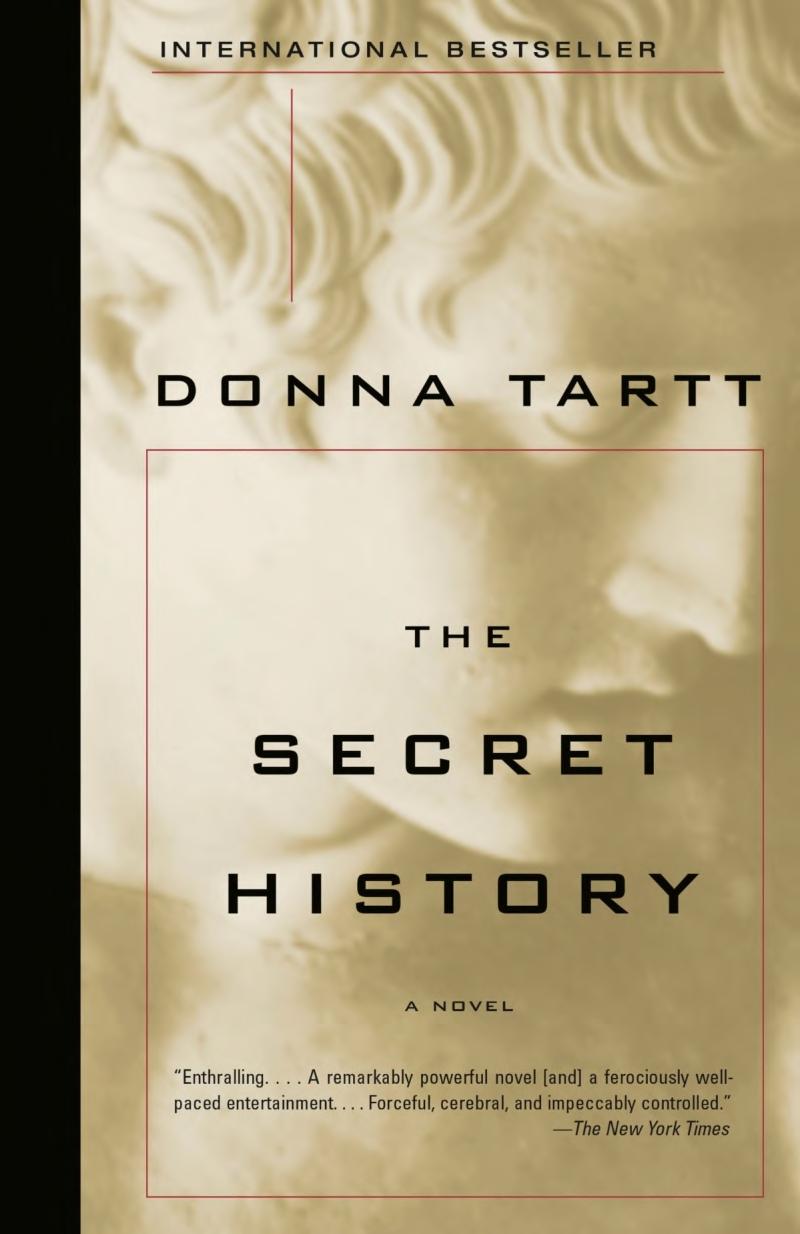
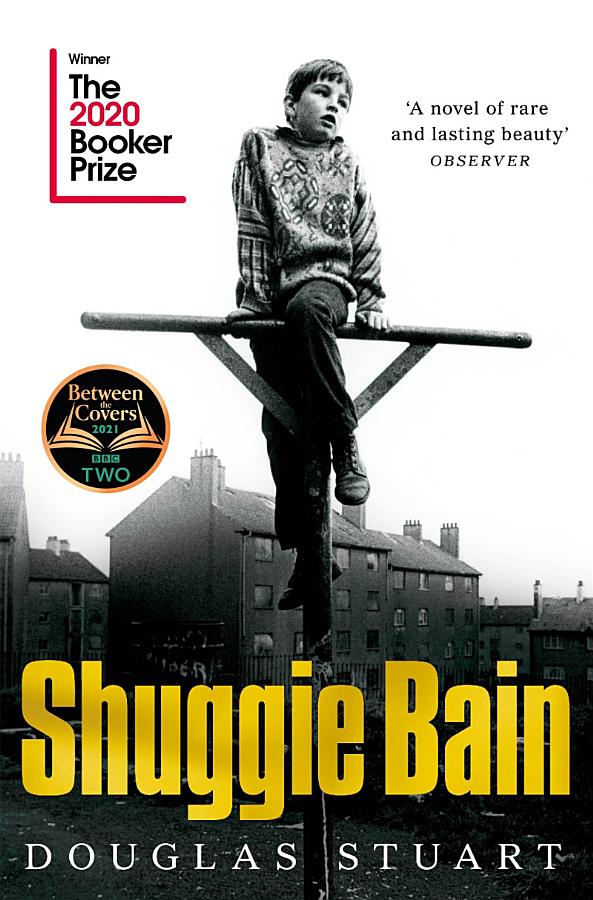
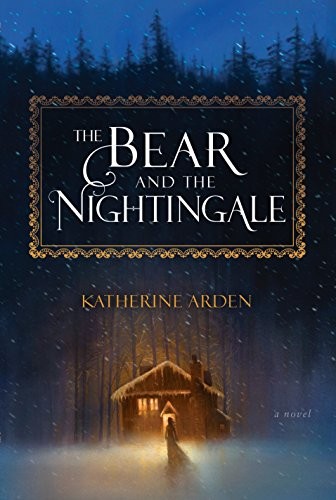
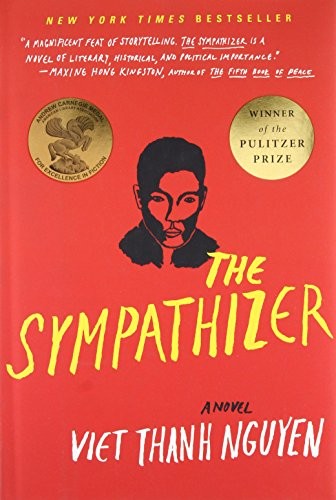
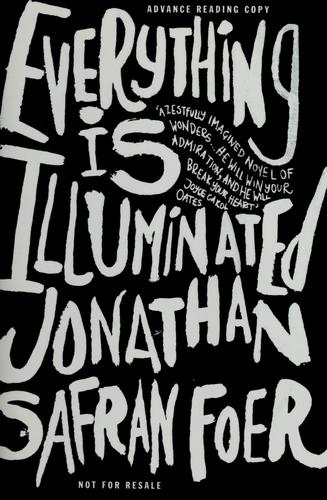
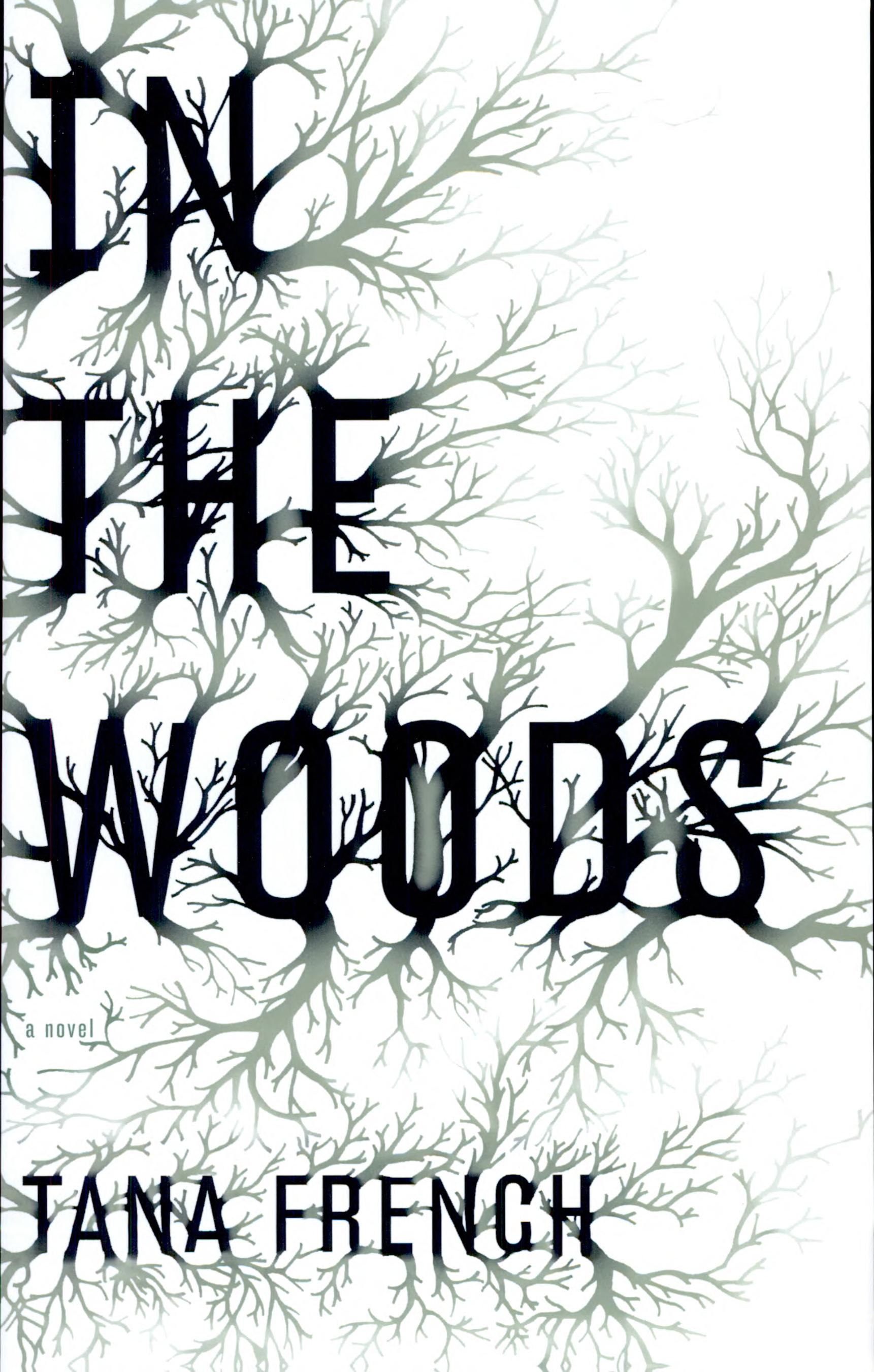
The Secret HistoryDonna TarttTartt’s debut novel was a decade in the making by the time it was published in 1992, and the investment is visible on every page. The formal confidence required to tell you on page one that the narrator’s group killed one of their members, and then to sustain your investment across 500 pages of backstory, is not something most established novelists would attempt. The novel’s willingness to take its Greek-tragedy premise completely seriously — to treat a group of aesthetically serious college students committing murder as a tragic rather than a satirical subject — is the kind of earnest risk that debuts can take and career novels often cannot. It remains her best book. Shuggie BainDouglas StuartStuart’s Booker Prize-winning debut was rejected by over forty publishers before it was accepted, which illuminates exactly the quality that makes it extraordinary: it does not accommodate. The novel is long, dark, set in a Glasgow that most literary fiction ignores, and refuses to offer the uplift or resolution that commercial fiction requires of its difficult material. Stuart’s willingness to stay with Shuggie and Agnes in their specific situation, without converting it into allegory or message, is the most important decision the novel makes, and it is the kind of decision a writer without a track record can make more freely than one with readership expectations to manage. The Bear and the NightingaleKatherine ArdenArden’s debut has the quality that makes the best first novels identifiable: the willingness to do the research and take the premise completely seriously rather than hedging it with ironic distance. The Russian folklore here is handled with scholarly precision and genuine respect for its internal logic, which required years of preparation that a writer under deadline pressure would not have had. The novel’s cold, specific atmosphere — the Rus winter, the household spirits, the specific social position of a woman who sees what others refuse to — was built from extensive primary source immersion and reads that way. Subsequent Arden novels are technically more accomplished; none have this one’s purity of commitment. The SympathizerViet Thanh NguyenNguyen’s Pulitzer Prize-winning debut attempts something that almost no established novelist would risk: a sustained first-person confessional narrated by a Communist spy who is simultaneously charming, politically serious, formally inventive, and funny. The voice carries impossible demands — it must be reliable enough to engage with and compromised enough to embody the novel’s argument about double consciousness — and Nguyen meets all of them. The novel’s critique of the Hollywood representation of the Vietnam War is embedded in the narrative structure rather than stated, which requires the kind of formal confidence that debut novelists who have nothing to lose can sometimes achieve more cleanly than veterans. Everything Is IlluminatedJonathan Safran FoerFoer’s debut published at 25 is the most formally reckless entry on this list, and the most clearly a product of not yet knowing what you are not supposed to attempt. The novel runs three storylines simultaneously — a broken English comic travelogue, a magical realist history of a shtetl, and a present-tense frame narrative — and asks each to carry the emotional weight of Holocaust memory from a different angle. The seams are sometimes visible; the ambition is unmistakable. A later Foer would have had editors who would have smoothed the structural inconsistencies. The debut Foer produced something that is rougher and stranger and more memorable for both qualities. In the WoodsTana FrenchFrench’s debut broke a convention of crime fiction that established crime writers would not have broken: she does not resolve one of the novel’s central mysteries. The childhood disappearance that haunts Rob Ryan is never explained, and the novel ends with him having solved the murder investigation while remaining permanently in the dark about his own past. The decision was controversial enough that French’s editors resisted it. A first novelist with nothing to protect could make the decision; French made it, and the refusal of resolution is the novel’s most honest gesture. Every subsequent Dublin Murder Squad novel extends the formal intelligence introduced here. Who This Is For
Readers who are interested in novels as formal achievements rather than just stories, and who want to understand what makes a debut different from a career novel. Also readers who have been working through an author’s catalogue and want to return to the book that introduced them. The literary fiction catalogue has the full range of what these writers produced after these debuts, for readers who want to follow them forward.
Frequently Asked Questions
Q: What is the best debut novel of the past decade?
A: Shuggie Bain (2020) and The Sympathizer (2015) are both cases for the strongest literary debuts in recent years. The Bear and the Nightingale (2017) is the strongest genre debut. In the Woods (2007) remains the most formally influential debut in crime fiction of the past twenty years.
Q: Are debut novels usually better than an author’s subsequent work?
A: Sometimes. The examples on this list are writers whose debuts are genuinely their most important books. More commonly, a writer’s debut shows promise that is fulfilled in later work. The cases where the debut is the peak tend to involve long private gestation before publication — Tartt, Stuart, and Arden all worked on their first novels for years before they were accepted.
Q: What makes In the Woods controversial among crime fiction readers?
A: French does not resolve the central mystery of what happened to Rob Ryan as a child — the event that defines his character and drives his obsession — and the novel ends with that question permanently open. Crime fiction readers who read for resolution found this a betrayal of the genre’s contract. Readers who found it honest have generally become French’s most devoted audience.
Q: What should I read after The Secret History?
A: The Goldfinch is Tartt’s most recent novel and shares The Secret History’s preoccupation with beauty, complicity, and the specific moral psychology of aesthetically serious people. The Little Friend, her second novel, is a deliberate departure in tone and structure and divides readers who came from The Secret History.
Not sure which of these is right for you specifically? The Pagesmith quiz matches you to books based on your mood, pacing preference, and reading goals, not bestseller lists. Takes two minutes.