Beloved is one of the most formally sophisticated novels in American literature, and recommendations that treat it as simply a ghost story or a slavery narrative miss what makes it extraordinary. Morrison structures the novel so that Sethe’s history does not arrive in chronological order, does not arrive in exposition, and does not arrive complete. It arrives the way trauma does: in fragments, in repetitions, in approaches that pull back before they finish. The reader’s experience of reconstructing what happened is designed to be analogous to Sethe’s experience of living with it. The form is the argument. The books here share that commitment to formal seriousness about historical violence — novels that understand that how you tell a story about atrocity determines what the story can mean. They do not use history as backdrop or as source of dramatic incidents. They ask what it costs to carry it.
What Sets the Best Historical Trauma Fiction Apart
There is a significant difference between historical fiction that uses the past as dramatic setting and fiction that genuinely reckon with what historical violence does to the people who survived it and their descendants. The first kind produces moving scenes. The second kind produces a different reading experience entirely — the feeling of having understood something rather than witnessed it. Morrison belongs to the second category because she refuses the consolations of narrative order: Sethe’s past is not a story she tells but a condition she inhabits, and the novel’s structure enacts that distinction. The books here all make versions of the same choice.
The difference between historical fiction about trauma and fiction that genuinely reckons with trauma is whether the form accommodates the weight of what it is describing. The novels here earn their darkness structurally, not just tonally.
The Books
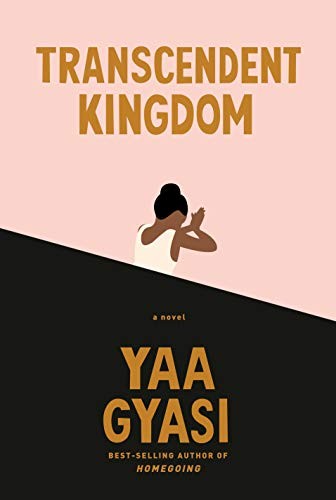
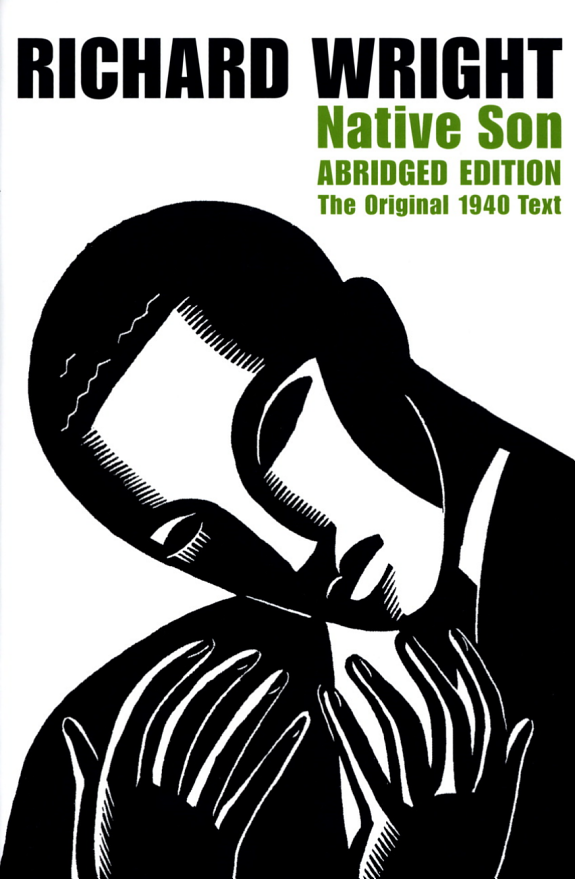
Who This Is For
Readers who finished Beloved and understood why it is considered one of the great American novels, and who want fiction that works with the same formal seriousness about historical violence and its ongoing consequences. Also readers who come to Morrison from outside the African American literary tradition and want to understand the context in which her work is situated. The literary fiction and historical fiction catalogues have further entries in this territory.
Frequently Asked Questions
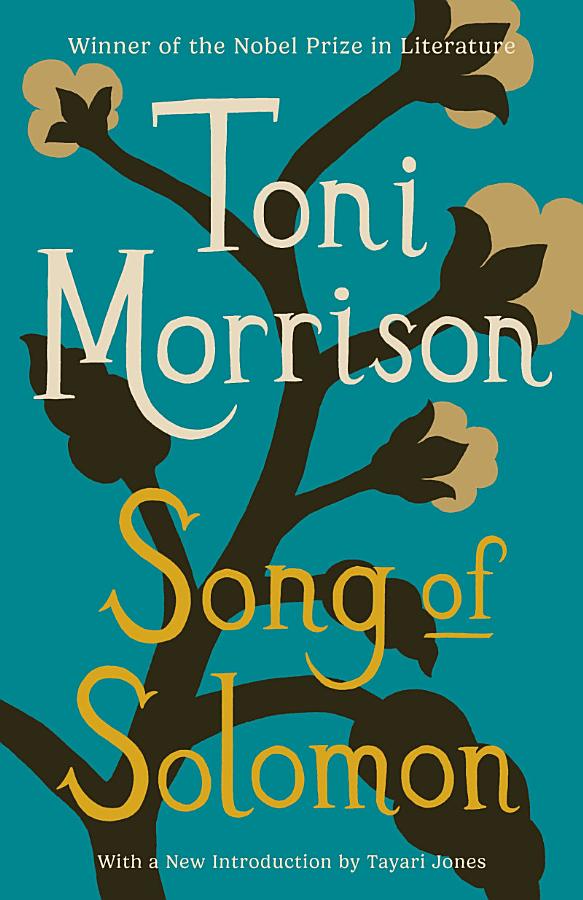
Q: What is the best Toni Morrison novel to read after Beloved? A: Song of Solomon is the most expansive and mythically rich, and in some ways the more joyful of the two — it ends with an image of liberation rather than ambiguity. Sula is shorter and more compressed. The Bluest Eye is the earliest and the most direct in its horror. All three are essential; Song of Solomon is the most immediately satisfying follow-up.
Q: Why is Beloved considered so important? A: Beloved is formally unlike almost anything else in American literature: the structure of the novel enacts the experience of trauma rather than describing it. Morrison also established that the African American experience of slavery was a subject capable of producing major literary art, at a moment when that claim still needed making. The novel won the Pulitzer Prize in 1988 and is now widely considered one of the two or three most important American novels of the twentieth century.
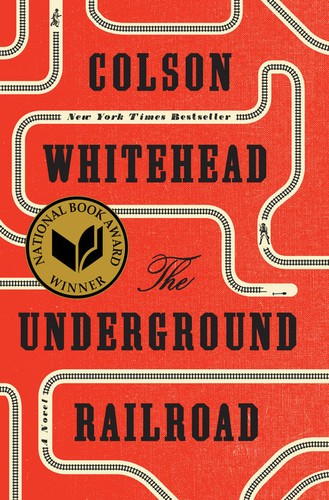
Q: What is the difference between Beloved and The Underground Railroad? A: Both novels use a formally impossible element to make an argument about slavery’s ongoing presence: Morrison’s ghost, Whitehead’s literal railroad. Beloved is more formally demanding and more concerned with the internal experience of trauma; The Underground Railroad is more structurally propulsive and more concerned with mapping the variety of American racial violence across geography and time. Both are essential; Beloved is the more difficult and the more lasting.
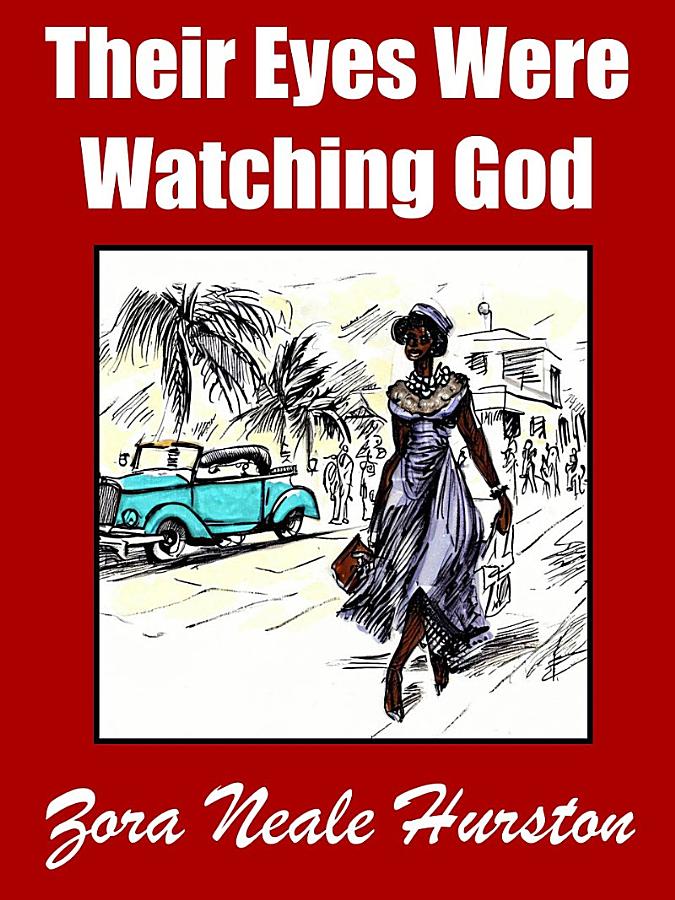
Q: Should I read Their Eyes Were Watching God before or after Beloved? A: The novels are not sequential but they illuminate each other. Reading Hurston first gives you the voice tradition — the Black vernacular literary tradition that Morrison inherited — and makes Morrison’s formal departures from that tradition more legible. Reading Morrison first makes you more attuned to what Hurston is doing technically. Either order works; together they are more than the sum of their parts.
Not sure which of these is right for you specifically? The Pagesmith quiz matches you to books based on your mood, pacing preference, and reading goals, not bestseller lists. Takes two minutes.