Books Like Homegoing That Use Generations to Tell History
Homegoing's achievement is using a family as the structural argument -- eight generations, one chapter each, a lineage that shows how historical violence compounds across time. These books share that method: using heredity and inheritance to make historical arguments no single life could contain.
May 2026 · 7 min read · The Pagesmith
Homegoing does something formally rare: it uses the multigenerational novel structure not as the container for an epic family story but as the argument itself. Each of the eight chapters covers a different descendant of two Ghanaian sisters, one of whom was sold into slavery, and the structural repetition — each generation inheriting the specific damage of its historical moment — is not incidental but the point. The family tree at the front of the novel is the thesis. What Yaa Gyasi shows, by following both lines forward separately, is how a single historical rupture produces diverging consequences that compound over centuries, each generation receiving the damage of the previous one shaped by the specific institutions of its era. The books here share that structural method: using family or lineage as the container for a historical argument that no single life, no matter how fully rendered, could accommodate. They are not simply long family novels. They are novels that need their length because what they are arguing requires time to demonstrate.
What Makes a Multigenerational Novel More Than Just a Saga
The family saga as a genre can be historical panorama or it can be historical argument. Most family sagas are the first kind — the family provides the connective tissue that holds diverse historical periods together, and the pleasure is the accumulated investment in the characters across generations. The books here are the second kind: the family structure is the analytical tool. Middlesex uses a Greek-American family to examine how the specific history of a people gets carried in genetics and culture and transmitted across assimilation. One Hundred Years of Solitude uses the Buendia family to argue about how a society repeats its own history because each generation carries the previous one’s unprocessed experiences. The structure is the argument, not just the vehicle.
The multigenerational novel earns its length not by accumulating characters and events but by showing what cannot be shown any other way: how time works on people, how the past lives in the present, and how the weight of history is distributed across generations whether they know it or not.
The Books
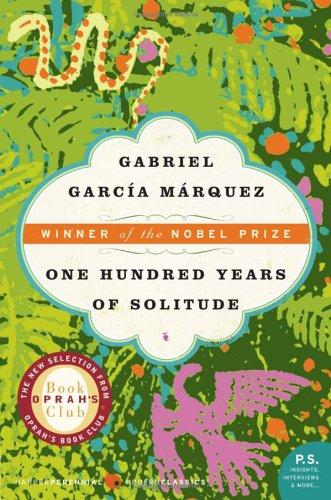
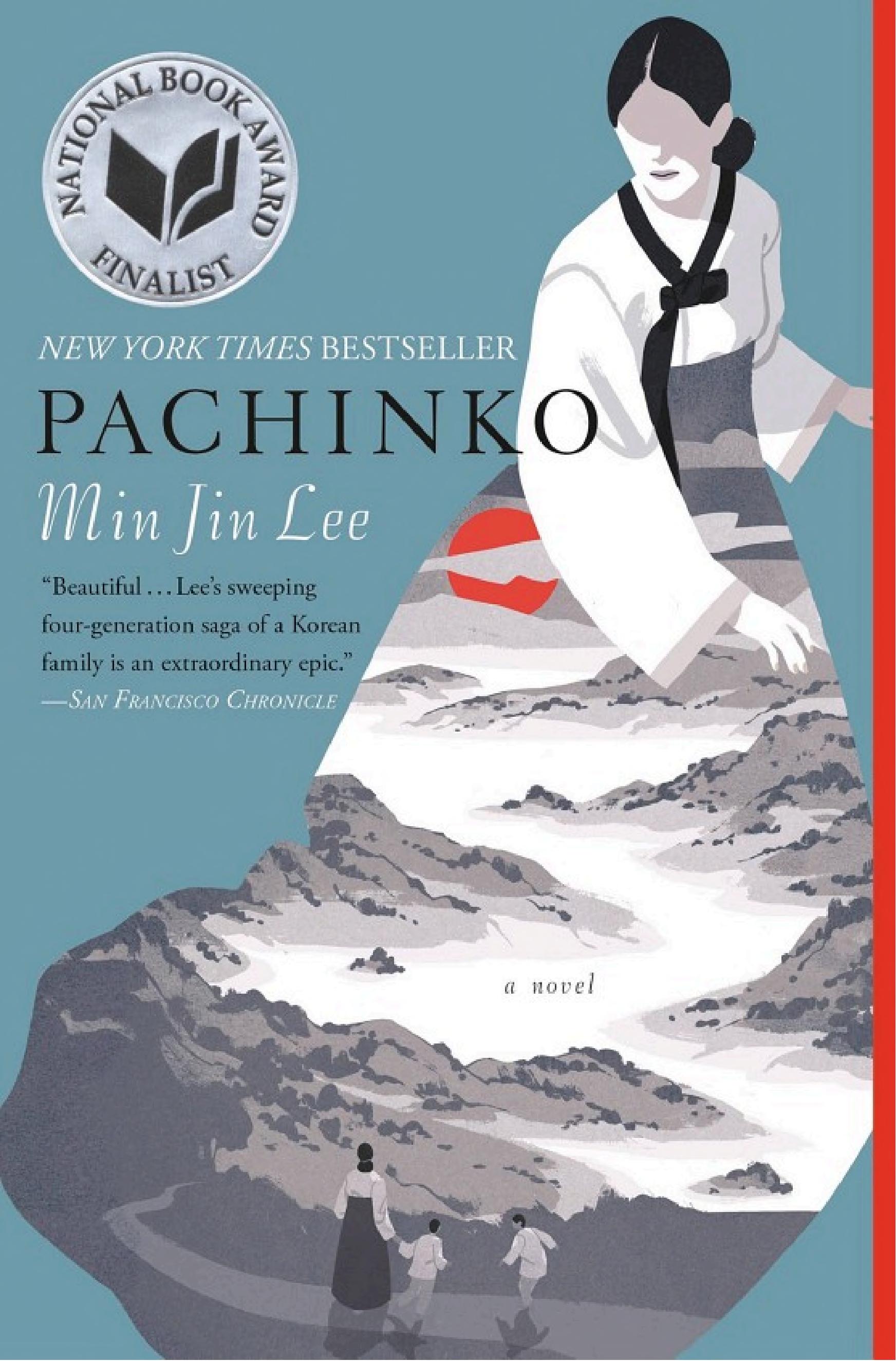
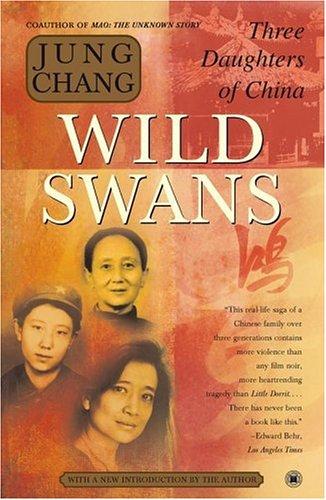
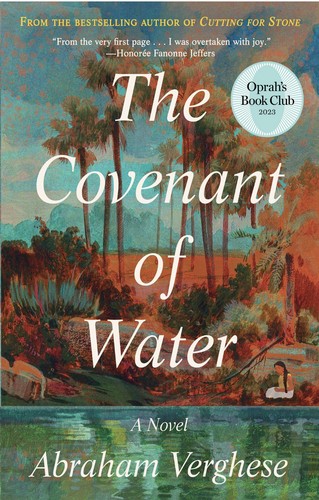
One Hundred Years of SolitudeGabriel Garcia MarquezThe multigenerational novel against which all others measure themselves, and the one that most completely uses family structure as philosophical argument. The Buendia family in Macondo repeats itself — names, character types, obsessions, failures — across seven generations, and Garcia Marquez uses that repetition to argue about how communities and individuals fail to learn from the past because the mechanisms of repetition operate below the level of conscious choice. The magical realism does not soften this argument; it clarifies it. Events that would read as individually tragic in a realistic novel become historically inevitable in a world where the impossible is ordinary, which is the most honest way to render the experience of cyclical history. PachinkoMin Jin LeeLee follows four generations of a Korean family from the Japanese colonial occupation of Korea through the late twentieth century, using the family as the lens through which to examine one of the least-discussed historical injustices of the modern era: the position of ethnic Koreans in Japan, who were both essential to the Japanese economy and structurally excluded from Japanese society. Like Homegoing, the novel’s argument is about how a historical injustice distributes its consequences across generations in ways that feel personal to the people experiencing them but are in fact structural. The title’s reference to the pachinko parlors — one of the few businesses open to Koreans in Japan — is a compressed version of the novel’s whole argument about what discrimination does to the economic and social possibilities of a people across time. MiddlesexJeffrey EugenidesEugenides uses the Stephanides family’s journey from Asia Minor to Michigan to examine what gets carried across immigration and assimilation: not just cultural practices and family stories but, in the narrator’s case, a genetic trait that was transmitted across generations without anyone knowing what it was. The family saga structure allows Eugenides to make an argument about identity as both genetically and historically determined — Cal is who they are because of a mutation that began in a specific village in a specific generation, under specific historical conditions. Like Homegoing, the novel moves across a family tree to argue that who we become is shaped by forces that predate us by generations and that operate independently of individual choice. Wild SwansJung ChangChang’s three-generation family memoir is the nonfiction counterpart to Homegoing: a grandmother, a mother, and the author herself, each shaped by the specific historical catastrophes of their era in China, and each transmitting the consequences of those catastrophes to the next generation. The structure is the argument — each woman’s definition of loyalty, survival, and what she owes the state is comprehensible only in light of what the previous generation endured. Where Homegoing uses fiction’s compression to cover eight generations in one volume, Wild Swans covers three generations in full biographical detail, which produces a different kind of argument: more intimate, more documented, and ultimately more disturbing because it is true. The Covenant of WaterAbraham VergheseVerghese follows three generations of a South Indian Christian family from 1900 to 1977, tracing a mysterious inherited condition — one member of each generation dies by drowning — alongside the larger historical changes of Kerala under colonial administration, independence, and post-independence India. The family’s condition is both a literal genetic mystery and a structural metaphor: something about who you are is determined before your birth and will shape your life regardless of your choices, and the novel is organized around whether medicine and love together can change that. The three-generation structure allows Verghese to make the historical argument with the same patience he brings to the medical one. Everything Is IlluminatedJonathan Safran FoerFoer approaches the multigenerational structure from the direction of erasure rather than transmission: the history of the Jewish village of Trachimbrod was not transmitted because it was destroyed, and the novel is a reconstruction of what was lost rather than a tracing of what was carried forward. Like Homegoing in reverse — starting from the rupture and moving backward rather than forward from it — Everything Is Illuminated shows what happens when the generational transmission is severed rather than maintained. The magical-realist history of Trachimbrod alongside the present-day travelogue produces the same structural argument that Homegoing makes: that a family’s history is not separable from the larger historical forces that shaped it. Who This Is For
Readers who finished Homegoing understanding why the structure was the argument — why Gyasi needed eight chapters and eight generations, and why a single character’s story could not have made the same case — and who want novels that use the same structural intelligence to make historical arguments about different families, different diaspora, different ruptures. The literary fiction and historical fiction catalogues both have more in this territory.
Frequently Asked Questions
Q: What is the best multigenerational novel?
A: One Hundred Years of Solitude is the most formally ambitious and the one that most completely uses the family structure as philosophical argument. Homegoing and Pachinko are the strongest contemporary entries. The answer depends on whether you want magical realism, realistic historical fiction, or something between them.
Q: How long are these books?
A: Homegoing is around 300 pages, the shortest of the group. Pachinko and One Hundred Years of Solitude are around 500 pages each. Middlesex and Wild Swans are around 500-600 pages. The Covenant of Water is around 700 pages. Everything Is Illuminated is around 350 pages.
Q: What is the difference between Homegoing and Pachinko?
A: Both use a family across generations to make an argument about how historical injustice compounds over time. Homegoing covers eight generations in compressed individual chapters; Pachinko covers four generations in more novelistic depth. Homegoing is primarily about the African-American experience through slavery and its aftermath; Pachinko is about ethnic Korean identity in Japan. Both are essential; together they make a similar argument across very different histories.
Q: What should I read after One Hundred Years of Solitude?
A: Love in the Time of Cholera is Garcia Marquez’s next most celebrated novel, warmer in tone and focused on a single love story rather than a family saga. Pedro Paramo by Juan Rulfo is shorter and even more formally experimental — the novel that Garcia Marquez cited as teaching him what magical realism could do.
Not sure which of these is right for you specifically? The Pagesmith quiz matches you to books based on your mood, pacing preference, and reading goals, not bestseller lists. Takes two minutes.