What to Read After Stoner
Stoner readers usually don't want more plot. They want more of the specific quality of attention John Williams brought to an ordinary life -- the prose that makes the unremarkable feel fully inhabited, the equanimity that holds difficulty without manufacturing resolution. These five books share that quality.
June 2026 · 6 min read · The Pagesmith
Stoner is not a book you finish and immediately want more action from. It produces a specific reading state — quiet, attentive, slightly out of time with ordinary reading pace — that its readers consistently describe as unlike anything else, and the question of what to read next is really a question of what else can produce that state. The quality that makes Stoner singular is not its subject (a Missouri academic’s unremarkable life) but its prose register: sentences that give equal weight to each thing they describe, that don’t reach for more emotional effect than the material requires, and that accumulate, page by patient page, into something that lands with the force of a life fully rendered. The books here share versions of that register. None of them are Stoner — no other novel is — but all of them understand that the most important things a novel can do are done through quality of attention rather than quantity of incident.
Stoner earns its reputation not through what happens but through how Williams attends to what happens — with a quality of equal, patient seriousness toward every detail of a quiet life that produces, by the end, something the reader can only describe as having lived inside another person’s existence for a while. The books here share that ambition.
The Books
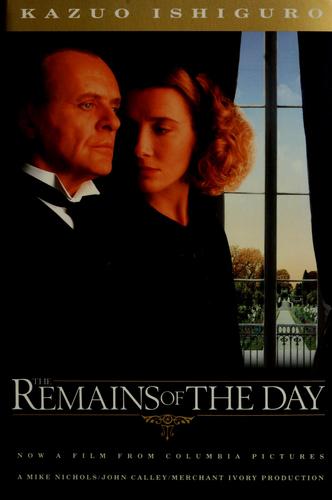
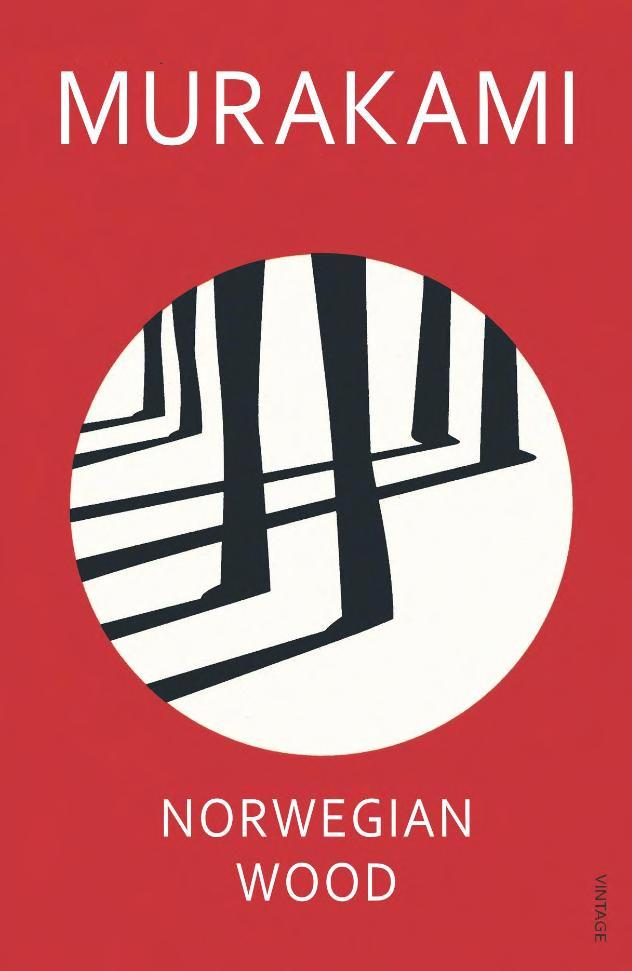
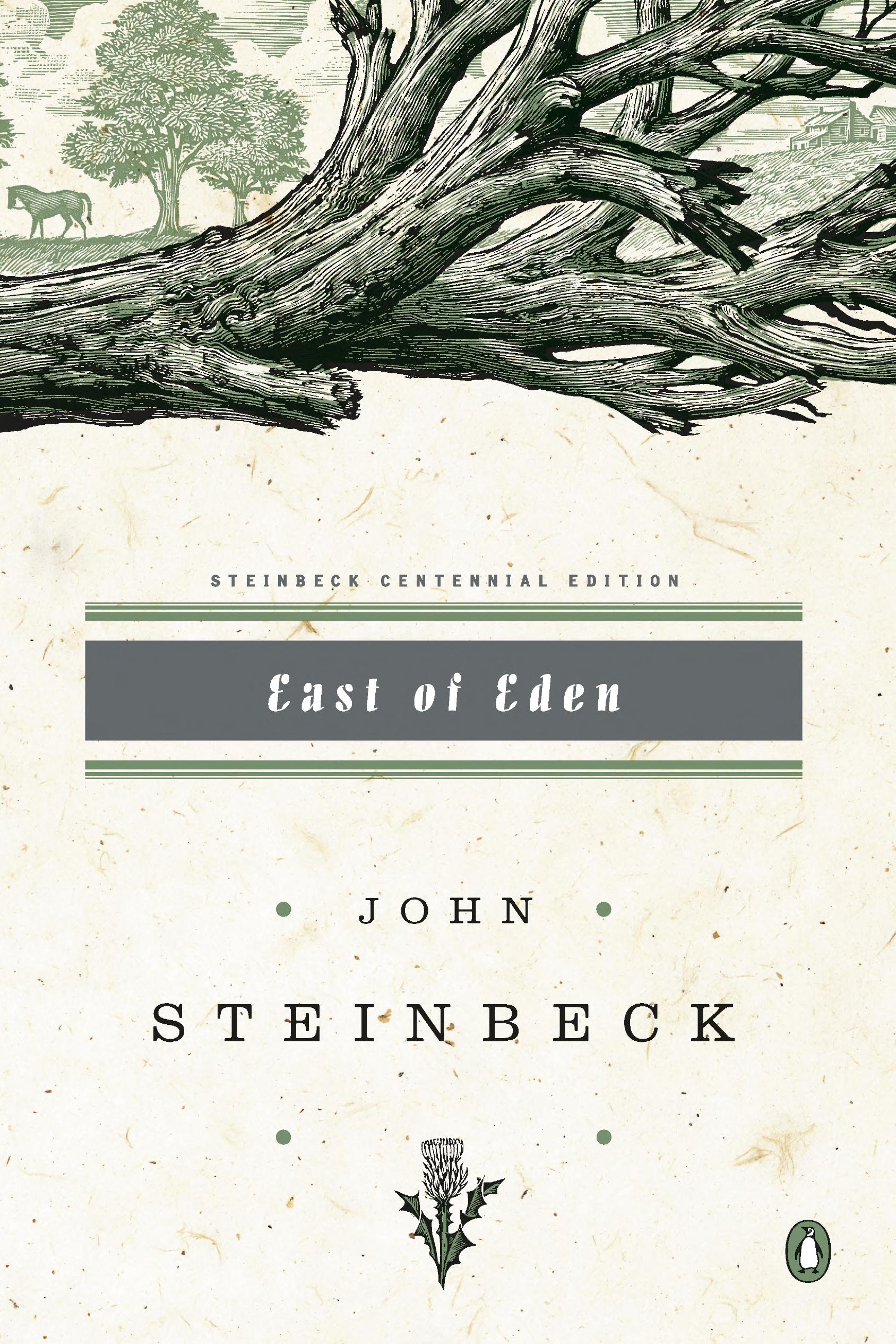
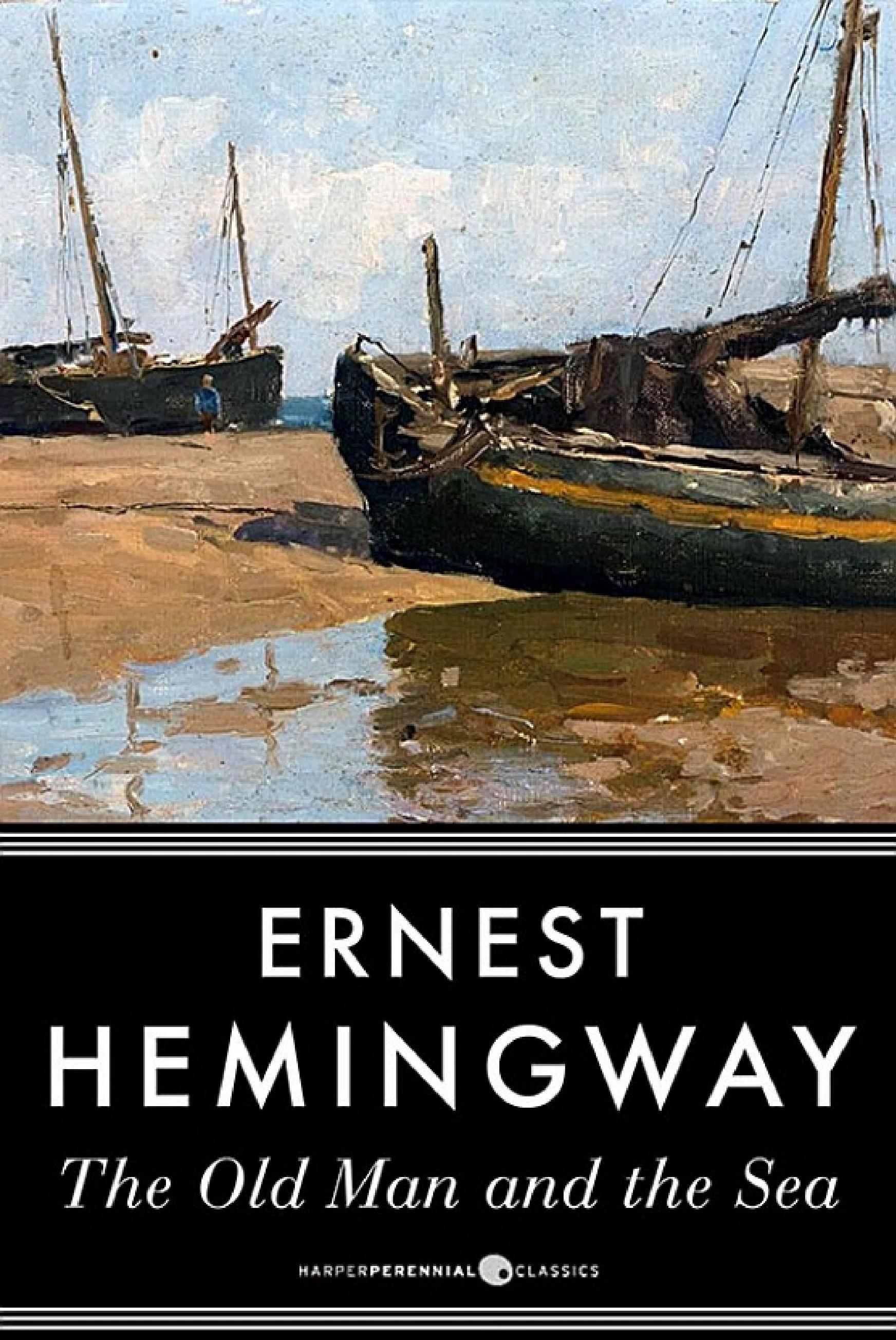
The Remains of the DayKazuo IshiguroThe closest companion to Stoner in contemporary literary fiction: a man who dedicated his professional life to service and whose personal life was quietly foreclosed in the process, rendered through a first-person narration whose formal precision mirrors the repression it describes. Where Williams renders Stoner from outside with the same equanimity he brings to everything else, Ishiguro renders Stevens from inside with a voice whose very control is the evidence of what has been suppressed. Both novels are about lives that were genuinely lived and genuinely constrained, and both hold that combination without sentimentalizing the life or condemning the constraints. The most tonal companion to Stoner on this list. A Gentleman in MoscowAmor TowlesThe tonal counterpoint: where Stoner is quiet and restrained, A Gentleman in Moscow is warm and self-aware, but both are organized around a life lived within severe constraints and both find their meaning through quality of attention to what remains available within those constraints. Count Rostov’s decades of house arrest produce a life as complete and as fully rendered as Stoner’s decades in Missouri, through the same fundamental commitment: giving equal, serious attention to small pleasures, to routine, to the specific texture of days that are not dramatic. For readers who found Stoner’s restraint appropriate but who want the same structural premise with more warmth. Norwegian WoodHaruki MurakamiMurakami’s most restrained novel shares Stoner’s specific prose quality — sentences that describe what Toru eats, the music he listens to, the specific texture of ordinary days — in service of rendering grief as a cognitive condition rather than a dramatic emotional state. Both novels are about love and loss in lives that don’t resolve into either triumph or simple tragedy, and both use the flatness of their narration as the formal argument: the things that matter most don’t announce themselves as climaxes, they accumulate across ordinary days. Norwegian Wood is the right step for Stoner readers who want more of the same quality applied to a younger consciousness in a different cultural setting. East of EdenJohn SteinbeckThe more expansive alternative: East of Eden covers similar emotional territory — a man’s life across decades, the specific costs of his choices, the question of whether the life he built was the one he actually wanted — at much greater length and with a wider cast of characters. Steinbeck’s novel lacks Stoner’s formal restraint but shares its fundamental interest in the accumulation of meaning across an ordinary human lifespan, and its rendering of the Salinas Valley and the Hamilton family’s daily life has the same quality of serious attention to particulars that makes Stoner work. For Stoner readers who want more scope and more narrative incident within the same meditative orientation toward a life as it accumulates. The Old Man and the SeaErnest HemingwayThe most concentrated entry on this list: a very short novel about an old man’s encounter with a very large fish, rendered in Hemingway’s most stripped-back prose, which achieves something close to what Williams achieves through different means. Both novels are about the relationship between sustained effort and dignity — about what it means to do something completely, with full attention, regardless of whether the outcome vindicates the effort. Santiago’s catch and its loss are not tragedy in the conventional sense; they are the form his life took in the moments that were most fully his, which is the same argument Stoner makes about a life organized around the love of literature that the surrounding world never fully recognized. Who This Is For
Readers who finished Stoner wanting more of the same quality of attention rather than the same subject — who are looking for fiction that gives equal, patient seriousness to ordinary experience and produces emotional weight through accumulation rather than incident. The literary fiction catalogue has more in this direction.
Frequently asked questions
Q: Why is Stoner considered a masterpiece when so little happens in it?
A: Because Williams demonstrated that what makes a novel significant is the quality of attention it brings to experience, not the drama of the events it describes. Stoner proved that a completely ordinary life, rendered with enough precision and enough genuine seriousness, is as worthy of the novel’s full resources as any extraordinary one. Many readers describe it as the most moving book they’ve ever read specifically because nothing exceptional happens.
Q: Is The Old Man and the Sea too short to be a satisfying next step after Stoner?
A: It’s under 130 pages and can be read in a few hours. What makes it a genuine companion rather than an appetizer is the density of what Hemingway accomplishes in that space — the novel repays slow reading and rereading in a way that produces the same accumulative effect as Stoner, just compressed. Most readers who read it after Stoner find it resonant precisely because they’ve been primed by Stoner for this quality of attention.
Q: Is Norwegian Wood easier or harder to read than Stoner?
A: Different in difficulty rather than easier or harder. Stoner’s challenge is accepting the flatness of its narration as a formal choice rather than a limitation; Norwegian Wood’s challenge is accepting its emotional register, which some readers find too reserved and others find exactly right. Both reward readers who are prepared to receive a quiet novel on its own terms rather than waiting for something to happen.
Q: What should I read after A Gentleman in Moscow if I want more Amor Towles?
A: Rules of Civility, his debut, shares the elegance and the interest in a specific historical period rendered through a single consciousness, but is set in 1930s New York and is more conventionally plot-driven. Table for Two collects shorter fiction and a novella. Both are worth reading; Rules of Civility is the more complete companion novel.
Not sure which of these is right for you specifically? The Pagesmith quiz matches you to books based on your mood, pacing preference, and reading goals, not bestseller lists. Takes two minutes.