6 Books Like Catch-22 That Match Its Satirical Intelligence
Catch-22 is not a war novel. It is a novel about how institutions manufacture absurdity and call it order. These books share its specific satirical logic: the gap between what systems claim to do and what they actually do.
May 2026 · 7 min read · The Pagesmith
Catch-22 is routinely recommended to readers who want funny war novels, which produces disappointment because Catch-22 is not fundamentally funny. It is a novel about the specific experience of being trapped inside a system that defines sanity as compliance with its own insane demands, and the humor is a byproduct of rendering that experience with total fidelity rather than the point. Yossarian is not a comic protagonist. He is a man who has correctly understood his situation and who is being destroyed by the gap between what he knows and what the institution requires him to pretend he knows. The books here share that gap as their central subject — institutions and systems that claim to operate in service of human welfare while systematically defeating it, rendered in prose that ranges from savage comedy to deadpan to philosophical. Several of them are not technically about war at all.
What Makes Catch-22 a Satire Rather Than a Comedy
The distinction matters for recommendations. Comedy resolves tension through laughter; satire sustains tension and directs it at a target. Heller is doing the latter. The circular logic of the Catch-22 rule itself — you can be grounded if you’re crazy, but asking to be grounded proves you’re sane, therefore you fly — is not a joke but a precise description of how bureaucratic logic works: it is internally consistent and simultaneously impossible to navigate from inside it. The books here use similar structures, where the logic of the system is both coherent and absurd, and where the characters’ attempts to deal with it rationally only deepen their entrapment. The ones that work best as Catch-22 alternatives are the ones that earn their darkness through systematic argument rather than individual suffering.
The Catch-22 rule is not an absurdist invention. It is a clear-eyed description of how institutional logic always works: the system’s self-preservation takes precedence over the purposes it was built to serve, and this is called reason.
The Books
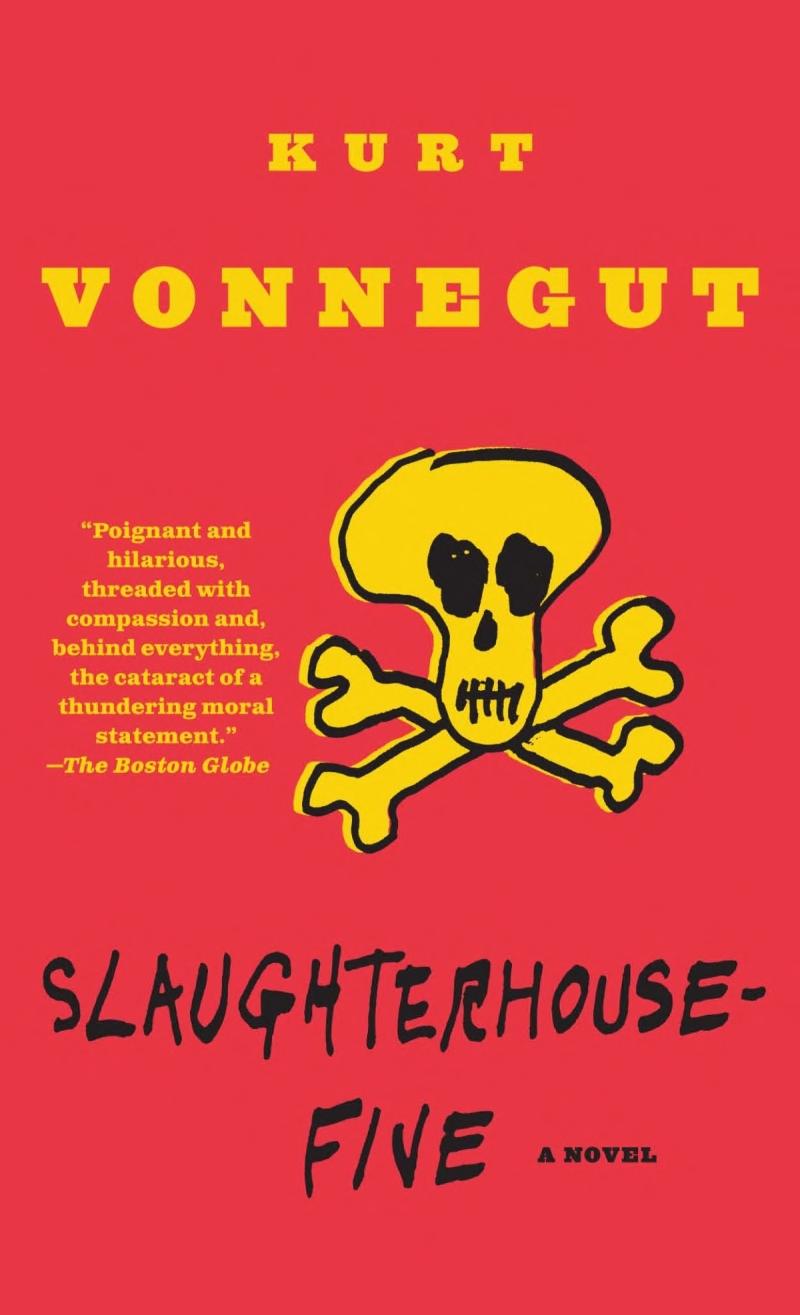
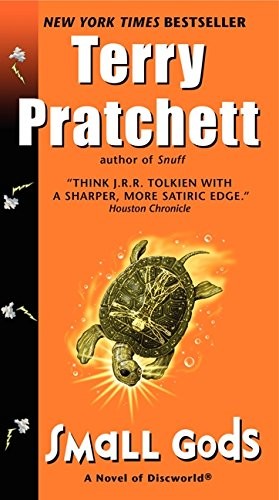
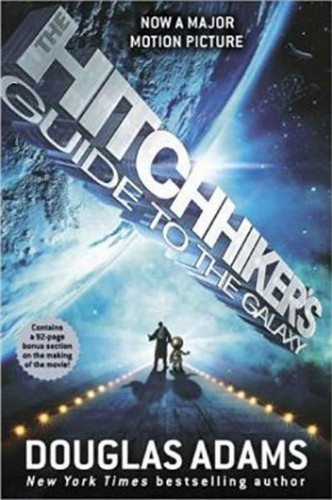
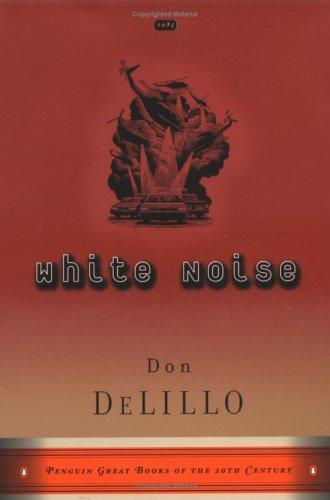
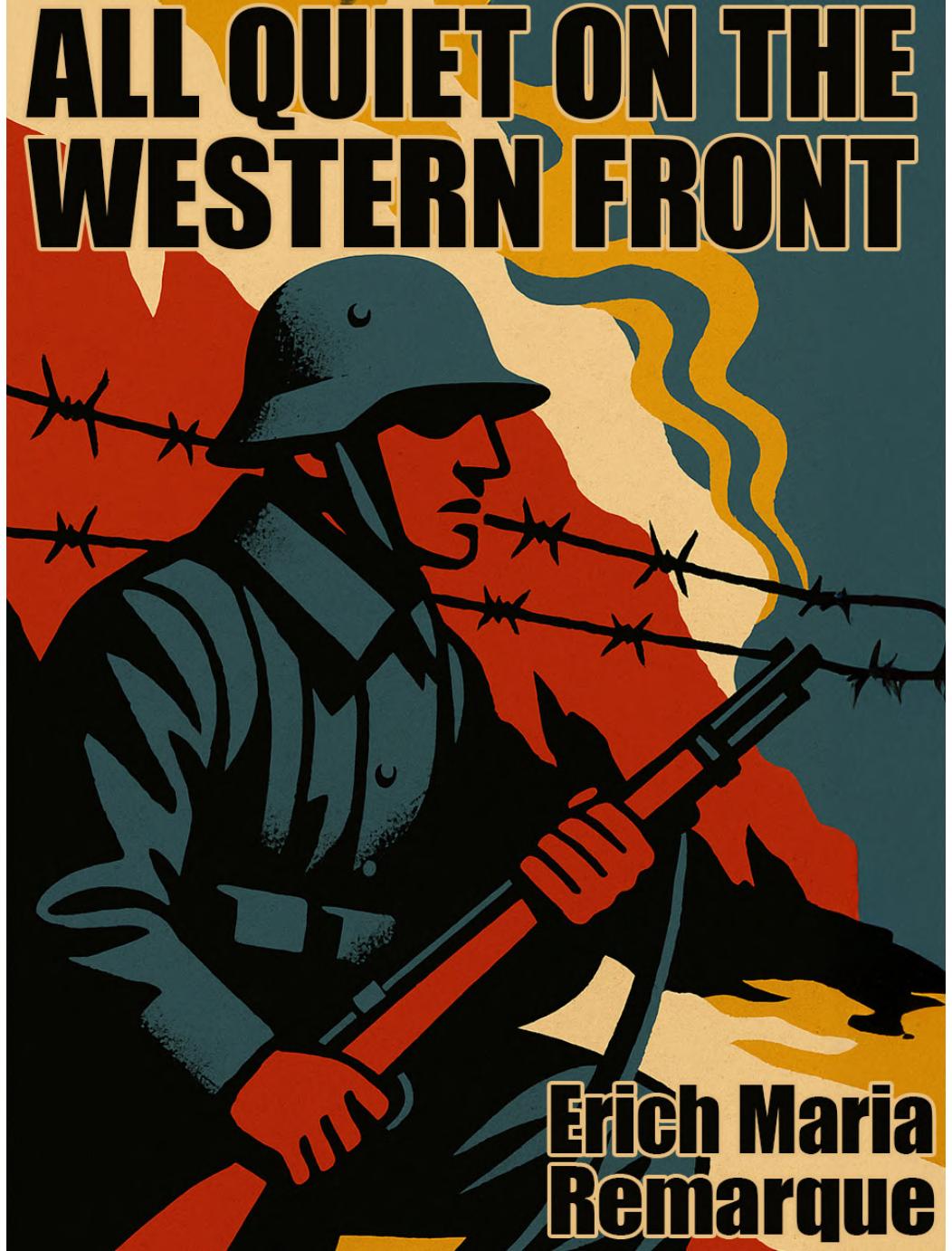
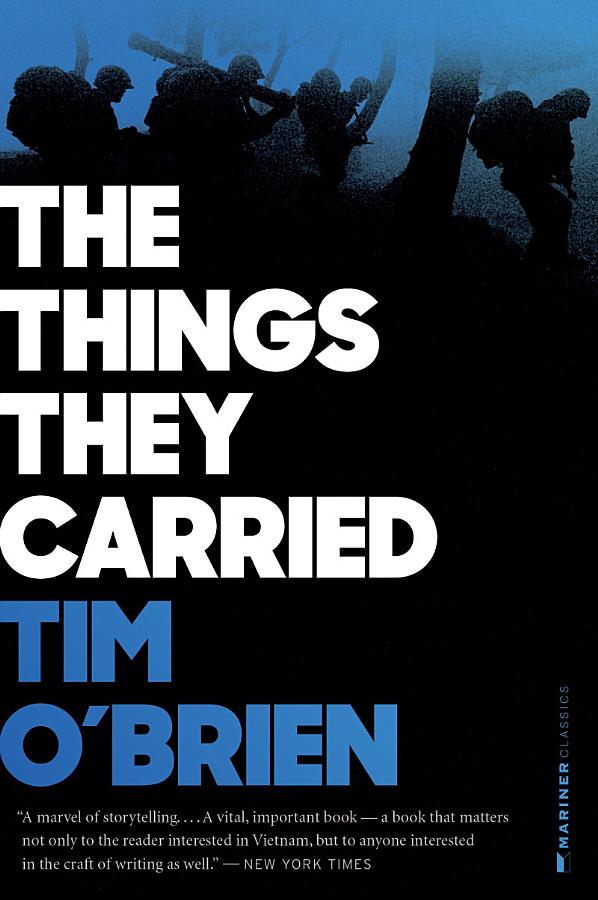
Slaughterhouse-FiveKurt VonnegutThe most direct Catch-22 companion, and the one that makes the same argument in a radically different formal structure. Vonnegut’s solution to the problem of writing about the Dresden firebombing — how do you describe an atrocity in fiction without aestheticizing it? — is to give his protagonist unstuck in time, so that the horror arrives in fragments alongside scenes from before and after the war. The famous refrain “So it goes” is doing the same thing as Heller’s circular logic: it is the language of institutional acceptance applied to mass death, rendered precise enough to expose its own absurdity. Shorter and faster than Catch-22, and equally essential. Small GodsTerry PratchettThe institutional satire here is religious rather than military, but the structure is identical to Heller’s. The Church of Om has become an institution so powerful that it no longer requires actual belief — it requires compliance, which it has confused with faith. Om, the god, is reduced to a tortoise because his church has stopped believing in him while continuing to enforce belief in others. Pratchett’s argument — that institutions organized around an ideal will eventually prioritize their own survival over the ideal — is Heller’s argument applied to theology. The humor is gentler than Heller’s but the philosophical point is sharper, and the novel is the most accessible entry on this list. The Hitchhiker’s Guide to the GalaxyDouglas AdamsAdams operates in a lighter register than Heller but shares his central satirical preoccupation: bureaucracy as the universe’s fundamental organizing principle. The Vogons demolish Earth to make way for a hyperspace bypass because the paperwork has been filed correctly and the objections were available at Alpha Centauri for fifty years, which is the Catch-22 logic applied to planetary destruction. Adams’s indifference to plot in favor of comedic argument is a more playful version of Heller’s structural looseness, and the book’s casual nihilism — the universe is indifferent, the answer is 42, nobody is in charge — is a comic version of Heller’s darkest conclusions. White NoiseDon DeLilloDeLillo’s campus novel applies the Catch-22 structure to postmodern American consumer culture: the system that is supposed to protect its members from death (medicine, information, affluence) has become so saturated with death anxiety that it produces the thing it was meant to prevent. Jack Gladney, professor of Hitler Studies, cannot die because his institutional identity is too large, but this certainty only intensifies his terror. The satire here is less comic and more paranoid than Heller’s, but the argument about institutional language creating reality — about bureaucratic naming as a substitute for truth — is the same argument in a different register. All Quiet on the Western FrontErich Maria RemarqueThe necessary serious counterpoint. Remarque makes the same anti-war argument as Heller without any comedy, which clarifies what the comedy in Catch-22 is actually doing: converting horror into something the reader can survive reading. Paul Baumer’s account of trench warfare in the First World War is stripped of heroism, narrative purpose, and any framework that would allow the deaths to mean something, which is precisely Heller’s point rendered without irony. Reading both together produces a more complete picture than either gives alone. Catch-22 readers who want to understand why the novel matters will find Remarque’s directness illuminating. The Things They CarriedTim O’BrienO’Brien’s linked story collection approaches the problem of war narrative from a different formal angle than either Heller or Remarque. The question here is not institutional absurdity but narrative truth: what does it mean to tell a true war story, and is the true version ever the one that actually happened? O’Brien blurs the boundary between memoir and invention deliberately, arguing that the truth of war experience cannot be conveyed through documented fact alone. For Catch-22 readers who want the anti-war argument applied to the question of how war can and cannot be represented in fiction, this is the essential next read. Who This Is For
Readers who loved Catch-22’s intelligence more than its comedy, and who want books that use satire, formal structure, or philosophical argument to examine how institutions fail the people inside them. Not readers who primarily want war fiction — White Noise and Small Gods are not war novels — but readers who want the satirical mode at its most rigorous. The literary fiction catalogue has more in this direction.
Frequently Asked Questions
Q: Is Catch-22 anti-American?
A: It is anti-institutional rather than anti-American, though the distinction becomes blurry in a novel where the institution is the United States Army Air Force. Heller’s target is the logic that places institutional survival above individual welfare, which he saw as the defining feature of modern bureaucracy in any country. The novel is as much about capitalism as about the military.
Q: Why is Catch-22 so hard to read?
A: The non-chronological structure and the repetition of scenes across different chapters are deliberate — Heller is creating the disorientation of a consciousness trapped in circular institutional logic. Readers who persist past the first hundred pages typically find the structure starts to work rather than resist. The novel rewards rereading more than almost any other satirical fiction.
Q: What is the funniest book on this list?
A: The Hitchhiker’s Guide to the Galaxy by a significant margin. Slaughterhouse-Five has black comedy throughout. Small Gods is consistently amusing. White Noise and The Things They Carried are not primarily funny.
Q: What should I read if I want more Heller?
A: Something Happened, Heller’s second novel, is less accessible than Catch-22 but shares its preoccupation with institutional consciousness and circular logic, this time applied to corporate America and the American family. It is considerably more claustrophobic and rewarding for readers who want to understand what Heller was doing as a novelist rather than just as a satirist.
Not sure which of these is right for you specifically? The Pagesmith quiz matches you to books based on your mood, pacing preference, and reading goals, not bestseller lists. Takes two minutes.