What to Read When You're Ready for a 1,000-Page Novel
The best very long novels justify their length not through the accumulation of incident but through the accumulation of world -- a place, a cast, a moral argument that can only be made at full scale. These books earn every page.
June 2026 · 8 min read · The Pagesmith
Most very long novels are long for the wrong reasons: the plot required it, the series demanded it, or the author didn’t know when to stop. The books here are long for the right reason: the argument requires the space. Tolstoy could not make his case about historical determinism in a 300-page novel because the evidence for and against it — the specific texture of specific lives across a specific historical event — needs room to accumulate before it can be assessed. Victor Hugo could not render Paris’s moral topography in half the pages because the city is the argument and the city takes time to establish. These are not books that could be meaningfully condensed. They are books whose length is the point.
What Very Long Novels Can Do That Shorter Ones Cannot
The long novel earns its scale through accumulation rather than amplification. It does not turn up the volume on what a shorter novel does; it does something different. It gives the reader time to live inside a world — to understand its social texture, its geography, its recurring characters — until the world feels real in a way that no shorter novel can fully achieve. Tolstoy’s reader knows what it means for Natasha to go to her first ball not because the scene is described vividly but because the reader has spent 400 pages understanding who Natasha is and what this moment means to her. That kind of meaning is only available through sustained investment, and the books here are all worth that investment.
The very long novel offers something no other form can: the experience of having truly lived somewhere else. The investment is real, but what it produces — a world that feels as real as your own for the duration — is only available at this scale.
The Books
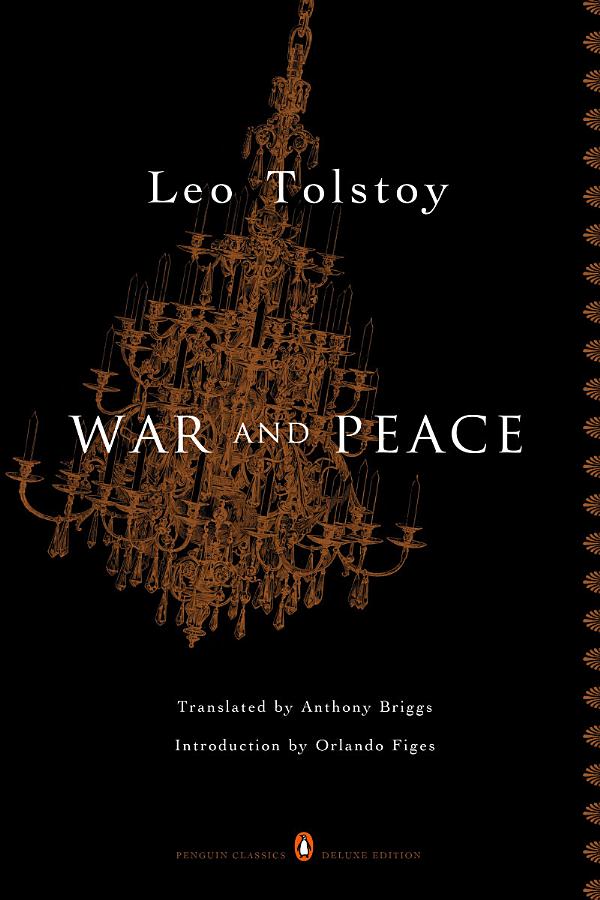
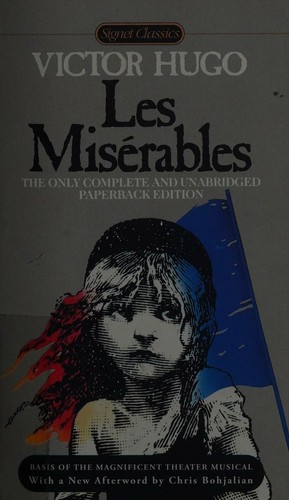
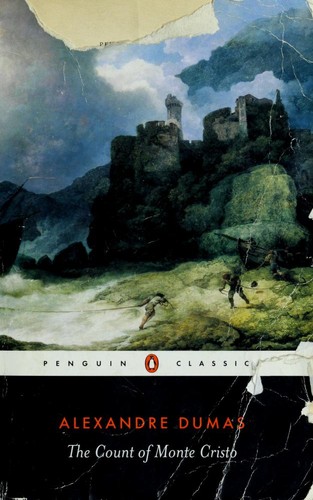
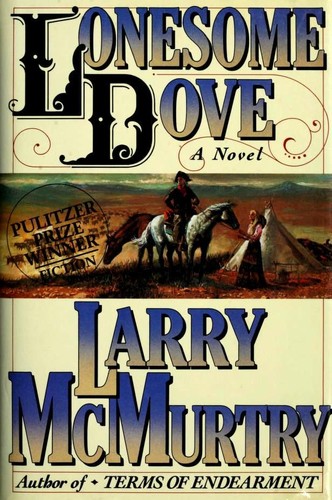
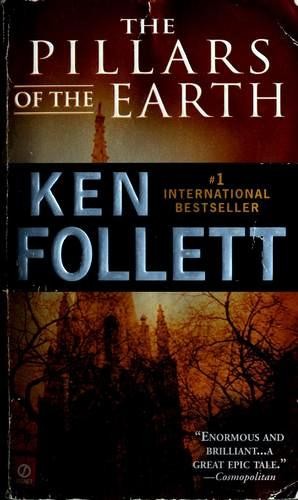
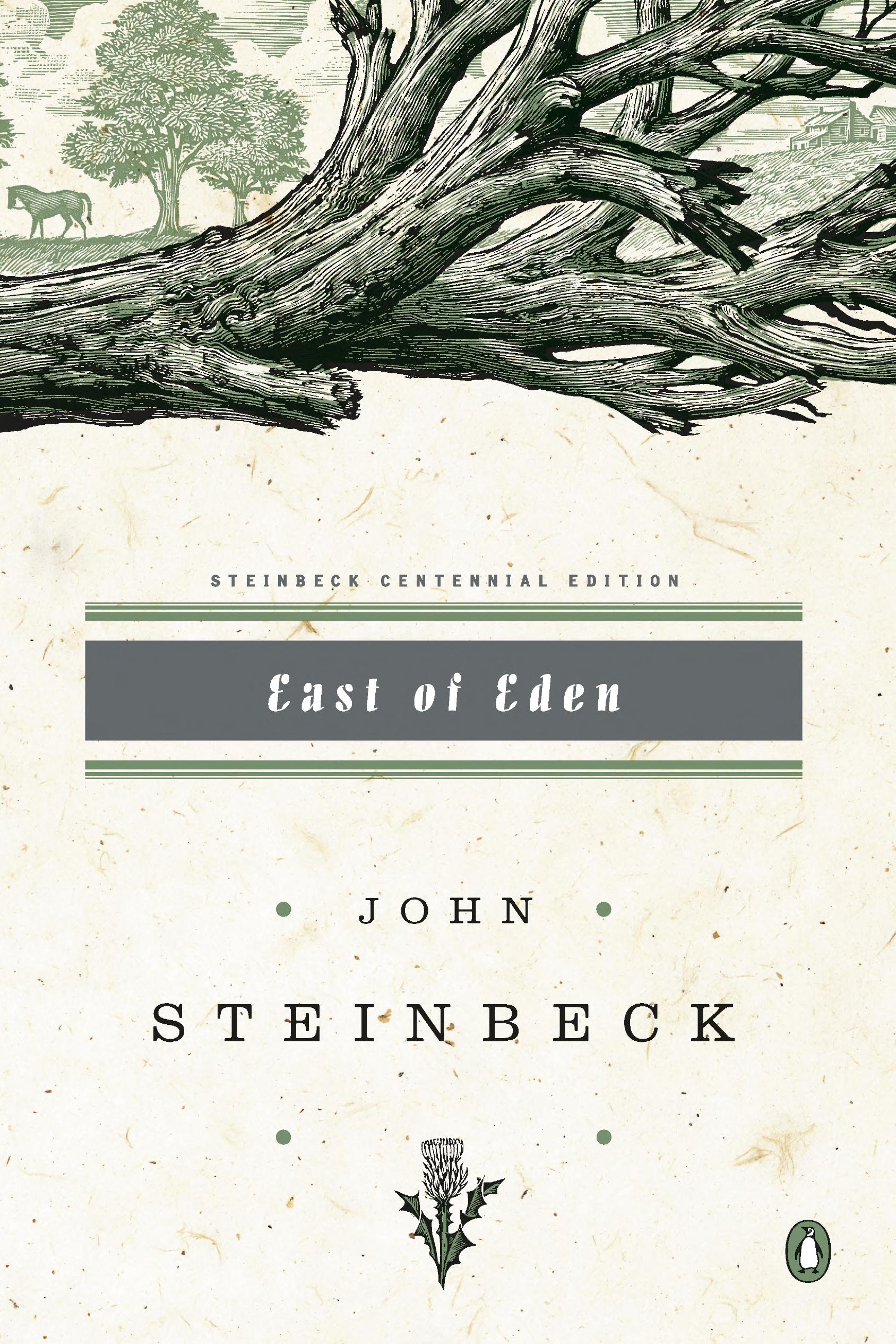
War and PeaceLeo TolstoyThe standard answer when someone asks what the greatest novel ever written might be, and the one that most consistently surprises first-time readers with how readable it is. The reputation for difficulty comes from the philosophical chapters about historical determinism, which are real and require patience. The domestic scenes — Natasha’s first ball, Pierre’s bumbling through Moscow society, Andrei’s three pivotal encounters with the sky — are among the most immediately alive passages in any novel at any length. At 1,300 pages in most translations, it asks more than any other book on this list. The Pevear and Volokhonsky translation is the recommended English version. Start in winter, when the length feels appropriate. Les MiserablesVictor HugoHugo’s 1,500-page novel about Valjean, Javert, and the Paris that contains them both earns its length through the same mechanism as Tolstoy: the argument — about justice, mercy, and the relationship between law and morality — requires the full weight of the world it is made in. The famous digressions (the Battle of Waterloo, the Paris sewers, the history of the convent) are not padding; they are Hugo building the case that the human condition Valjean embodies is specific to this city at this historical moment. Read the unabridged version. Every chapter is there for a reason, and the chapters most readers skip in abridgments are often the ones that make everything else land. The Count of Monte CristoAlexandre DumasThe most genuinely propulsive novel on this list and the best argument that a 1,200-page book can move faster than most 300-page thrillers. Edmond Dantes’s imprisonment, his education by Abbe Faria, his escape, and the twenty-year construction of his revenge against the men who destroyed him are organized as the most elaborate and satisfying plot mechanics in the nineteenth century. Dumas builds the pleasure of the novel around the reader’s foreknowledge of what is coming and the patience of watching Dantes execute a plan of extraordinary complexity with extraordinary calm. The perfect recommendation for readers who are skeptical that very long books can be as compulsively readable as shorter ones: this one is more compulsive than most thrillers at a quarter of its length. Lonesome DoveLarry McMurtryMcMurtry’s 900-page cattle drive is the most purely enjoyable novel on this list and the most likely to be finished in a week by a reader who was not planning to read that fast. The pleasure is character: Gus McCrae and Woodrow Call are among the great fictional friendships, and McMurtry renders their dynamic with more precision than most novels give to romantic love. The Western setting is as fully realized as Hugo’s Paris or Tolstoy’s Moscow, and the novel’s final movement — which does not go where most readers expect — is one of the most earned emotional payoffs in American fiction. Winner of the Pulitzer Prize and still the standard by which American epic fiction is measured. The Pillars of the EarthKen FollettFollett’s medieval cathedral novel is 900 pages of the most sustained narrative momentum in historical fiction: the building of a cathedral in twelfth-century England, organized around the lives of a prior, a master builder, and the cast of characters their enterprise draws into conflict. Follett researched the architecture and the period with enough seriousness that the construction is genuinely interesting as engineering, and the characters operate within historical conditions that are rendered with enough specificity to feel real rather than costumed. The most accessible novel on this list in terms of pacing — it reads like a well-crafted thriller at every scale — and the right recommendation for readers who want the immersive experience of a fully realized historical world without the philosophical demanding of Tolstoy or Hugo. East of EdenJohn SteinbeckSteinbeck’s most ambitious novel sits at 600 pages — shorter than the others on this list — but belongs here because it is the American entry in the tradition of the novel that uses length to make a moral argument that cannot be compressed. The Trask and Hamilton families across multiple generations in California’s Salinas Valley are the evidence Steinbeck needs to demonstrate his thesis about timshel — the human freedom to choose good — and the novel’s length is the space in which that evidence accumulates. The most personal novel Steinbeck ever wrote and the one that most completely justifies the literary investment the long novel asks for: by the end, the reader understands something about free will and inherited damage that no shorter version of this story could have delivered. Who This Is For
Readers who have been wanting to commit to a very long novel and have not known which to start with — who want the experience of a fully realized world that takes weeks rather than days to inhabit, and who want assurance that the investment is worth it before they begin. Also readers who have finished one of these novels and want to understand the tradition they belong to. The literary fiction and historical fiction catalogues have more in this direction.
Frequently asked questions
Q: What is the best translation of War and Peace?
A: The Pevear and Volokhonsky translation (Vintage Classics) is the most widely praised for its fidelity to Tolstoy’s prose rhythms, including the Russian characters’ French dialogue. The Anthony Briggs translation (Penguin Classics) is smoother and somewhat easier to read. Both are excellent; most readers who read one do not feel the need to read the other.
Q: Is The Count of Monte Cristo really as good as people say?
A: Yes, and in a different way than most readers expect. The reputation is for entertainment, and it is enormously entertaining. What is less expected is the psychological precision of Dantes’s characterization: the specific way that twenty years of wrongful imprisonment changes a person, and the specific way that revenge organized across two decades of patient construction differs from revenge taken in anger. It is a more serious novel than its popularity suggests.
Q: Which of these is the easiest to start with for someone new to very long novels?
A: Lonesome Dove is the most immediately propulsive and the most likely to make the reader forget they are reading a 900-page novel. The Count of Monte Cristo is the second-most propulsive. The Pillars of the Earth moves the fastest for a historical novel. All three are more accessible starting points than War and Peace or Les Miserables, which require more patience in their early sections before they accelerate.
Q: Can I read an abridged version of Les Miserables or War and Peace?
A: You can, but you will miss the argument. The digressions in Hugo and the philosophical chapters in Tolstoy are not separable from the novels they are in — they are the novels’ theses, stated directly, which the narrative sections then demonstrate. Abridged versions that cut them produce coherent plots without the underlying moral architecture that makes the plots matter.
Not sure which of these is right for you specifically? The Pagesmith quiz matches you to books based on your mood, pacing preference, and reading goals, not bestseller lists. Takes two minutes.